UBCO Indigenous art intensive makes waves in decolonizing industry
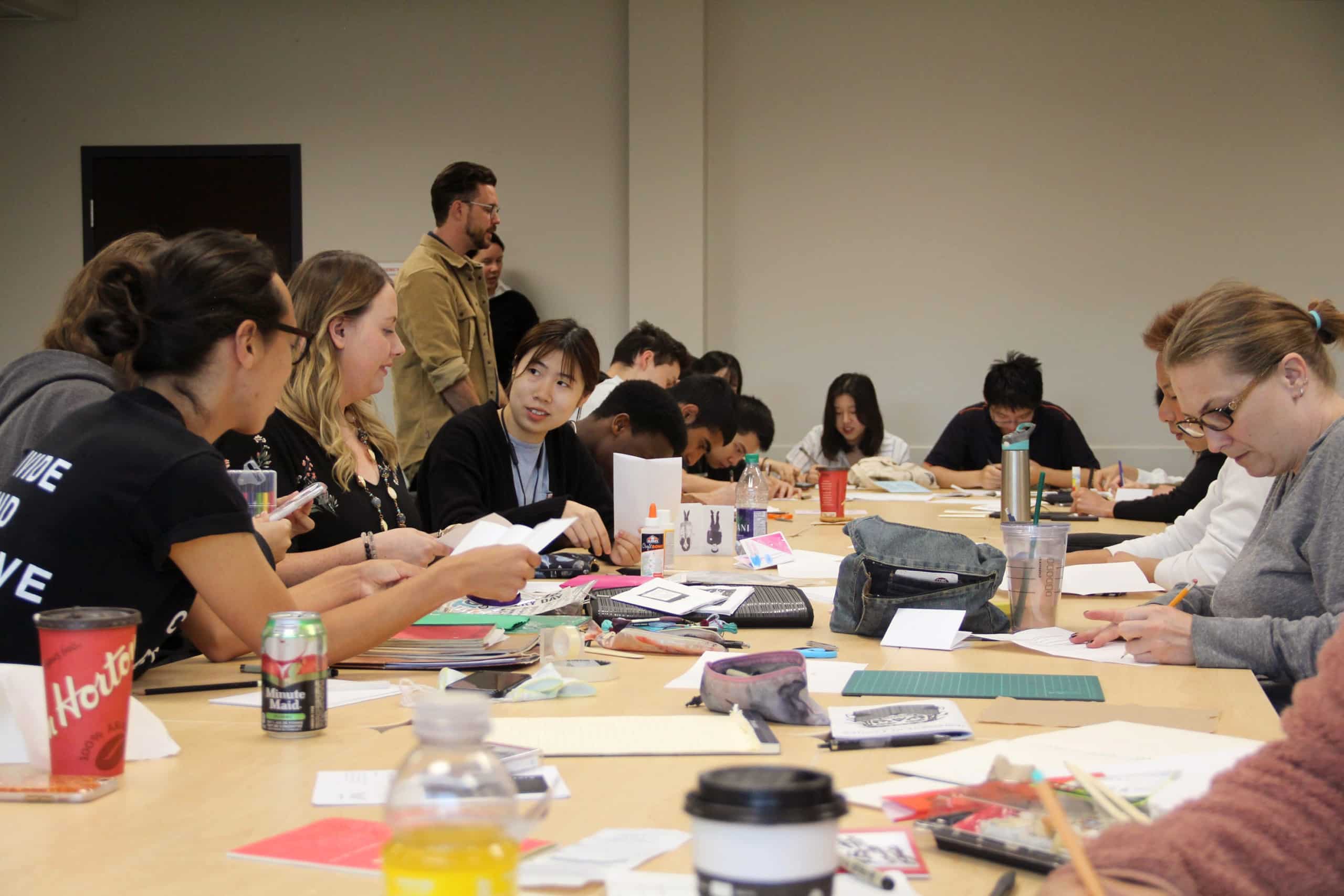
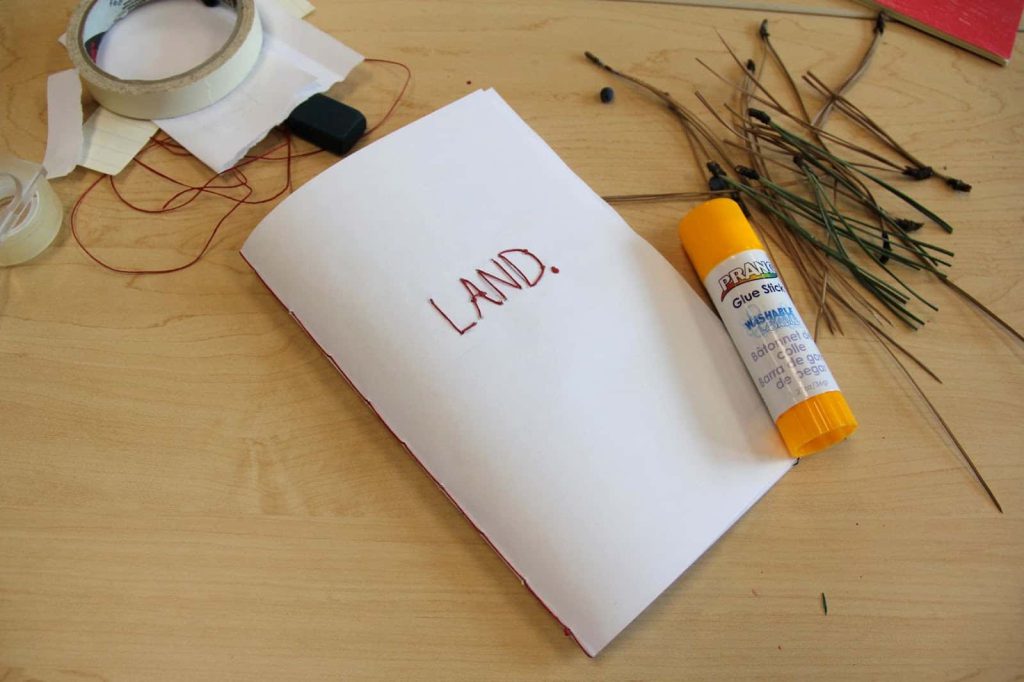
Students participate in a ‘zine’ making workshop, led by Whess Harman during the 2019 Indigenous Art Intensive. Photo courtesy of UBC
An arts program in “B.C.” is quietly leading the way in not only promoting and preserving Indigenous art, history and practices, but also setting the stage for the next generation of up-and-coming Indigenous artists by working to decolonize a largely European-influenced field.
They have been doing so for years, relatively unnoticed.
“As important as any aesthetic theory stemming from Europe is, Indigenous contemporary art theories from here are essential to understanding contemporary art today on a broad scale,” said Tania Williard, who is an assistant professor at University of British Columbia Okanagan (UBCO) and leads the Indigenous Art Intensive.
The program was started in 2014 at UBCO by professors Mike Evans and Stephen Foster. Tania has been running the intensive since 2019 and is focused on uplifting Indigenous culture in a university setting and shifting the dialogue within the industry.
“I’m interested in making space for thinking about and valuing syilx, Secwépemc, Nlaka’pamux (peoples and cultures),” said Tania. “In my experience as a Secwépemc person, our histories, our practices, our aesthetics are really diminished and or not spoken of in that way. And so to really kind of make space for that is important to me.”
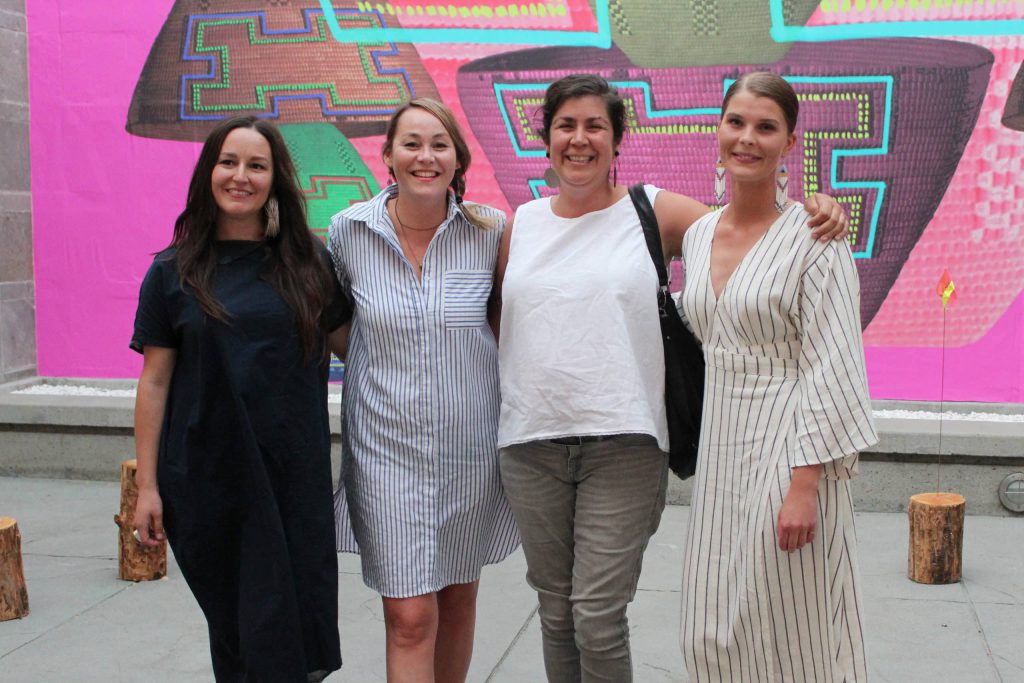
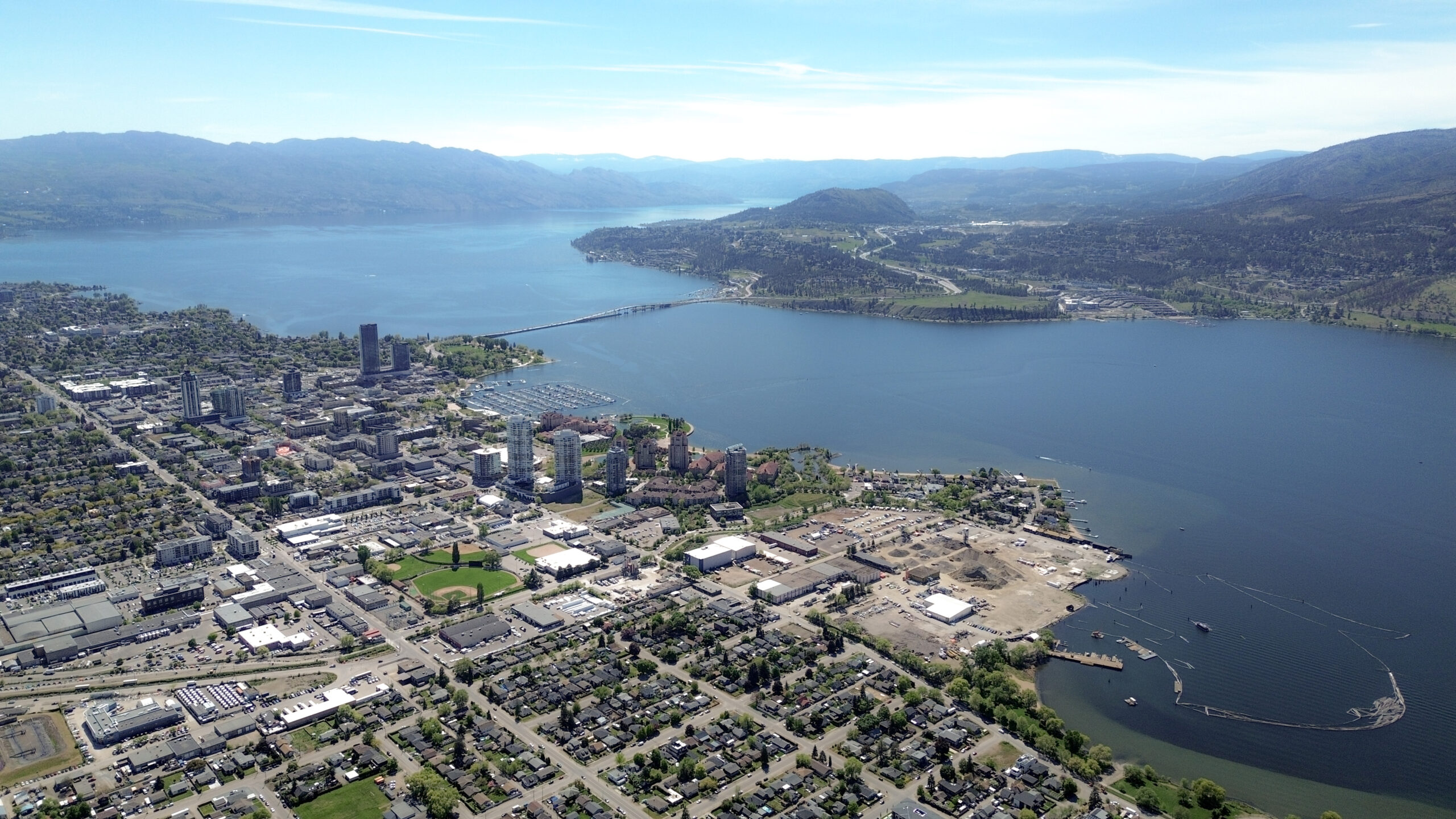
The month-long residency program hosted in syilx homelands on the UBCO campus in “Kelowna,” features a series of courses, lectures, art shows and opportunities to create art. World-renowned Indigenous scholars, curators and artists travel from their nations to discuss their artforms with students in an immersive way. Each week, a keynote is delivered alongside weekly panels and discussions with visiting artists, and other class activities such as art exhibitions, performances, readings and field trips.
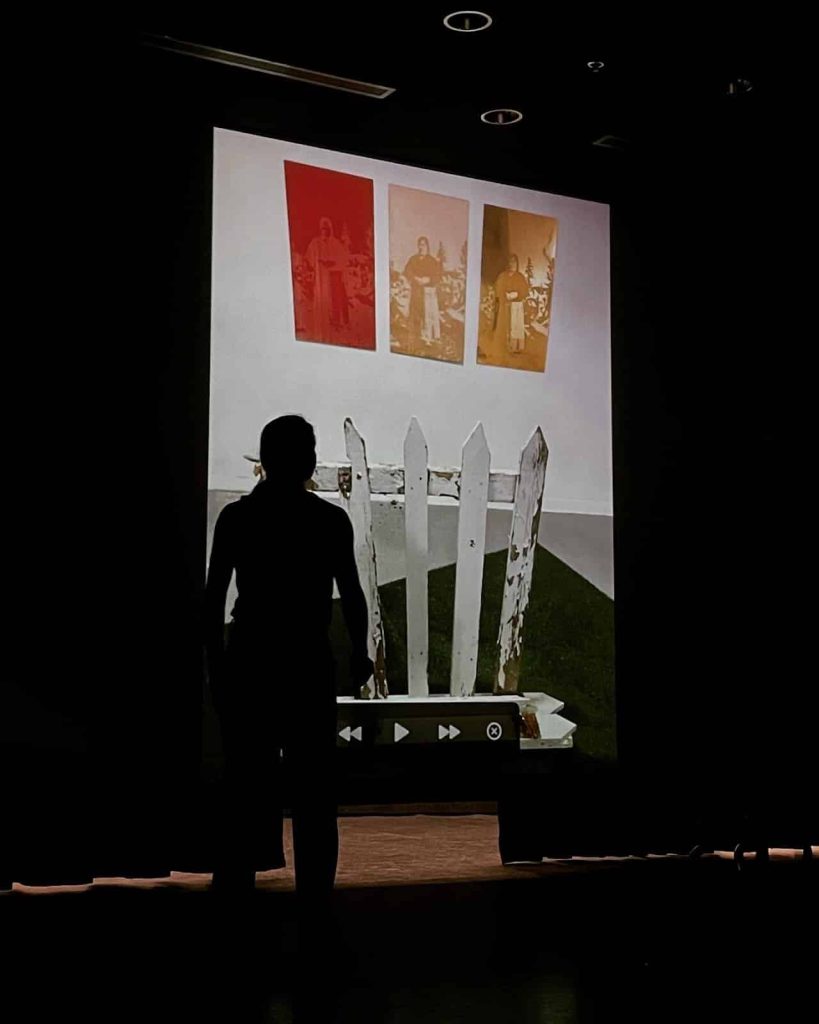
This year, the four keynote speakers were: Tracey Kim Bonneu, Steven Loft, Cheryl L’Hirondelle and Michelle LaVallee from nations across “Canada.” The invited resident artists also collaborate to create a new body of work with the students, and this year included eight artists from across the country.
Recently the group invited Raven Chacon, a Pulitzer Prize winning Diné artist known for their work as a composer of chamber music, who taught a sound-art course.
In 2017, Alex Janvier, a member of Indigenous Group of Seven, and James Luna, a legendary Payómkawichum, Ipi, and Mexican-American artist, visited the program.
“Things like that, that really showcase the amazing content and talent of Indigenous contemporary artists, in all mediums, is something I’m interested in celebrating,” Tania said.
Decolonizing the world of contemporary art
The Arts Intensive is working to break down the study of art and consider several things while doing so: what the students can learn from the systems already in place, and what they can contribute to it in terms of Indigenous art and culture.
Together, students study art at an intense level. They work together to identify the questions, concepts and messages the art in question contains, and discuss this as a group. This dialogue, Tania explained, is key to decolonizing systems already in place, offsetting messages of European systems, aesthetics and values.
“I think that it’s really essential that we build a kind of decolonial aesthetic, and think about that within Indigenous contemporary practice, that situates us really resolutely in syilx territories, and ecologies,” said Tania.
The program continues to be a leader in “B.C”. and across “Canada,” in terms of elevating Indigenous art. This program is the reason Tania came to UBCO in the first place.
She’s focused on moulding the program into something that specifically caters to the needs of Indigenous students, such as shortening the requirement for in-person classes. She’s working toward an accessible Masters of Fine Art program that doesn’t require extensive time spent on-campus, with a focus on Indigenous contemporary art, informed by land-based knowledge. This way, students can come together for a short period of time before finishing the remainder of their course from their homelands.
The program deserves all the attention it can get, Tania explained. Because it’s run by a small team, often their efforts are put into organizing the program, and not talking about it publicly. She’s grateful to lead the program which was previously funded by a Canada Council grant, and is now funded by an internal grant from the university. Next year, they will again be seeking funding.
To learn more about the program, click here.
Author
We live in a media ecosystem that thrives on misinformation. Big Tech and AI companies are consuming the work of real human beings and Canadian news has been banned on Facebook and Instagram.
And yet, I have hope for journalism because of the work we’re doing at IndigiNews.
At IndigiNews, we embody tâpwêwin — the Cree value of integrity and responsibility in truth-telling. We are committed to our independent, Indigenous-led newsroom rooted in community, accountability, and relationality. We believe storytelling is a sacred fire that connects our pasts, presents, and futures through the storytellers in our Storytelling Lodge. IndigiNews creates space for Indigenous journalists, storytellers, Knowledge Keepers, and communities to gather, learn, and share stories that matter.
As a registered charity, we are building a fire that allows our work not just to ignite but to thrive. Rather than relying on advertising or corporate acquisition, IndigiNews is sustained by people like you who believe Indigenous stories are important for the future of our communities.
Your support is making a real difference.
Our community of supporters, our Firekeepers, make it possible to grow our newsroom, publish award-winning journalism, train emerging Indigenous journalists through initiatives like the ReFocus Photojournalism Fellowship, and publish trustworthy stories that serve our communities across the country. Every story we publish helps fill in gaps left by mainstream media and ensures Indigenous perspectives are represented with care, accuracy and respect.
But there is still more work to do.
As the media landscape becomes more and more uncertain, community support is as necessary and essential as it’s ever been. Every new Firekeeper helps protect the independence of our newsroom and strengthens journalism that is accountable to our many and varied communities over corporations.
That’s why we’re inviting you to become a Firekeeper.
Firekeepers tend to and protect the sacred fire. Your monthly contributions directly support IndigiNews’s Storytelling Lodge, helps sustain our independent, Indigenous-led newsroom, and ensures future generations of Indigenous storytellers have the resources they need to do the work.
As a registered Canadian charity, all eligible donations receive a charitable tax receipt.
If you believe Indigenous stories matter, if you value independent journalism, and if you want to help build a strong future for Indigenous media, we invite you to join our circle of Firekeepers today.
Together, we can keep the fire burning.
— Eden Fineday, Publisher, IndigiNews
Support us nowLatest Stories
-
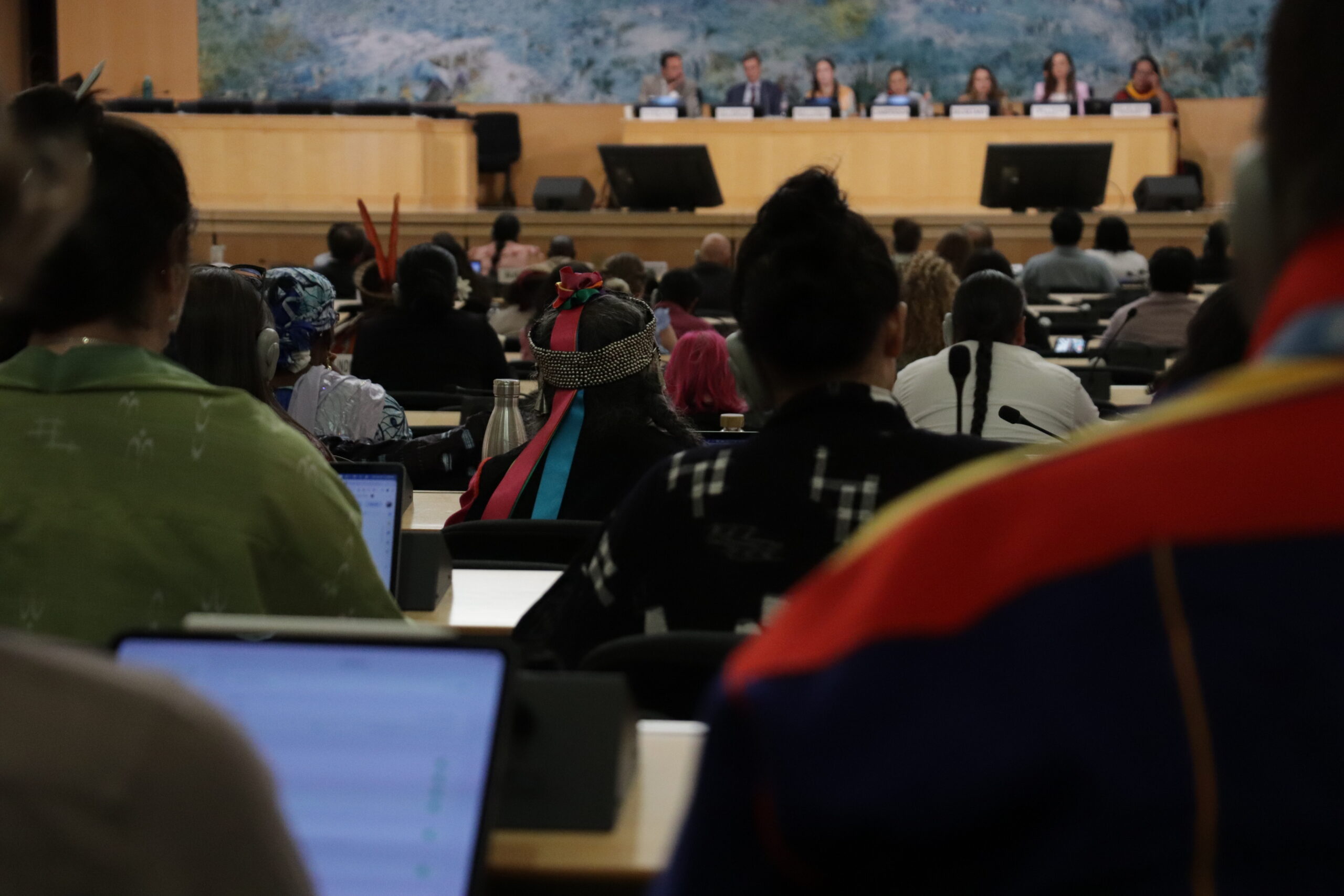
Indigenous leaders give the UN a roadmap for protecting their peoples
Amidst prayers and vows of solidarity, UN Expert Mechanism on the Rights of Indigenous Peoples ends annual meetings with demands for ‘action we’re not seeing globally’
-
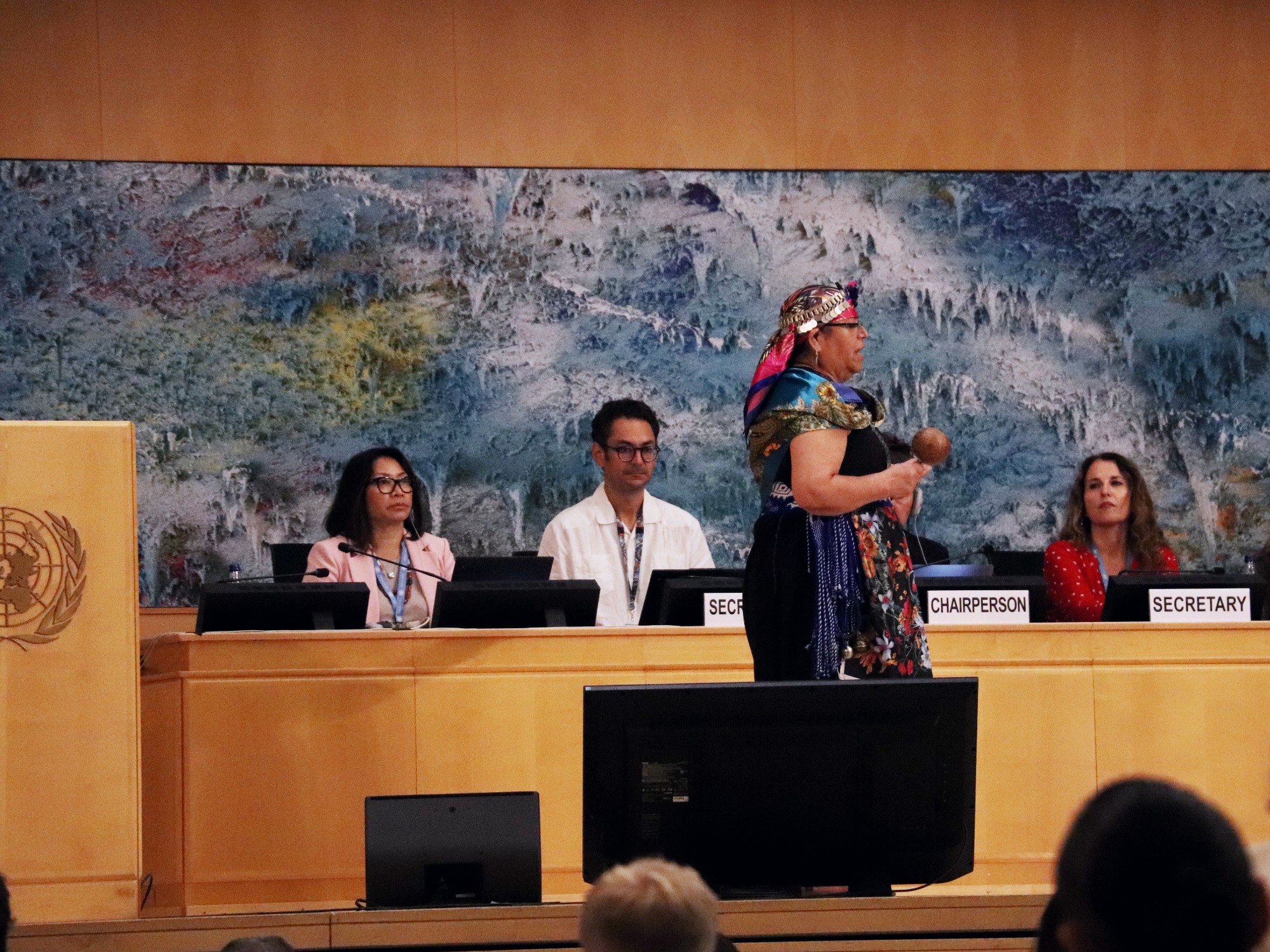
Indigenous people demand more say at the UN, as new crises hit their homelands
Indigenous nations live ‘on the frontlines’ of climate, conflict and new tech. But their voices remain sidelined in the global halls of power.