Indigenous high school students learn about science in free online summer program
Deadline to apply to UBC’s Virtual Indigenous Science Experience program is June 10
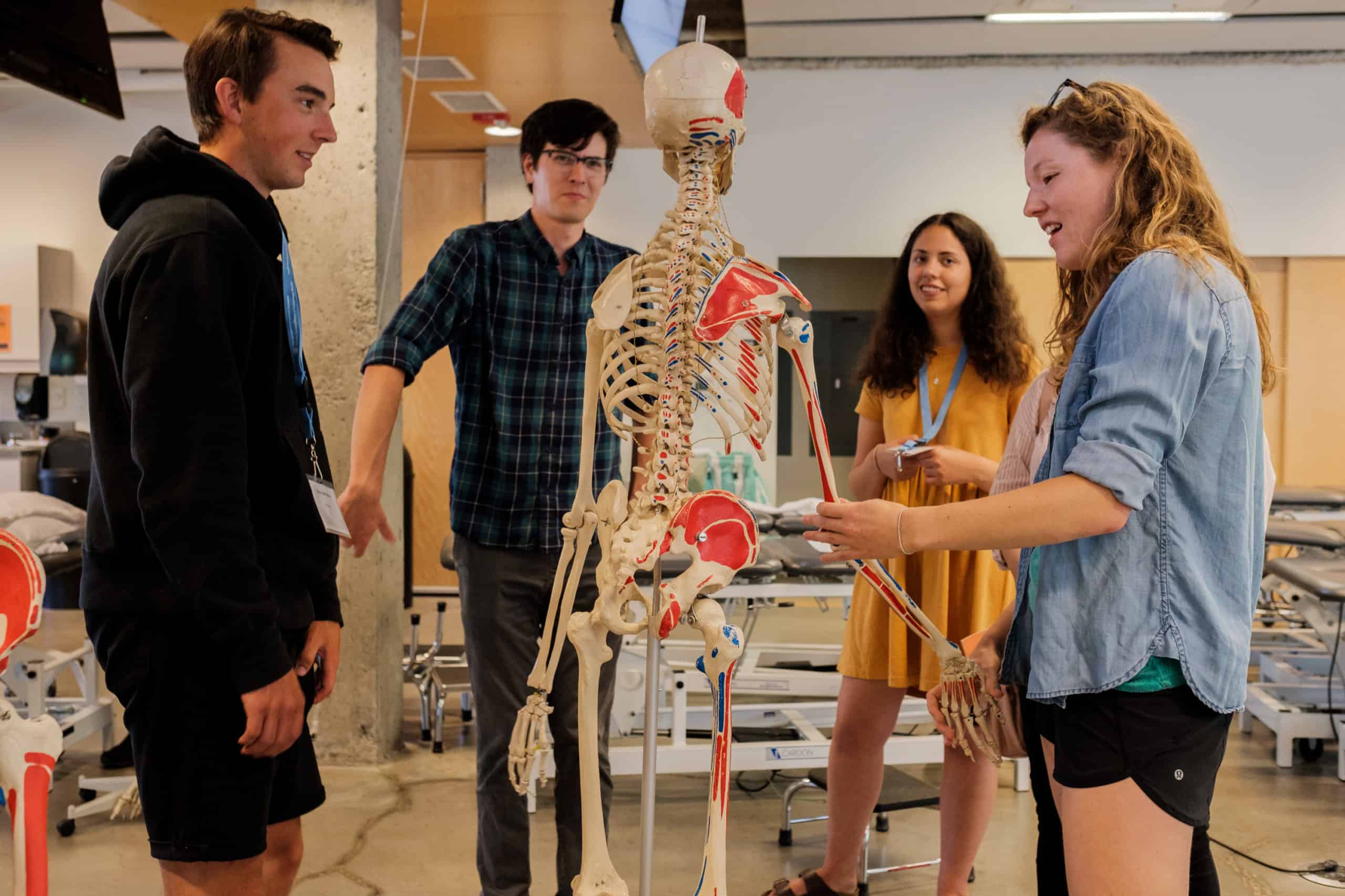
A virtual summer program at the University of British Columbia (UBC) aims to inspire Indigenous high school students who are interested in learning about science.
The Virtual Indigenous Science Experience (VISE) is a free summer program designed for students who will be starting grades 9-12 in the fall.
VISE is run via UBC’s Centre for Excellence in Indigenous Health (CEIH) and this year it will take place July 19-23. The program is Indigenous-led, with a majority of the VISE team members self-identifying as Indigenous.
Program manager Kerri Jesson says the purpose of the program is to give Indigenous students the opportunity to experience what university will be like — while exploring science-related careers.
‘We want students to feel prepared’
Through the VISE program, Indigenous students can learn from Indigenous role models about what it means to work as a Pharmacist, Nurse or medical practitioner.
“We hope these workshops can help students get a feel for what that career might actually look like, as well what the education might look like,” says Jesson.
“I know for myself, and for many people that I know that come to campus for the first time as an Indigenous student, it can be an incredibly isolating experience to come from a community — especially those that come from the north where you know everyone that lives in the community — and then you walk up to UBC Vancouver, and there’s like 20,000 people in a one-kilometer square radius,” says Cole Daley, Learning Circle Manager, at the Centre for Excellence in Indigenous Health.
“We hope this program makes the experience a little bit less intimidating,” he says, adding that they “want students to leave feeling like there is an indigenous community at the UBC campus.”
Students will also have the opportunity to connect with Elders and Indigenous role models, she says.
“We make sure that the workshop facilitators are Indigenous role models themselves. That’s something that we’re super proud of.”
Since 1988, the CEIH has run an in-person Summer Science Program, but it adapted to an online format in 2020 during the COVID-19 pandemic.
Jesson says the VISE team has been working to create a more interactive fun space for their students and less “staring at a screen.”
“[Last year] we found it really challenging to try to kind of bring that [in person] experience, that holistic sort of supportive experience into an online space,” Daley says.
This year, students will be mailed a package with all of the materials needed to participate to make it as interactive as possible. For example, for a psychology workshop on brains, students will be sent “many, many brains,” says Jesson.
What students can look forward to
Though the program is short, students will have the opportunity to explore a range of science topics, according to Jesson, such as:
Medicine: Youth will learn about the medical field, the UBC Medicine admissions process, and will be given a case study to analyze in Zoom breakout rooms.
Pharmacy: Youth will learn about a career in pharmacy, and will be led through three interactive workshops that cover: over-the-counter (OTC) (e.g. what questions would you need to ask the patient?), respiratory conditions, and compounding.
Engineering: Youth will make a model bridge, while learning about how engineers build and design structures.
Physics: Youth will learn about circuits and build a tri-coloured flashlight.
Neuroscience: Youth will learn about action potentials and neurotransmitters, and will explore various parts of the brain.
Computer Science: Youth will learn 3D modelling software Jesson says the deadline to apply, originally listed as May 31, has been extended to June 10. The program is open to Indigenous students from across North America, and Jesson says “the application is quite lengthy.”
Anyone with questions is encouraged to reach out via email at summer.science@ubc.ca.
Author
We live in a media ecosystem that thrives on misinformation. Big Tech and AI companies are consuming the work of real human beings and Canadian news has been banned on Facebook and Instagram.
And yet, I have hope for journalism because of the work we’re doing at IndigiNews.
At IndigiNews, we embody tâpwêwin — the Cree value of integrity and responsibility in truth-telling. We are committed to our independent, Indigenous-led newsroom rooted in community, accountability, and relationality. We believe storytelling is a sacred fire that connects our pasts, presents, and futures through the storytellers in our Storytelling Lodge. IndigiNews creates space for Indigenous journalists, storytellers, Knowledge Keepers, and communities to gather, learn, and share stories that matter.
As a registered charity, we are building a fire that allows our work not just to ignite but to thrive. Rather than relying on advertising or corporate acquisition, IndigiNews is sustained by people like you who believe Indigenous stories are important for the future of our communities.
Your support is making a real difference.
Our community of supporters, our Firekeepers, make it possible to grow our newsroom, publish award-winning journalism, train emerging Indigenous journalists through initiatives like the ReFocus Photojournalism Fellowship, and publish trustworthy stories that serve our communities across the country. Every story we publish helps fill in gaps left by mainstream media and ensures Indigenous perspectives are represented with care, accuracy and respect.
But there is still more work to do.
As the media landscape becomes more and more uncertain, community support is as necessary and essential as it’s ever been. Every new Firekeeper helps protect the independence of our newsroom and strengthens journalism that is accountable to our many and varied communities over corporations.
That’s why we’re inviting you to become a Firekeeper.
Firekeepers tend to and protect the sacred fire. Your monthly contributions directly support IndigiNews’s Storytelling Lodge, helps sustain our independent, Indigenous-led newsroom, and ensures future generations of Indigenous storytellers have the resources they need to do the work.
As a registered Canadian charity, all eligible donations receive a charitable tax receipt.
If you believe Indigenous stories matter, if you value independent journalism, and if you want to help build a strong future for Indigenous media, we invite you to join our circle of Firekeepers today.
Together, we can keep the fire burning.
— Eden Fineday, Publisher, IndigiNews
Support us nowLatest Stories
-
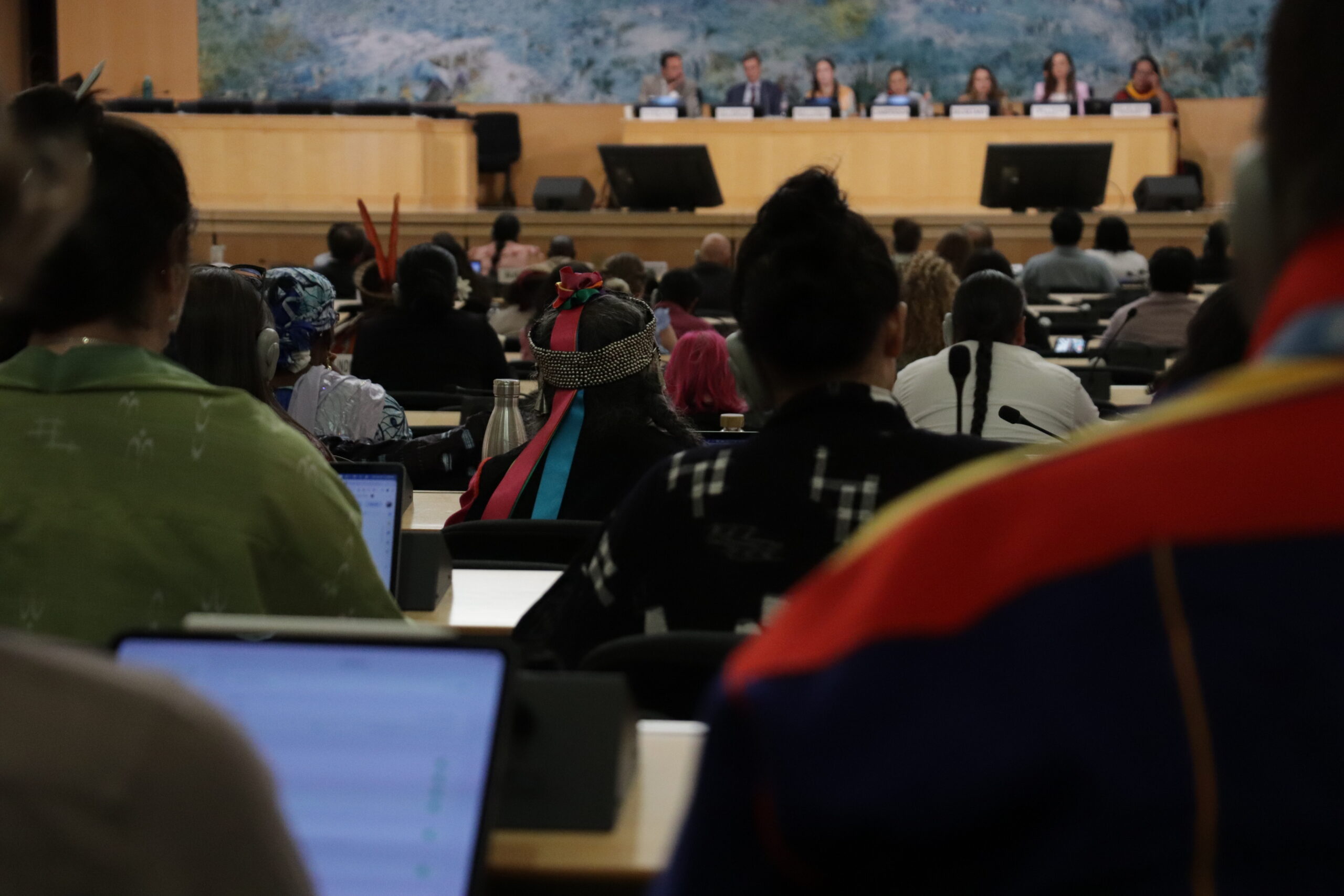
Indigenous leaders give the UN a roadmap for protecting their peoples
Amidst prayers and vows of solidarity, UN Expert Mechanism on the Rights of Indigenous Peoples ends annual meetings with demands for ‘action we’re not seeing globally’
-
Indigenous people demand more say at the UN, as new crises hit their homelands
Indigenous nations live ‘on the frontlines’ of climate, conflict and new tech. But their voices remain sidelined in the global halls of power.