New short film highlights skateparks as ‘cultural engines’ for Indigenous Youth
In ‘Paving the Way,’ skateboarding becomes a way for young people to make art, build friendships, and carry grief together
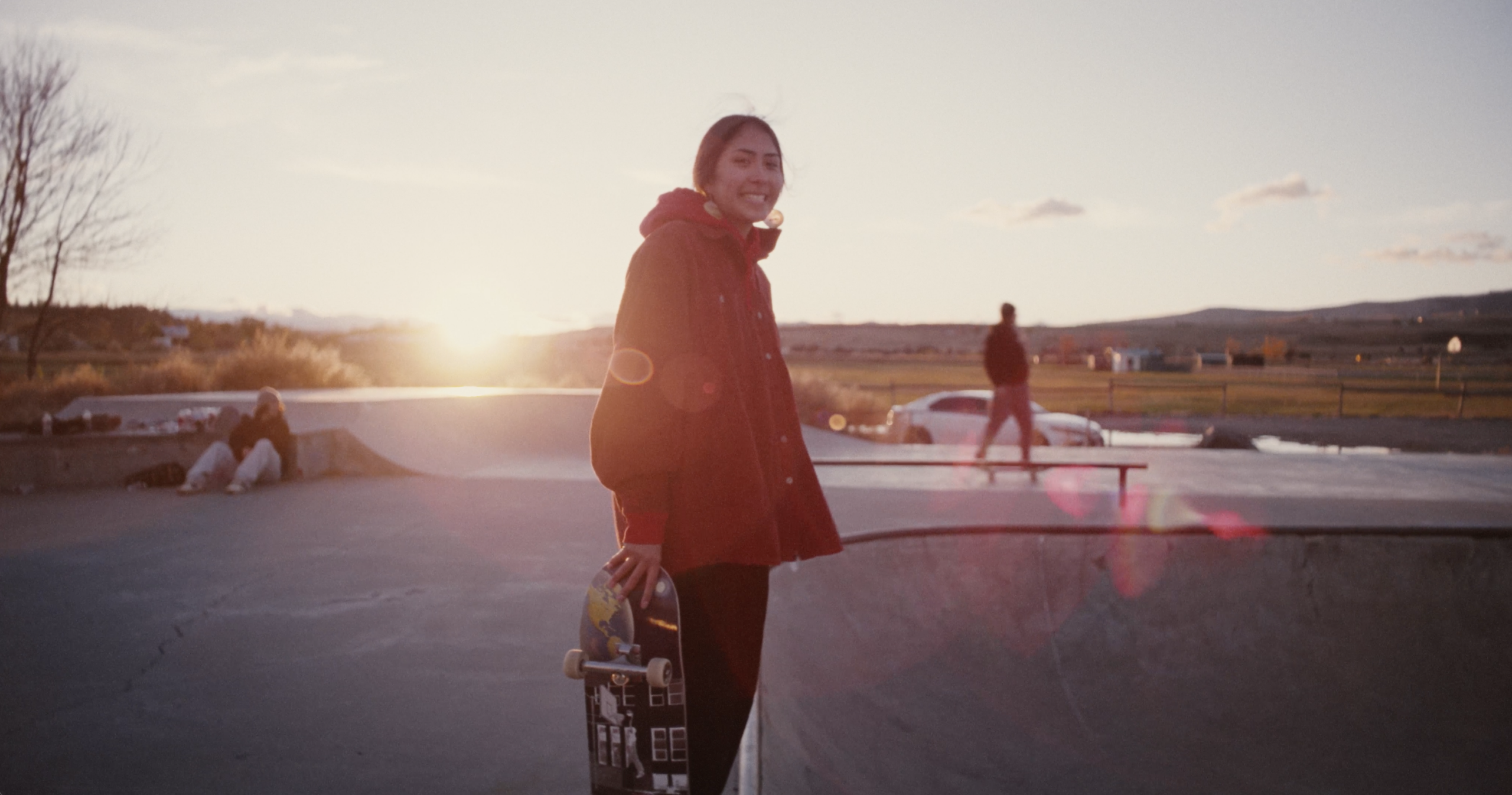
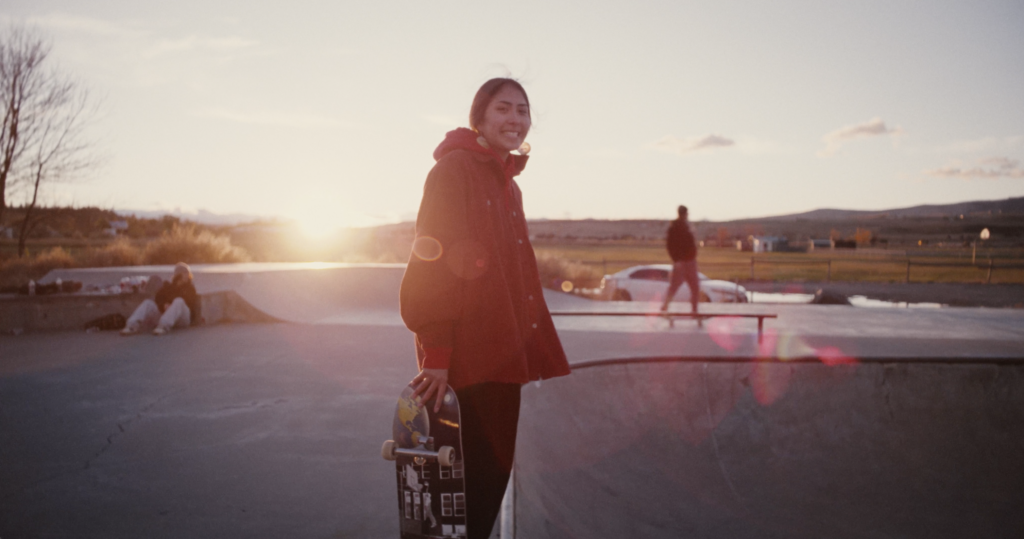
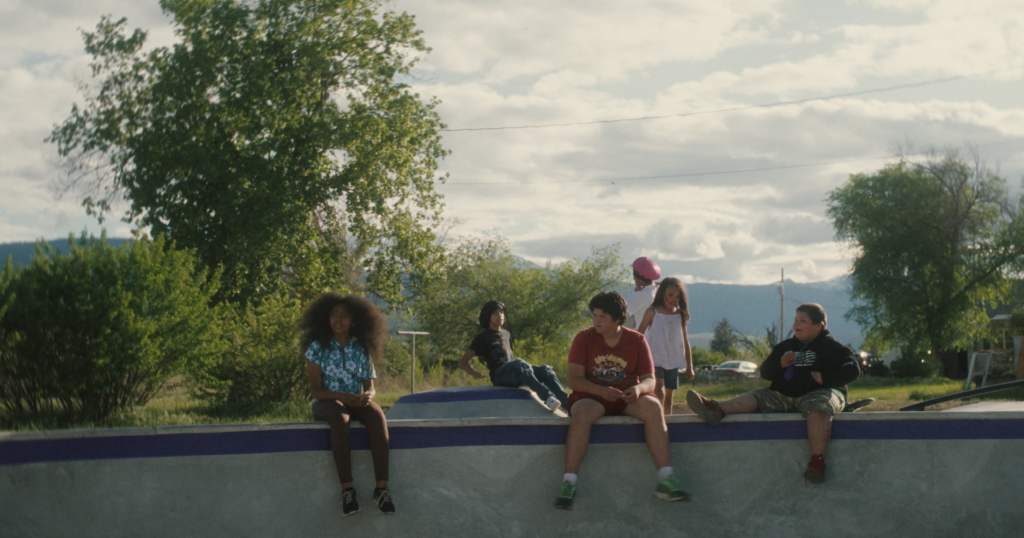
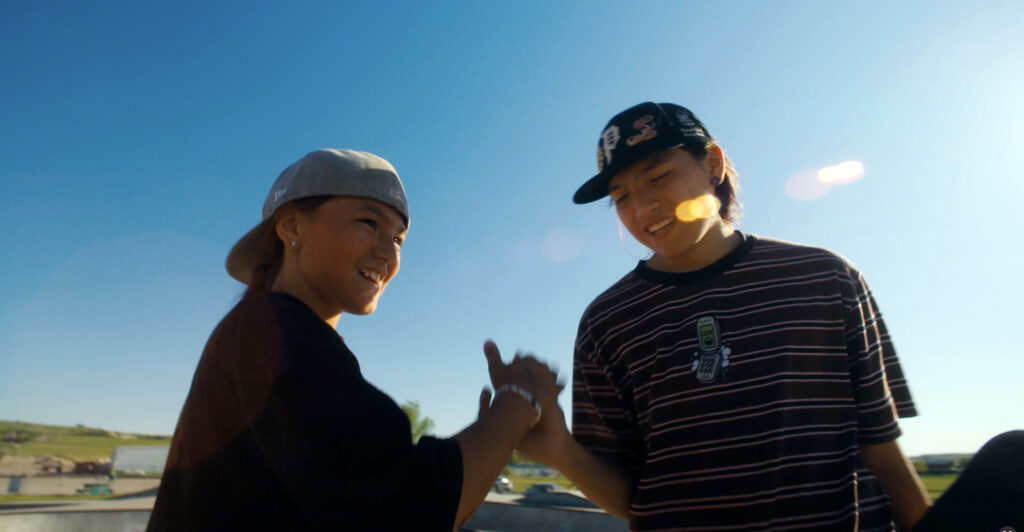
Under a wide sky, three children stand inside a concrete skateboard bowl clearing out rocks, leaves and other debris.
The skate park, someone observes, is in the middle of nowhere. But on a clear day, it’s full of life and movement.
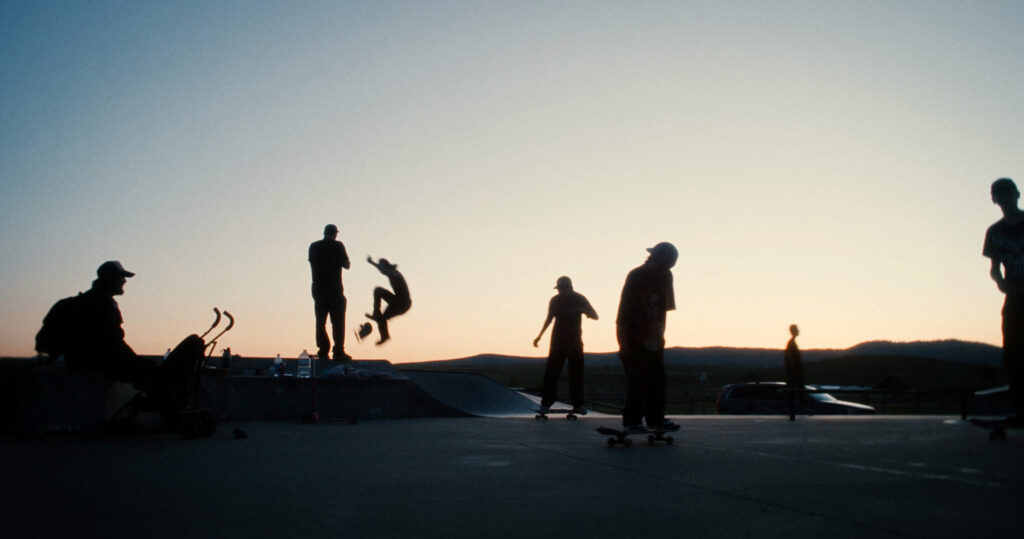
Youth sit on the flat deck along the bowl’s lip, or coping. Younger ones run between the skate park and a playground. As skaters drop in, they carve laps around the curved concrete transitions and circle back toward each other.
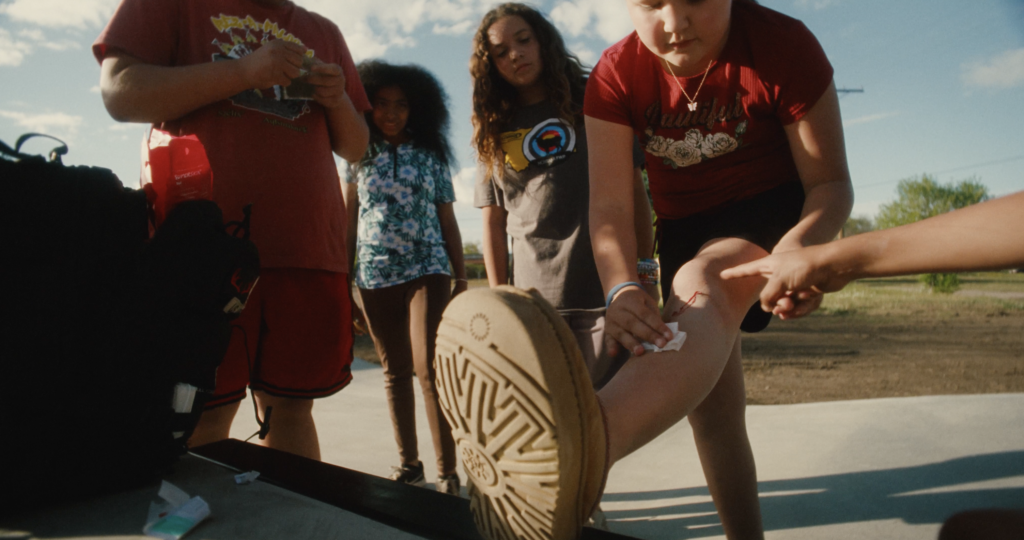
Suddenly, a young girl falls, cutting her knee.
The other children gather around a backpack. One boy pulls out first aid supplies, cleans her wound, and gives her a bandage.
The moment — captured in the new documentary Paving the Way — is brief and practical.
But for filmmaker Keelan Williams, it reveals something deeper about the skate parks at the centre of his short film about skateboarders on the Flathead Indian Reservation in “Montana.”
“There’s a lot of stereotypes about skaters and about what happens at skateparks,” Williams tells IndigiNews.
“What you realize when you go to them is that there’s grandmothers with their grandkids, and there’s single moms and single dads, and there’s whole families.”
That sense of community stayed with him.
“It was evidence of the kind of spirit that gets generated in these places,” he says.
Seeing a way in
The film, which recently screened at the Tribeca Film Festival in “New York City,” follows Youth whose lives are shaped by new skate parks built through Montana Pool Service (MPS), a non-profit founded by Pearl Jam bassist and songwriter Jeff Ament.
Located in western “Montana” just over 100 kilometres south of the “Canadian” border, the Flathead Indian Reservation is home to the Bitterroot Salish, Upper Pend d’Oreille and Kootenai.
Paving the Way highlights how skate parks have become places where Indigenous Youth gather, make art, build confidence, and take care of one another.
“The thing that I’m most grateful for is the trust that was given to our crew and to me,” Williams said, “to be able to have an opportunity to tell even a fraction of their story.”
Terrence Lozeau, from the Flathead Indian Reservation, spent years wishing he could skateboard before he finally stepped onto one. He recalled always being drawn to the sport — but he was struck by the impression it was “something Indigenous people didn’t do.”
“All my life,” he said, “I yearned for a sport that I loved and I was good at.”
When he finally went to the skate park, something clicked.
On his first day, he was already trying drop-ins on his own. After that, he just kept showing up and practicing.
“I just kept going every day,” he recounted, “and I was consistent with it.”
Watching fellow Flathead resident Alishon Kelly — a skater, artist and jingle dress dancer — deepened that sense of possibility. He later learned she was creating stickers and shirts featuring her art for Board of Missoula, a skateboard and snowboard shop.
“I saw Alishon, another Native kid, making something out of themselves through skateboarding and art,” he said, “and that really inspired me.”
Landscapes for Youth community
After breaking her foot, the film depicts Kelly coping with being sidelined from both powwow season and skateboarding, So she turns to what she can create with her hands.
In one Paving the Way scene, she makes beadwork with long black nails. In another, she shows her art projects from the summer on her phone, including moccasins, a dress, a belt, hair ties and a headband.
For Williams, details like these are part of the point of Paving the Way. He closely documents the young skaters not only at the skatepark, but also in their homes, with their families, in their art, and in the pauses between skating sessions.
“The point of this film is really about the kids and about the impact of the work,” Williams said, “not necessarily the work itself.”
Paving the Way opens with a shot of “Montana’s” rugged landscape, as a voice-over features an Elder offering a blessing for a newly opened skate park.
For Williams, filming on the Flathead Reservation made it impossible to ignore the connection between the skaters and their landscape.
“That connection to the land, I think, is so important,” he explained. “And I wanted to be sure that we captured the essence of the landscape in the film.
“It’s about the people that inhabit these places, but I think it’s kind of impossible to separate the power of this particular story in this particular place, and the landscape.”
Williams attended skatepark openings across the state. Seeing the tangible joy they brought to multiple communities helped him understand why the film needed to focus on the Youth who rely on those spaces for fun and friendship.
“That kind of community was just so striking to me,” Williams said. “And the kind of energy that was taking place at these places was remarkable.”
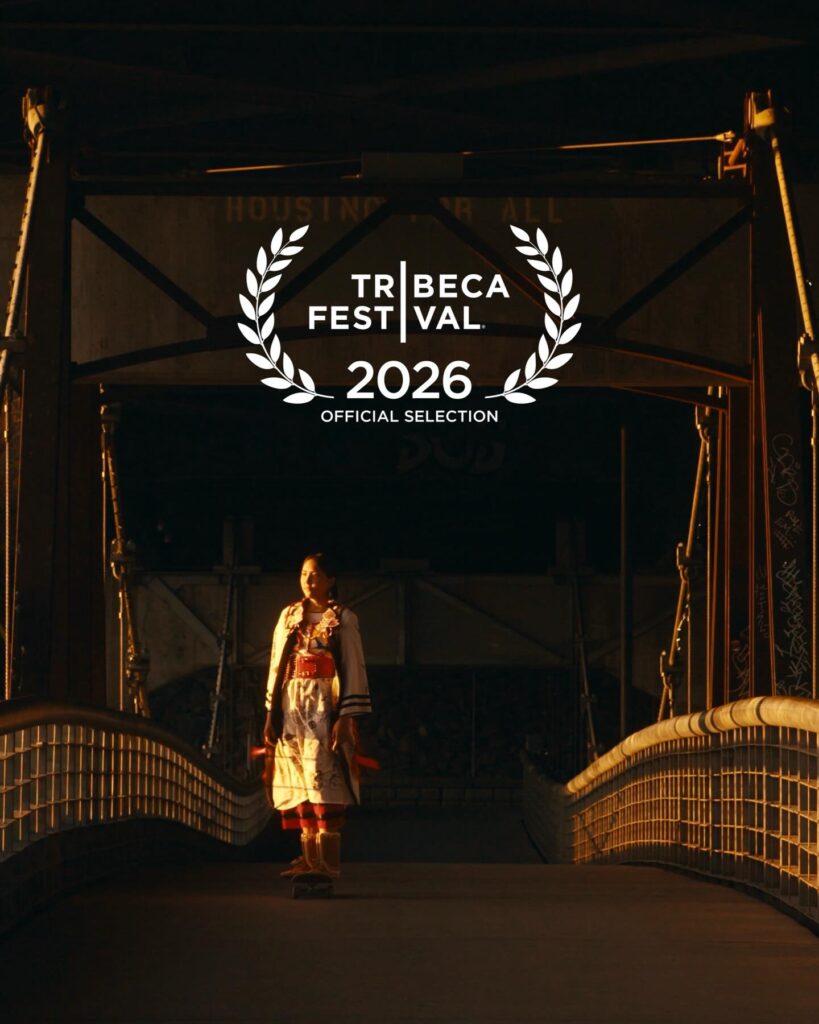
On Paving the Way‘s poster, skateboarder Alishon Kelly, from Flathead Indian Reservation, skates in her jingle dress. Photo courtesy Chris Naum
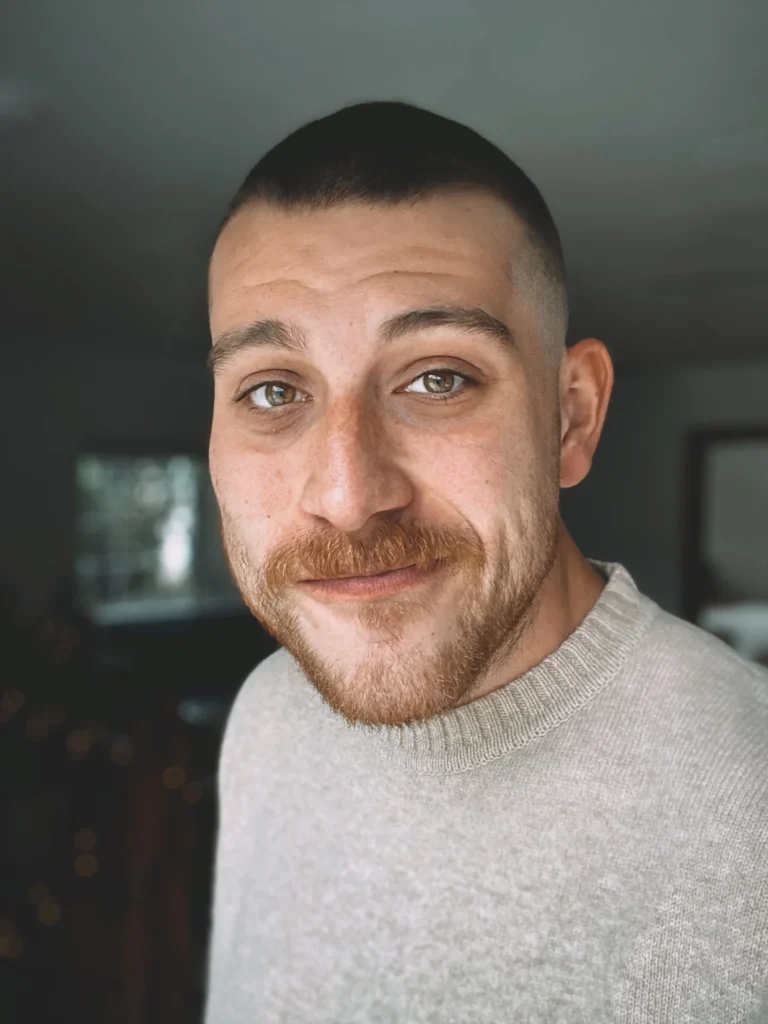
Building places to return to
Long before Jeff Ament became Pearl Jam’s bassist, he was searching for places to skate as a kid growing up in small-town “Big Sandy, Montana,” about 300 kilometres west of Flathead.
Ament built his first skateboard ramp in his hometown in 1976, according to the Montana Skatepark Association.
In the decades since founding Montana Pool Service, he has helped fund more than 40 skate parks in rural and Indigenous communities across the region.
He recalled riding his first concrete skate park at age 14, he recounted in a 2020 interview with Juice Magazine, hoping Youth on the High Plains could experience that same sense of freedom and joy.
In Paving the Way, his efforts are shown through new skate parks on the Flathead Reservation, including parks in the communities of Arlee, Ronan, Pablo, Sčilíp and Elmo.
Ament also contributed music to the documentary with sound producer Josh Evans, a longtime Pearl Jam collaborator.
The film highlights the many Indigenous partners who helped bring the 21-minute documentary to life — including its producers, sound mixers, and tribal council members.
For Williams, the parks show what can happen when young people from different communities are given a place to gather.
“They’re going to meet each other, and they’re going to become friends,” he said.
“And then you’re connecting kids — in this remarkable way through the arts — who may never have met each other before. I think that’s a beautiful and vital thing.”
The documentary took six months to film, followed by many more months of editing. Williams said he put care into showing the skaters beyond just the technical tricks they could land.
“We really wanted to give a larger snapshot of what these kids’ lives were like,” he said.
“Skateparks, we found, are cultural engines.”
Skateboarding itself has changed over generations, from wheels evolving from clay to urethane, reshaped how skaters could move, and from urban street settings to homemade wooden ramps, and ultimately to concrete parks professionally designed with bowls, rails, lines, and street-style skating.
As Williams learned, the materials and designs used in skateboarding may have changed across generations — but the deeper need has stayed the same.
“What hasn’t changed,” Williams said, “is how much these kids need a space to express themselves.”
Making space for others
Skateboarding has changed Lozeau’s life beyond the park. He said it’s made him more outgoing, brought him outside more often, helped him make friends, and inspired him to help make the skateboarding scene accessible to more people.
In 2023, when he was 17, Lozeau started a petition calling for a skatepark in Ronan.
Sharing his own experiences, he wrote about the importance of accessible spaces and recreational activities for Youth.
His petition gathered more than 1,000 signatures.
It “seemed like overnight, everybody just started supporting it,” he said. “I was so hyped about it.”
“I didn’t even think that I could do something like that.”
Some of the support came from people Lozeau admired and had watched on screen, including some of the cast of Reservation Dogs, including D’Pharaoh Woon-A-Tai, Lil Mike & Funny Bone, and cast members of Jonah Hill’s film Mid90s, which to him was a full-circle moment.
His petition also helped connect him with Ament and MPS.
Lozeau is now sponsored by MPS, and skates in competitions across the country representing the organization, whichhe finds extremely fulfilling.
He also works with Ament’s organization on helping design new skateparks.
“I get to help design it and give input on the features that they’re adding,” he said.
By the end of this summer, each reservation in “Montana” will have at least one skatepark for its community to use, the film reveals.
A second home
Lozeau’s involvement in Paving the Way came after he was featured in a Montana PBS segment about his skateboarding. At the time, he was president of his high school skating club.
When Williams asked if he wanted to be part of the documentary, Lozeau quickly said yes.
“I was completely on board,” he said.
For him, filming was a very natural process, and Lozeau felt at ease having his skateboarding skills documented — but it was the documentary’s interviews he found more difficult.
“I won’t lie,” he said, “sometimes it got really hard.”
In an interview with IndigiNews, Lozeau spoke about his experiences of homelessness, depression, and losing his sister to suicide. When he talked about what helped him survive those challenges, one response kept repeating: skateboarding.
“It’s been a rough ride these past couple of years,” he said. “But at the same time, I wouldn’t have any other way.
“The skatepark is literally my second home … I would rather be at the skatepark than anywhere else.”
He knows that’s also the case for “so many other people, and the Youth especially.”
Lozeau also witnessed other young people find respite in skateparks.
While working at a homeless shelter in Pablo — where 46 per cent of children and Youth under 18 live in poverty, more than double the US average — he met Youth who went to the skate park because it gave them somewhere safe and supportive to hang out.
Speaking about his experiences is part of a responsibility he feels to support young people who may be carrying similar struggles.
“It’s hard to talk about, but it’s also easy to talk about when I know it’s helping other people who are going through the same thing,” he said.
“I like to be an advocate for people — for Youth mental health.”
Confederated Salish & Kootenai Tribes (CSKT) Tribal Health offers suicide prevention resources on the Flathead Indian Reservation.
The agency works with Youth, parents, guardians, and caseworkers so young people can access mental-health supports, prevention education, transportation, appointment reminders, check-ins, behavioural health resources, cultural activities, and after-school programs.
That is part of what Lozeau sees when he looks at a skatepark: more than ramps and concrete, but a place that is always there for people who need it, day after day, where Youth can show up without having to explain everything they are carrying.
“Skateboarding is one of the best outlets you can have for mental health,” Lozeau said.
“If you’re sad, go pick up a skateboard and start pushing.”
Skateboarding as art
Williams hopes his documentary leaves viewers with a sense of hope — hope for Indigenous Youth’s futures, and for the community connections and life-affirming spaces skateparks can be.
Skateboarding is more than a sport, but also an art, he reflected, and an outlet for young people’s energy, grief, imagination, and joy.
“Skateboarding is a remarkable mental-health intervention,” he mused.
He hopes people who watch Paving the Way understand what a skateboard can mean in a young person’s life, even for those who never step on a board themselves.
He compares it to other forms of movement recognized as art, saying each trick includes elements of style, creativity, repetition, and feeling.
“It’s about how much you can fall and get back up, how much you believe in yourself,” he said.
“Ice skating, that is an art — and I think skateboarding is an art too, because of how much soul and love go into what you’re doing.”
Landing a trick or finally sticking a landing can brighten the whole day, he said.

Skateboarding has also taken him beyond his home community. He spoke about a recent trip to “Los Angeles” for a competition, where he brought along some friends, one of whom had never been to a larger city.
Watching that friend experience the city and its energy brought Lozeau joy.
“Moments like that are what I want for my friends, for me and my community,” he said.
Lozeau hopes his film helps people understand why welcoming spaces for Youth matter.
“Even though you might not skate, that skateboard can save somebody’s life,” he said. “It can save a young child’s life.”
The Confederated Salish and Kootenai Tribes welcome people to visit the community’s skateparks; there’s a list of their locations on the MPS website.
Upcoming screenings of the documentary will be announced on Paving The Way’s Instagram account.
Author
We live in a media ecosystem that thrives on misinformation. Big Tech and AI companies are consuming the work of real human beings and Canadian news has been banned on Facebook and Instagram.
And yet, I have hope for journalism because of the work we’re doing at IndigiNews.
At IndigiNews, we embody tâpwêwin — the Cree value of integrity and responsibility in truth-telling. We are committed to our independent, Indigenous-led newsroom rooted in community, accountability, and relationality. We believe storytelling is a sacred fire that connects our pasts, presents, and futures through the storytellers in our Storytelling Lodge. IndigiNews creates space for Indigenous journalists, storytellers, Knowledge Keepers, and communities to gather, learn, and share stories that matter.
As a registered charity, we are building a fire that allows our work not just to ignite but to thrive. Rather than relying on advertising or corporate acquisition, IndigiNews is sustained by people like you who believe Indigenous stories are important for the future of our communities.
Your support is making a real difference.
Our community of supporters, our Firekeepers, make it possible to grow our newsroom, publish award-winning journalism, train emerging Indigenous journalists through initiatives like the ReFocus Photojournalism Fellowship, and publish trustworthy stories that serve our communities across the country. Every story we publish helps fill in gaps left by mainstream media and ensures Indigenous perspectives are represented with care, accuracy and respect.
But there is still more work to do.
As the media landscape becomes more and more uncertain, community support is as necessary and essential as it’s ever been. Every new Firekeeper helps protect the independence of our newsroom and strengthens journalism that is accountable to our many and varied communities over corporations.
That’s why we’re inviting you to become a Firekeeper.
Firekeepers tend to and protect the sacred fire. Your monthly contributions directly support IndigiNews’s Storytelling Lodge, helps sustain our independent, Indigenous-led newsroom, and ensures future generations of Indigenous storytellers have the resources they need to do the work.
As a registered Canadian charity, all eligible donations receive a charitable tax receipt.
If you believe Indigenous stories matter, if you value independent journalism, and if you want to help build a strong future for Indigenous media, we invite you to join our circle of Firekeepers today.
Together, we can keep the fire burning.
— Eden Fineday, Publisher, IndigiNews
Support us nowLatest Stories
-
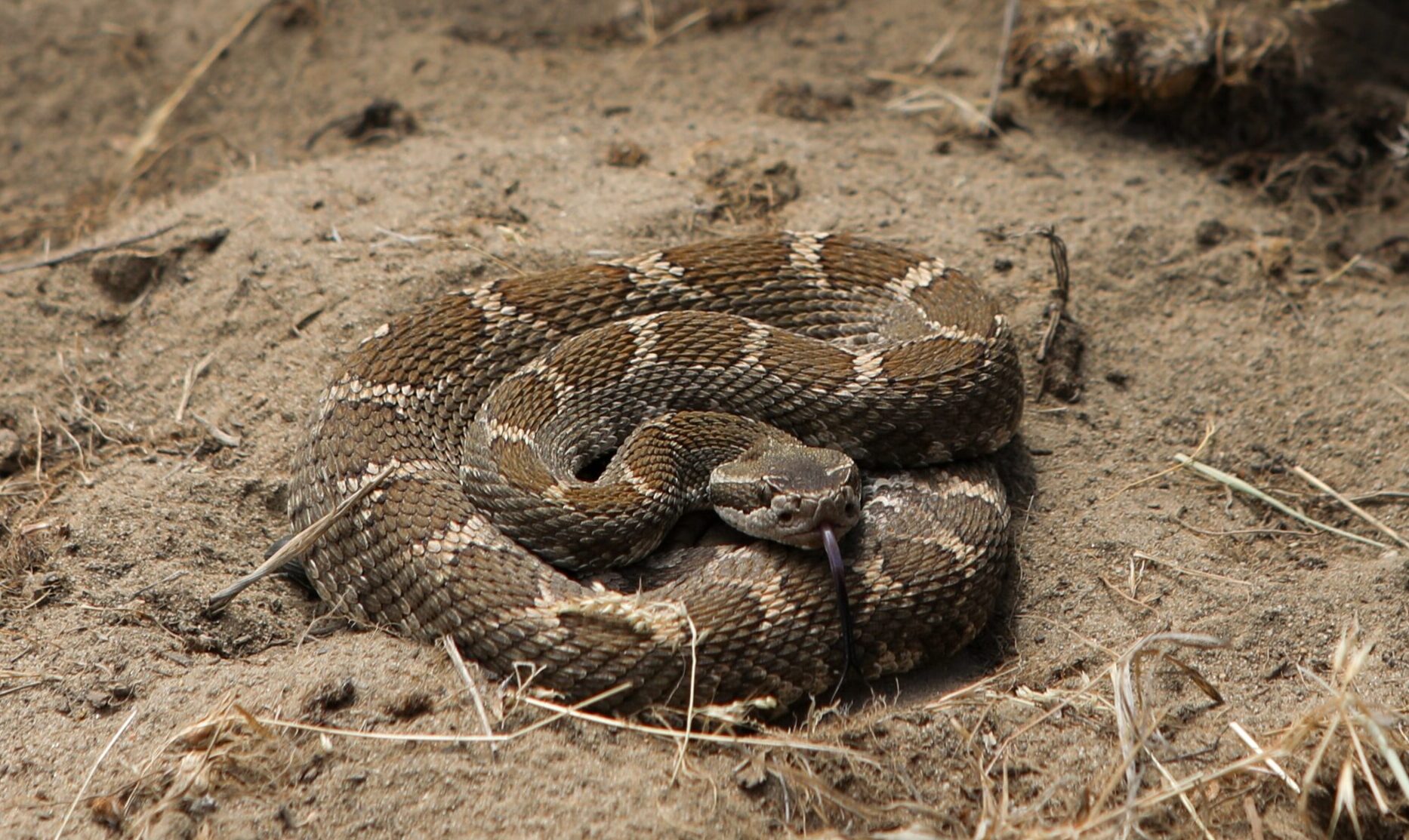
In the Okanagan desert, snakes offer lessons on protecting a fragile ecosystem
For two decades, researchers at the Nk’Mip Desert Cultural Centre have tracked snakes across syilx homelands — while helping people appreciate the often-feared creatures
-
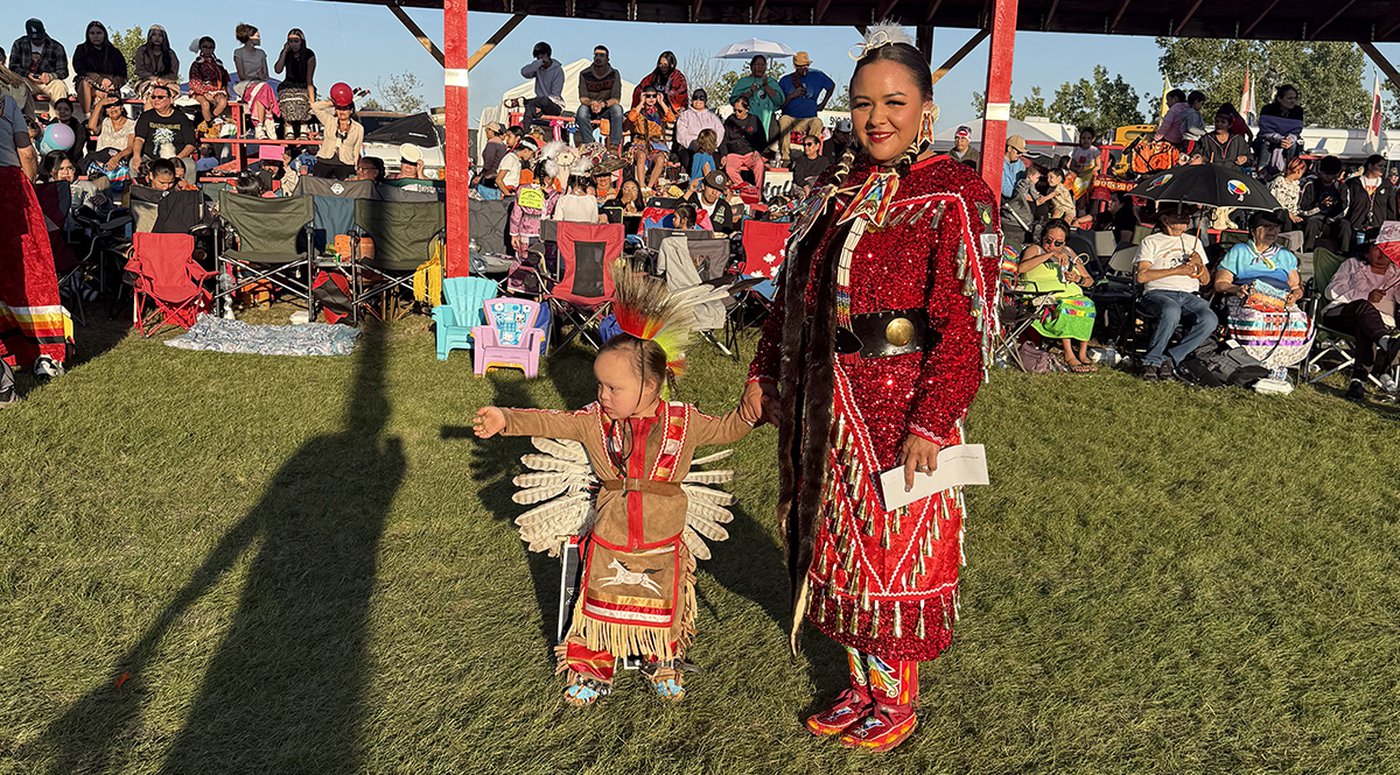
Beloved on the powwow circuit, young boy’s connection to the drum inspires
Now four, Waseskwan Redcrow was dancing ‘before he could even fully walk’ — his family says participating in powwows has brought them joy and belonging