First Nations Police build connections in Cowichan Tribal Schools
COVID-19 might have curbed the ability to connect but officers like Pamela Bolton are taking creative measures to reach youth in schools
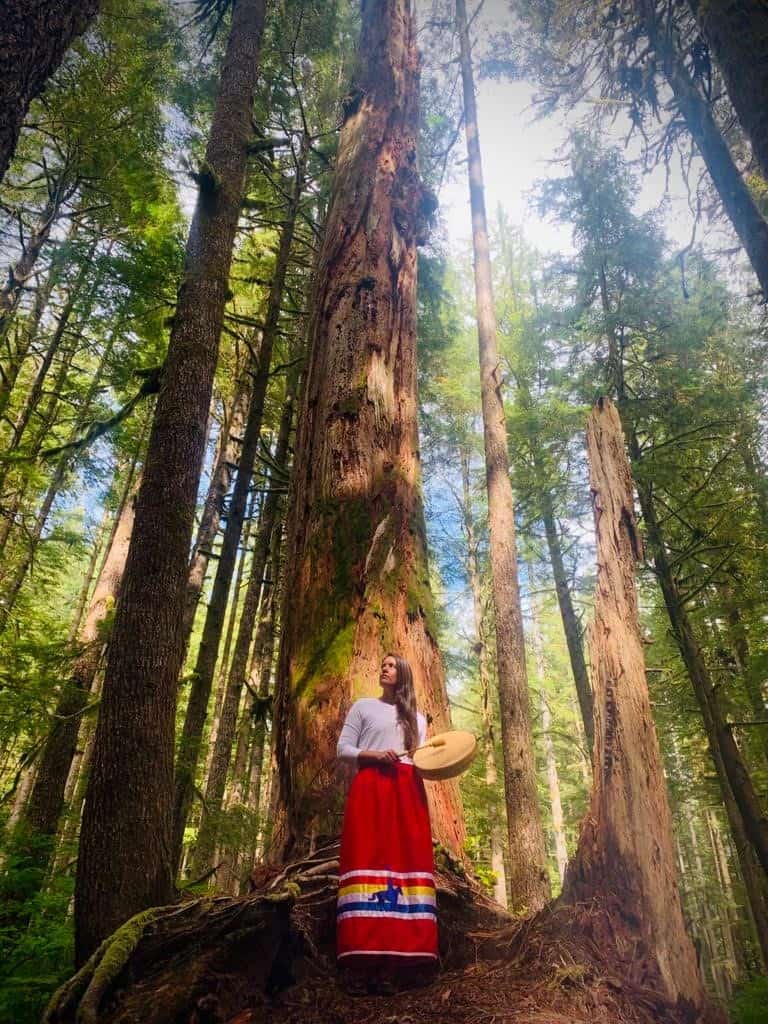
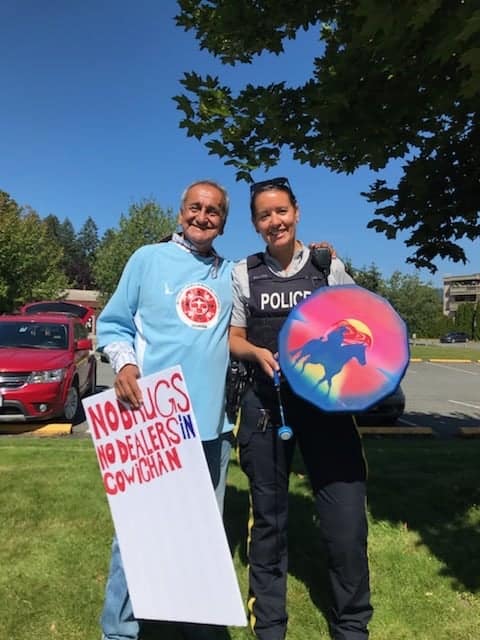
While there’s discrimination against Indigenous Peoples that Prime Minister Justin Trudeau admits exists within the Canadian police system, Cree constable Pamela Bolton believes First Nations police and programs are working to rebuild trust “one community at a time.”
RCMP and regional police have made Canadian news headlines over the past year, and weeks, for their treatment of Indigenous Peoples and cases involving Indigenous victims.
In June, 2020, a Tla-o-qui-aht woman, 26-year-old Chantel Moore was shot dead by an Edmundston, N.B., police officer responding to a wellness check. And at the end of February 2021, the Tla-o-qui-aht community was struck again with loss after an RCMP officer shot 28-year-old Julian Jones dead in his home in Opitsaht.
Both of these killings remain under investigation. Recently, documents obtained by the Globe and Mail reveal that RCMP destroyed police records from the night 22-year-old Cree man Colton Boushie was killed by Saskatchewan farmer Gerald Stanley.
While violence against Indigenous Peoples continues and systemic discrimination against Indigenous Peoples pursues, Indigenous policing units are helping repair broken trust, says Bolton, a Cree Constable from Big Stone Cree Nation in Northern Alberta.
“We cater to what our Nation and our community is wanting us to provide for them, every community has different concerns,” Bolton says.
Bolton has been working with the Indigenous Policing Services section in North Cowichan with the RCMP for over six years and policing for 14 years, she says.
She, alongside four other officers, serve the Cowichan Tribes, the largest First Nations population in B.C.
The Indigenous Policing Services program is an overarching program across B.C. that has agreements in place with specific First Nations in the province, where police officers are dedicated to their delegated community posts, Bolton explains.
Every year there is a set of expectations that change based on the demands and concerns of the community. She says the officers remain in service to the youth in the community, and the best way to do this is to go into the schools.
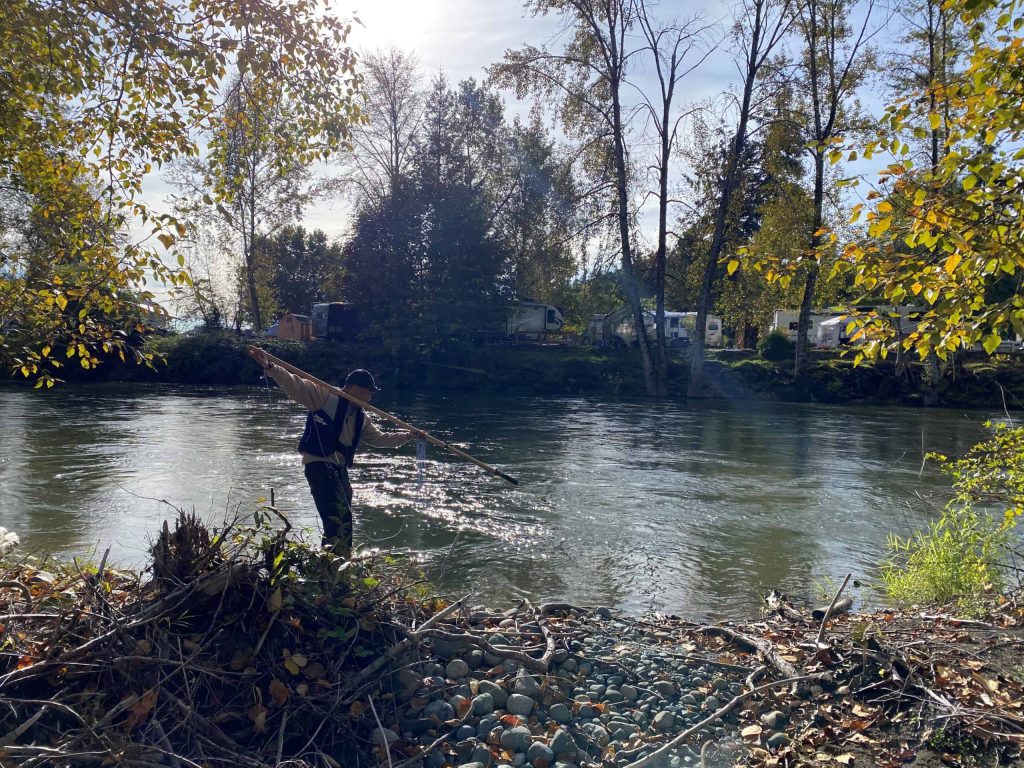
Bolton and her team do a variety of school presentations all year long such as DARE (Drug Abuse Resistance Education), WITS (Walk Away, Ignore, Talk it Out, or Seek help) an anti bullying program, talks on cyber bullying, social media responsibilities, and they also take time to learn traditional skills from the community, such as salmon spearing, explains Bolton.
Covid Curbs Community Connections
Bolton says First Nations police officers are interacting with community “daily, multiple times a day, but that the pandemic protocols have made it more difficult to implement the programming.
“We are pretty much in there daily, multiple times a day,” she says. But with all the COVID-19 protocols it is a bit more tricky to just drop in and do breakfast programs, or a gym class, or see the students out in the field and go kick around a soccer ball, says Bolton.
“Things have changed so much,” she adds. “A lot of people are more willing to speak about a lot of the big issues that our youth are faced with, whether it’s drugs or alcohol or mental health.”
She adds that it is important to build that connection with the youth to help guide them toward programs and services that can assist them.
“When we go into the schools, we’re going into their safe place,” she says.
“It’s such a benefit to be within the schools and so not being able to be in the school so much and keep those connections going has been really hard on the youth in the community.”
Speaking about COVID-19, Bolton points to the shelter-in-place restriction in Cowichan that spanned over two months, saying that the students haven’t been back to school since before the New Year. For many, not being physically connected with their teachers or peers has been difficult. However, technology can help somewhat to keep that connection going.
Zoom visits were ramped up in the first half of the pandemic, with things like bike safety presentations. There was a time when Bolton herself read a book over Zoom and sent it to a school for reading week. At one point she even taught a ballet class, having been in ballet since the age of three.
Zoom classes are about getting creative, Bolton says.
“We have to get creative and try to still have those connections within the community with these youth while still adhering to the public health orders,” she says.
Building on those connections creates a pathway to allow for communication and trust so when something happens in the community says Bolton, they will trust to call for help if need be.
Cyber bullying remains a concern
When it comes to internet safety, Bolton says she can’t speak on how much cyber bullying might have increased since COVID-19, but she says it’s a constant concern. Cyber bullying doesn’t always reach police radar until it’s reached the point of criminal harassment, Bolton says.
“I’m sure there’s a lot more going on than what is reported to the police,” she says.
There’s no specific program that the police do on cyber bullying, but a few weeks ago, Bolton and her partner visited Quamichan Middle school and did a presentation to educate the students and encourage them to take responsibility over their own social media accounts.
“We can’t teach you about social media or about internet safety… it’s more of a ‘listen these are some resources that you can use. If you are seeing bullying…this is how you report something, these are the steps you can take.’ So it’s kind of putting it back onto them to encourage them and give them the tools to stop something if they see it happening,” Bolton explains.
When asked about what she loves most about her job, Bolton says it’s working with the students in schools.
“I absolutely love the connections,” she says. “I love building those relationships. Having those connections with the youth, with the parents, with the teachers, the community, the workers.”
Author
We live in a media ecosystem that thrives on misinformation. Big Tech and AI companies are consuming the work of real human beings and Canadian news has been banned on Facebook and Instagram.
And yet, I have hope for journalism because of the work we’re doing at IndigiNews.
At IndigiNews, we embody tâpwêwin — the Cree value of integrity and responsibility in truth-telling. We are committed to our independent, Indigenous-led newsroom rooted in community, accountability, and relationality. We believe storytelling is a sacred fire that connects our pasts, presents, and futures through the storytellers in our Storytelling Lodge. IndigiNews creates space for Indigenous journalists, storytellers, Knowledge Keepers, and communities to gather, learn, and share stories that matter.
As a registered charity, we are building a fire that allows our work not just to ignite but to thrive. Rather than relying on advertising or corporate acquisition, IndigiNews is sustained by people like you who believe Indigenous stories are important for the future of our communities.
Your support is making a real difference.
Our community of supporters, our Firekeepers, make it possible to grow our newsroom, publish award-winning journalism, train emerging Indigenous journalists through initiatives like the ReFocus Photojournalism Fellowship, and publish trustworthy stories that serve our communities across the country. Every story we publish helps fill in gaps left by mainstream media and ensures Indigenous perspectives are represented with care, accuracy and respect.
But there is still more work to do.
As the media landscape becomes more and more uncertain, community support is as necessary and essential as it’s ever been. Every new Firekeeper helps protect the independence of our newsroom and strengthens journalism that is accountable to our many and varied communities over corporations.
That’s why we’re inviting you to become a Firekeeper.
Firekeepers tend to and protect the sacred fire. Your monthly contributions directly support IndigiNews’s Storytelling Lodge, helps sustain our independent, Indigenous-led newsroom, and ensures future generations of Indigenous storytellers have the resources they need to do the work.
As a registered Canadian charity, all eligible donations receive a charitable tax receipt.
If you believe Indigenous stories matter, if you value independent journalism, and if you want to help build a strong future for Indigenous media, we invite you to join our circle of Firekeepers today.
Together, we can keep the fire burning.
— Eden Fineday, Publisher, IndigiNews
Support us nowLatest Stories
-
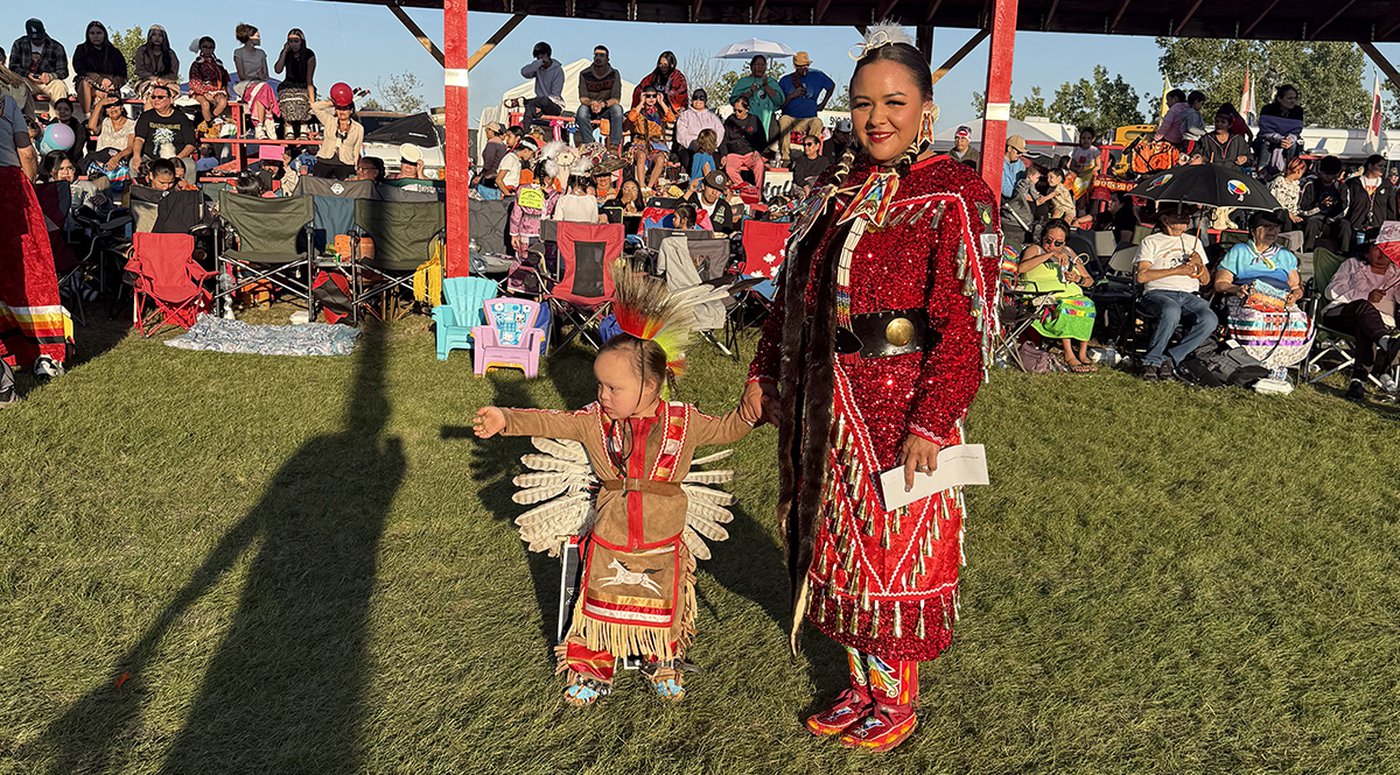
Beloved on the powwow circuit, young boy’s connection to the drum inspires
Now four, Waseskwan Redcrow was dancing ‘before he could even fully walk’ — his family says participating in powwows has brought them joy and belonging
-
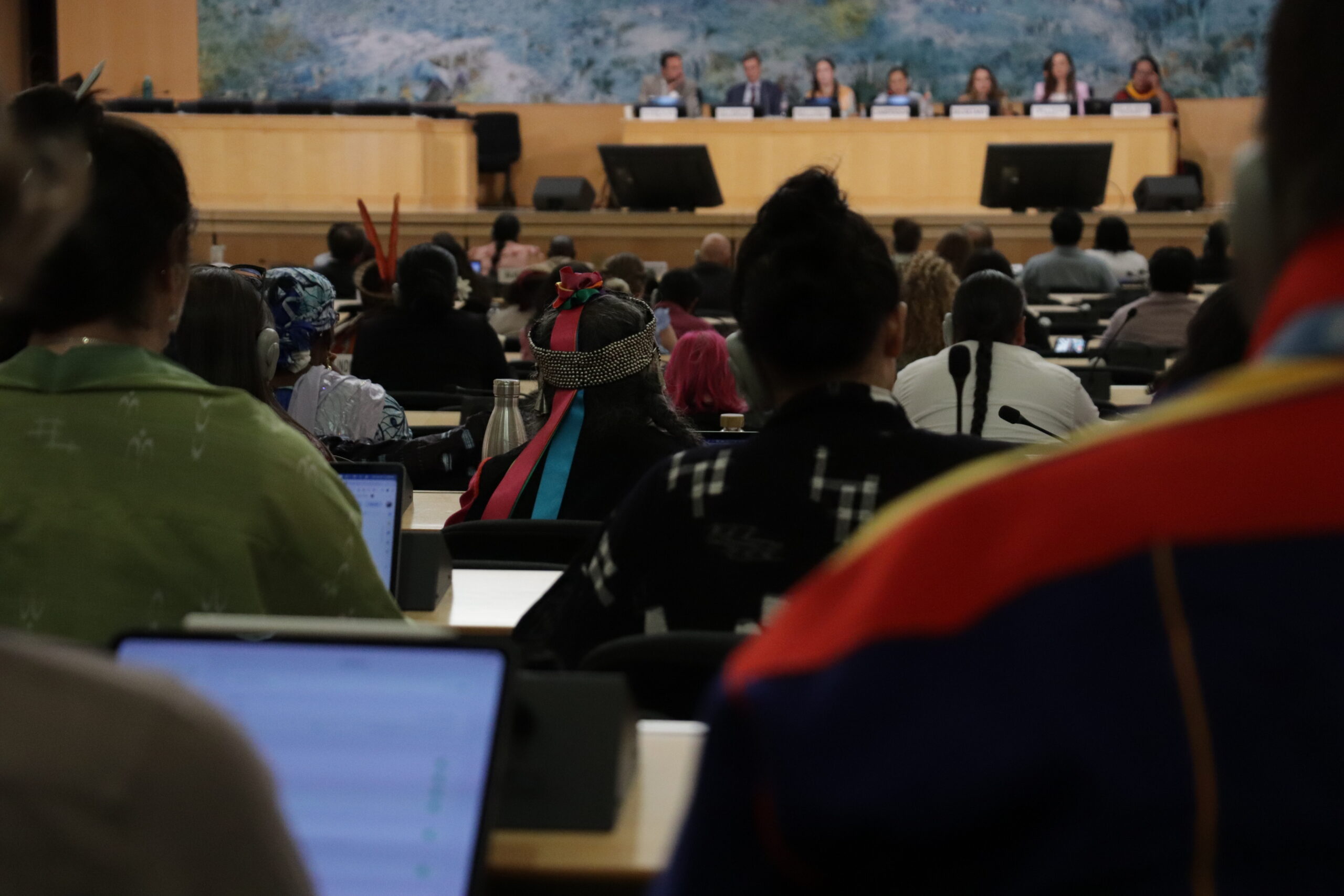
Indigenous leaders give the UN a roadmap for protecting their peoples
Amidst prayers and vows of solidarity, UN Expert Mechanism on the Rights of Indigenous Peoples ends annual meetings with demands for ‘action we’re not seeing globally’