FOR LOVE sheds light on foster care and ‘brilliance and the beauty’ of Indigenous Peoples, says producer Mary Teegee
The documentary screens tonight at the Port Theatre on Snuneymuxw territory in Nanaimo.
This article contains content about Canada’s so-called child-welfare system and the resulting disconnection from culture, land and community that some may have experienced, directly or indirectly. Take care of your spirit and read with care.
Lori Jack, a young person who’s lived through foster care, will help welcome people to a screening of FOR LOVE tonight at the Port Theatre on Snuneymuxw territory in Nanaimo, B.C.
Jack features in the documentary, which “shares stories of various Indigenous communities and families from across the country and the effects of colonization and the Canadian child welfare system on their familial and societal structures,” according to a statement provided by Kw’umut Lelum Child and Family Services, one of the partners behind the film.
“FOR LOVE makes links between the historic residential school system and Canada’s current system of care while also documenting the strength and resiliency of Indigenous communities, and the great love they have for their children,” reads the statement.
Jack says “a lot of people need to know” about Canada’s colonial history and what’s happening behind closed doors right now in the so-called child-welfare system.
“People don’t really look into foster kids. That’s why so many kids age out and they end up homeless, or some of them even go to juvie.
“The government has been hiding the truth about residential schools for as long as I can remember,” she says.
‘Culture is prevention,’ says FOR LOVE producer
The documentary was directed by Matt Smiley and produced by Carrier Sekani Family Services (CSFS) in Prince George — where Mary Teegee (Maaxswxw Gibuu) serves as executive director.
“Everything we do, it’s for the love of our children. And that’s where the title comes [from],” says Teegee.
She says the idea for the film surfaced after the Canadian Human Rights Tribunal (CHRT) found in 2016 that the federal government had been discriminating against First Nations children and underfunding on-reserve child and family services.
“One of the orders was that Canada had to now [fund] prevention at actual cost … Basically, at that time in British Columbia, none of the agencies had really received any prevention dollars,” says Teegee, who’s on the board for the First Nations Child & Family Caring Society, which brought the landmark case to the CHRT.
CSFS was “already doing prevention work” despite the lack of federal funding, and they’d been getting lots of requests from “across the country” to share best practices.
Teegee says a staffer at Indigenous Services Canada suggested they make a documentary, and she told them she’d only do it if she could hire Smiley — whom she’d worked with on the documentary Highway of Tears.
“We wrote [FOR LOVE] together … I produced it and Matt directed it, and we traveled across Canada making the film.
“It was really important that Canadians, actually the whole world, understood the reason why our children were going into care at a disproportionate rate compared to the rate of non-Indigenous children,” says Teegee, who’s a member of Takla Nation.
In B.C., due to the ongoing impacts of colonial policies and systemic racism, Indigenous kids represent just over two-thirds of all kids in care. Meanwhile, they make up about 10 per cent of the total population of kids under 14 in B.C.
“It was really important to me that we were not just telling why things happen to us, but we also show the brilliance and the beauty of who we are as Indigenous People.
“Regardless of all the atrocities that have occurred to us … we still have our culture, we can still celebrate who we are. That was a really important message for me to get to our youth, and to the families that have … had children go into care.”
Through stories shared in the film, they aim to show that “prevention has to include culture and culture is prevention,” she says. “You’ll see different cultural activities that are around us and our families [who] are participating in that.”
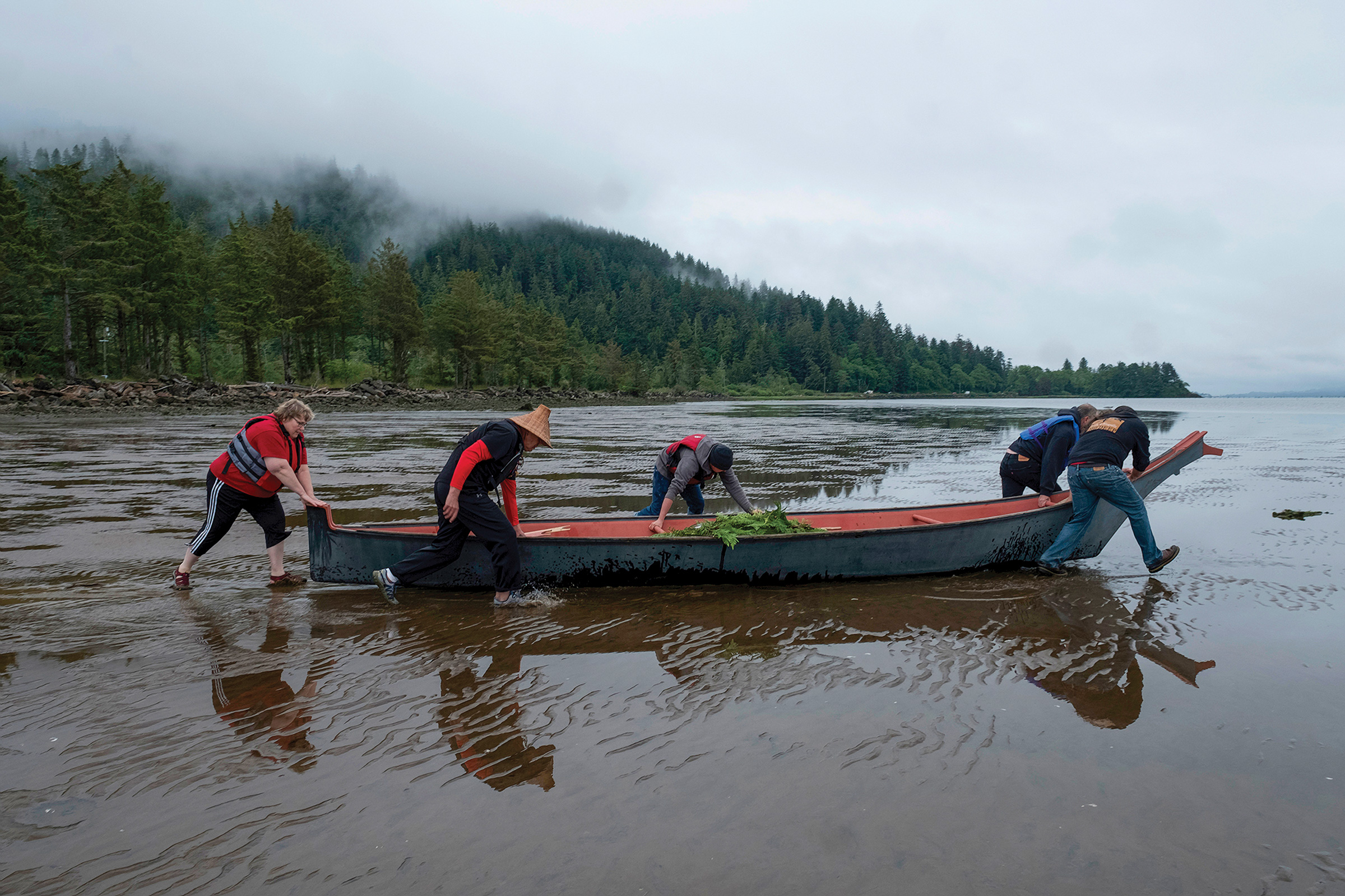
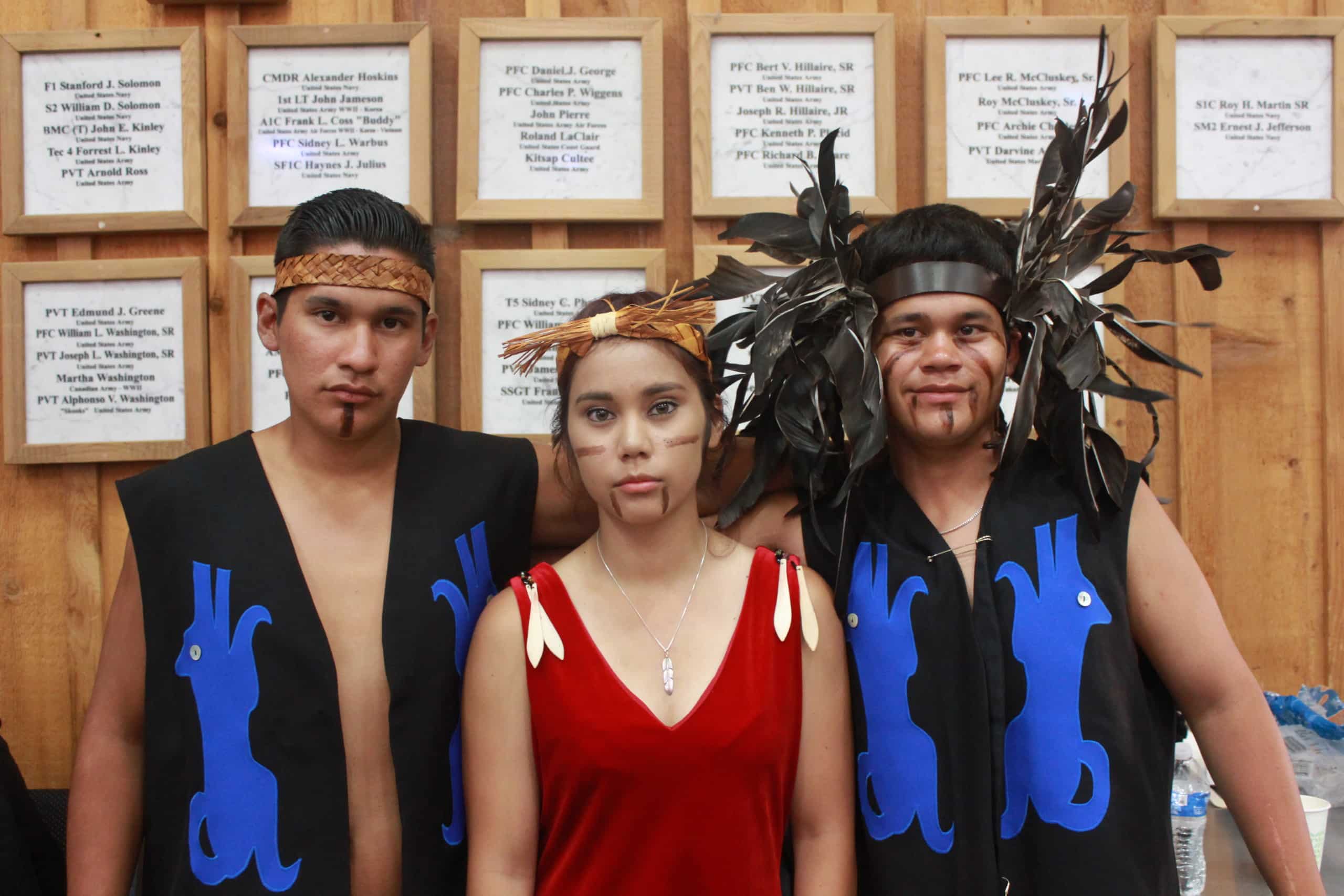
Tribal Journey, an annual canoe trip, is one of the cultural activities shown in the film.
“It’s probably something that I look forward to every year,” says Jack. Now 18, she says she’s been a member of the Kw’umut Lelum “Canoe Family” since she was eleven, and she now serves as a chaperone.

“Canoe Family is a canoe full of kids that grew up in foster care, and they attend every Tribal Journey.”
Teegee says the canoe journey made for “some of the most poignant” scenes in FOR LOVE.
Asked who she thinks most needs to see the film, Jack says, “Honestly, I’d say kids in foster care. It might trigger a lot of emotions, but I think it’s something that foster kids and a lot of government [workers] need to see.”
She hopes FOR LOVE “touches their heart and makes them think twice about how they treat people and to always move with kindness.”
For ticket information, call the Port Theatre (250-754-8550) or visit their website.
Author
We live in a media ecosystem that thrives on misinformation. Big Tech and AI companies are consuming the work of real human beings and Canadian news has been banned on Facebook and Instagram.
And yet, I have hope for journalism because of the work we’re doing at IndigiNews.
At IndigiNews, we embody tâpwêwin — the Cree value of integrity and responsibility in truth-telling. We are committed to our independent, Indigenous-led newsroom rooted in community, accountability, and relationality. We believe storytelling is a sacred fire that connects our pasts, presents, and futures through the storytellers in our Storytelling Lodge. IndigiNews creates space for Indigenous journalists, storytellers, Knowledge Keepers, and communities to gather, learn, and share stories that matter.
As a registered charity, we are building a fire that allows our work not just to ignite but to thrive. Rather than relying on advertising or corporate acquisition, IndigiNews is sustained by people like you who believe Indigenous stories are important for the future of our communities.
Your support is making a real difference.
Our community of supporters, our Firekeepers, make it possible to grow our newsroom, publish award-winning journalism, train emerging Indigenous journalists through initiatives like the ReFocus Photojournalism Fellowship, and publish trustworthy stories that serve our communities across the country. Every story we publish helps fill in gaps left by mainstream media and ensures Indigenous perspectives are represented with care, accuracy and respect.
But there is still more work to do.
As the media landscape becomes more and more uncertain, community support is as necessary and essential as it’s ever been. Every new Firekeeper helps protect the independence of our newsroom and strengthens journalism that is accountable to our many and varied communities over corporations.
That’s why we’re inviting you to become a Firekeeper.
Firekeepers tend to and protect the sacred fire. Your monthly contributions directly support IndigiNews’s Storytelling Lodge, helps sustain our independent, Indigenous-led newsroom, and ensures future generations of Indigenous storytellers have the resources they need to do the work.
As a registered Canadian charity, all eligible donations receive a charitable tax receipt.
If you believe Indigenous stories matter, if you value independent journalism, and if you want to help build a strong future for Indigenous media, we invite you to join our circle of Firekeepers today.
Together, we can keep the fire burning.
— Eden Fineday, Publisher, IndigiNews
Support us nowLatest Stories
-
Indigenous leaders give the UN a roadmap for protecting their peoples
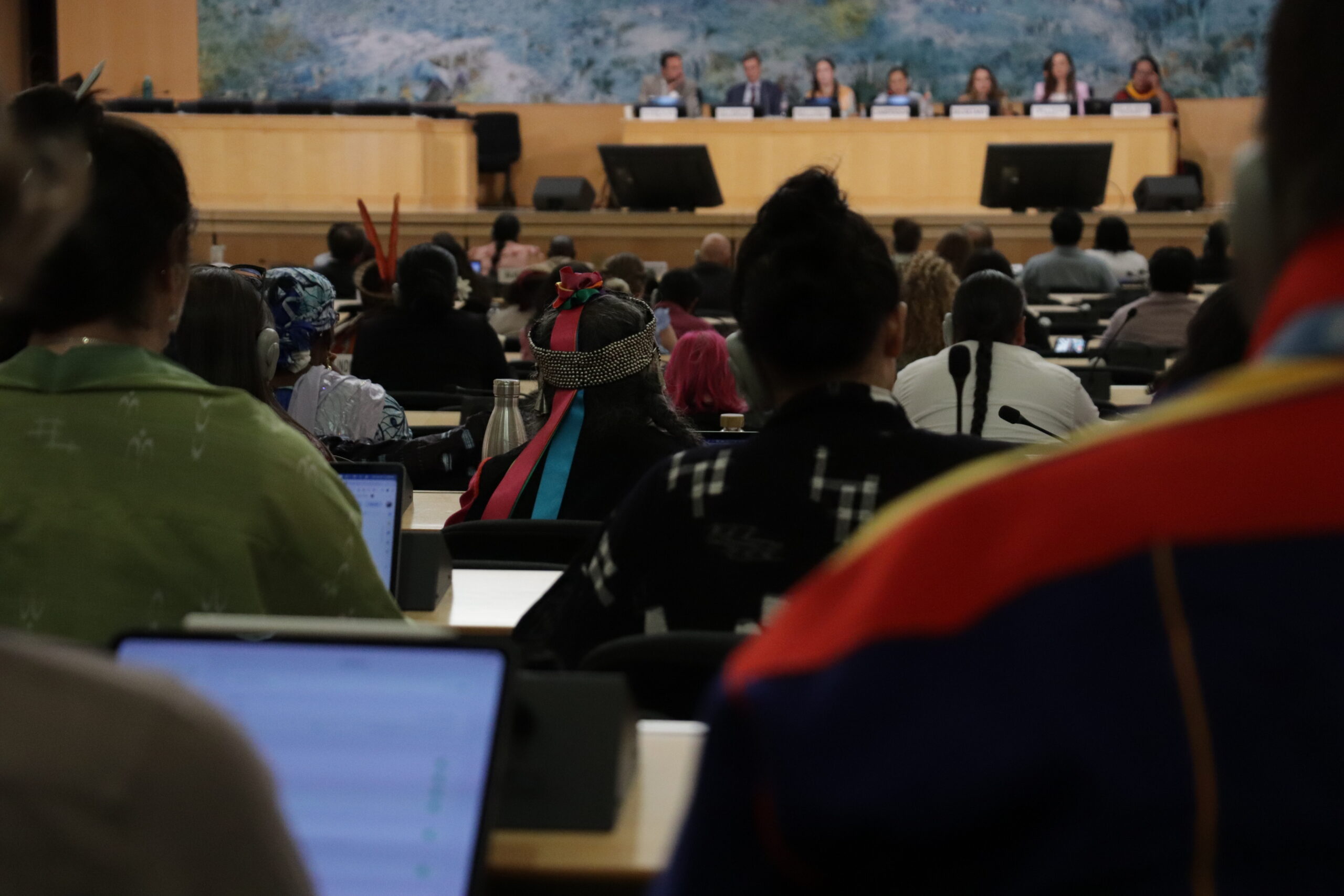
Amidst prayers and vows of solidarity, UN Expert Mechanism on the Rights of Indigenous Peoples ends annual meetings with demands for ‘action we’re not seeing globally’
-
Indigenous people demand more say at the UN, as new crises hit their homelands
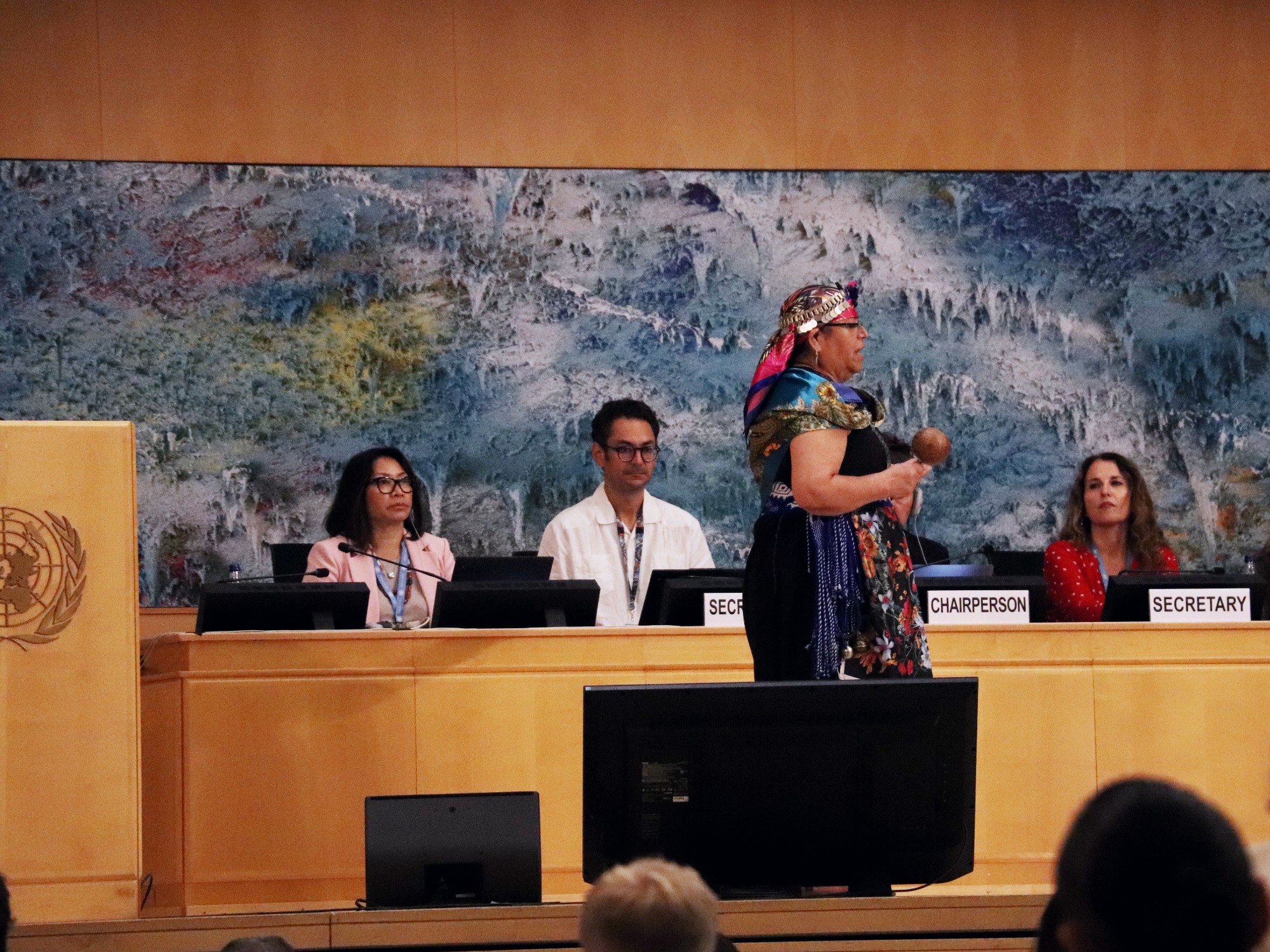
Indigenous nations live ‘on the frontlines’ of climate, conflict and new tech. But their voices remain sidelined in the global halls of power.