Elementary students share West Coast Indigenous stories in their very own podcast
‘Legends of the West Coast,’ created by a grade three class at Huband Park Elementary, has allowed students to learn about oral storytelling traditions while utilizing technology.
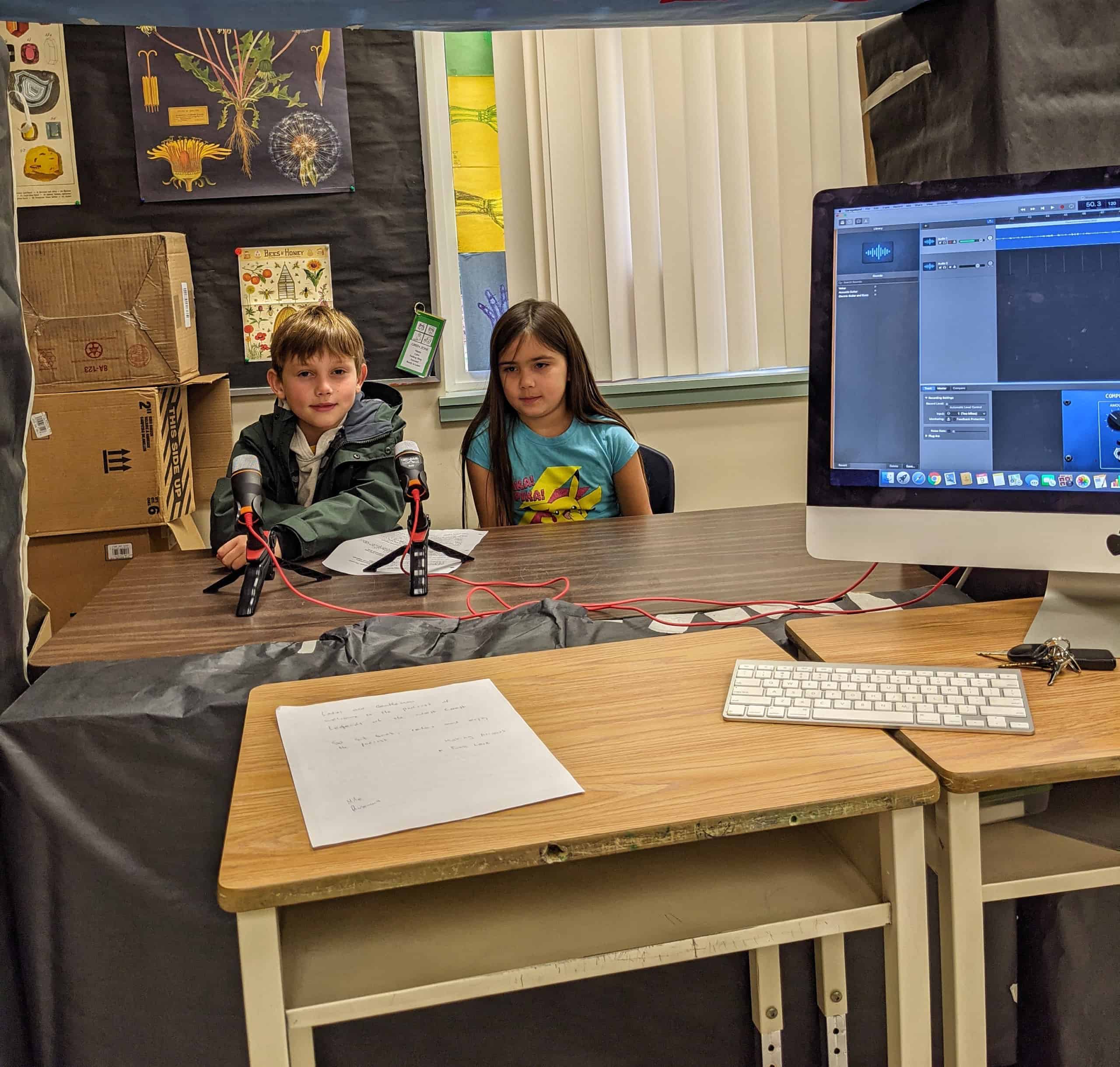
Grade three students in Courtenay, B.C., have created a podcast where they interview each other and share knowledge about West Coast Indigenous stories.
It’s all done in a cardboard box recording studio that teacher Geoff Fleischer has set up in the middle of his classroom at Huband Park Elementary.
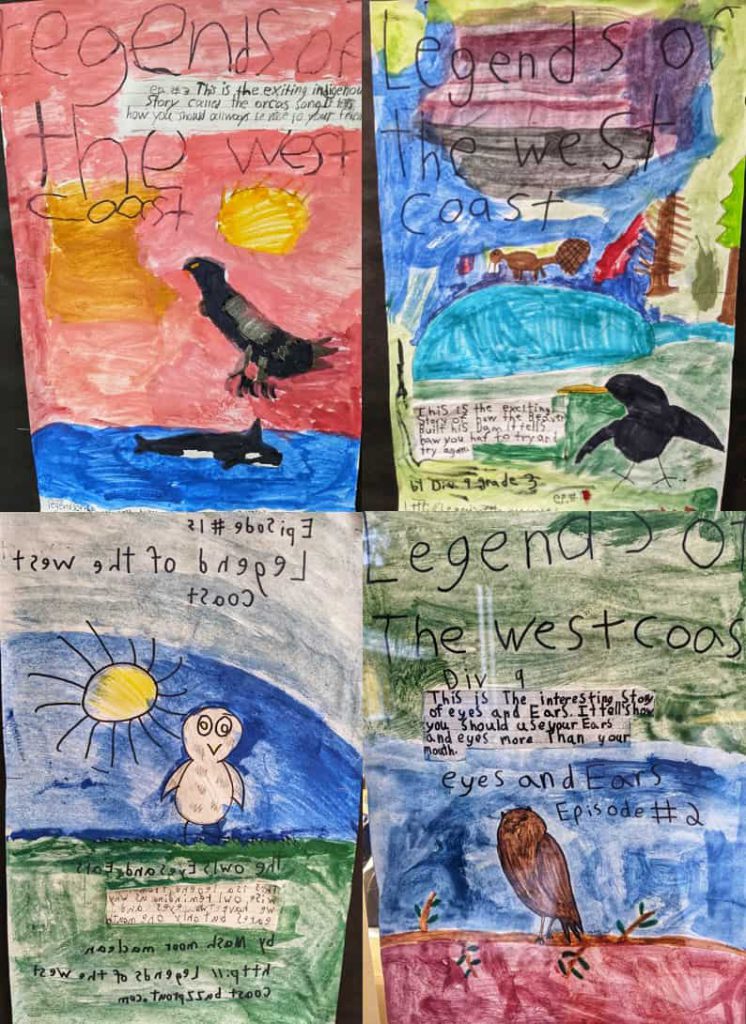
The podcast, “Legends of the West Coast,” consists of sixteen short episodes which became available online in mid-November.
For her episode, one of the students, Kenley, shared the “Legend of the Wise Owl,” a story that “[tells] you to use your eyes and your ears before you’re supposed to talk,” she explains.
Oral stories are important, she says, because “stories can pass along history.”
Fellow classmate Miles says that his most favourite part of the process was that “you got to use microphone technology.”
In another of the podcast episodes, a student named Olivia interviews her classmate Finn about the classic West Coast origin story which varies from each Nation, community and family, “How Raven Stole the Sun.”
“It tells how the moon came to be in the night sky and explains why the moon changes shape,” Finn explains, before telling a rendition of the story.
The project began earlier this school year, with students pulling Indigenous stories with different origins from books in the school library.
The children choose their own stories to share, Fleischer says, and were then tasked with having to retell it in their own way.
“It has been really meaningful for them,” says Fleischer. “They are sharing with their grandparents and their friends.”
Fleischer also taught the class about elements of storytelling such as character, setting and plot. The research, reading and writing took up a lot of the time, he says, while recording happened over an hour each day.
While the students were recording, everyone in the class would sit and listen as a way to keep with the traditions of Indigenous oral storytelling, and to give the storyteller the respect that they deserved, Fleischer explains.
Each podcast episode begins with a student introduction, followed by a short “public service announcement” that features a local landscape, explaining the significance behind it. An introductory theme song then precedes the interviews and stories.
“It’s been great to see how they’ve encountered challenges and been able to overcome those with the support of their peers, or dig in and figure things out,” Fleischer says.
The elements of the podcast, the oral traditions of Indigenous Peoples, is part of the Grade three curriculum and Fleisher says he wanted to mix that with all aspects of learning, from social studies to science.
Fleischer has been teaching for nearly a decade and this is his first year teaching grade three at Huband Park Elementary.
He says he is always exploring new ways of expression for his students to demonstrate what they’ve learned.
“For me to be a good teacher I need to do things that excite me and motivate me,” he says.
Not only has the podcast been shared locally, it’s gone global in a short amount of time, being listened to in places like St. Lucia and Prince Edward Island.
The students can see on the map where the podcast has travelled, thanks to a digital footprint, and they are eager to see where it goes next.
“They are still waiting for it to land in Africa or South America,” Fleischer says.
Author
We live in a media ecosystem that thrives on misinformation. Big Tech and AI companies are consuming the work of real human beings and Canadian news has been banned on Facebook and Instagram.
And yet, I have hope for journalism because of the work we’re doing at IndigiNews.
At IndigiNews, we embody tâpwêwin — the Cree value of integrity and responsibility in truth-telling. We are committed to our independent, Indigenous-led newsroom rooted in community, accountability, and relationality. We believe storytelling is a sacred fire that connects our pasts, presents, and futures through the storytellers in our Storytelling Lodge. IndigiNews creates space for Indigenous journalists, storytellers, Knowledge Keepers, and communities to gather, learn, and share stories that matter.
As a registered charity, we are building a fire that allows our work not just to ignite but to thrive. Rather than relying on advertising or corporate acquisition, IndigiNews is sustained by people like you who believe Indigenous stories are important for the future of our communities.
Your support is making a real difference.
Our community of supporters, our Firekeepers, make it possible to grow our newsroom, publish award-winning journalism, train emerging Indigenous journalists through initiatives like the ReFocus Photojournalism Fellowship, and publish trustworthy stories that serve our communities across the country. Every story we publish helps fill in gaps left by mainstream media and ensures Indigenous perspectives are represented with care, accuracy and respect.
But there is still more work to do.
As the media landscape becomes more and more uncertain, community support is as necessary and essential as it’s ever been. Every new Firekeeper helps protect the independence of our newsroom and strengthens journalism that is accountable to our many and varied communities over corporations.
That’s why we’re inviting you to become a Firekeeper.
Firekeepers tend to and protect the sacred fire. Your monthly contributions directly support IndigiNews’s Storytelling Lodge, helps sustain our independent, Indigenous-led newsroom, and ensures future generations of Indigenous storytellers have the resources they need to do the work.
As a registered Canadian charity, all eligible donations receive a charitable tax receipt.
If you believe Indigenous stories matter, if you value independent journalism, and if you want to help build a strong future for Indigenous media, we invite you to join our circle of Firekeepers today.
Together, we can keep the fire burning.
— Eden Fineday, Publisher, IndigiNews
Support us nowLatest Stories
-
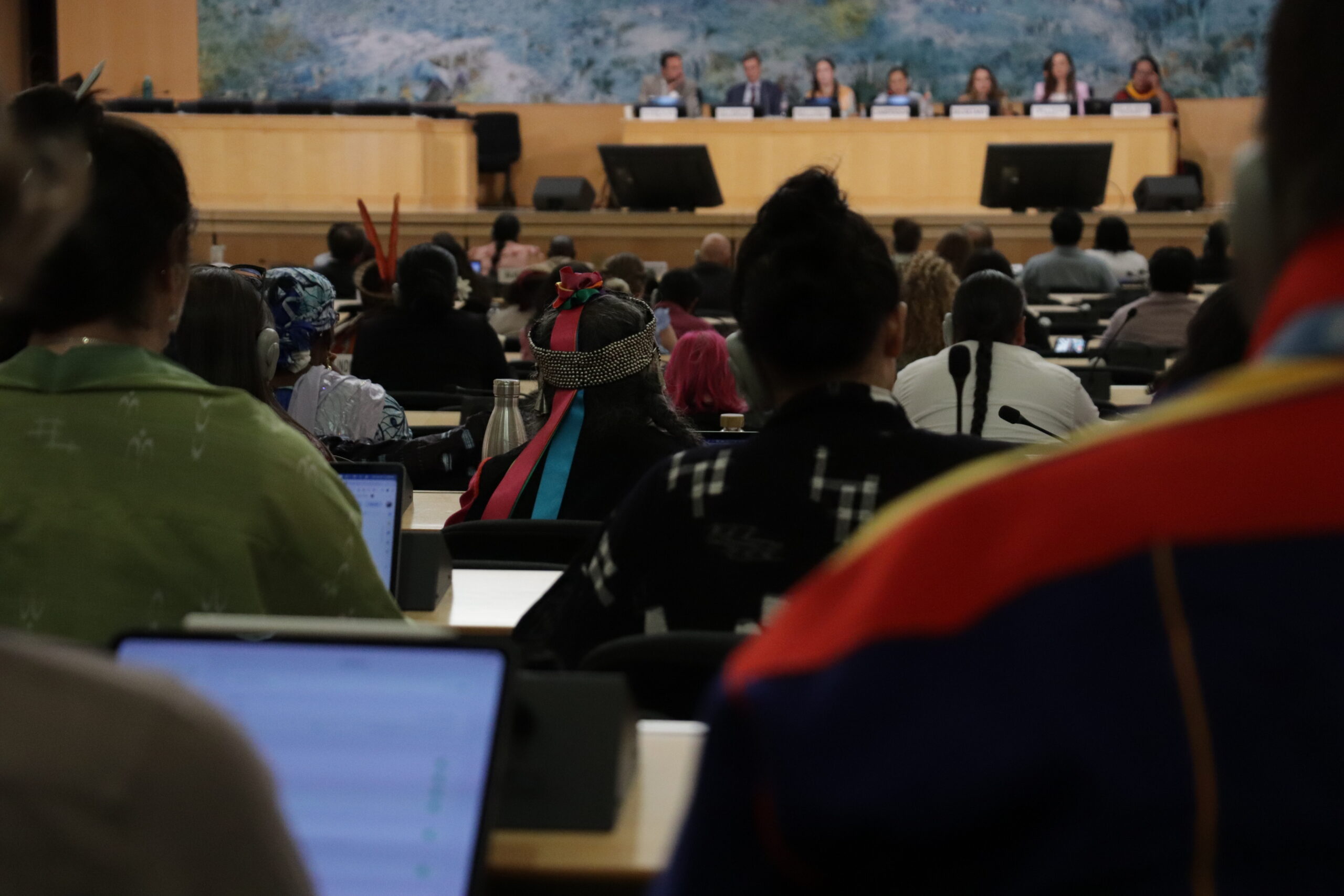
Indigenous leaders give the UN a roadmap for protecting their peoples
Amidst prayers and vows of solidarity, UN Expert Mechanism on the Rights of Indigenous Peoples ends annual meetings with demands for ‘action we’re not seeing globally’
-
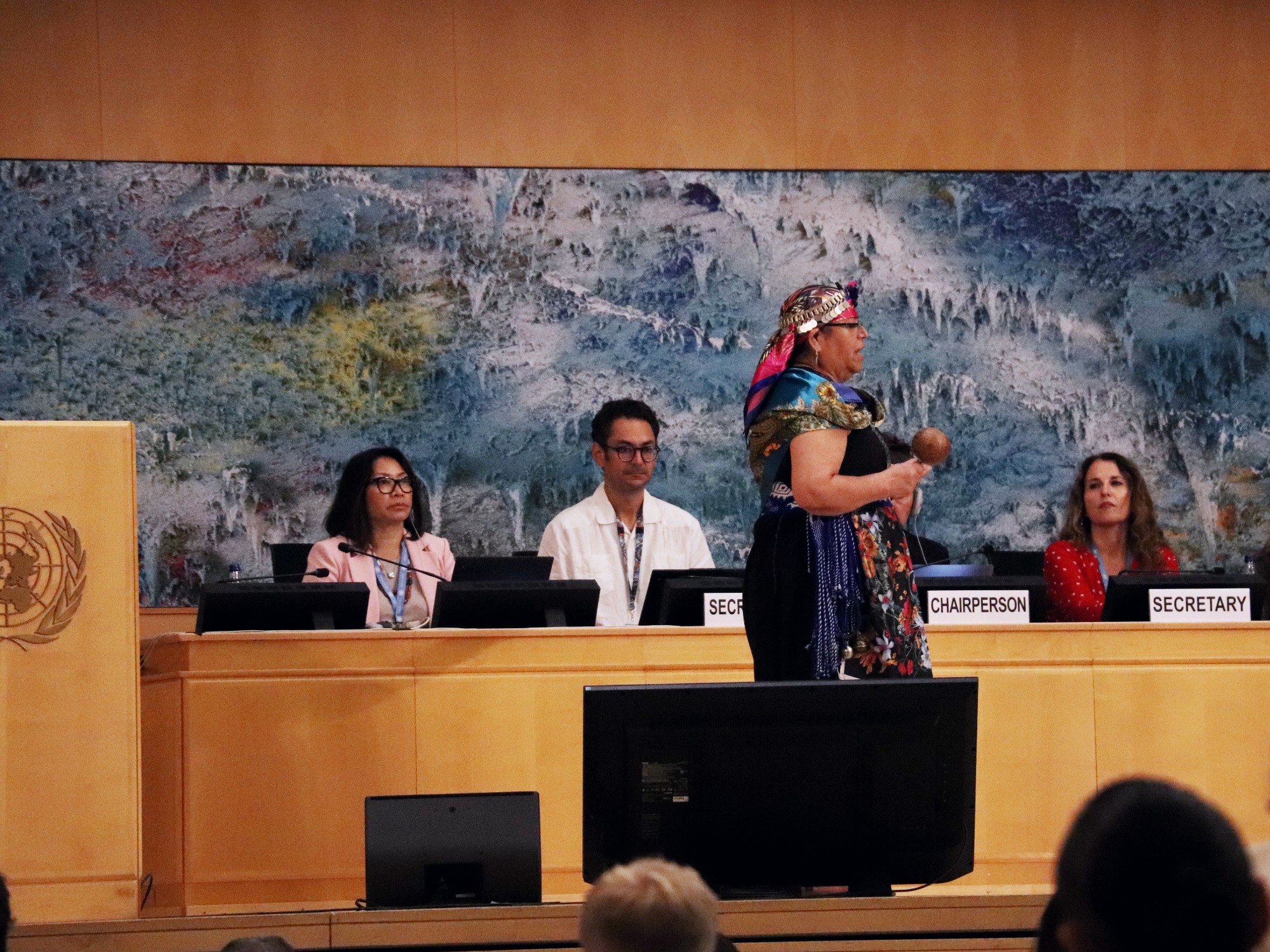
Indigenous people demand more say at the UN, as new crises hit their homelands
Indigenous nations live ‘on the frontlines’ of climate, conflict and new tech. But their voices remain sidelined in the global halls of power.