In photos: Fairy Creek supporters mark one year of blockades
RCMP raid old growth protection camps as Indigenous leaders gather in Victoria.

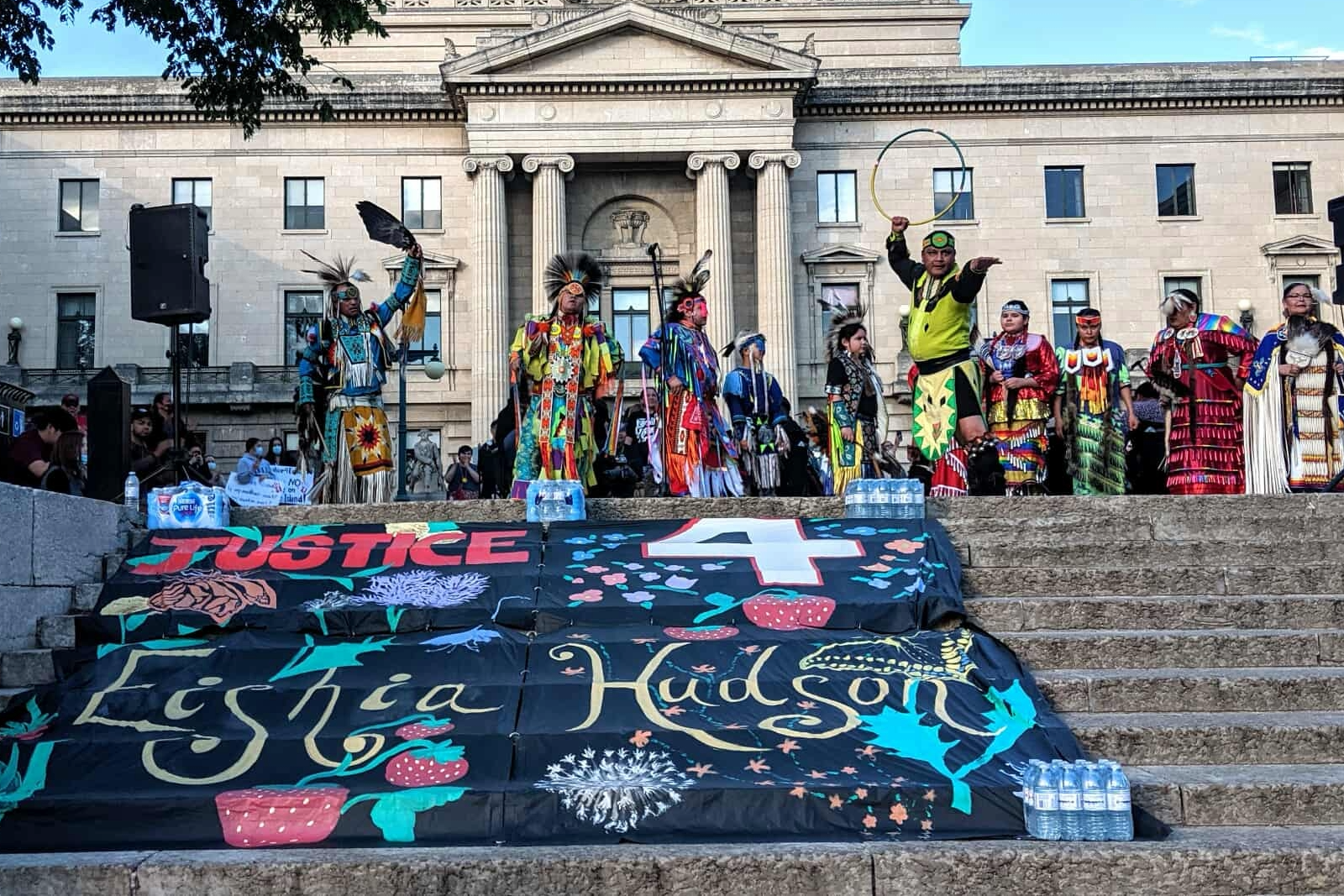
Monday, Aug. 9 held great significance for the hundreds of people who marched on the B.C. Parliament Buildings that day. They gathered on Lekwungen territory for Voices from the Ancestral Forest Frontlines, a demonstration marking the one-year anniversary of the Ada’itsx/Fairy Creek blockades and also the International Day of the World’s Indigenous Peoples.
But the day was significant for another reason, too. That morning, RCMP entered three Fairy Creek blockade camps and began arresting those present. It was the first police raid on the group’s headquarters. In total, RCMP reported 33 arrests on Monday, and 556 since the blockades, located on Pacheedaht and Ditidaht territories, began.
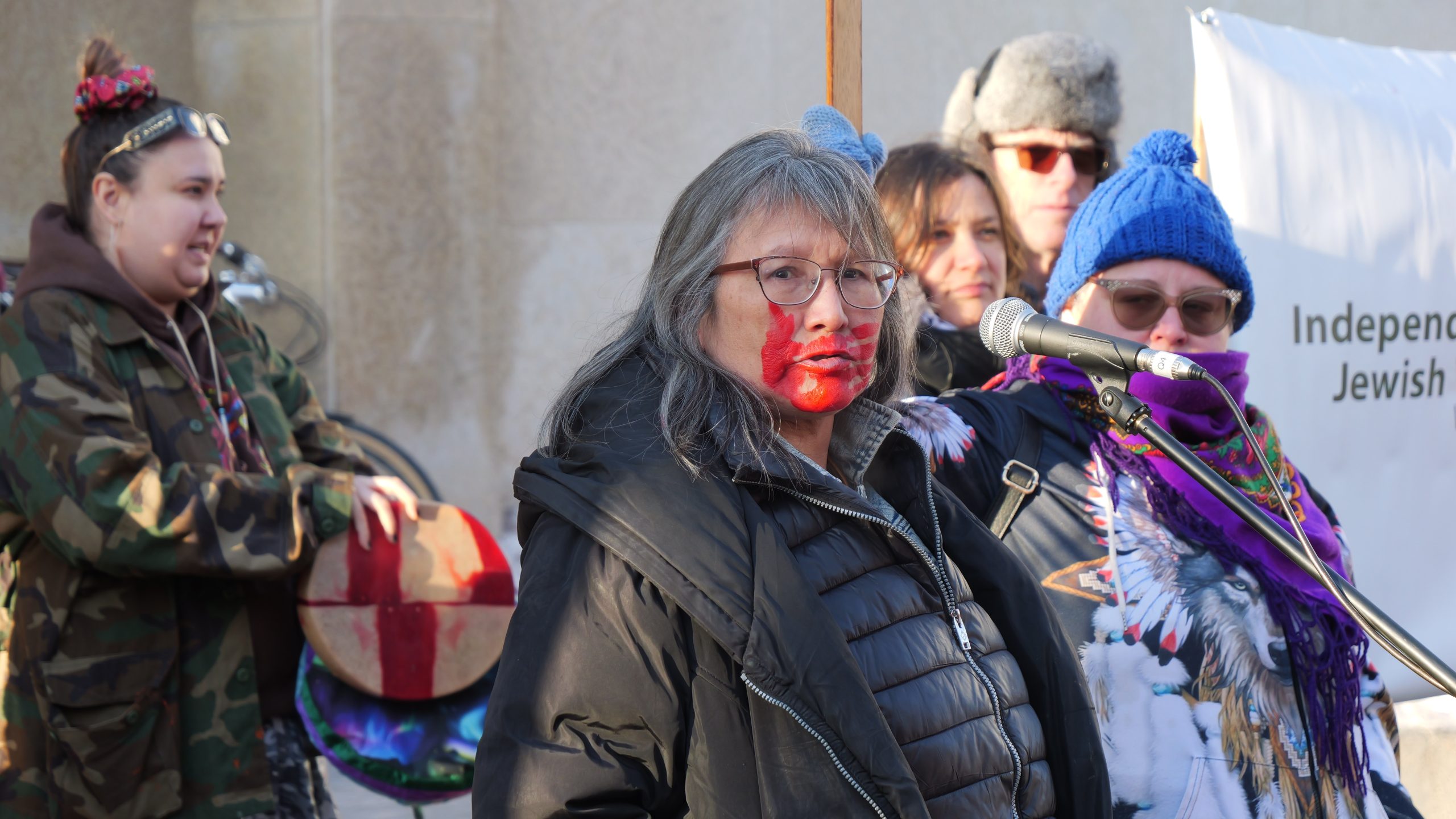
“It was supposed to be a day to celebrate being Indigenous, and for Indigenous people to stand united,” Rose Henry, one of the leaders of Monday’s event, told The Discourse. “And the rest of the world is celebrating. What did we wake up to? The raid. Welcome to Canada, let’s throw on some bracelets.”

“We’re not going away, that’s the main message,” Henry said. “We are not leaving Fairy Creek until [forestry company] Teal Jones packs up and leaves, and until John Horgan steps up to the plate and says enough is enough.”


Flanked by police, the demonstrators walked, sang and danced. They filled the downtown streets, stopping traffic.
Indigenous peoples representing Coast Salish, Nuu-Chah-Nulth and Kwakwakaʼwakw nations, among others, came. Many non-Indigenous allies walked in solidarity, too.
Neegonwewedon, an Indigenous land defender whose name means “thunder before the storm,” told The Discourse he felt forced to leave the blockades that morning, swimming across a river to evade police. Asked what made him leave, Neegonwewedon said it wasn’t safe.
“It’s a very violent place for Indigenous people there right now.” He said police appeared to target Indigenous people and people of colour, which other observers also say they have witnessed.
Neegonwewedon said he witnessed that morning a broken ankle and other injuries sustained as a result of the police enforcement.
After the demonstrators walked through downtown, they arrived at the B.C. legislature buildings where a crowd of supporters and witnesses were waiting. Cultural and hereditary chiefs spoke, and many traditional songs were sung, while dancers danced at the steps of the building.
Those who stepped up to the mic spoke with determination and conviction. Police were present, quietly walking through the crowd and watching from the perimeter and balconies.
Some demonstrators who had been previously arrested at the blockades were present and spoke frankly about their experiences.
Kwakiulth Hereditary Chief David Mungo Knox stood looking at the crowd as he held a copper to his chest, a valuable item which holds the history of his people and their ancestors. It also represents a time before colonization, when they were free to gather for Potlatch, speak their language and dance.

“The Potlatch is everything to us,” he said to the crowd. “This copper I’m holding with my life is everything for our people. It shows us who we are, where we have come from and what we have done in life.
“Without [the ancestors] sacrificing, what they went through, what hardship, 100-years-plus suppressed, for us not being asked to be able to speak our language. To sing our songs, to dance our dances, to carry on our names is everything in life for us. This is why I’m packing my copper, I’m hugging it so tight. Because this is our roots.”
Lifting up his family copper, Knox called upon all nations in Canada to unite and work together in fighting the battle to save old growth forests and the wildlife in and around them.
“We are all one,” he said, thanking supporters for giving them a voice.
Bill Jones, a Pacheedaht Elder who continues to welcome the blockaders on his territories, in defiance of the Pacheedaht leaders who have repeatedly asked the protesters to leave, directly addressed B.C. Premier John Horgan during a speech.

“You lift up your hand and say you [John Horgan] are forgiven for what you have failed in. But you also have a chance with us now, to reach out to us and share your grief in knowing that you have, indeed, failed in your wishes for us. And you have failed in your promises.
“And now, we are here yet to implore you to say that yes, we will save all those [trees, which are] our great-grandmothers,” Jones said.
All photos by Philip McLachlan/The Discourse
Author
We live in a media ecosystem that thrives on misinformation. Big Tech and AI companies are consuming the work of real human beings and Canadian news has been banned on Facebook and Instagram.
And yet, I have hope for journalism because of the work we’re doing at IndigiNews.
At IndigiNews, we embody tâpwêwin — the Cree value of integrity and responsibility in truth-telling. We are committed to our independent, Indigenous-led newsroom rooted in community, accountability, and relationality. We believe storytelling is a sacred fire that connects our pasts, presents, and futures through the storytellers in our Storytelling Lodge. IndigiNews creates space for Indigenous journalists, storytellers, Knowledge Keepers, and communities to gather, learn, and share stories that matter.
As a registered charity, we are building a fire that allows our work not just to ignite but to thrive. Rather than relying on advertising or corporate acquisition, IndigiNews is sustained by people like you who believe Indigenous stories are important for the future of our communities.
Your support is making a real difference.
Our community of supporters, our Firekeepers, make it possible to grow our newsroom, publish award-winning journalism, train emerging Indigenous journalists through initiatives like the ReFocus Photojournalism Fellowship, and publish trustworthy stories that serve our communities across the country. Every story we publish helps fill in gaps left by mainstream media and ensures Indigenous perspectives are represented with care, accuracy and respect.
But there is still more work to do.
As the media landscape becomes more and more uncertain, community support is as necessary and essential as it’s ever been. Every new Firekeeper helps protect the independence of our newsroom and strengthens journalism that is accountable to our many and varied communities over corporations.
That’s why we’re inviting you to become a Firekeeper.
Firekeepers tend to and protect the sacred fire. Your monthly contributions directly support IndigiNews’s Storytelling Lodge, helps sustain our independent, Indigenous-led newsroom, and ensures future generations of Indigenous storytellers have the resources they need to do the work.
As a registered Canadian charity, all eligible donations receive a charitable tax receipt.
If you believe Indigenous stories matter, if you value independent journalism, and if you want to help build a strong future for Indigenous media, we invite you to join our circle of Firekeepers today.
Together, we can keep the fire burning.
— Eden Fineday, Publisher, IndigiNews
Support us nowLatest Stories
-
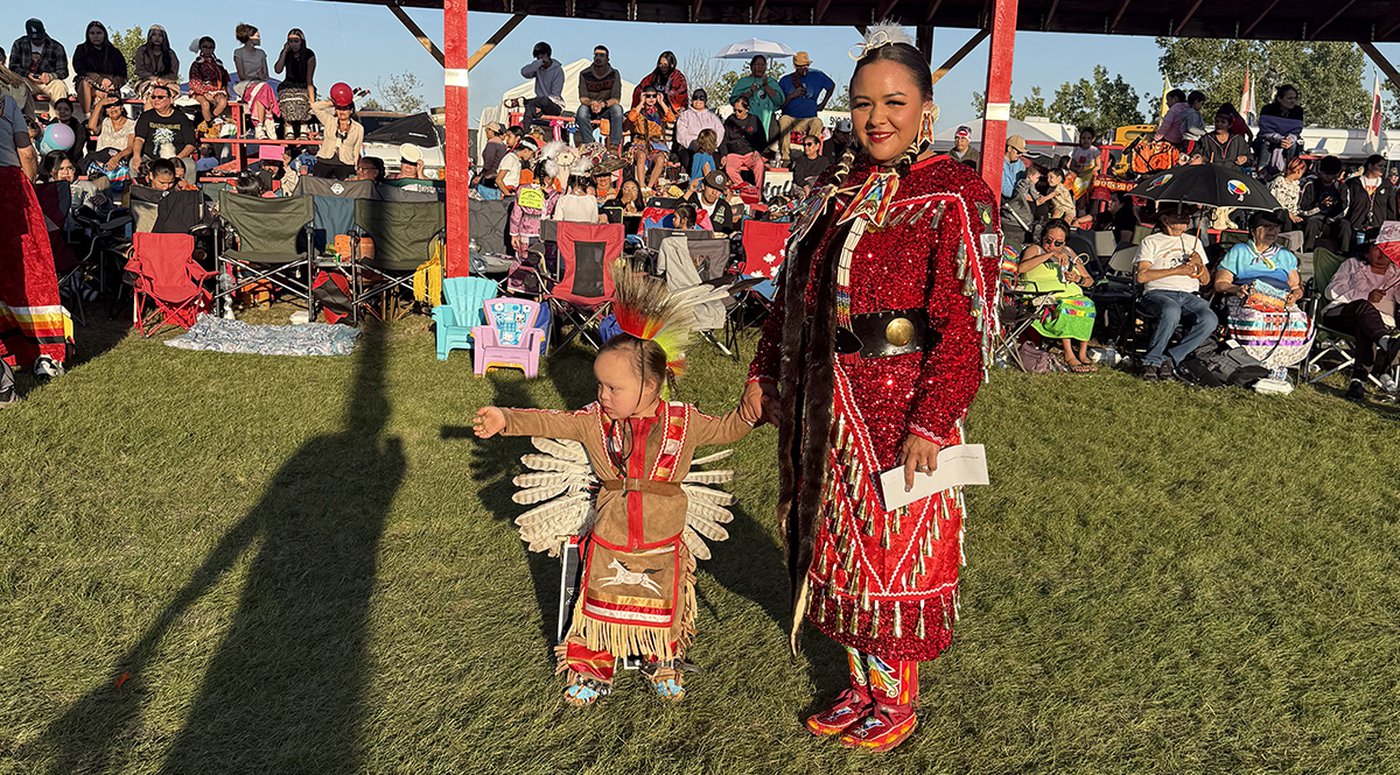
Beloved on the powwow circuit, young boy’s connection to the drum inspires
Now four, Waseskwan Redcrow was dancing ‘before he could even fully walk’ — his family says participating in powwows has brought them joy and belonging
-
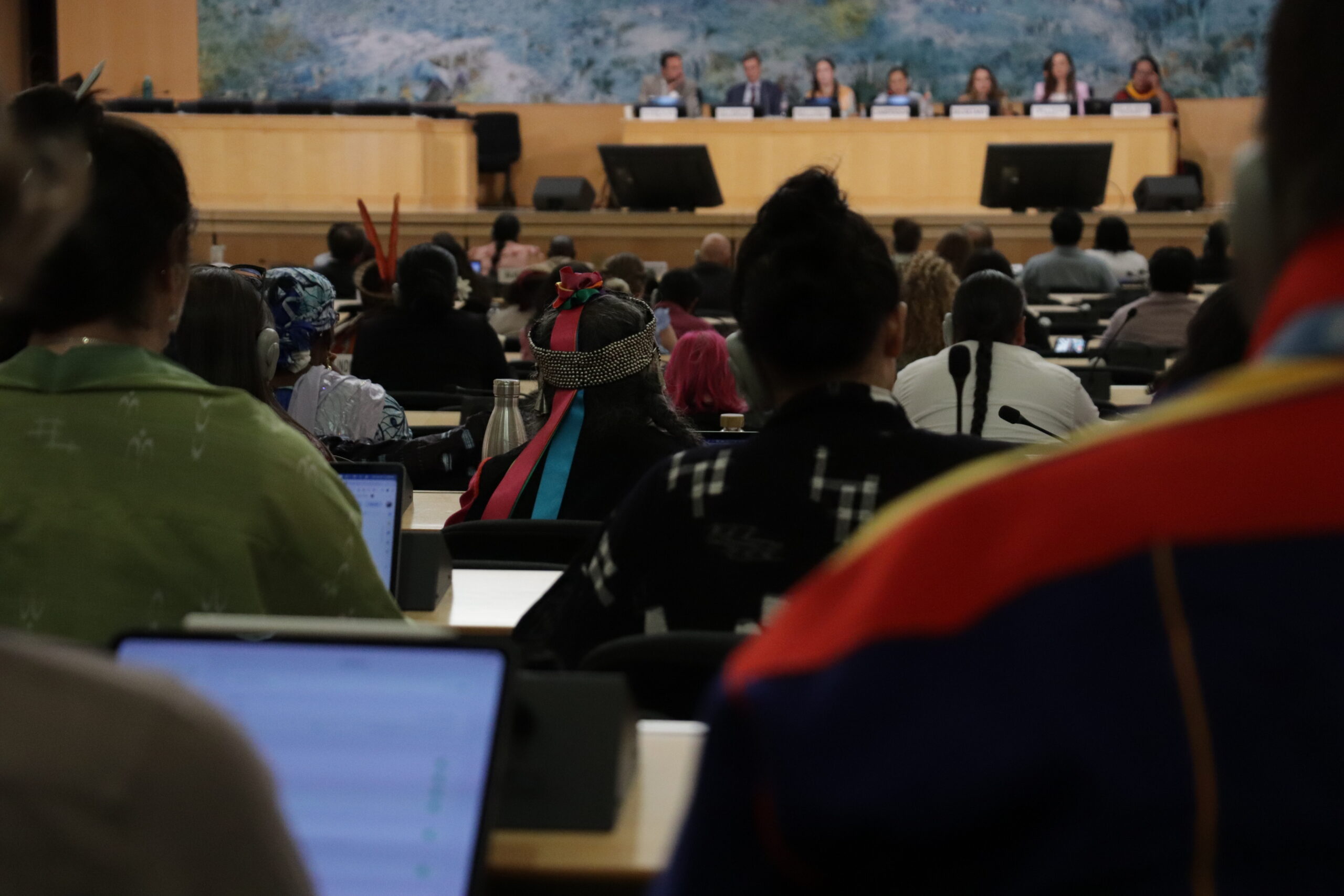
Indigenous leaders give the UN a roadmap for protecting their peoples
Amidst prayers and vows of solidarity, UN Expert Mechanism on the Rights of Indigenous Peoples ends annual meetings with demands for ‘action we’re not seeing globally’