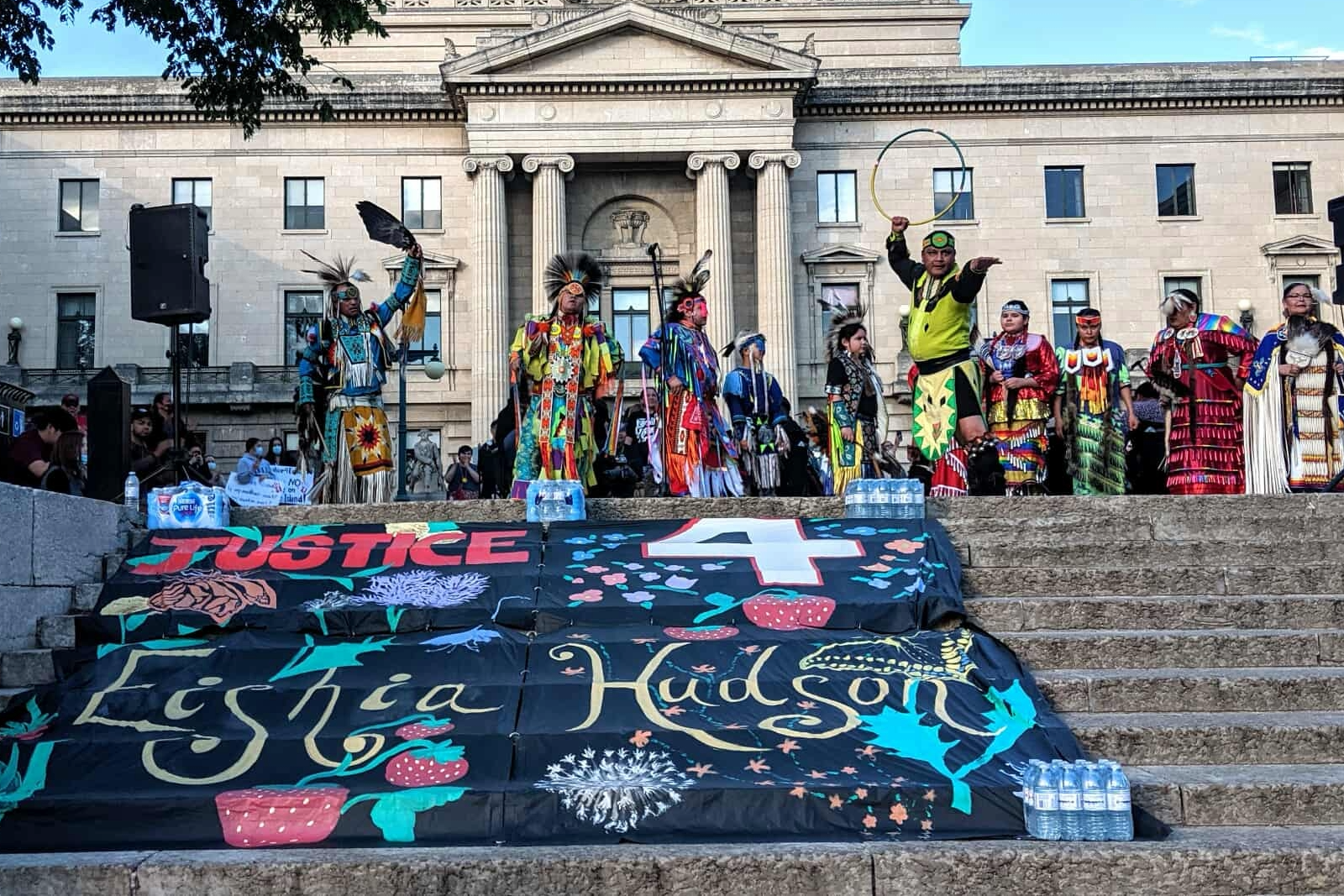
How best to support Indigenous children, youth and families in dealing with COVID-19 impacts?
Four Indigenous child-welfare experts to offer guidance in free workshop series happening Nov. 2-10.
COVID-19’s impact on Indigenous children, youth, and families will be the focus of a free online workshop series, scheduled for November 2-10.
Hosted by the Child Welfare League of Canada (CWLC), the four-part series is designed for families and frontline practitioners, says Camille Breton Skagen, CWLC’s project manager.
“Vulnerable families are at higher risk of being in contact with child-welfare systems, especially during the pandemic,” says Breton Skagen.
“This includes Indigenous First Nations populations, Black racialized populations, children and youth with disabilities, and the LGBTQ2+ population.
“We really want to provide guidance [to] … foster families, alternative caregivers, governments … social workers, communities, [on] how they can reach out and support Indigenous children, youth, and their families.”
The series — titled “Indigenous Children, Youth and Families and Covid-19 Response and Recovery” — will feature an all-Indigenous line-up of child-welfare experts from across the country, says Breton Skagen.
Drawing from their own lived experiences, speakers will cover four topics (click the links below to register).
On Nov. 2, Gabrielle Lindstrom will present on “challenging deficit-based approaches in social work education.” She works as an educational development consultant at the Taylor Institute for Teaching and Learning at the University of Calgary, and she specializes in Indigenous ways of knowing.
Decisions to apprehend children are too often driven by racism and neocolonialism — or “the use of economic, political, cultural or other pressures to control or influence Indigenous nations,” she told IndigiNews earlier this year.
Frank Shannon of the Haida Nations, Eagle clan, will present on the impacts of traumatic events on the brain on Nov. 4.
Nakuset — who is Cree, and works as the executive director of the Native Women’s Shelter of Montréal — will present on the challenges with youth protection in Montréal on Nov. 9. And Beverly Keeshig-Soonias of Chippewas of Nawash First Nation will speak to “joining the village to raise the child” on Nov. 10.
Breton Skagen says the goal was to “feature experts with lived experience [and] provide workshop presentations that center on … trauma-informed, anti-oppressive and anti-racist approaches to supporting Indigenous children and families through the pandemic.”
This is the third workshop series hosted by CWLC and partners with funding from the Public Health Agency of Canada. It’s part of “The Strength of Family and Connections” project which aims “to promote trauma-informed responses to child maltreatment that encourage social inclusion, and connections to family, community and culture, mental health and child safety.”
Editor’s Note (Nov. 1, 2021): We changed “LGBTQ+” to “LGBTQ2+” to be explicitly inclusive of Two-Spirit people.
Author
We live in a media ecosystem that thrives on misinformation. Big Tech and AI companies are consuming the work of real human beings and Canadian news has been banned on Facebook and Instagram.
And yet, I have hope for journalism because of the work we’re doing at IndigiNews.
At IndigiNews, we embody tâpwêwin — the Cree value of integrity and responsibility in truth-telling. We are committed to our independent, Indigenous-led newsroom rooted in community, accountability, and relationality. We believe storytelling is a sacred fire that connects our pasts, presents, and futures through the storytellers in our Storytelling Lodge. IndigiNews creates space for Indigenous journalists, storytellers, Knowledge Keepers, and communities to gather, learn, and share stories that matter.
As a registered charity, we are building a fire that allows our work not just to ignite but to thrive. Rather than relying on advertising or corporate acquisition, IndigiNews is sustained by people like you who believe Indigenous stories are important for the future of our communities.
Your support is making a real difference.
Our community of supporters, our Firekeepers, make it possible to grow our newsroom, publish award-winning journalism, train emerging Indigenous journalists through initiatives like the ReFocus Photojournalism Fellowship, and publish trustworthy stories that serve our communities across the country. Every story we publish helps fill in gaps left by mainstream media and ensures Indigenous perspectives are represented with care, accuracy and respect.
But there is still more work to do.
As the media landscape becomes more and more uncertain, community support is as necessary and essential as it’s ever been. Every new Firekeeper helps protect the independence of our newsroom and strengthens journalism that is accountable to our many and varied communities over corporations.
That’s why we’re inviting you to become a Firekeeper.
Firekeepers tend to and protect the sacred fire. Your monthly contributions directly support IndigiNews’s Storytelling Lodge, helps sustain our independent, Indigenous-led newsroom, and ensures future generations of Indigenous storytellers have the resources they need to do the work.
As a registered Canadian charity, all eligible donations receive a charitable tax receipt.
If you believe Indigenous stories matter, if you value independent journalism, and if you want to help build a strong future for Indigenous media, we invite you to join our circle of Firekeepers today.
Together, we can keep the fire burning.
— Eden Fineday, Publisher, IndigiNews
Support us nowLatest Stories
-
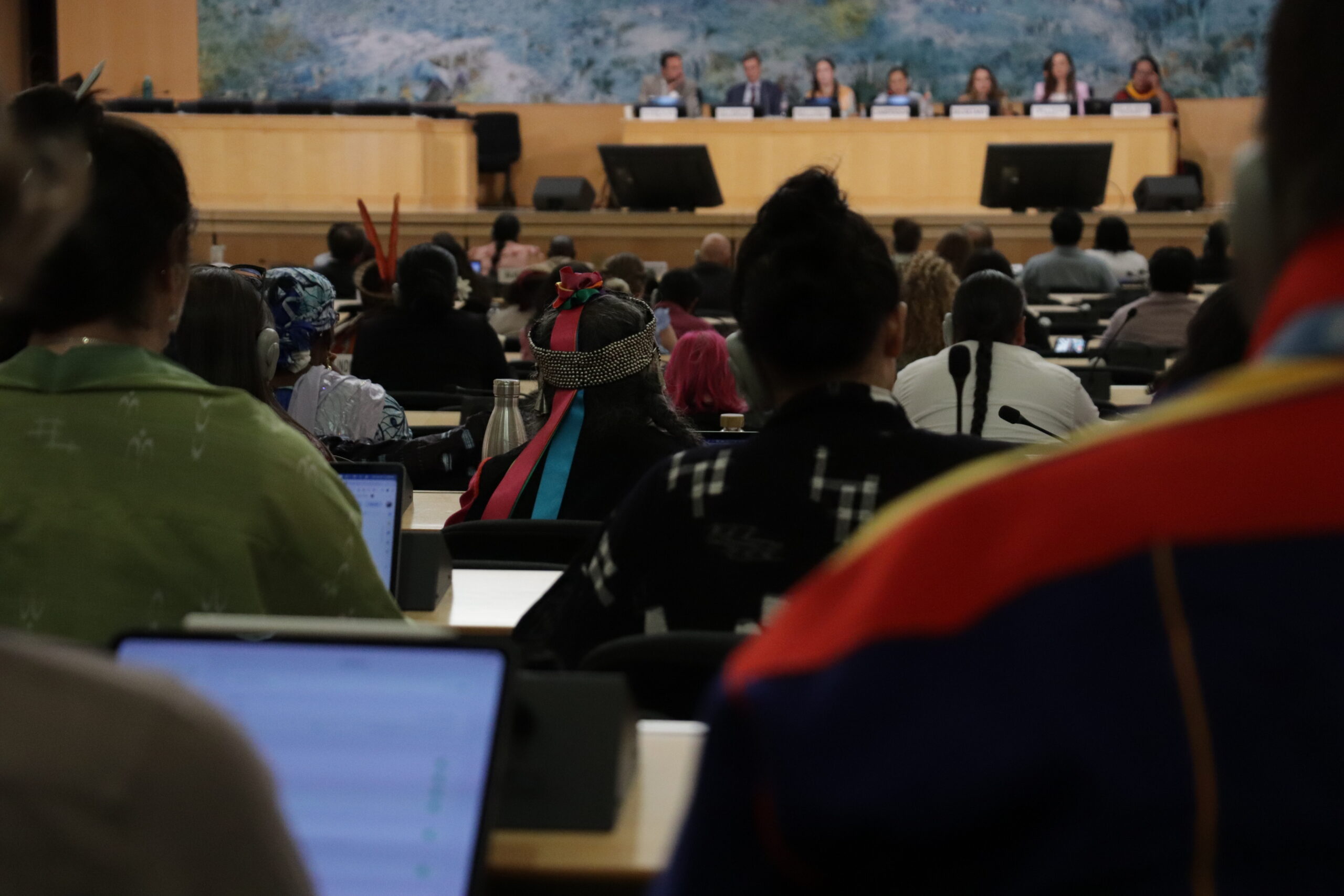
Indigenous leaders give the UN a roadmap for protecting their peoples
Amidst prayers and vows of solidarity, UN Expert Mechanism on the Rights of Indigenous Peoples ends annual meetings with demands for ‘action we’re not seeing globally’
-
Indigenous people demand more say at the UN, as new crises hit their homelands
Indigenous nations live ‘on the frontlines’ of climate, conflict and new tech. But their voices remain sidelined in the global halls of power.