Snuneymuxw First Nation signs historic MOU with province and feds
The MOU outlines a new commitment to the Treaty of 1854, as well as the gradual transfer of lands back to the First Nation.

The Snuneymuxw First Nation signed a historic memorandum of understanding (MOU) on July 28 with both the provincial and federal governments, to advance reconciliation based on the affirmation and implementation of Snuneymuxw Title and Rights.
The new commitment includes a formalized recognition of the Snuneymuxw Treaty of 1854, one of the few Pre-Confederation treaties on Vancouver Island, affirmed by section 35 of Canada’s Constitution.
The community was invited to witness the virtual signing of the MOU in the Snuneymuxw gymnasium on Wednesday where leadership spoke about the importance of reasserting the treaty as a way to preserve the Snuneymuxw way of life.
“For the past two years, we have come together to redefine and repurpose our relationship [so] that [it] is consistent with the solemn constitutional rights of the Snuneymuxw Treaty of 1854,” says Snuneymuxw Chief Michael Wyse.
Wyse, whose traditional name is Xumtilum, says the MOU will “forge a path for the recognition for the implementation of Snuneymuxw authority in our territory.”

Land back
With over 1,700 members, Snuneymuxw has one of the largest populations among First Nations in B.C., and one of the smallest reserve land bases, as previously reported by IndigiNews.
The new MOU includes a commitment to transfer lands acquired by Canada and B.C back to Snuneymuxw. It’s part of a larger “Land Back” movement that’s taking various legal, social and political forms in different nations across the country.
Parties to the Snuneymuxw agreement will prioritize negotiating “interim agreements, other arrangements and/or measures, steps, and options for access, use and transfer of lands acquired by Canada and B.C. through treaty-related measures,” the MOU states.
This includes Kensington Lands, the Armishaw Farm Property, and Dodds Narrows, as articulated in the MOU.
‘Redefine and repurpose our relationship’
Carolyn Bennett, Canada’s minister of Crown-Indigenous relations and Murray Rankin, B.C.’s minister of Indigenous relations and reconciliation, both attended the signing virtually, while Nanaimo MLA Sheila Malcolmson and MP Paul Manly attended in person.
According to a press release by the province, the MOU formalizes a “new negotiations table,” building on prior agreements Snuneymuxw signed with Canada and B.C. in 2019 and 2020.
It also affirms the implementation of the Treaty of 1854, which was first signed when the colony of Vancouver Island wanted access to coal deposits located in Snuneymuxw’s territory, according to the First Nation’s website. The region was home to “the first known large deposits [of coal] on the west coast of the Americas,” according to the Nanaimo Museum.
“Our Snuneymuxw forefathers and Ancestors welcomed your Crown representatives and settlers to our territory in the early 1800s,” Snuneymuxw Chief Michael Wyse told government representatives in attendance at the signing.
“Our people provided them with food, housing, and a flourishing livelihood … all of the tools needed to survive. This is the true history of our region.”
The treaty was “resurrected” in 1963 when a Snuneymuxw man, Clifford White, and David Bob of the Snaw-Naw-As First Nation, were charged with hunting out of season, prompting a 50-year legal battle known as R vs. White and Bob.
The treaty allowed for settlers to have access to the land and for Snuneymuxw to retain access to their village sites, including Stiil’nep, also known as Departure Bay.
‘Right to recognition’
The MOU mentions the federal and provincial governments’ commitments to the implementation of the United Nations Declaration on the Rights of Indigenous Peoples (UNDRIP), namely Article 37, which states that “Indigenous Peoples have the right to the recognition, observance and enforcement of treaties, agreements and other constructive arrangements concluded with States or their successors and to have States honour and respect such treaties, agreements and other constructive arrangements.”
The three parties will explore how the British Columbia Treaty Commission process may support the self-determined interests of the Snuneymuxw First Nation, the MOU states.
The Parties will compile a list of immediate or near-term measures, milestones and targets for “resolving priority topics,” including interim measures to be implemented during the ongoing negotiations process, the MOU states.
The MOU represents “the proper foundation for a treaty relationship,” says Wyse.
Editor’s note: This story was updated on Aug. 5 to change the spelling of Stiil’nep (from Stil’ilup), as a result of guidance from Dave Spirit Wolf Bodaly, a Snuneymuxw Knowledge Keeper. IndigiNews recognizes that people spell this village site different ways when using English letters. This story was updated again on Oct. 6 to correct the spelling of Saysutshun (Newcastle Island).
Author
We live in a media ecosystem that thrives on misinformation. Big Tech and AI companies are consuming the work of real human beings and Canadian news has been banned on Facebook and Instagram.
And yet, I have hope for journalism because of the work we’re doing at IndigiNews.
At IndigiNews, we embody tâpwêwin — the Cree value of integrity and responsibility in truth-telling. We are committed to our independent, Indigenous-led newsroom rooted in community, accountability, and relationality. We believe storytelling is a sacred fire that connects our pasts, presents, and futures through the storytellers in our Storytelling Lodge. IndigiNews creates space for Indigenous journalists, storytellers, Knowledge Keepers, and communities to gather, learn, and share stories that matter.
As a registered charity, we are building a fire that allows our work not just to ignite but to thrive. Rather than relying on advertising or corporate acquisition, IndigiNews is sustained by people like you who believe Indigenous stories are important for the future of our communities.
Your support is making a real difference.
Our community of supporters, our Firekeepers, make it possible to grow our newsroom, publish award-winning journalism, train emerging Indigenous journalists through initiatives like the ReFocus Photojournalism Fellowship, and publish trustworthy stories that serve our communities across the country. Every story we publish helps fill in gaps left by mainstream media and ensures Indigenous perspectives are represented with care, accuracy and respect.
But there is still more work to do.
As the media landscape becomes more and more uncertain, community support is as necessary and essential as it’s ever been. Every new Firekeeper helps protect the independence of our newsroom and strengthens journalism that is accountable to our many and varied communities over corporations.
That’s why we’re inviting you to become a Firekeeper.
Firekeepers tend to and protect the sacred fire. Your monthly contributions directly support IndigiNews’s Storytelling Lodge, helps sustain our independent, Indigenous-led newsroom, and ensures future generations of Indigenous storytellers have the resources they need to do the work.
As a registered Canadian charity, all eligible donations receive a charitable tax receipt.
If you believe Indigenous stories matter, if you value independent journalism, and if you want to help build a strong future for Indigenous media, we invite you to join our circle of Firekeepers today.
Together, we can keep the fire burning.
— Eden Fineday, Publisher, IndigiNews
Support us nowLatest Stories
-
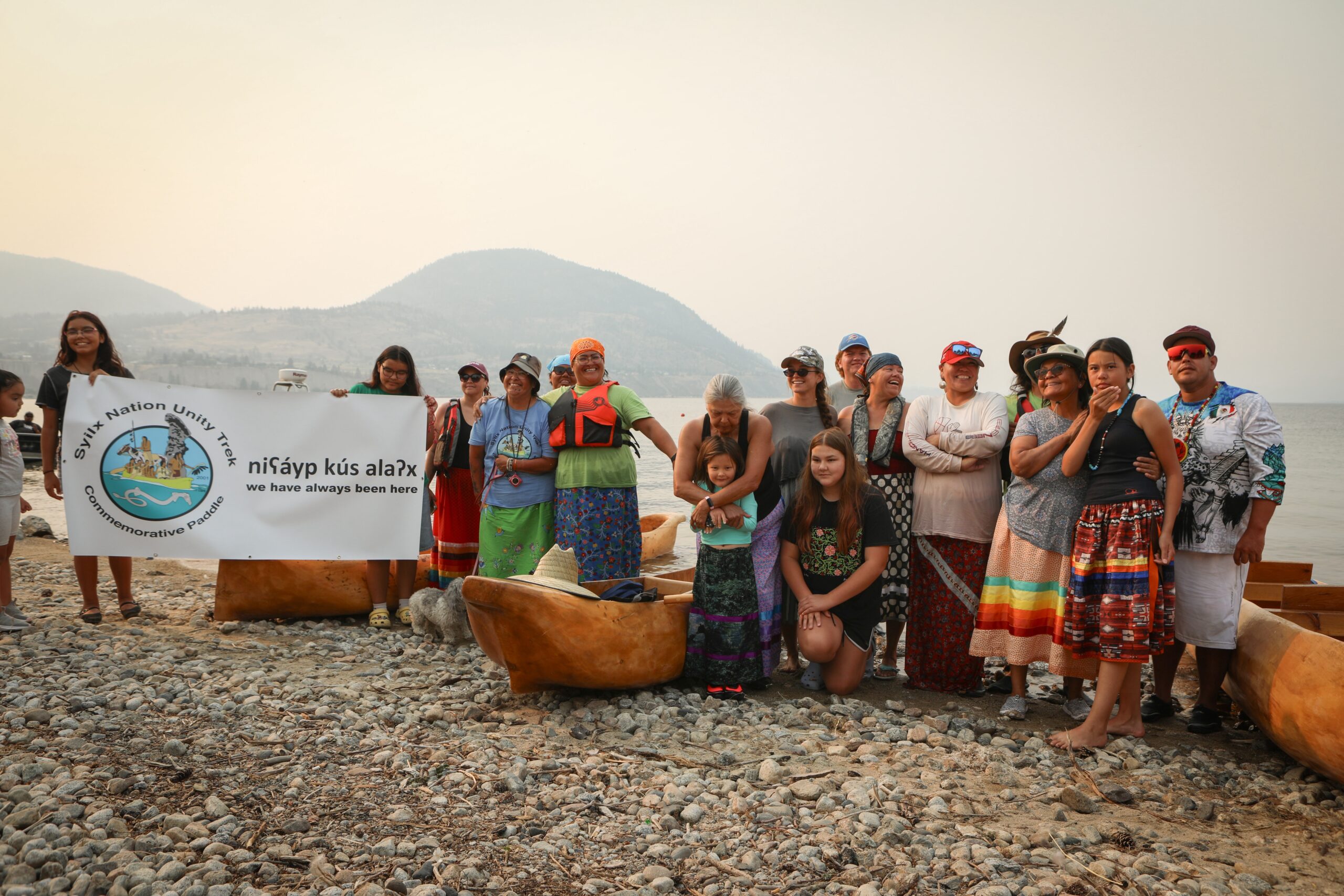
Travelling in dugout canoes, syilx Okanagan paddlers complete weeklong Unity Trek
‘Unity is connecting the people to each other, and connecting ourselves to the land,’ said one participant about the commemorative journey that wrapped up on Aug. 1
-
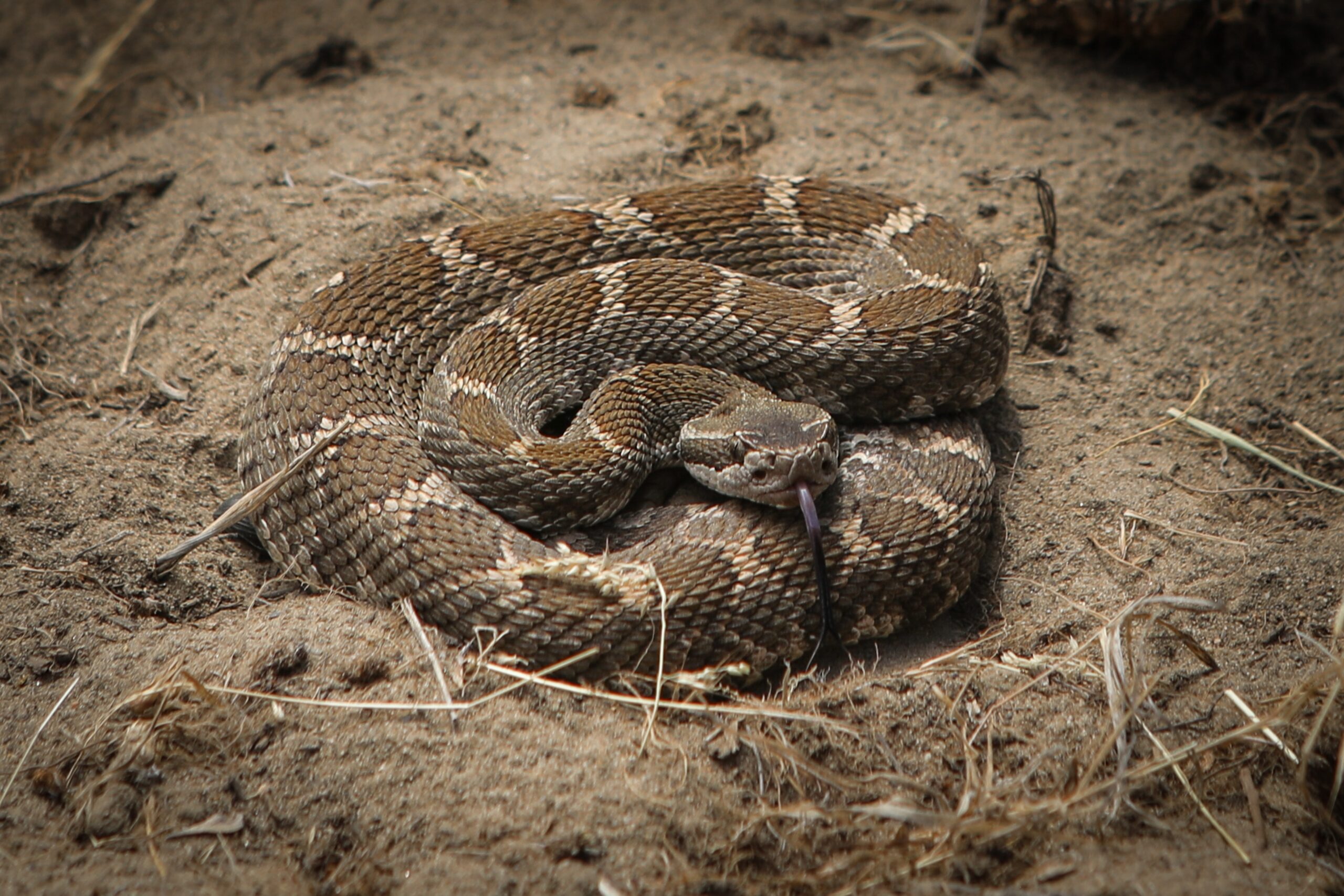
In the Okanagan desert, snakes offer lessons on protecting a fragile ecosystem
For two decades, researchers at the Nk’Mip Desert Cultural Centre have tracked snakes across syilx homelands — while helping people appreciate the often-feared creatures