What VIU is doing to Decolonize B.C.’s Classrooms
Connecting with Indigenous knowledge keepers on-campus key for Indigenous and non-Indigenous learners
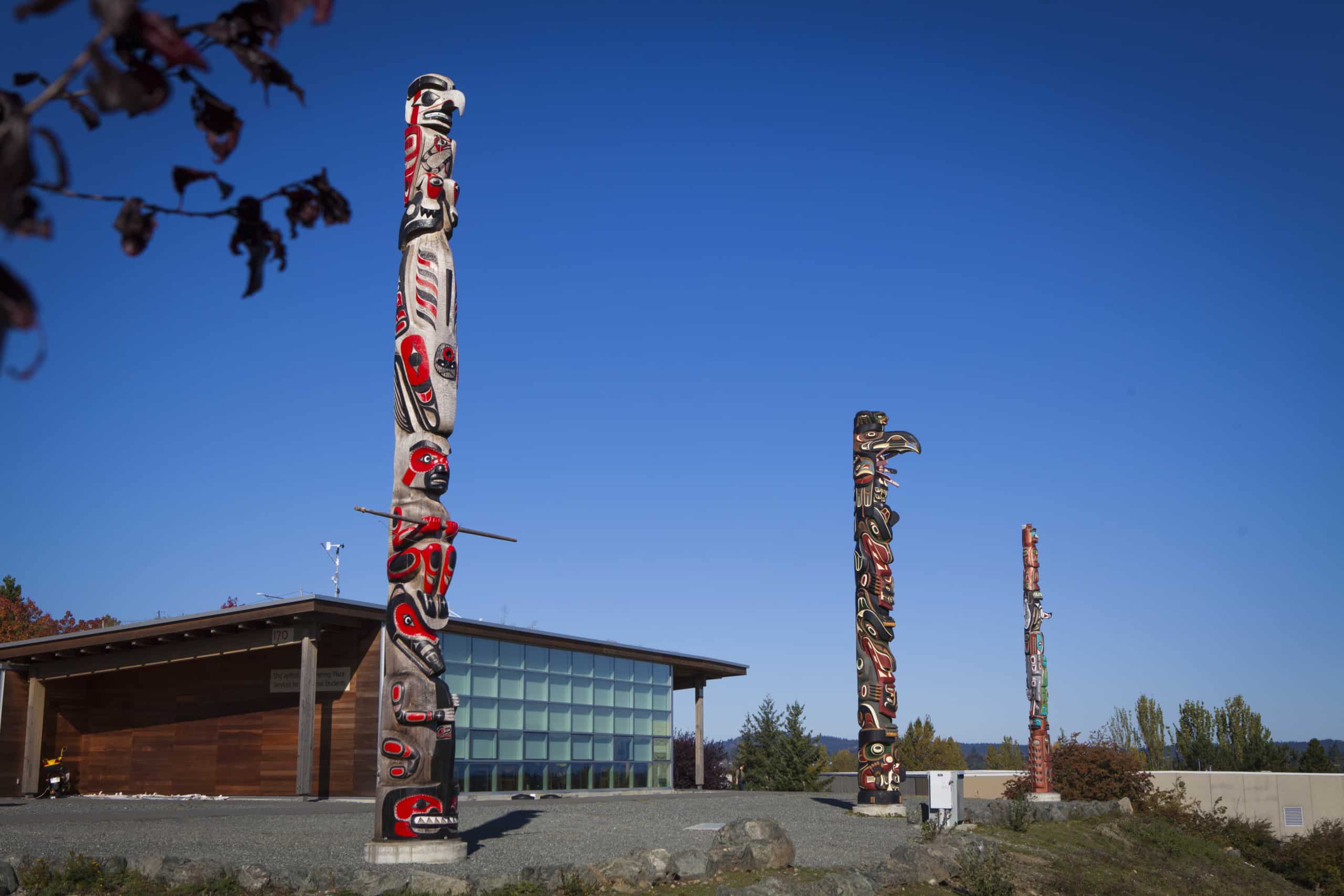
Education student Hayden Taylor says Vancouver Island University (VIU) is “definitely a safe space for Indigenous future educators.”
Taylor is a member of the Haisla Nation, and as a fifth year in VIU’s Bachelor of Education program, he regularly participates in Indigenous practices on campus.
Taylor is an active participant at Shq’apthut (A Gathering Place), the campus’s hub for Indigenous supports, and is part of VIU’s community cousins program. “[Community Cousin’s] is a mentorship program that is made up of Indigenous students at VIU, that provides support for Indigenous students.”
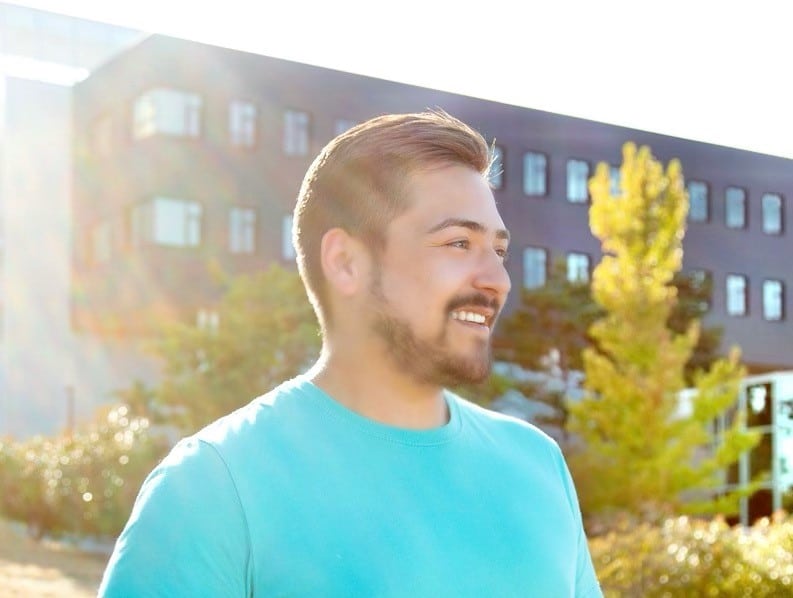
“The whole university itself welcomes Indigenous culture,” he says.
And while that may be true, Deborah Saucier, the university’s vice-chancellor and president says it’s still a colonial institution.
“I don’t know that you can decolonize university. But maybe we could Indigenize it,” she says. “That also involves having some really hard conversations about what colonialism has done to Indigenous Peoples in this place that we now call Canada.”
Saucier is Métis from Treaty 6 Territory. She says that VIU has diverse upper leadership with a large majority of their senior team being women, and an Indigenous chancellor: Kekinusuqs (Dr. Judith Sayers) from Hupacasath First Nation.
“If we meet in the middle, we can actually do some really impressive things, and have started [to],” Saucier says.
Under Saucier’s guidance VIU has put forward a new five-year strategic plan which includes a commitment to “build stronger partnerships with Indigenous communities.”
Saucier comments that the promise to build stronger partnerships with Indigenous communities is a recommitment of the work that VIU is already doing, and to work toward Indigenizing VIU, rather than have it serve as a tool of colonialism.
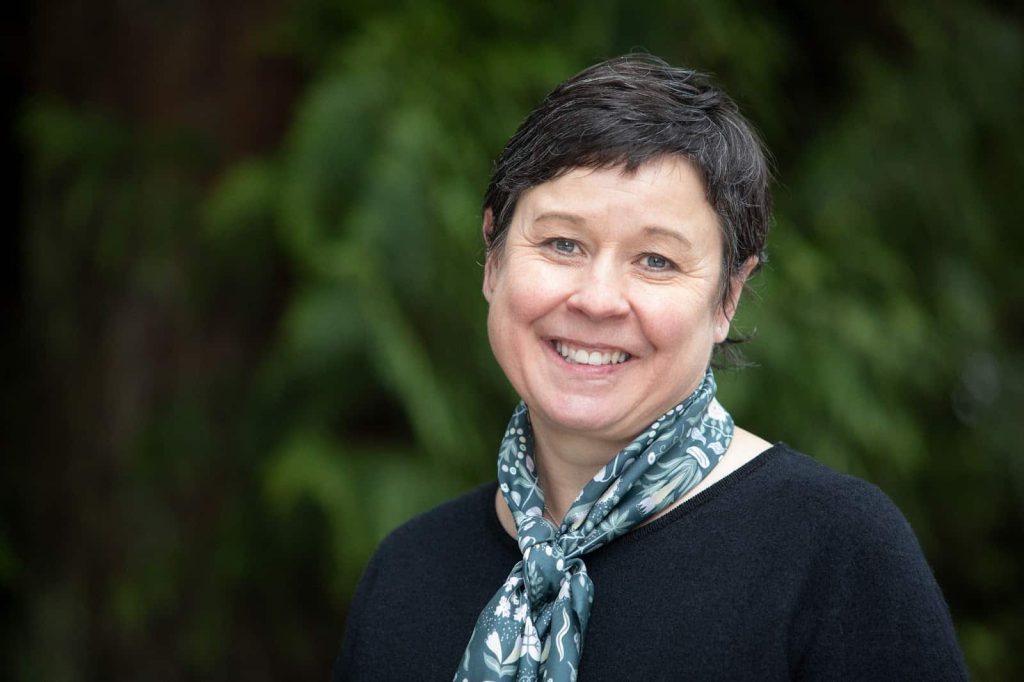
VIU offers classes in Indigenous knowledge that Saucier describes as “side by side with the Western canon.” This helps challenge colonial perspectives, and recognizes Indigenous perspectives as a “different way to understand what is going on.”
In the Education program, students are trained alongside Indigenous educators and Elders-In-Residence, and taught professional standards of anti-racism and anti-discrimination practices, while also drawing everything back to the First Peoples Prinicipals of Learning.
Elders-In-Residence
VIU’s Elders-In-Residence program provides Indigenous students with the opportunity to meet with an Elder five days a week. They can be found at Shq’apthut (A Gathering Place).
Shq’apthut (A Gathering Place), is a safe place for “Indigenous students to come and get any support that they need, or if they just … are in need of a space that is just quiet that they can study and work on their homework,” Taylor says.
Elders also conduct ceremonial practices, oral traditions, and storytelling throughout the week at Shq’apthut (A Gathering Place).
The Elders-In-Residence program is something that both Taylor and Saucier cite as an important part of creating Indigenous supports, and encouraging decolonization.
“[The VIU Elders] also have an office within the education building and welcome the education students to come and visit if they have any questions,” Taylor says.
There are also a number of Elders working with the university’s faculty of education and teacher training program. These Elders are involved with the work at every level of planning and development, says Dean of Education, David Patterson.
“The Elders-in-Residence work with our [education] faculty talking about decolonizing education,” Patterson says. “They provide professional development, they often contribute to program planning. And they have connections over the years with individual students.”
In the 2020/2021 school year 12% of the overall population at VIU identified as Indigenous while in the faculty of education only 10% identified as Indigenous.
Taylor agrees that Indigenous connection is important to decolonize the classroom at all levels. But, he says, that he wishes that direct Indigenous connection would be required in Education programs at VIU.
“One thing I would probably change is having every teacher candidate reach out to an Elder to have a conversation. It doesn’t have to be about the education program.”
Lack of connection can “cause [non-Indigenous] teachers not to feel confident enough in teaching the Indigenous curriculum,” he says.
Elders as Faculty
The Elders-in-Residence program only scratches the surface of VIU’s respect and integration of Indigenous people says Saucier, because “Elders are recognized as faculty in our university.”
“To become recognized as an Elder in your community means that you’ve done a lot of things that are remarkably like getting a PhD,” Saucier says. “You possess a large body of knowledge, of specialized knowledge that has been recognized by other holders of that specialized knowledge as being enough.”
Saucier says she believes this was VIU doing the right thing, but realizes that this was an act of “profound transformation.”
“You know, VIU is definitely doing something right,” Taylor concludes. “When it comes to involving Elders … and supporting Indigenous people when it comes to education.”
Author
We live in a media ecosystem that thrives on misinformation. Big Tech and AI companies are consuming the work of real human beings and Canadian news has been banned on Facebook and Instagram.
And yet, I have hope for journalism because of the work we’re doing at IndigiNews.
At IndigiNews, we embody tâpwêwin — the Cree value of integrity and responsibility in truth-telling. We are committed to our independent, Indigenous-led newsroom rooted in community, accountability, and relationality. We believe storytelling is a sacred fire that connects our pasts, presents, and futures through the storytellers in our Storytelling Lodge. IndigiNews creates space for Indigenous journalists, storytellers, Knowledge Keepers, and communities to gather, learn, and share stories that matter.
As a registered charity, we are building a fire that allows our work not just to ignite but to thrive. Rather than relying on advertising or corporate acquisition, IndigiNews is sustained by people like you who believe Indigenous stories are important for the future of our communities.
Your support is making a real difference.
Our community of supporters, our Firekeepers, make it possible to grow our newsroom, publish award-winning journalism, train emerging Indigenous journalists through initiatives like the ReFocus Photojournalism Fellowship, and publish trustworthy stories that serve our communities across the country. Every story we publish helps fill in gaps left by mainstream media and ensures Indigenous perspectives are represented with care, accuracy and respect.
But there is still more work to do.
As the media landscape becomes more and more uncertain, community support is as necessary and essential as it’s ever been. Every new Firekeeper helps protect the independence of our newsroom and strengthens journalism that is accountable to our many and varied communities over corporations.
That’s why we’re inviting you to become a Firekeeper.
Firekeepers tend to and protect the sacred fire. Your monthly contributions directly support IndigiNews’s Storytelling Lodge, helps sustain our independent, Indigenous-led newsroom, and ensures future generations of Indigenous storytellers have the resources they need to do the work.
As a registered Canadian charity, all eligible donations receive a charitable tax receipt.
If you believe Indigenous stories matter, if you value independent journalism, and if you want to help build a strong future for Indigenous media, we invite you to join our circle of Firekeepers today.
Together, we can keep the fire burning.
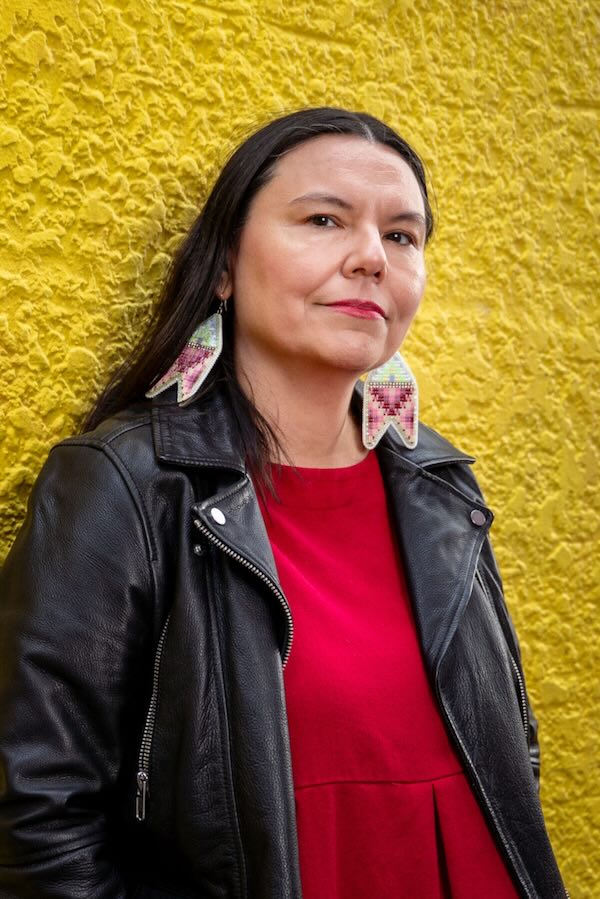
— Eden Fineday, Publisher, IndigiNews
Support us nowLatest Stories
-
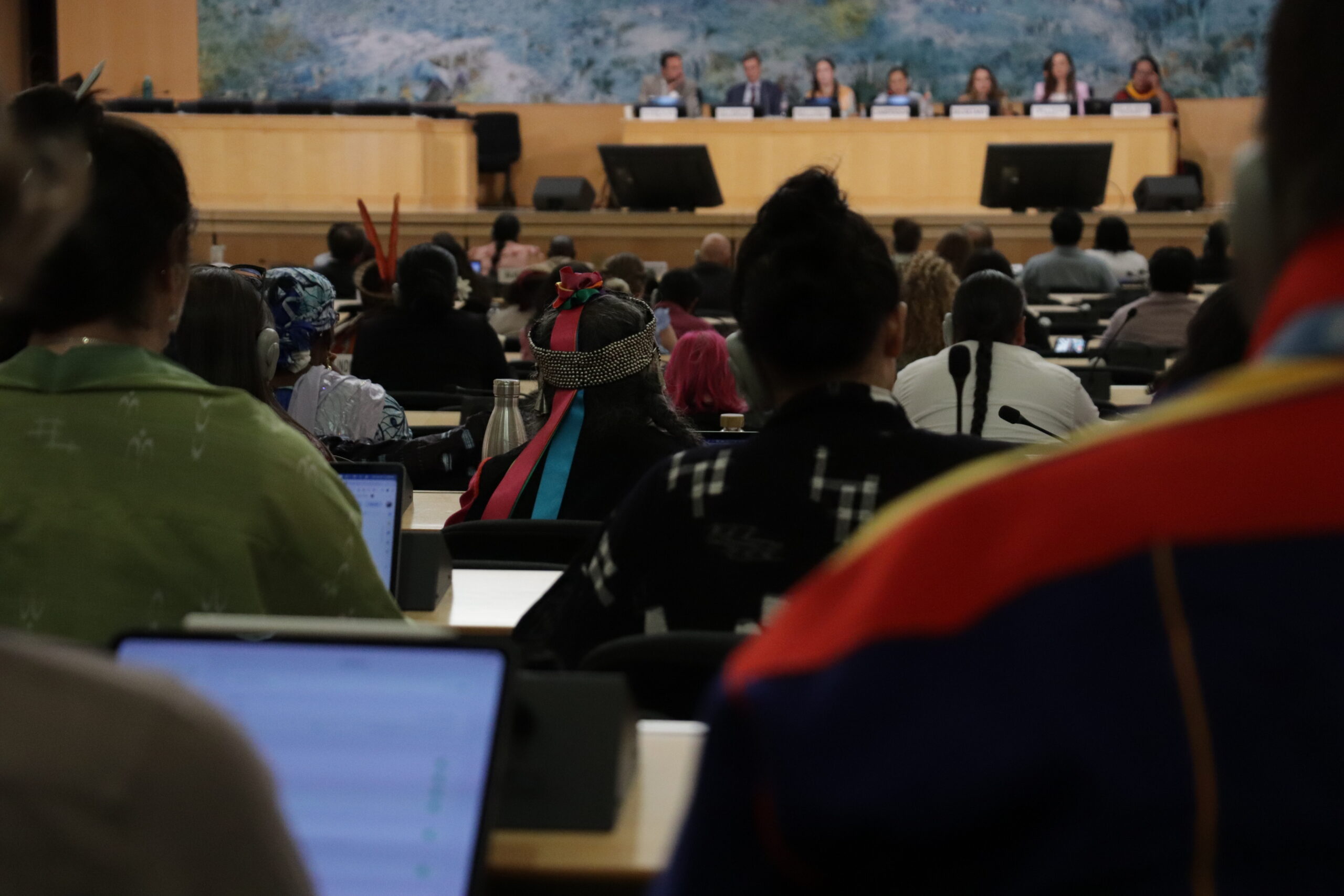
Indigenous leaders give the UN a roadmap for protecting their peoples
Amidst prayers and vows of solidarity, UN Expert Mechanism on the Rights of Indigenous Peoples ends annual meetings with demands for ‘action we’re not seeing globally’
-
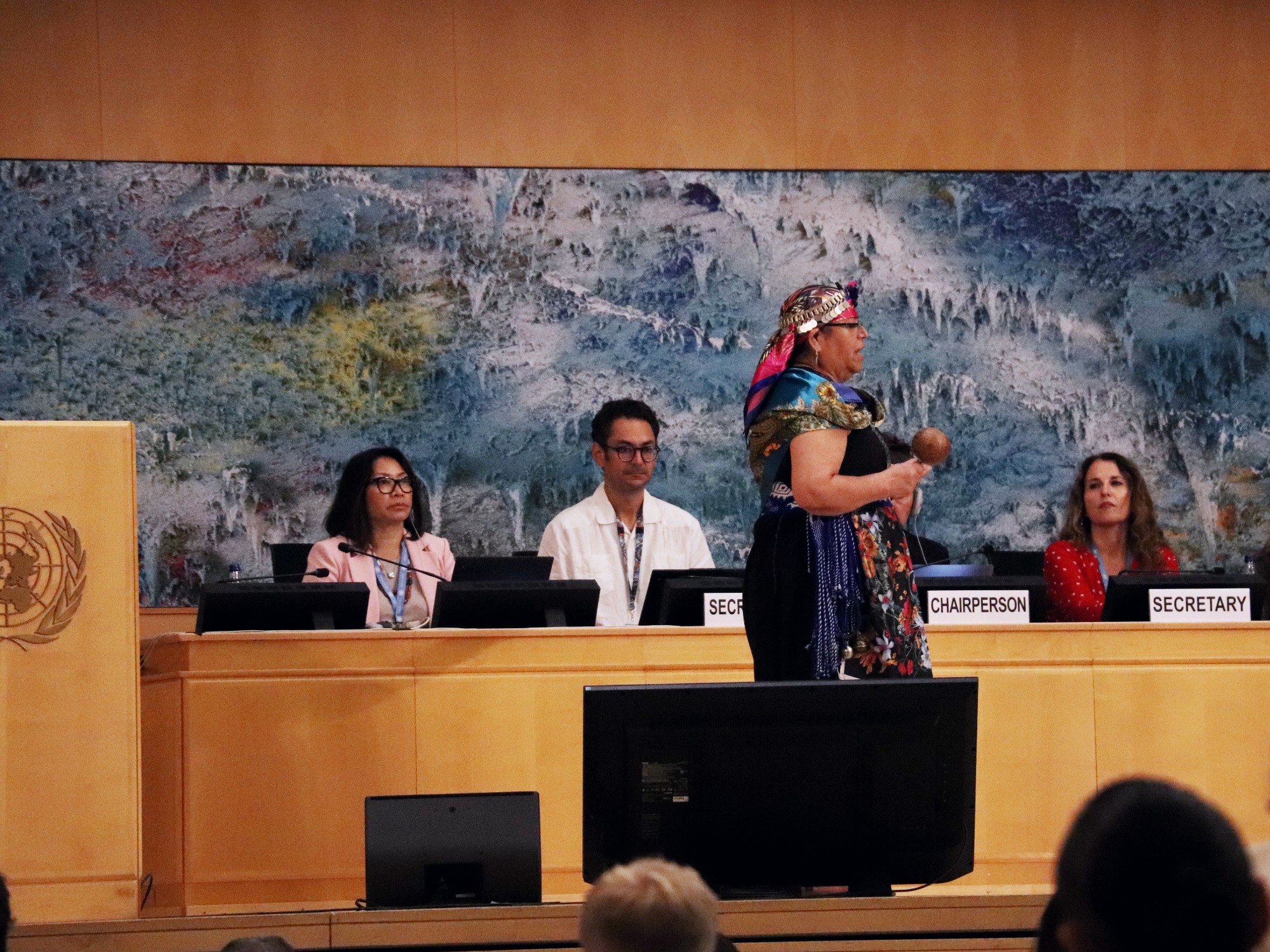
Indigenous people demand more say at the UN, as new crises hit their homelands
Indigenous nations live ‘on the frontlines’ of climate, conflict and new tech. But their voices remain sidelined in the global halls of power.