COVID-19 vaccinations administered ‘the Ahousaht way’
Youth advocate applauds extension, but wants ‘universal and comprehensive’ supports for all youth from care.
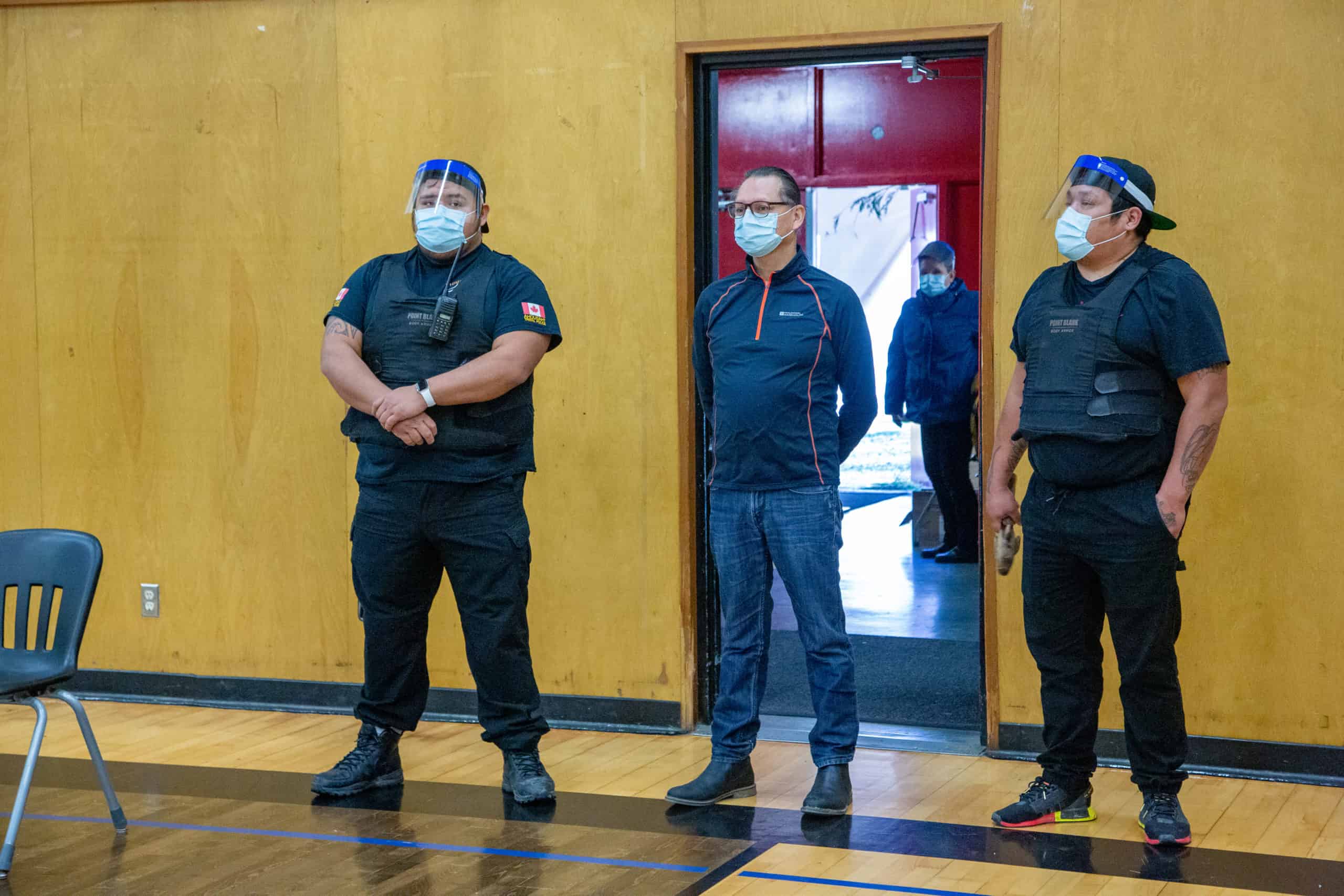
During the first week of 2021, the Ahousaht First Nation saw their whole community vaccinated “the Ahousaht way.” Cultural leaders worked alongside community members and nurses in the remote Nuu-chah-nulth community located on an island north of Tofino, off the west coast of Vancouver Island.
Chief Greg Louie says it was imperative that Ahousaht leadership provided information to community members, many of whom had questions about the vaccine and rollout process.
“We had a virtual Q&A in December with our medical health officer, Nuu-chah-nulth Tribal Council nurses and community. People could chime in and ask questions or raise concerns they may have had, and that was very helpful,” Louie tells IndigiNews.
There are reasons for what is called “vaccine hesitancy,” involving the “historical traumas from forced vaccinations in Indian residential schools and Indian hospitals, as well as ongoing widespread systemic racism in the health care system,” as outlined by Dr. Shannon McDonald, Acting Chief Medical Officer.
Dr. Shannon McDonald, acting chief medical officer, outlined possible reasons for “vaccine hesitancy” amongst Indigenous Peoples and communities, including: “historical traumas from forced vaccinations in Indian residential schools and Indian hospitals, as well as ongoing widespread systemic racism in the health care system.”
“The vaccine has been found to be safe and strong, preventing 94-95 per cent of infections after two doses,” McDonald wrote in a public statement on Feb. 10, 2020. “Thirty thousand people were tested with the Moderna vaccine, and 37,796 with the Pfizer vaccine, which are the two approved for use in Canada.”
‘The Ahousaht way’
Right before Christmas, the Ahousaht First Nation received notice from the First Nations Health Authority (FNHA), informing them that the vaccine was making its way to Ahousaht. Leadership made an announcement to community members and got busy planning the rollout.
“We had our Ahousaht leadership, we had our Ha’wiih (hereditary chiefs), we had our emergency operations center director and staff, our health personnel were involved, the Nuu-chah-nulth Tribal Council nurses were involved,” Louie explains.
“It rolled out really smooth.”
When the vaccines first arrived in Ahousaht, one Ha’wiih (hereditary chief), Tlaakishwia, walked down to the dock to meet the airplane and the nurses, Louie says.
“He welcomed the nurses with the vaccine into a house. It was an awesome gesture from our hereditary chief,” he says.
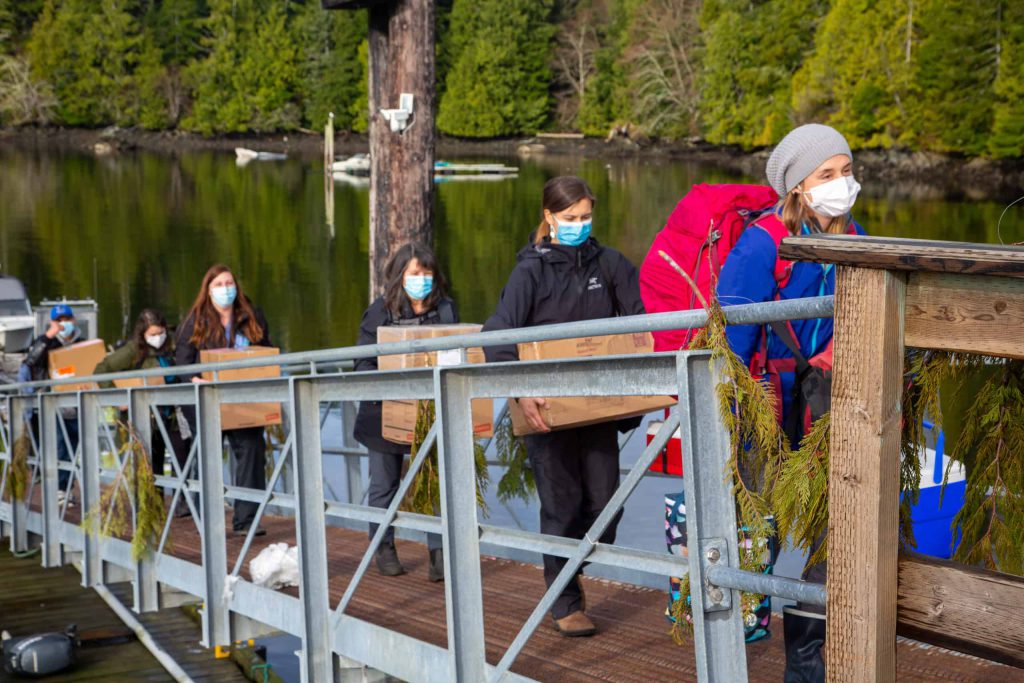
The first vaccine roll-out for the Ahousaht community was smooth, due to the preparation process and collaboration of nurses, leadership and community members, Chief Greg Louie says. Photo by Courtenay Louie
Ninety-two per cent of the eligible population were vaccinated Jan. 6-8. The community is preparing for the second round of vaccinations, set to arrive Feb. 22-24. Those not vaccinated were pregnant mothers and those with adverse health issues.
Ahousaht First Nation’s website is filled with COVID-19 information, resources, and links.
It was important to provide accurate information, from reputable sources, says Louie.
He says the planning committee divided the community of about 1,000 into eight sections, and each section was called separately to the marked tents set up outside the gymnasium.
People were greeted by cultural healers, Louie says, who would brush people off with cedar, if they wanted. After, people were welcomed into the gymnasium where they signed forms, asked lingeringquestions, and were given their vaccinations.
“In the waiting area we had more of our cultural people, spiritual people. If another person or community member wanted a brushing or cleansing, or was feeling anxious or nervous, they could call on the cultural people,” Louie explains.
“It was huge, and it was really important, vitally important, that this rolled out in the right way, in what we call ‘the Ahousaht way’.”
‘You could start to see the light’
In November and December, Louie says there were 18 positive COVID-19 cases in the community, which placed a great deal of emotional stress on everyone.
“The fear, the anxiety, the unknowns that it put on our community members — it was a lot to hold,” says Louie. “And some of them didn’t hold it, you know, they expressed it in many different ways.”
When the community received its first positive case in November, it went into lockdown. People were restricted from leaving. Ahousaht, accessible only by boat or plane, is already remote, and the restrictions were hard, Louie says.
Since the pandemic first took hold in March, food was brought into the community, Louie explains — basic staples, so people wouldn’t have to leave to shop.
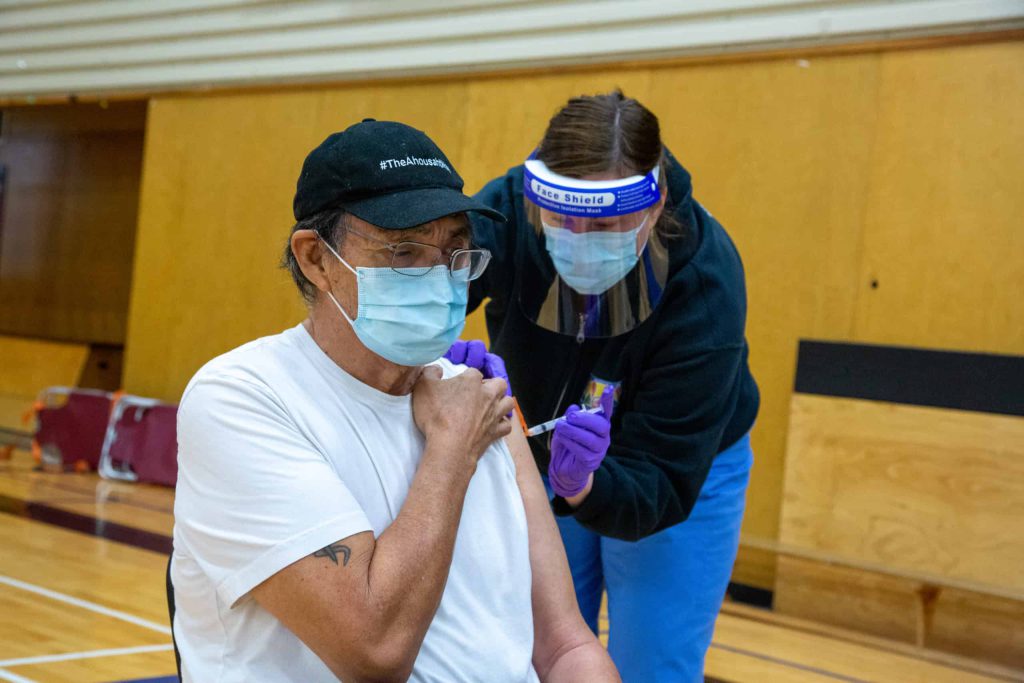
Elder Dave Frank was one of the Elders in the community to be vaccinated. Photo by Courtenay Louie
As the community rallied around organizing the rollout, including a dry-run, Louie says he became emotional. It was a hard and long winter, he said.
“It was a relief, you could start to see the light,” Louie describes. “During the time of the vaccination, I could see the attitudes of our team and community start to lighten up.”
Every Elder over 65 was gifted a blanket, “to comfort them, warm them,” Louie says. “It was a gift from the community.”
This is the Ahousaht way, Louie explains, reflective of the community’s cultural values of respect, teaching, and caring. When it comes to sharing information and experience, the fourth value of helping others surfaced as well.
“If there’s a piece that you take out of the Ahousaht way, and you bring it into your community, that’s what we’re here for,” Louie says.
“The way we do things is, it’s not for us to keep this. If it can help somebody else, that’s what we’re here for.”
Author
We live in a media ecosystem that thrives on misinformation. Big Tech and AI companies are consuming the work of real human beings and Canadian news has been banned on Facebook and Instagram.
And yet, I have hope for journalism because of the work we’re doing at IndigiNews.
At IndigiNews, we embody tâpwêwin — the Cree value of integrity and responsibility in truth-telling. We are committed to our independent, Indigenous-led newsroom rooted in community, accountability, and relationality. We believe storytelling is a sacred fire that connects our pasts, presents, and futures through the storytellers in our Storytelling Lodge. IndigiNews creates space for Indigenous journalists, storytellers, Knowledge Keepers, and communities to gather, learn, and share stories that matter.
As a registered charity, we are building a fire that allows our work not just to ignite but to thrive. Rather than relying on advertising or corporate acquisition, IndigiNews is sustained by people like you who believe Indigenous stories are important for the future of our communities.
Your support is making a real difference.
Our community of supporters, our Firekeepers, make it possible to grow our newsroom, publish award-winning journalism, train emerging Indigenous journalists through initiatives like the ReFocus Photojournalism Fellowship, and publish trustworthy stories that serve our communities across the country. Every story we publish helps fill in gaps left by mainstream media and ensures Indigenous perspectives are represented with care, accuracy and respect.
But there is still more work to do.
As the media landscape becomes more and more uncertain, community support is as necessary and essential as it’s ever been. Every new Firekeeper helps protect the independence of our newsroom and strengthens journalism that is accountable to our many and varied communities over corporations.
That’s why we’re inviting you to become a Firekeeper.
Firekeepers tend to and protect the sacred fire. Your monthly contributions directly support IndigiNews’s Storytelling Lodge, helps sustain our independent, Indigenous-led newsroom, and ensures future generations of Indigenous storytellers have the resources they need to do the work.
As a registered Canadian charity, all eligible donations receive a charitable tax receipt.
If you believe Indigenous stories matter, if you value independent journalism, and if you want to help build a strong future for Indigenous media, we invite you to join our circle of Firekeepers today.
Together, we can keep the fire burning.
— Eden Fineday, Publisher, IndigiNews
Support us nowLatest Stories
-
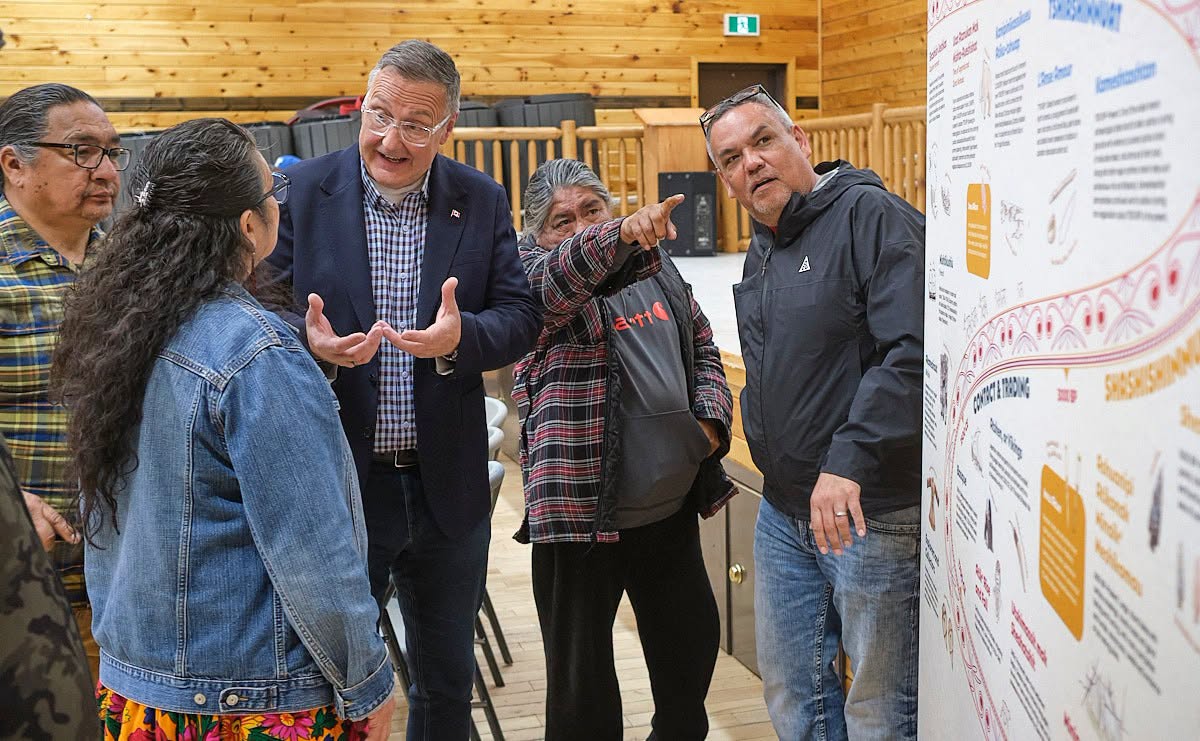
Innu Nation ‘moved to anger, to strength’ after accusing province of censoring history
Solidarity pours in after ‘Labrador’ history exhibition abruptly cancelled after province ordered removal of cultural items and timelines older than 300 years
-
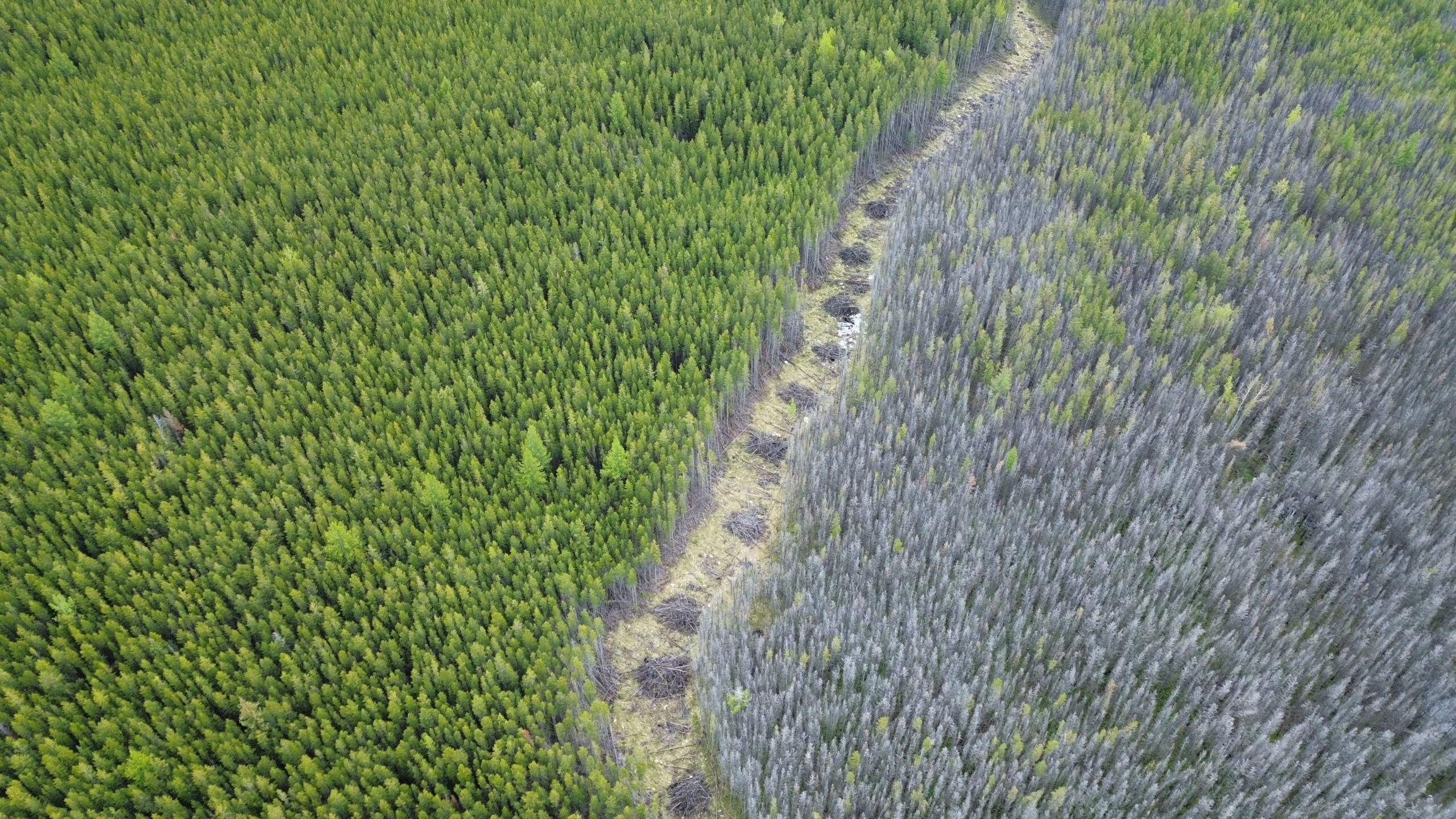
Osoyoos Indian Band set to restore native plants, species in wildfire-ravaged forests
The First Nation plans to clear out burned spaces and restore trees, berries and medicinal plants to the area, encouraging biodiversity and wildlife to return