In divisive political times, we need each other more than ever
Despite an imaginary line dividing us, ‘Canadians’ and ‘Americans’ are part of one human family — and we have more in common than we do differences
Most of you are likely keenly aware that emotions around our former favourite neighbour are running high these days.
On social media and in the news, we’ve been hearing horror stories about ICE raids and Canadians being locked up in immigration jails, many without access to lawyers or family. Almost everything we’re hearing about the situation south of the border right now is scary stuff, on every level — politics, economics and basic human rights.
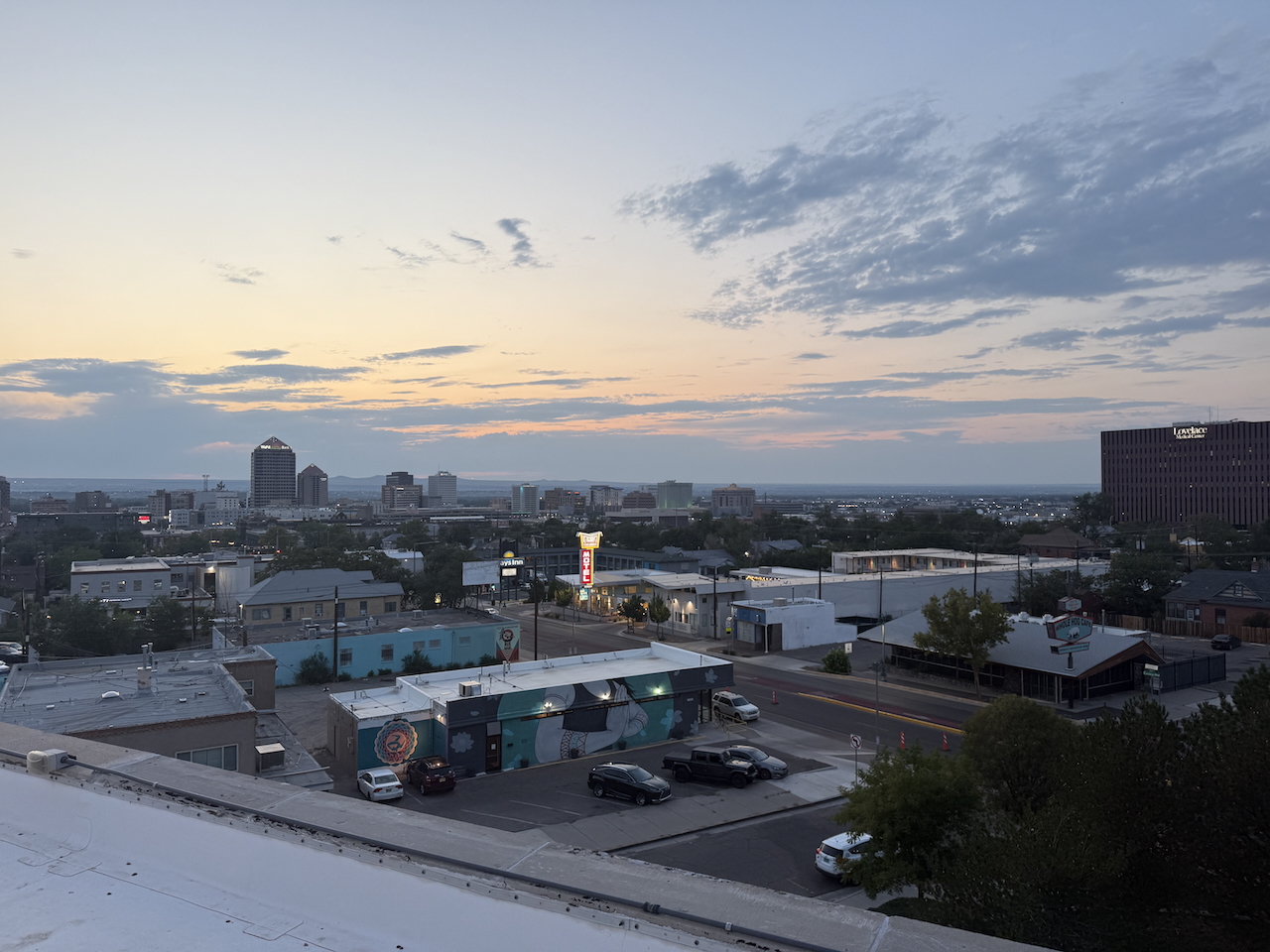
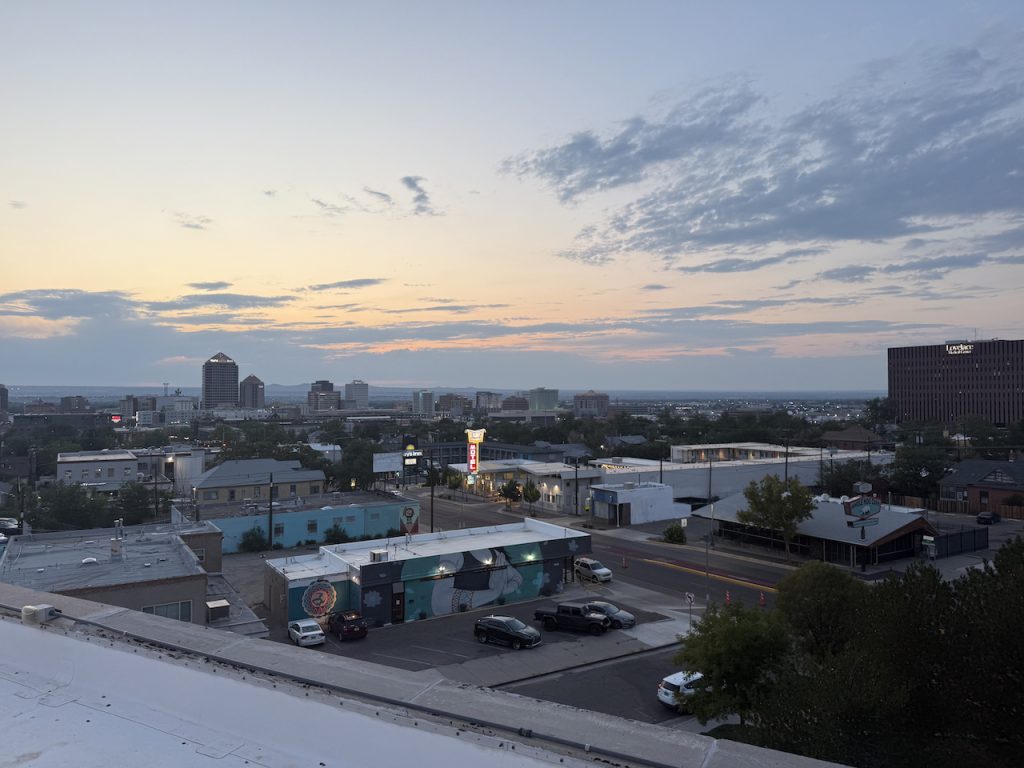
I recently attended the Indigenous Journalists Association 2025 Indigenous Media Conference in Albuquerque, NM. When I posted about being in Albuquerque on Facebook, one of my friends advised me to be careful. I can understand why he would be worried about me, but I also fundamentally disagree with the sentiment that the “United States” is inherently more dangerous for me, an Indigenous woman, than “Canada” is.
In fact, it’s quite possible that I’m safer there.
Why? Because given the large population of the “United States” — at 340 million — it’s not outlandish to assume that there might be 50 or 60 million compassionate and intelligent human beings who care about social justice and are victims of the same authoritarian policies that have Canadians scared. It’s not crazy to think that there are large pockets of people who might even stand up for Indigenous people in a way Canadians won’t.
It’s possible that there are 50 or 60 million people who care about social justice in the “United States.” That’s more than the entire population of “Canada.” Think about that.
“Canada” is where a white farmer was able to shoot a young Indigenous man point blank in the back of the head in 2016 and get away with it. Rest in peace, Colten Boushie.
“Canada” is where thousands of Indigenous people have gone missing or been murdered. Their families have been waiting decades for a justice that still has not come.
“Canada” is where thousands of children were abused and died at the hands of the state — and of the churches authorized by that state. It’s the home of the very loud deniers of our truths, who are frequently given platforms to espouse these ideas.
“Canada” contains a lot of people who harbour anti-Indigenous racism.
“Canada” is where you’ll feel the silent chill of someone who is offended by being referred to as “white,” but they’ll happily racialize anyone who isn’t. In the 11 years I lived in the “United States” as a younger woman, I never met a single person who was offended by conversations about race the way I have in “Canada.”
It’s true that the “United States” is not a utopia — but neither is “Canada”.
Both countries have entire cultures that aren’t visible on your screens. Both countries have culture, music, art, sport and scholarship that the greater public often doesn’t get to see.
Both countries are dealing with a public health crisis that has seen a staggering number of opioid-related deaths. 7,146 in “Canada” and a shocking 80,400 in the “U.S.” That’s a lot of loss. That’s a lot of mothers, fathers, children, siblings and friends who were dealt what must be the most painful news of their lives.
I am one of those siblings. I’ve lost two siblings to drug overdoses. But I don’t hear enough public outcry about these completely preventable tragedies. They continue unchecked while we allow ourselves to get whipped into a fervour about Canadian nationalism.
I am very concerned about the state of global politics. I am horrified at the injustices that are being carried out at home and abroad. But when I go to the “United States,” I see people just like me — people laughing with family and friends, swapping stories about their lives. People grappling with complex family issues, navigating questions of identity and loss. People who are doing their best in systems that were not designed with their wellbeing in mind.
Don’t get me wrong — I believe in buying locally. I proudly pay taxes. I like the idea of supporting my larger community. And, I appreciate the administrative infrastructure of “Canada,” which has allowed me to carry a Canadian passport and travel all over the world. I am truly grateful for the free health care. But, for me, “Canada” is a kind of administrative framework, useful for carrying out administrative tasks in modern times. It’s not my core identity.
We are not just “Canadians.” We are humans, and we are part of the human family. I believe we have more in common with so-called Americans than we do differences, and this is even truer for Indigenous Peoples. How we’ve been treated by colonial powers on both sides of that imaginary line has never been right, and what’s happening to Black, Indigenous and people of colour across the “United States” today is also not right.
But there are millions of people there — tens of millions, probably — who are just as terrified by what is happening in “America” as Canadians are. They are not our enemies. And as long as we stay away, they remain invisible to us. By avoiding them, we are abandoning them and ignoring an opportunity to learn from and support each other.
I will keep all people in my heart in the coming years — for I fear that things will continue to worsen. The earth is struggling too, and since we are dependent on her, I fear that we will all soon have to face the consequences for how we’ve treated her. So let us not get caught up in nationalism.
Things are tough all over, and we need each other.
Author
We live in a media ecosystem that thrives on misinformation. Big Tech and AI companies are consuming the work of real human beings and Canadian news has been banned on Facebook and Instagram.
And yet, I have hope for journalism because of the work we’re doing at IndigiNews.
At IndigiNews, we embody tâpwêwin — the Cree value of integrity and responsibility in truth-telling. We are committed to our independent, Indigenous-led newsroom rooted in community, accountability, and relationality. We believe storytelling is a sacred fire that connects our pasts, presents, and futures through the storytellers in our Storytelling Lodge. IndigiNews creates space for Indigenous journalists, storytellers, Knowledge Keepers, and communities to gather, learn, and share stories that matter.
As a registered charity, we are building a fire that allows our work not just to ignite but to thrive. Rather than relying on advertising or corporate acquisition, IndigiNews is sustained by people like you who believe Indigenous stories are important for the future of our communities.
Your support is making a real difference.
Our community of supporters, our Firekeepers, make it possible to grow our newsroom, publish award-winning journalism, train emerging Indigenous journalists through initiatives like the ReFocus Photojournalism Fellowship, and publish trustworthy stories that serve our communities across the country. Every story we publish helps fill in gaps left by mainstream media and ensures Indigenous perspectives are represented with care, accuracy and respect.
But there is still more work to do.
As the media landscape becomes more and more uncertain, community support is as necessary and essential as it’s ever been. Every new Firekeeper helps protect the independence of our newsroom and strengthens journalism that is accountable to our many and varied communities over corporations.
That’s why we’re inviting you to become a Firekeeper.
Firekeepers tend to and protect the sacred fire. Your monthly contributions directly support IndigiNews’s Storytelling Lodge, helps sustain our independent, Indigenous-led newsroom, and ensures future generations of Indigenous storytellers have the resources they need to do the work.
As a registered Canadian charity, all eligible donations receive a charitable tax receipt.
If you believe Indigenous stories matter, if you value independent journalism, and if you want to help build a strong future for Indigenous media, we invite you to join our circle of Firekeepers today.
Together, we can keep the fire burning.
— Eden Fineday, Publisher, IndigiNews
Support us nowLatest Stories
-
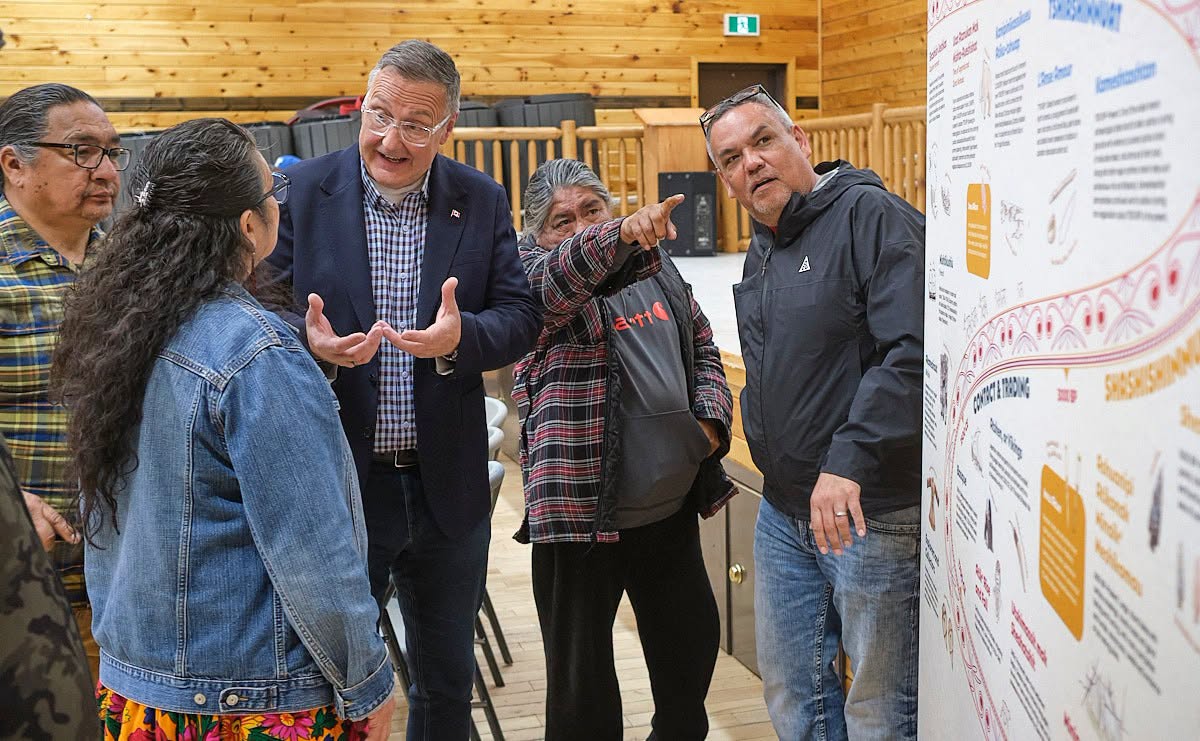
Innu Nation ‘moved to anger, to strength’ after accusing province of censoring history
Solidarity pours in after ‘Labrador’ history exhibition abruptly cancelled after province ordered removal of cultural items and timelines older than 300 years
-
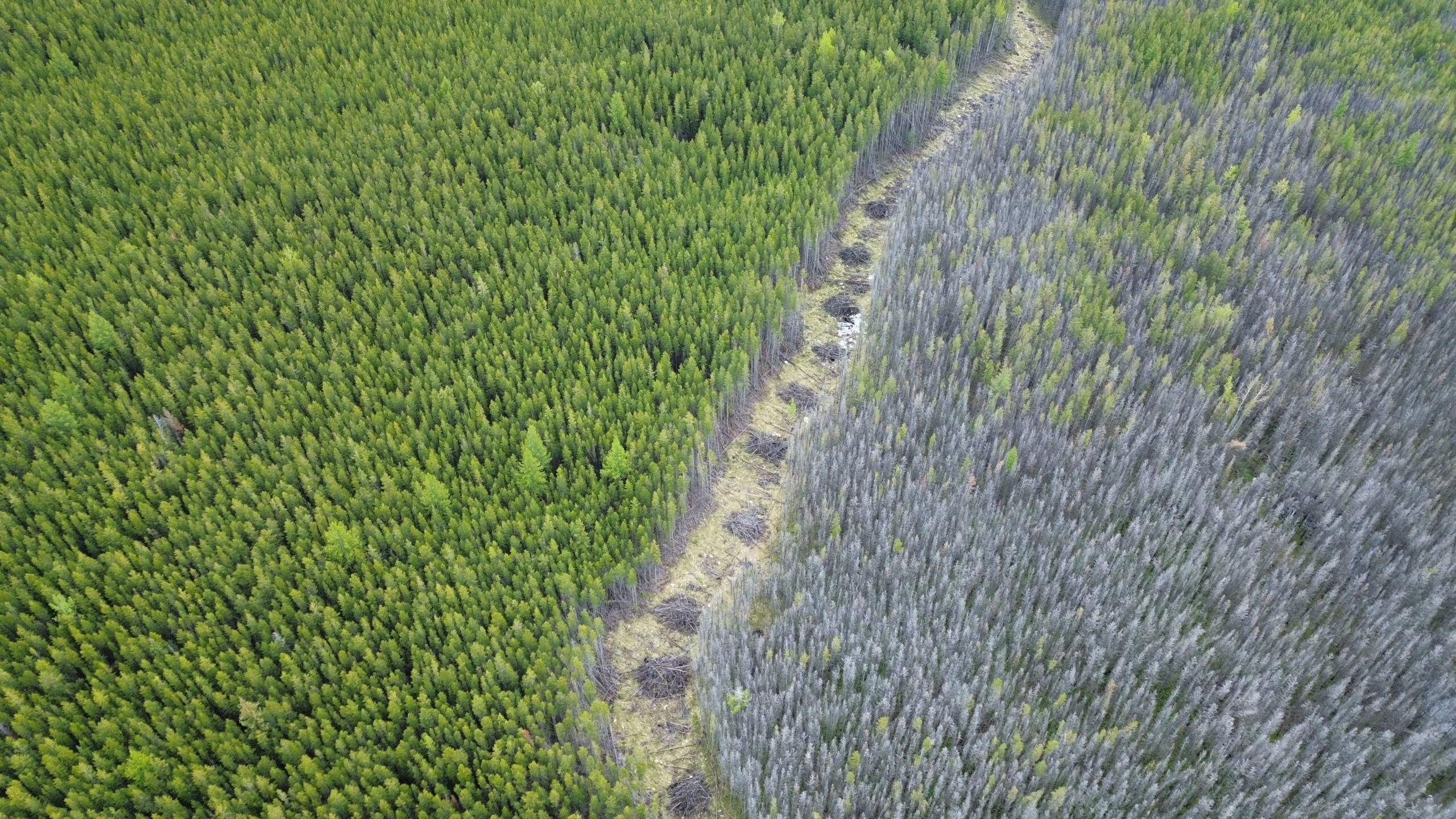
Osoyoos Indian Band set to restore native plants, species in wildfire-ravaged forests
The First Nation plans to clear out burned spaces and restore trees, berries and medicinal plants to the area, encouraging biodiversity and wildlife to return