syilx Okanagan Nation declares watershed emergency: ‘We’re in a crisis right now’
Declaration follows years of worsening drought, shrinking snowpack, and declining streamflows. Now, leaders call for water restrictions, fish protections — and shared governance over watershed
This story is first in a series examining how syilx leaders are responding to worsening watershed conditions through Indigenous-led governance, collaborative stewardship, and long-term ecological planning across the Okanagan and Similkameen regions. Read the second and third stories.
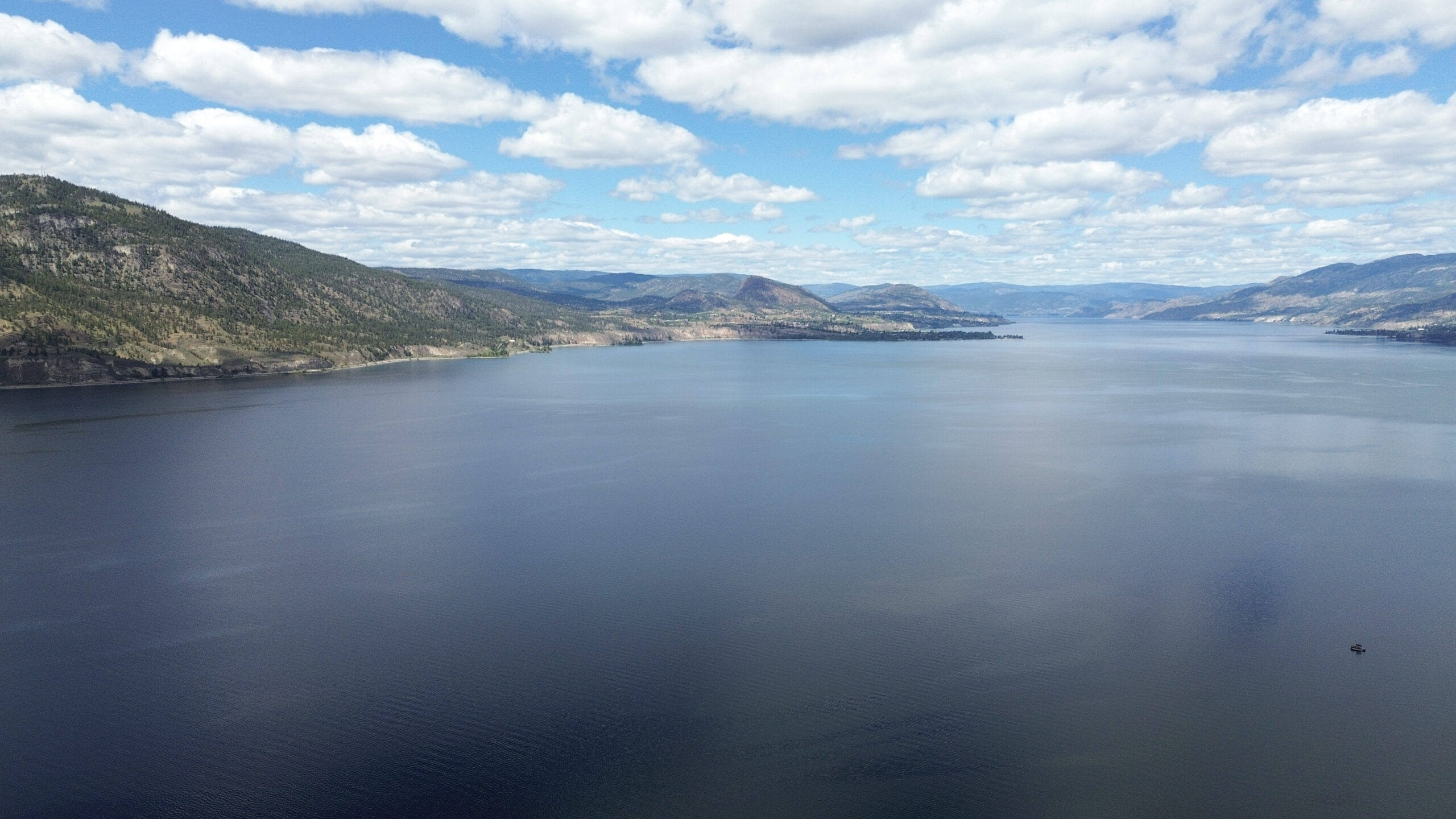
The syilx Okanagan Nation has declared an emergency across six of its major watersheds in response to worsening droughts, declining fish populations, and growing threats to long-term water security throughout its territories.
The declaration, issued Wednesday by the Okanagan Nation Alliance (ONA), applies to the Okanagan, Simikameen, Nicola, Kettle, Salmon and Bessette watersheds across “B.C.’s” southern Interior.
Chief Robert Louie, of Westbank First Nation (WFN), said it is urgent that all of the region’s governments work more closely together to address the threats to siwɬkʷ (water).
“The syilx Nation is acting within its inherent jurisdiction and responsibility to protect siwɬkʷ for future generations,” Louie said in the declaration.
“Water is life, and the health of our watersheds can no longer be treated as secondary to development and short-term interests.”
This year marks the fourth consecutive year that the Okanagan Basin — home to around 380,000 people — is experiencing drought, according to the Okanagan Basin Water Board (OBWB).
‘It’s not even summer yet’
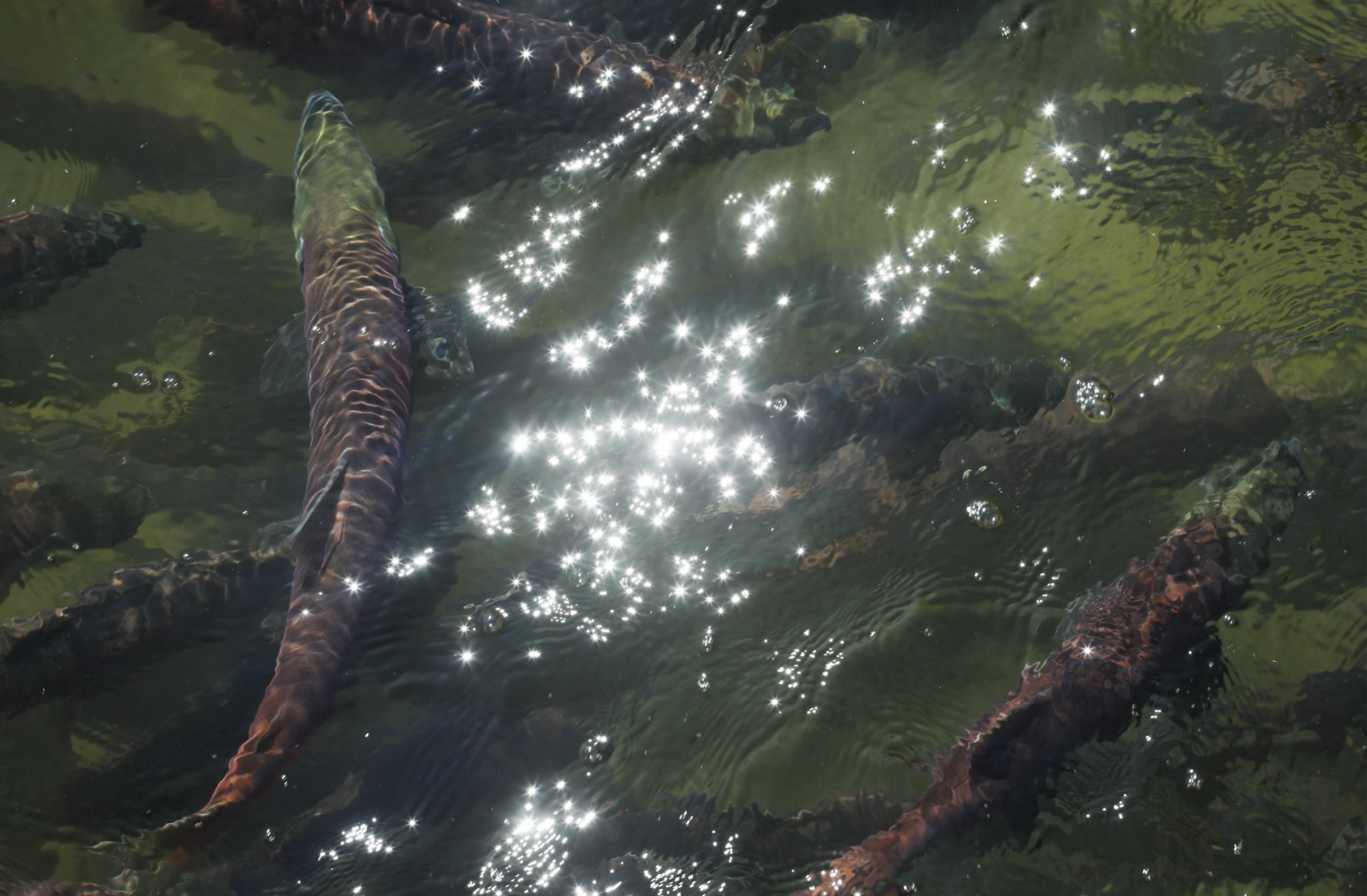
Elders, knowledge holders and technical staff across syilx territory have also observed increasingly dry upper-watershed creeks, springs and wetlands, alongside rising water temperatures and declining streamflows affecting xʷəxʷm̓ínaʔ (rainbow trout) populations in Mission Creek and other tributaries, the nation said.
Earlier this month, IndigiNews reported that WFN members were transporting rainbow trout by hand into Mission Creek — after finding the fish stuck in dried up creeks and tributaries, struggling to swim up to the main waterway during their spawning season.
“Seeing the videos of the trout literally running out of the energy to sustain themselves is heartbreaking. It just makes you feel helpless and hopeless,” WFN councillor c̓ris Jordan Coble told IndigiNews.
“It’s tough. It’s sad. And it’s worrisome for the months to come, because it’s not even summer yet.”
With snowpacks melting earlier and faster across sylix territory, waterways are warming prematurely in the season, which has a fisheries biologist with ONA worried about “a really bad year” for adult salmon migrating up the Okanagan River, as they return to spawn in the Okanagan Basin and surrounding Columbia River Basin.
When water gets too warm for fish to migrate through, it creates a natural phenomenon known as a thermal barrier.
“I would anticipate [a] thermal barrier setting up [in the Okanagan River] early again this year, probably,” said Elinor McGrath, a fisheries biologist with ONA.
The Nation also cited the early die-off of sp̓iƛ̓əm (bitterroot), a culturally significant root harvested throughout parts of sylix territory, alongside increasing ecosystem stress as indicators of accelerating environmental change. The Nation said current government and management systems “have failed to adequately protect watershed health.”
“These conditions represent an escalating cultural, ecological, and governance emergency that threatens communities, ecosystems, and tmixʷ — all living things,” the declaration states.
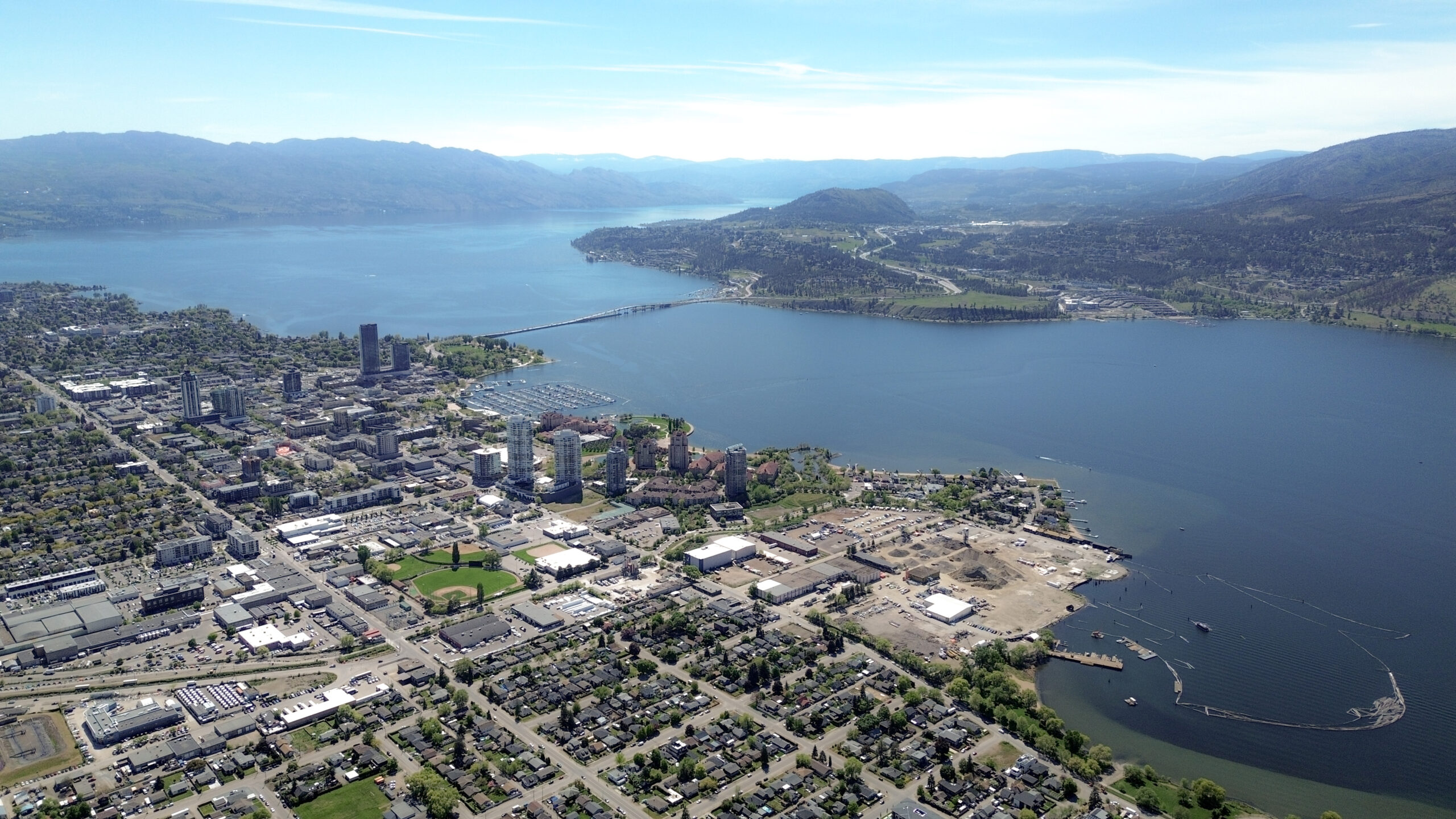
The water quality of kɬúsx̌nítkʷ (Okanagan Lake) alone is also threatened by invasive mussels, algae blooms, microplastics, and more.
‘We’re in a crisis right now’
Earlier this spring, members of the Okanagan-Similkameen Collaborative Leadership Table (CLT) warned the clock is ticking to address worsening water conditions across the region.
During a panel discussion at the opening day of the ONA’s annual siwɬkʷ and Climate Forum, Penticton Indian Band Chief Greg Gabriel told a room of more than 300 people that “we’re in a crisis right now” in terms of water quality and availability in the area.
“We have an urgency,” Gabriel said during the forum’s first day, which was hosted across two days in kiʔláwnaʔ (Kelowna) in syilx territory.
“I think [it] is a bit too late, but … we have to come together and plan and work together.”
His comments came as members of the CLT celebrated their commitment to coming together around a 250-year plan to restore and protect the health of waterways and surrounding ecosystems across the two watersheds.
“Not only 250 years, but five, 10 years from now,” said Gabriel. “We are a bit behind on the times to start fixing what’s happening out there.
According to data obtained by IndigiNews, Interior Health issued 1,059 water system advisories in the Okanagan‑Similkameen region between 2016 and 2025.
Of these advisories, which health authorities issue “as a precaution when there is a risk the water may not be safe to drink,” 649 were boil-water notices.
At the time of publication, 74 water advisories remain in effect, including four unresolved since 2016, and 20 since 2023.
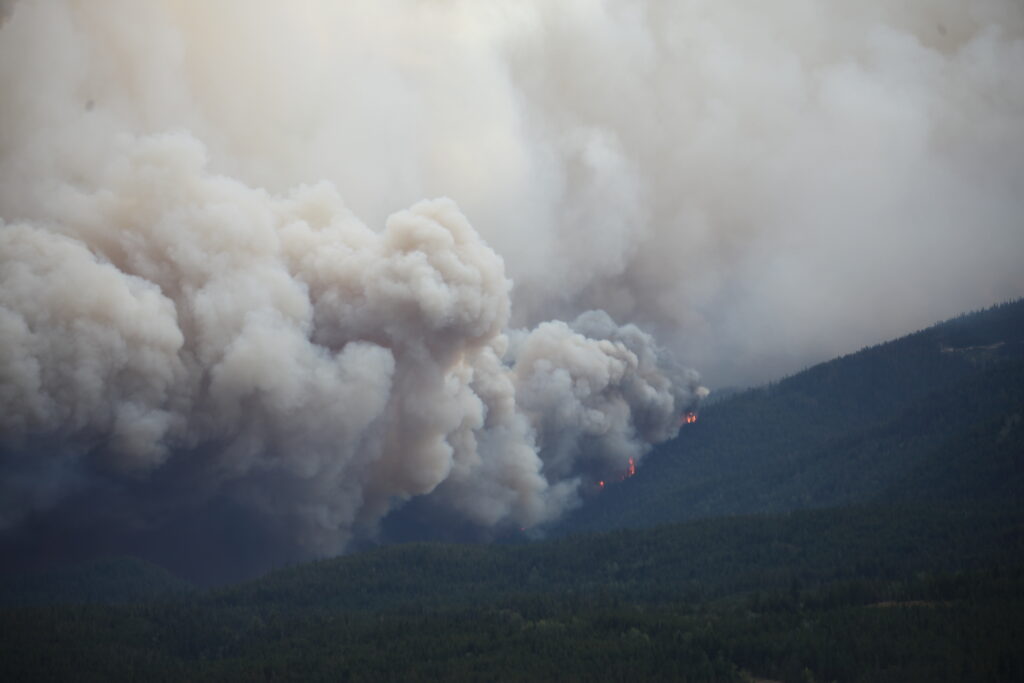
Post-wildfire landscapes also contribute to water quality declines, as they can deliver harmful sediments and nutrients into waterways.
Particularly powerful wildfires in 2017, 2021 and 2023 “affected several Okanagan source watersheds,” according to Nelson Jatel, the water stewardship director for OBWB.
In 2023, Interior Health issued 153 water advisories for the Okanagan-Similkameen — the highest single year in the decade ending last year.
In many regional snow-pack areas, industrial logging — particularly clear-cutting — is leaving fewer trees to provide shade.
This is not only impacting how much water is held in a watershed’s snowpack but also contributing to warming waterways because there aren’t enough trees to cool them.
‘We have to work together’
The ONA called on the province and relevant agencies to take “immediate and co-ordinated” action through a number of emergency measures.
Those recommendations include a temporary pause on new surface and groundwater licences; mandatory reductions in water use; establishing a co-governance forum on water scarcity between syilx Nation and the province; including local governments in managing watersheds; and urgently protecting critical fish populations.
“This is a formal call to action for governments, organizations, industry, and communities to work in true partnership with the syilx Nation through shared decision-making, accountability, and urgent collective action,” the ONA stated.
In 2024, 19 leaders from both the syilx Nation and local governments — including regional districts and municipalities — signed a memorandum of agreement formalizing the Collaborative Leadership Table.
The agreement describes the leadership table as a government-to-government commitment to protecting and restoring siwɬkw in the Okanagan and Similkameen Watersheds.
“We know we have to work together,” said Penticton Mayor Julius Bloomfield at the March forum.
“We have shown that we are willing to work together — not because we have to, but because we want to.”
Louie agreed that for such collaboration between decision-makers to succeed, it has to start with mutual “respect,” and an effort to “align” strategies on water governance.
“Our common concern is very simple, and that is to protect our water and ecosystems, to ensure that water is there for at least another 10 generations, being 250 years,” he told forum participants. “That means, for us, all time.”
Read part two in this series about syilx-led watershed governance here.
Author
We live in a media ecosystem that thrives on misinformation. Big Tech and AI companies are consuming the work of real human beings and Canadian news has been banned on Facebook and Instagram.

And yet, I have hope for journalism because of the work we’re doing at IndigiNews.
At IndigiNews, we embody tâpwêwin — the Cree value of integrity and responsibility in truth-telling. We are committed to our independent, Indigenous-led newsroom rooted in community, accountability, and relationality. We believe storytelling is a sacred fire that connects our pasts, presents, and futures through the storytellers in our Storytelling Lodge. IndigiNews creates space for Indigenous journalists, storytellers, Knowledge Keepers, and communities to gather, learn, and share stories that matter.
As a registered charity, we are building a fire that allows our work not just to ignite but to thrive. Rather than relying on advertising or corporate acquisition, IndigiNews is sustained by people like you who believe Indigenous stories are important for the future of our communities.
Your support is making a real difference.
Our community of supporters, our Firekeepers, make it possible to grow our newsroom, publish award-winning journalism, train emerging Indigenous journalists through initiatives like the ReFocus Photojournalism Fellowship, and publish trustworthy stories that serve our communities across the country. Every story we publish helps fill in gaps left by mainstream media and ensures Indigenous perspectives are represented with care, accuracy and respect.
But there is still more work to do.
As the media landscape becomes more and more uncertain, community support is as necessary and essential as it’s ever been. Every new Firekeeper helps protect the independence of our newsroom and strengthens journalism that is accountable to our many and varied communities over corporations.
That’s why we’re inviting you to become a Firekeeper.
Firekeepers tend to and protect the sacred fire. Your monthly contributions directly support IndigiNews’s Storytelling Lodge, helps sustain our independent, Indigenous-led newsroom, and ensures future generations of Indigenous storytellers have the resources they need to do the work.
As a registered Canadian charity, all eligible donations receive a charitable tax receipt.
If you believe Indigenous stories matter, if you value independent journalism, and if you want to help build a strong future for Indigenous media, we invite you to join our circle of Firekeepers today.
Together, we can keep the fire burning.
— Eden Fineday, Publisher, IndigiNews
Support us nowLatest Stories
-
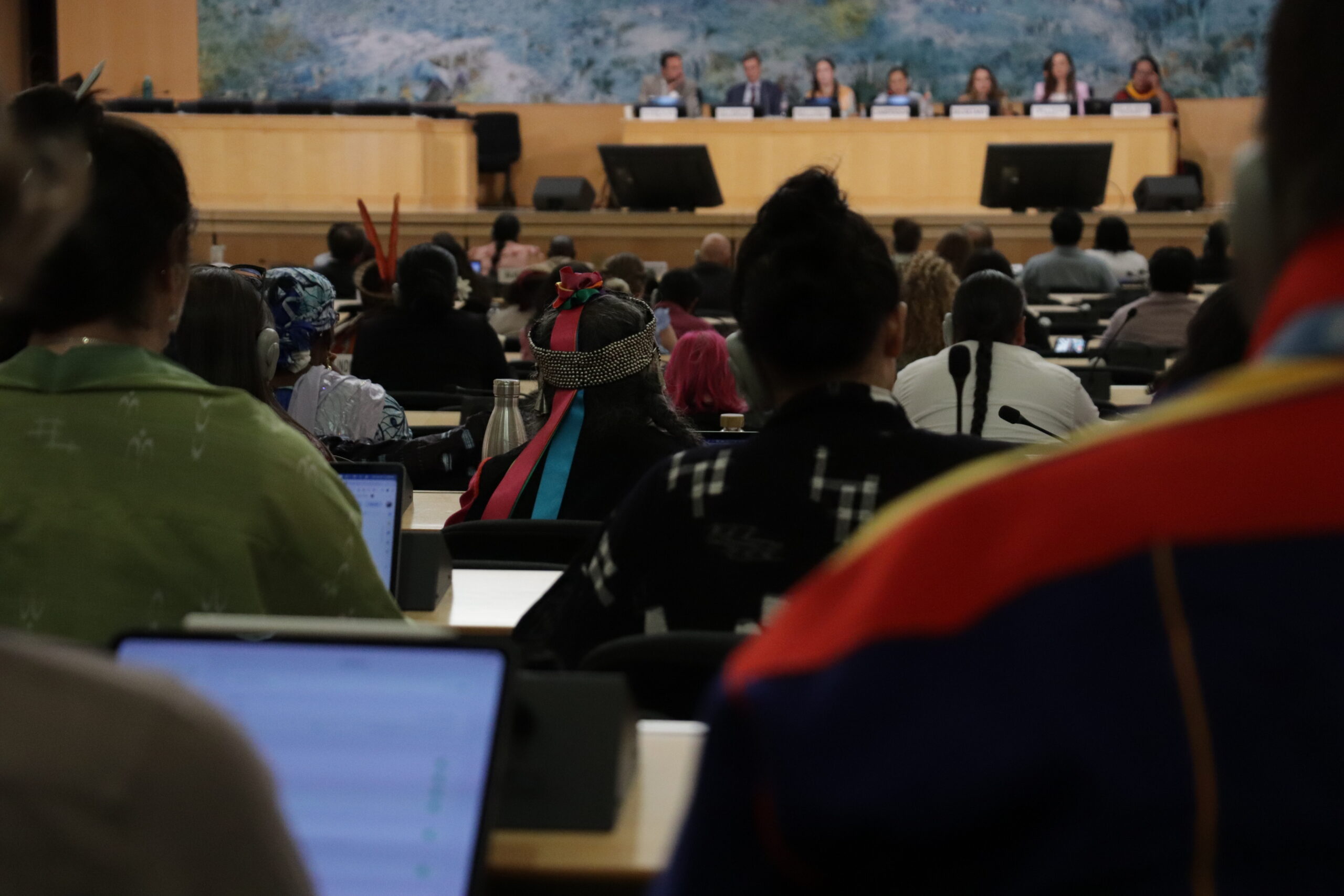
Indigenous leaders give the UN a roadmap for protecting their peoples
Amidst prayers and vows of solidarity, UN Expert Mechanism on the Rights of Indigenous Peoples ends annual meetings with demands for ‘action we’re not seeing globally’
-
Indigenous people demand more say at the UN, as new crises hit their homelands
Indigenous nations live ‘on the frontlines’ of climate, conflict and new tech. But their voices remain sidelined in the global halls of power.