New Tŝilhqot’in Radio app brings community voices to listeners everywhere
From Youth-hosted podcasts to Elders sharing stories in their own language, the initiative is helping strengthen connections across generations and beyond community boundaries
A Tŝilhqot’in grandmother listening to the radio in her language. Youth interviewing Elders and aunties for community podcasts. Tŝilhqot’in people living away from home staying connected on the airwaves through stories, music and language.
Those are some of the possibilities Jenny Philbrick sees with the release of Tŝilhqot’in Radio’s new app.
Launched by the Tŝilhqot’in National Government (TNG) in April, the app expands access to Tŝilhqot’in Radio, a language and culture-based program that gives listeners around the world access to stories, music, podcasts, community updates and opportunities to hear and learn the Tŝilhqot’in language.
Philbrick, executive director of the Tŝilhqot’in National Government, says the app has already generated excitement among community members eager to access language and cultural programming from members both living on and off reserves.
“Every Youth has a phone, so they have that connection now where they’re going to be able to listen to the language, stay connected to the land,” Philbrick says.
“I think it’s good for their hearts, but it’s also good for their education and for grounding.”
Statistics Canada reported that, nationally, more than 800,000 Indigenous people were living in large urban centres in 2021 making the reach of radio apps like Tŝilhqot’in’s an appealing factor.
Philbrick notes that there are Tŝilhqot’in members including Youth living in “Kelowna,” “Toronto” and in many other urban areas who are now able to listen and learn.
Its reach extends well beyond the six Tŝilhqot’in communities in west-central “B.C.” Philbrick says she has heard from Māori connections in New Zealand who have been listening to Tŝilhqot’in Radio, spreading Tŝilhqot’in stories and language farther than she ever imagined.
Youth sharing stories
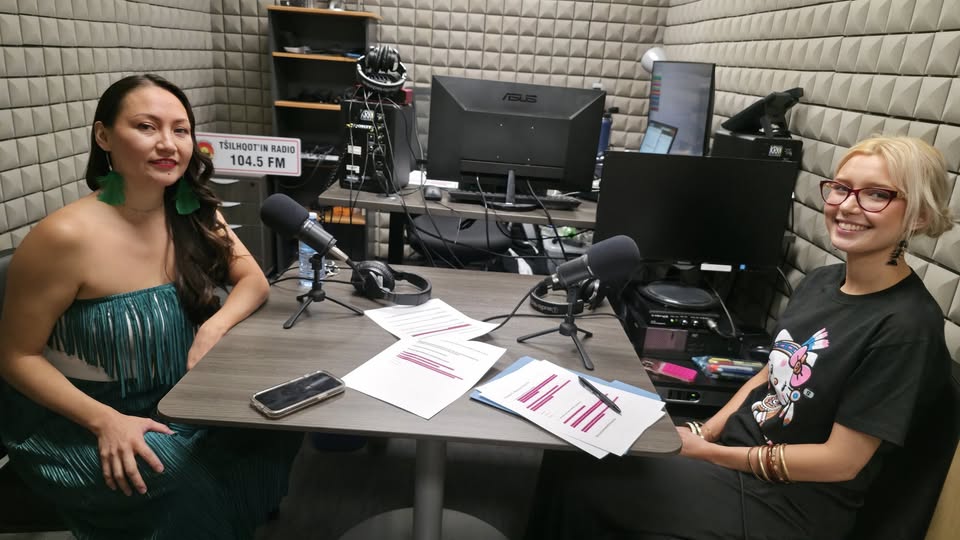
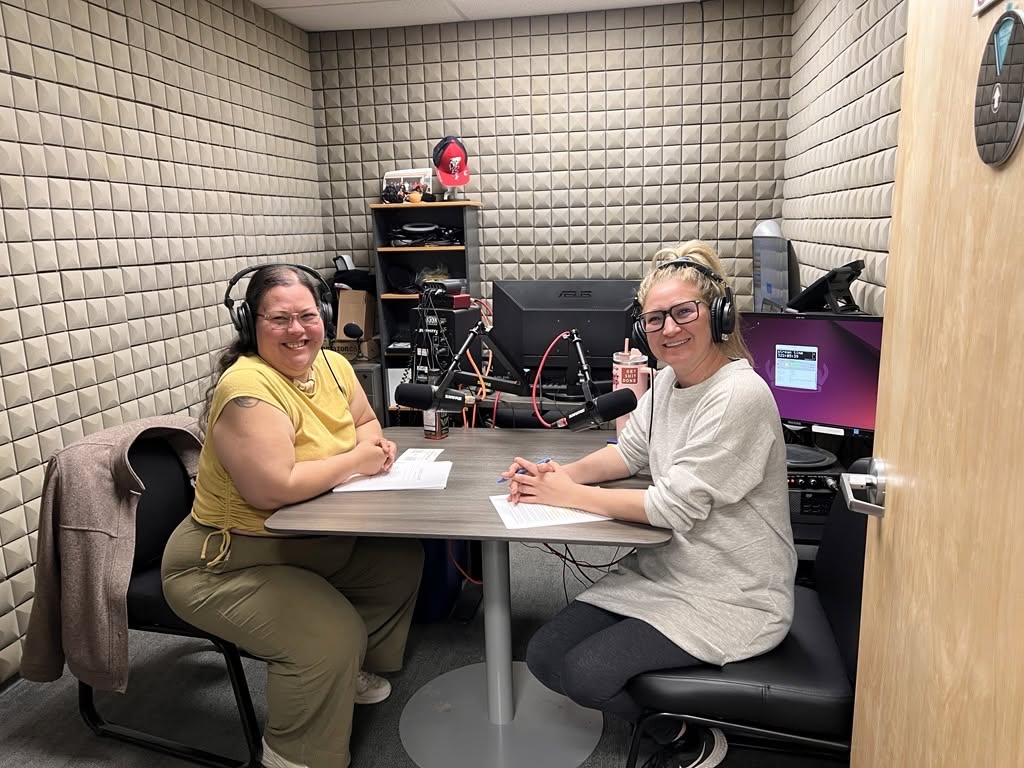
One way the Youth can learn and share is through the Ts’iqi Nadint’i (Matriarch) podcast, hosted by 19-year-old Tl’etinqox member Kay-Lee Jansen.
Jansen has spoken with a variety of women, including Talia Baptiste, manager of the Tŝilhqot’in Women’s Council, and Geraldine Charleyboy Elkins, a paramedic, to share their stories.
Topics of all kinds are discussed in the podcast, from motherhood, careers and their own cultural teachings. In a recent interview with Xeni Gwet’in rapper Rebecca Solomon, they discussed influential matriarchs in Solomon’s life, Tŝilhqot’in matriarchs in leadership, and the influence behind her music career where she is known as Beka Solo.
The podcast creates space for conversations between generations, allowing listeners to hear stories, life experience and knowledge directly from Tŝilhqot’in women.
For Jansen, the conversations create opportunities for younger generations to learn from women whose experiences might otherwise go undocumented which further that reconnection with culture.
Much of the outreach of the podcast has grown from relationships built through TNG gatherings and community events. Growing up attending those gatherings, and now working as a receptionist and administrative assistant with TNG, has helped Jansen develop connections she can continue exploring through the podcast.
Those existing relationships help create a sense of trust and familiarity for guests sharing their experiences.
One of the most meaningful moments came when another young person approached her about the podcast and asked about upcoming episodes.
“That, kind of, was one of the biggest ones for me, is getting that recognition from another Youth,” she says.
The interaction served as a reminder that other young people were listening and finding value in the conversations. At the same time, the relationships that have emerged through the podcast have become one of the most rewarding parts of the work.
“Gaining friendships with these matriarchs and Elders is something that I’m going to carry for life. I’m so blessed to be in a position where they choose to share their knowledge and wisdom,” she says.
Learning through language
In the Ts’iqi Nadint’i podcast, Jansen incorporates Tŝilhqot’in language throughout each episode. Philbrick describes the effort as “powerful,” saying it demonstrates that traditional knowledge and language remain part of everyday life.
“We try to use the language as much as possible, even if you’re saying it wrong, who cares, at least you’re attempting,” Philbrick says.
Jansen agrees.
“When I say things, if I mess it up, I know there’s no one judging me for it because I’m trying, I’m trying to revitalize the language,” she says.
For Jansen, the programs offer Youth another pathway into the language and culture.
“I think having these shows and podcasts, it gives people reasons to reconnect with their language to be invested,” she says.
Being able to hear the language spoken through radio and podcasts, rather than relying solely on written materials, makes learning more accessible and encourages participation, Jansen says.
Hearing audio allows learners to hear pronunciation, cadence and conversational use of the language.
“Just hearing the words and how they’re actually meant to be said makes the biggest difference,” she says.
Stories from the land
While sharing stories, Philbrick says TNG works to follow cultural protocols and ensure Elders are comfortable sharing their knowledge.
That can mean recording at different times, travelling to Elders’ homes, and adapting to honour the needs and preferences of each guest.
Philbrick says the flexibility of radio and podcasting also allows stories to be gathered in a variety of ways, including through phone calls, video interviews and recordings on the land.
One program followed a trapper during their work, recording conversations throughout the experience and capturing Tŝilhqot’in language as it was used during everyday activities on the land.
Rather than documenting language in isolation, recordings like these allow listeners to hear language, knowledge and land-based practices woven together through lived experience.
The recordings also make land-based knowledge more accessible. Whether listeners are living away from home, in urban centres, or no longer able to spend as much time on the land, the programs offer a way to hear stories, teachings and conversations rooted in the places they are most connected to.
Philbrick says TNG is also open to helping community members create and record their own programming focused on language, culture and land.
Connecting community through radio
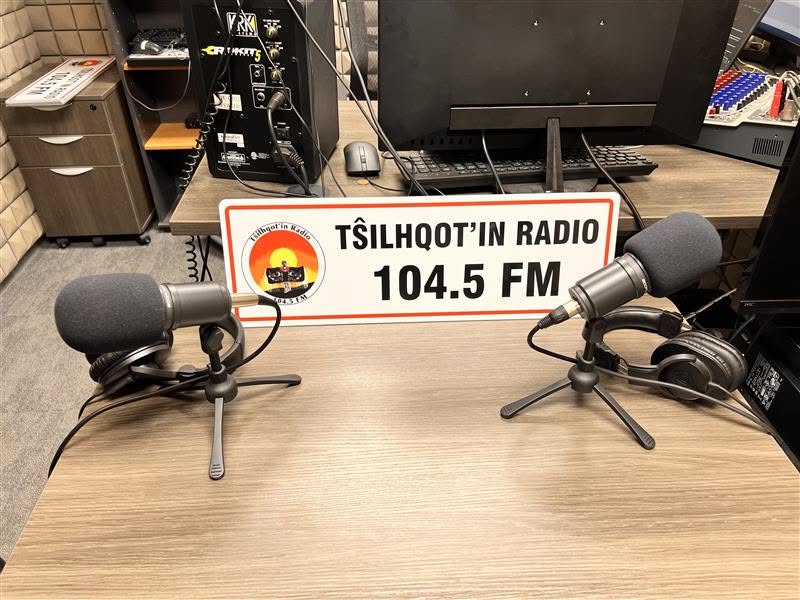
The new app builds on work TNG has been doing since launching its radio program in 2017. In addition to the app, programming is available through the TNG website and on 104.5FM across the six Tŝilhqot’in communities.
A press release describes the app as “a milestone for Tŝilhqot’in language revitalization and in supporting cultural and traditional teachings.”
Nits’ilʔin (Chief) Otis Guichon of Tŝideldel First Nation describes the app as powerful for people to hear their language and culture at any time.
“We need to see more of who we are reflected in the media. Our language, our traditions, and our values make up who we are as a people,” he says.
“To be able to hear the voices of our people from anywhere – at any time – that is really powerful.”
For Philbrick, one of the most meaningful responses came from her grandmother, who was excited to be able to listen to programming in her language.
She says the app’s simple design was intentional, allowing listeners of all ages to easily access music, stories, community updates and podcasts.
The station currently features a variety of programming, including the Ts’iqi Nadint’i podcast and the Health Yalhtɨg (Health Talk Podcast), which explores health through a Tŝilhqot’in perspective.
Leah Worthington from Tl’esqox, Entrepreneurship Coordinator with TNG, says culturally grounded programming plays an important role in keeping language and culture alive.
She also credits Travis Stump and Nikhilesh Kondur for helping ensure programming runs smoothly behind the scenes.
“Their dedication and technical expertise and innovation have helped move the station forward in a major way,” she says.
For Worthington, the value of the station extends beyond broadcasting.
“Language and culturally grounded programming are incredibly important because they help keep our identity alive,” Worthington says.
“Our stories, teachings, humour, songs, history, and worldview all live within our language and culture, so when people hear Tŝilhqot’in voices on the radio it creates familiarity, pride, and belonging.”
Looking ahead
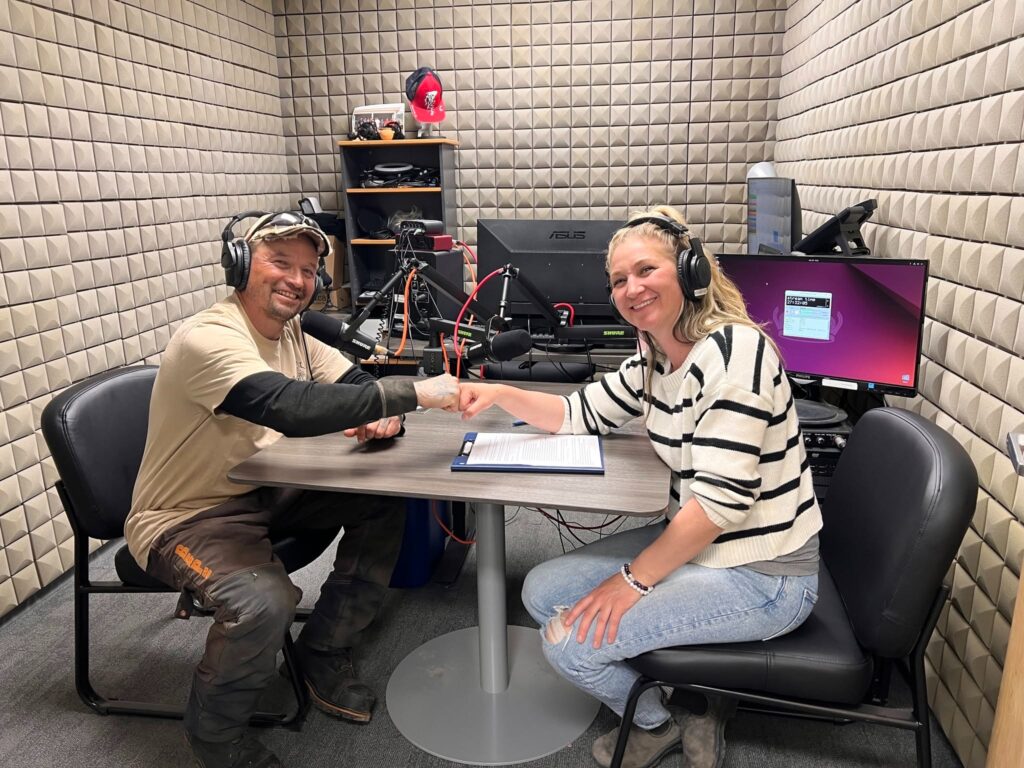
There is more to come from Tŝilhqot’in Radio, with an entrepreneurship podcast currently in development.
Worthington says the program will highlight business owners from Tŝilhqot’in communities while helping others learn from their experiences and access support for starting or growing their own businesses.
The initiative reflects the entrepreneurship program’s slogan of “rooted in culture, rising in business.”
“Our goal is to support individuals at every stage of business development,” she says.
Worthington says connections are not only forged through the program but strengthened through ongoing relationships with community members.
“We’re focusing on connection and impact, and letting everyone know that we’re here, and we’re ready to kind of collaborate and grow with them,” she says.
She hopes the exposure created through the podcast will benefit guests by sharing their experiences and helping others who may be following similar paths.
Future programming may also grow from the experiences of Tŝilhqot’in Youth attending international gatherings such as the United Nations in “New York City.”
“I have so many ideas now for podcasts,” Philbrick says with a laugh.
Jansen agrees. Having attended the United Nations in previous years, she says she met people from around the world whose stories inspired new possibilities for future programming.
“I’m hoping to share my Matriarchs podcast again and hopefully do more of a global Matriarchs podcast,” she says.
Jansen also hopes to create more space for Youth voices.
“They deserve more of a platform to share the work that they are doing,” she says.
The response to the app has been overwhelmingly positive, with community members praising both the language programming and accessibility of the platform. Philbrick says TNG continues to promote the app through community engagement events in urban centres such as “Kelowna” and “Vancouver.”
Worthington hopes to see Tŝilhqot’in Radio continue expanding, while becoming increasingly self-sustaining through partnerships and advertising that support additional programming opportunities.
“There’s a strong focus on building greater awareness around the Tŝilhqot’in Nation, uplifting community voices, and creating more original content that reflects who we are as people,” she says.
Philbrick encourages other nations to create radio stations that showcase their own language speakers, stories and cultural knowledge.
She says hearing familiar voices, including aunties and grandmothers speaking Tŝilhqot’in, gives people “motivation to keep going and motivation to relearn their language.”
“I just have hopes that more apps or more radio stations like this can come out from different nations,” she says.
“I would love to listen to other people’s radio stations and hear their language and hear their stories.”
Author
We live in a media ecosystem that thrives on misinformation. Big Tech and AI companies are consuming the work of real human beings and Canadian news has been banned on Facebook and Instagram.
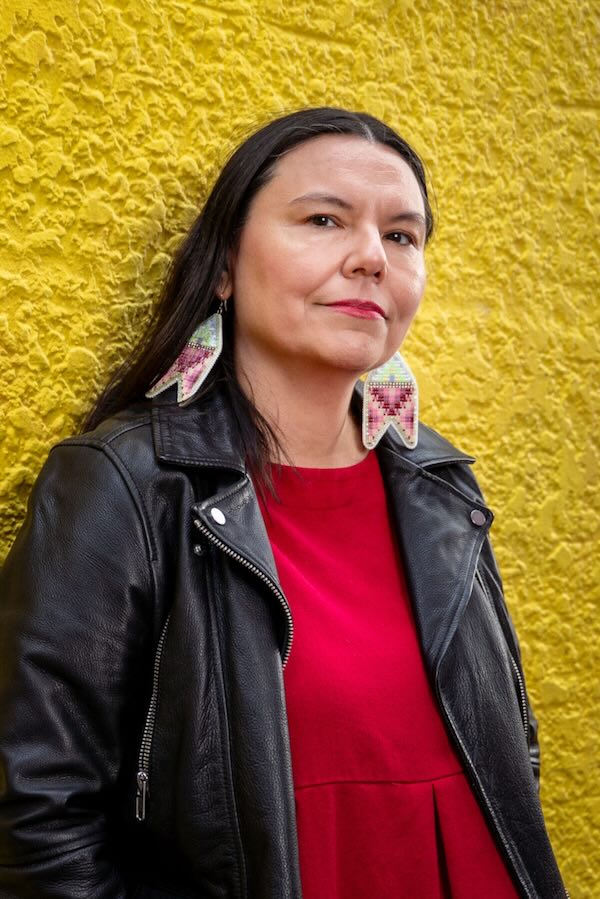
And yet, I have hope for journalism because of the work we’re doing at IndigiNews.
At IndigiNews, we embody tâpwêwin — the Cree value of integrity and responsibility in truth-telling. We are committed to our independent, Indigenous-led newsroom rooted in community, accountability, and relationality. We believe storytelling is a sacred fire that connects our pasts, presents, and futures through the storytellers in our Storytelling Lodge. IndigiNews creates space for Indigenous journalists, storytellers, Knowledge Keepers, and communities to gather, learn, and share stories that matter.
As a registered charity, we are building a fire that allows our work not just to ignite but to thrive. Rather than relying on advertising or corporate acquisition, IndigiNews is sustained by people like you who believe Indigenous stories are important for the future of our communities.
Your support is making a real difference.
Our community of supporters, our Firekeepers, make it possible to grow our newsroom, publish award-winning journalism, train emerging Indigenous journalists through initiatives like the ReFocus Photojournalism Fellowship, and publish trustworthy stories that serve our communities across the country. Every story we publish helps fill in gaps left by mainstream media and ensures Indigenous perspectives are represented with care, accuracy and respect.
But there is still more work to do.
As the media landscape becomes more and more uncertain, community support is as necessary and essential as it’s ever been. Every new Firekeeper helps protect the independence of our newsroom and strengthens journalism that is accountable to our many and varied communities over corporations.
That’s why we’re inviting you to become a Firekeeper.
Firekeepers tend to and protect the sacred fire. Your monthly contributions directly support IndigiNews’s Storytelling Lodge, helps sustain our independent, Indigenous-led newsroom, and ensures future generations of Indigenous storytellers have the resources they need to do the work.
As a registered Canadian charity, all eligible donations receive a charitable tax receipt.
If you believe Indigenous stories matter, if you value independent journalism, and if you want to help build a strong future for Indigenous media, we invite you to join our circle of Firekeepers today.
Together, we can keep the fire burning.
— Eden Fineday, Publisher, IndigiNews
Support us nowLatest Stories
-
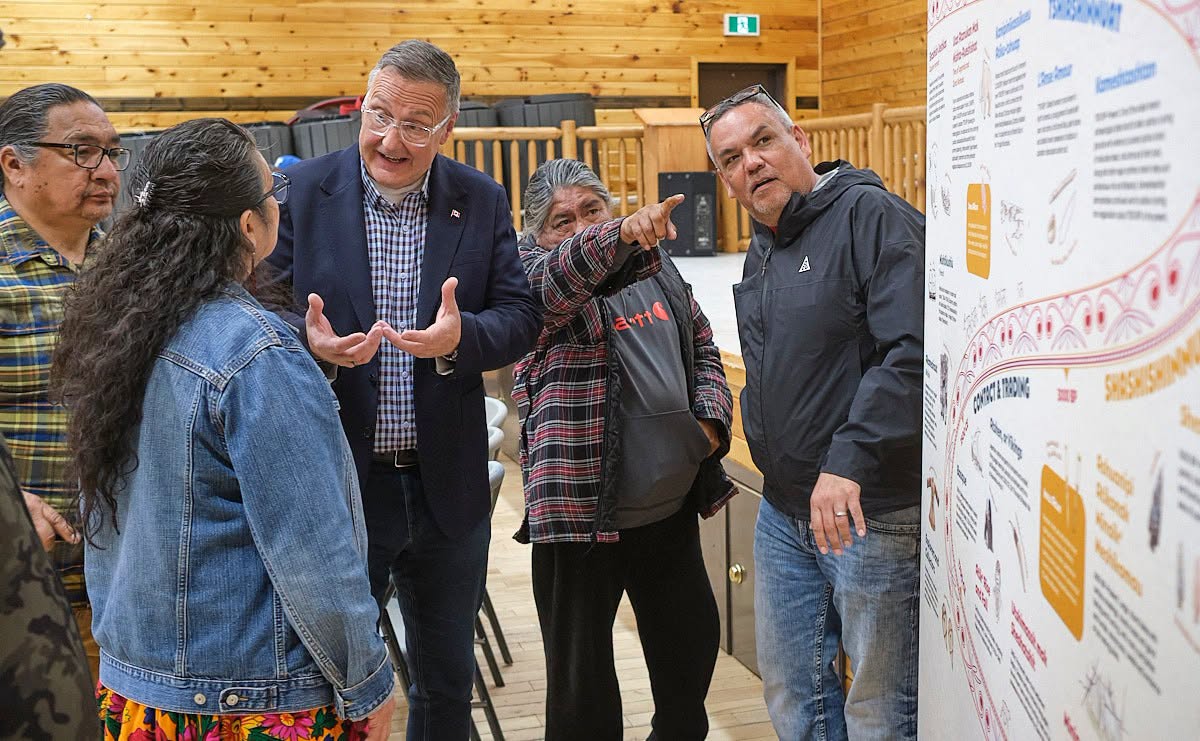
Innu Nation ‘moved to anger, to strength’ after accusing province of censoring history
Solidarity pours in after ‘Labrador’ history exhibition abruptly cancelled after province ordered removal of cultural items and timelines older than 300 years
-
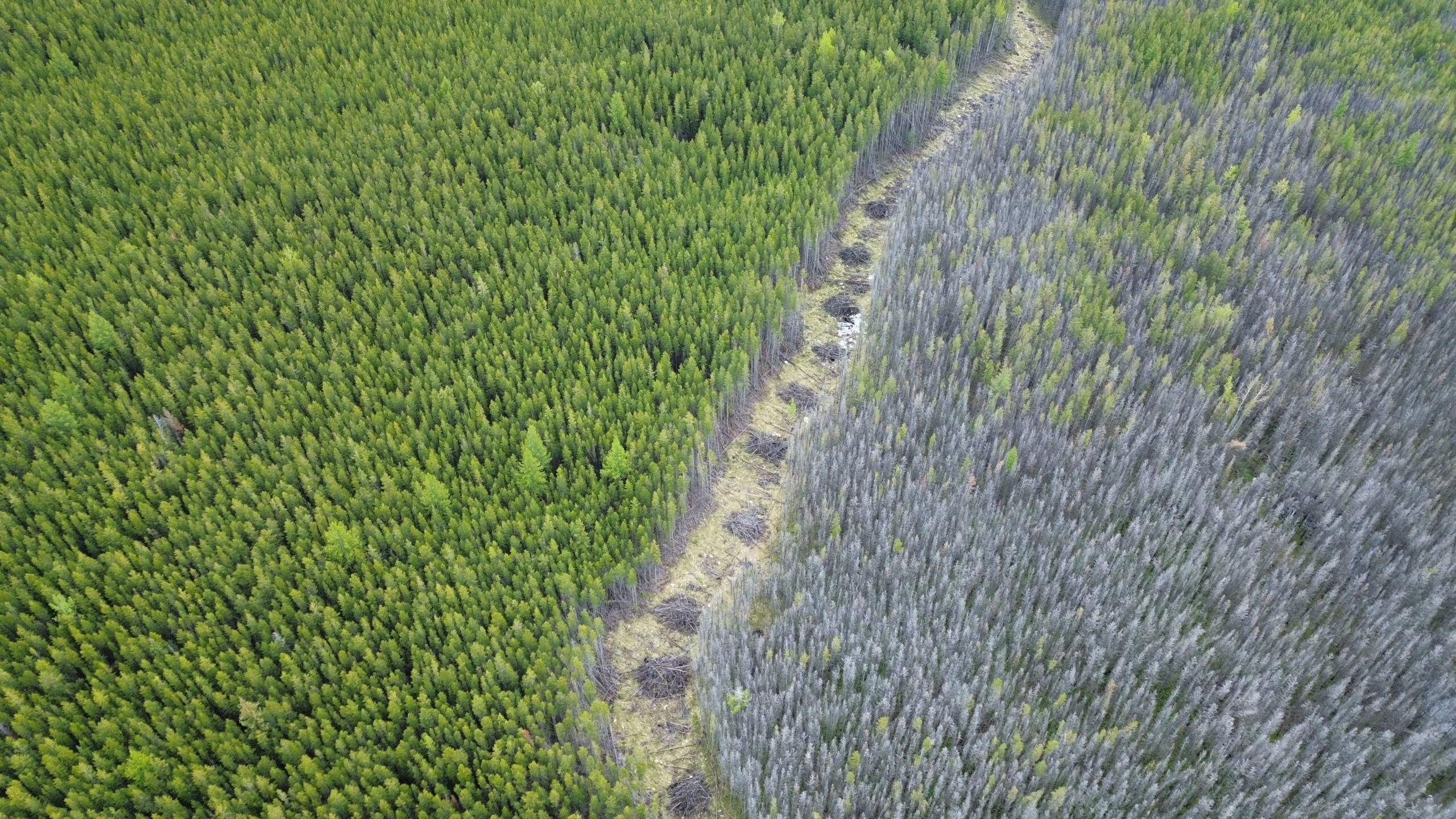
Osoyoos Indian Band set to restore native plants, species in wildfire-ravaged forests
The First Nation plans to clear out burned spaces and restore trees, berries and medicinal plants to the area, encouraging biodiversity and wildlife to return