sməlqmíx declares Ashnola Corridor as an Indigenous Protected and Conserved Area
Through practising traditional syilx laws, the Lower Similkameen Indian Band will protect the territory’s water and tmixʷ

nʔaysnúlaʔxʷ, (The Ashnola Corridor), located in the Similkameen Valley in syilx territory was declared as an Indigenous Protected and Conserved Area by the sməlqmíx on April 28, enabling the Lower Similkameen Indian Band (LSIB) to protect and manage the area while continuing to uphold sməlqmíx/syilx laws and teachings.
ʔaysnúlaʔxʷ, (Ashnola River), is a tributary river of the Similkameen River, with the latter being a 197 km-long waterway that flows through the valley. kalʔlupaqn Keith Crow, the chief of LSIB, said he’s concerned about the Similkameen River, and says it’s endangered. He cited mining contamination, forestry issues and climate change as significant risk factors.
“We really believe that we need to start protecting these tributaries. Because if you look at the broader scale of the water, the Similkameen feeds into the Okanagan system, which feeds into the Columbia,” said Crow.
“It all has to work together. And if we lose the Similkameen, which is the lifeblood of our valley, if we lose that, we lose our identity. We lose who we are.”
Conserving and managing the nʔaysnúlaʔxʷ snxaʔcnitkʷ (Ashnola Watershed), that the ʔaysnúlaʔxʷ runs through, Crow said, is a small piece of a bigger puzzle of helping to protect the siwɬkʷ (water) and tmixʷ (all living things) in the region.
“I’m looking forward to the education and awareness to everybody that we do take our responsibility seriously, and this is going to be our stance,” he said.
Additionally, managing nʔaysnúlaʔxʷ using syilx practices will help mitigate the threat of wildfires, restore the land, and protect food sovereignty. Under LSIB management, Crow said that traditional burns will be conducted more often.
“We’ve had so many forest fires in the last five or six years that have hit the Ashnola. But if we were allowed to practise our traditional practices, it wouldn’t have been as bad as it has been,” he said.
Crow said that the displacement of ungulates in nʔaysnúlaʔxʷ is due in large part to recent wildfires and the effect that they have had on the land.
“I remember 20 years ago being able to hunt in the Ashnola. Just on the drive up you’d see 100-plus deer, maybe a moose or two,” he said. “The last time I went up there, I see nothing. Not even a track.”
The next step is to build partnerships with forestry agencies, and Crow said that they will be following syilx forestry standards when it comes to forest management.
“We’re trying to change it to make it so it is sustainable and that it’s not hurting our systems the way they have in the past,” he said.

Through the declaration, he said that his hope is that his great, great grandchildren will have the opportunity to experience what he’s experienced: hunting, clean water and enjoying the land.
“When it comes to decisions made by us at our level, I’ve always been taught that we have to think at least seven generations down the road,” he said.
“My biggest fear right now is, the way we’re going, we’re going to lose the Similkameen River. If changes don’t happen, that’s what’s going to happen.”
Author
We live in a media ecosystem that thrives on misinformation. Big Tech and AI companies are consuming the work of real human beings and Canadian news has been banned on Facebook and Instagram.

And yet, I have hope for journalism because of the work we’re doing at IndigiNews.
At IndigiNews, we embody tâpwêwin — the Cree value of integrity and responsibility in truth-telling. We are committed to our independent, Indigenous-led newsroom rooted in community, accountability, and relationality. We believe storytelling is a sacred fire that connects our pasts, presents, and futures through the storytellers in our Storytelling Lodge. IndigiNews creates space for Indigenous journalists, storytellers, Knowledge Keepers, and communities to gather, learn, and share stories that matter.
As a registered charity, we are building a fire that allows our work not just to ignite but to thrive. Rather than relying on advertising or corporate acquisition, IndigiNews is sustained by people like you who believe Indigenous stories are important for the future of our communities.
Your support is making a real difference.
Our community of supporters, our Firekeepers, make it possible to grow our newsroom, publish award-winning journalism, train emerging Indigenous journalists through initiatives like the ReFocus Photojournalism Fellowship, and publish trustworthy stories that serve our communities across the country. Every story we publish helps fill in gaps left by mainstream media and ensures Indigenous perspectives are represented with care, accuracy and respect.
But there is still more work to do.
As the media landscape becomes more and more uncertain, community support is as necessary and essential as it’s ever been. Every new Firekeeper helps protect the independence of our newsroom and strengthens journalism that is accountable to our many and varied communities over corporations.
That’s why we’re inviting you to become a Firekeeper.
Firekeepers tend to and protect the sacred fire. Your monthly contributions directly support IndigiNews’s Storytelling Lodge, helps sustain our independent, Indigenous-led newsroom, and ensures future generations of Indigenous storytellers have the resources they need to do the work.
As a registered Canadian charity, all eligible donations receive a charitable tax receipt.
If you believe Indigenous stories matter, if you value independent journalism, and if you want to help build a strong future for Indigenous media, we invite you to join our circle of Firekeepers today.
Together, we can keep the fire burning.
— Eden Fineday, Publisher, IndigiNews
Support us nowLatest Stories
-
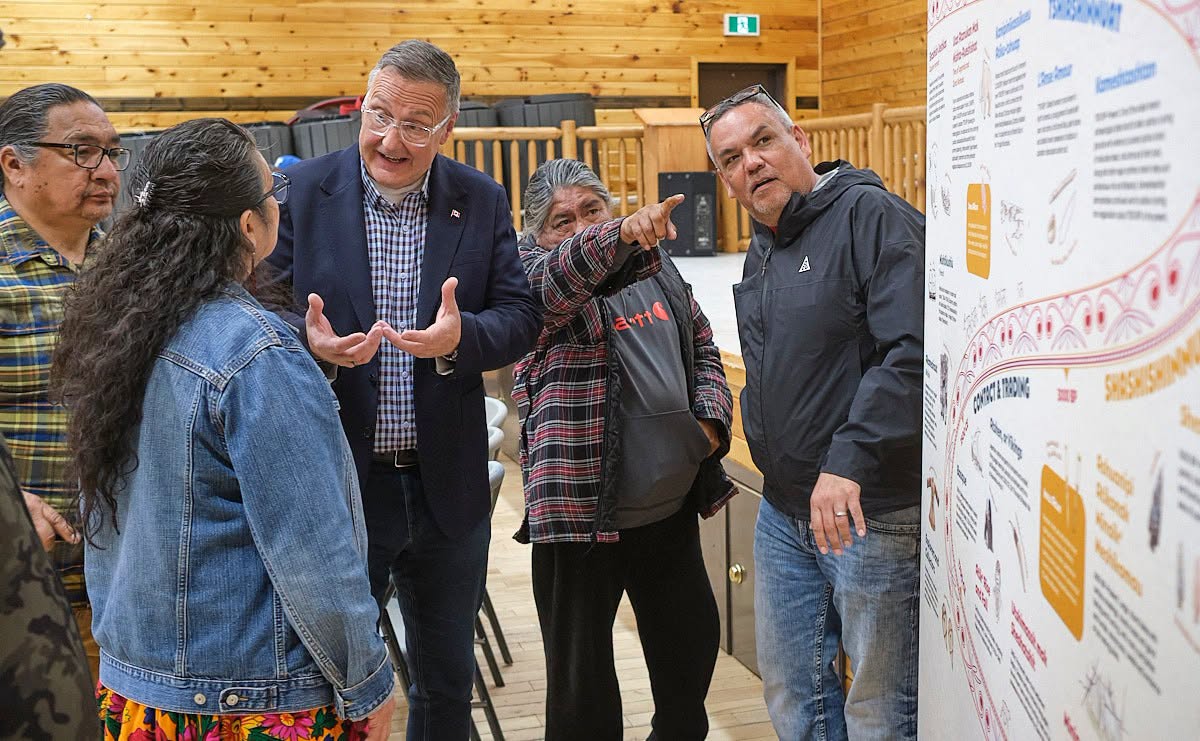
Innu Nation ‘moved to anger, to strength’ after accusing province of censoring history
Solidarity pours in after ‘Labrador’ history exhibition abruptly cancelled after province ordered removal of cultural items and timelines older than 300 years
-
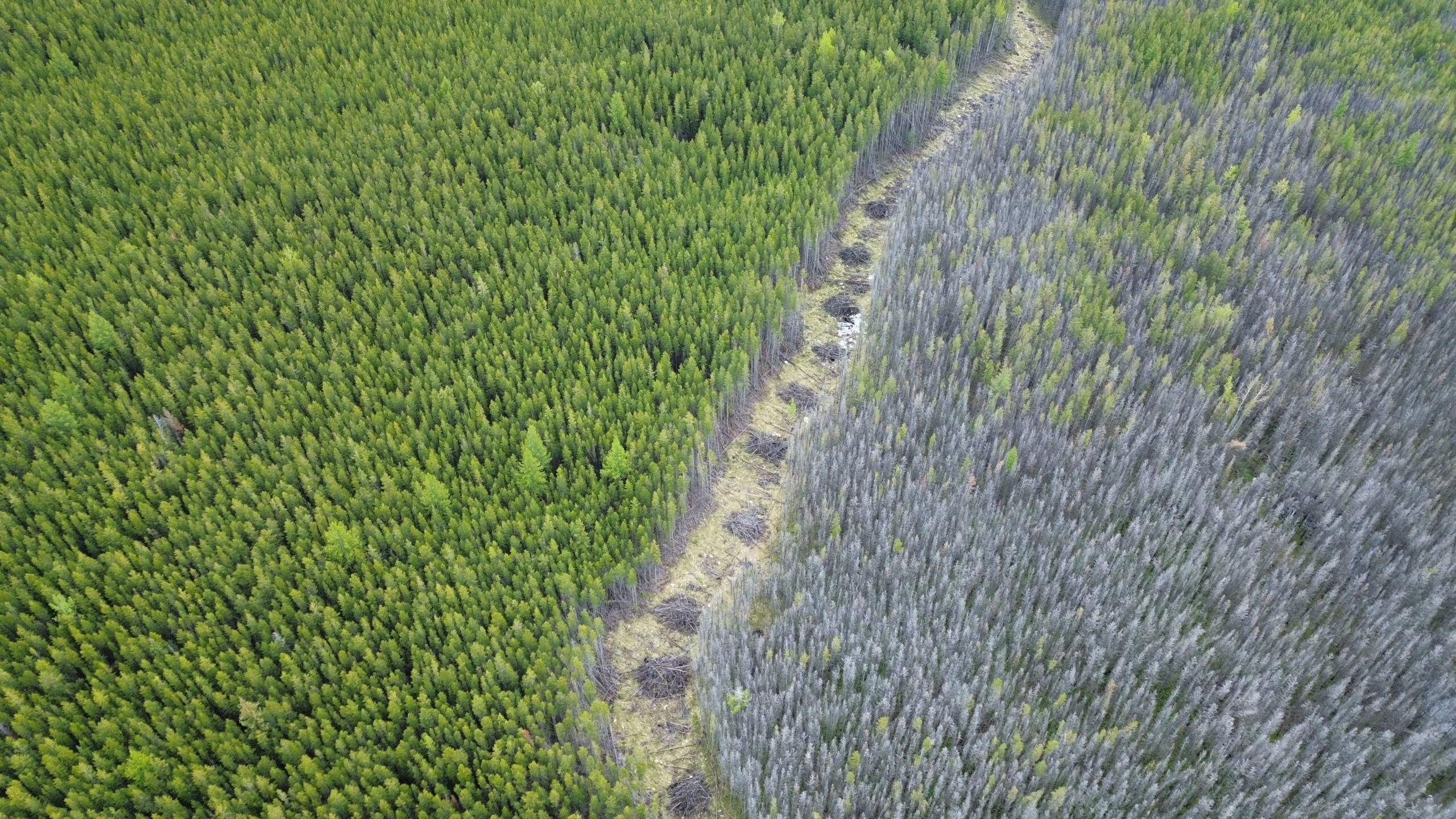
Osoyoos Indian Band set to restore native plants, species in wildfire-ravaged forests
The First Nation plans to clear out burned spaces and restore trees, berries and medicinal plants to the area, encouraging biodiversity and wildlife to return