Film tells the story of trailblazing educator who worked to preserve nēhiyawēwin
‘A Cree Approach,’ written and directed by Freda Ahenakew’s granddaughter Tristin Greyeyes, will screen at ‘Vancouver’ film fest on March 7
This story was originally printed in Windspeaker and appears here with minor style edits.
A documentary about a woman who spent the majority of her life preserving nēhiyawēwin — the Cree language — will have its world premiere in “Vancouver” next month.
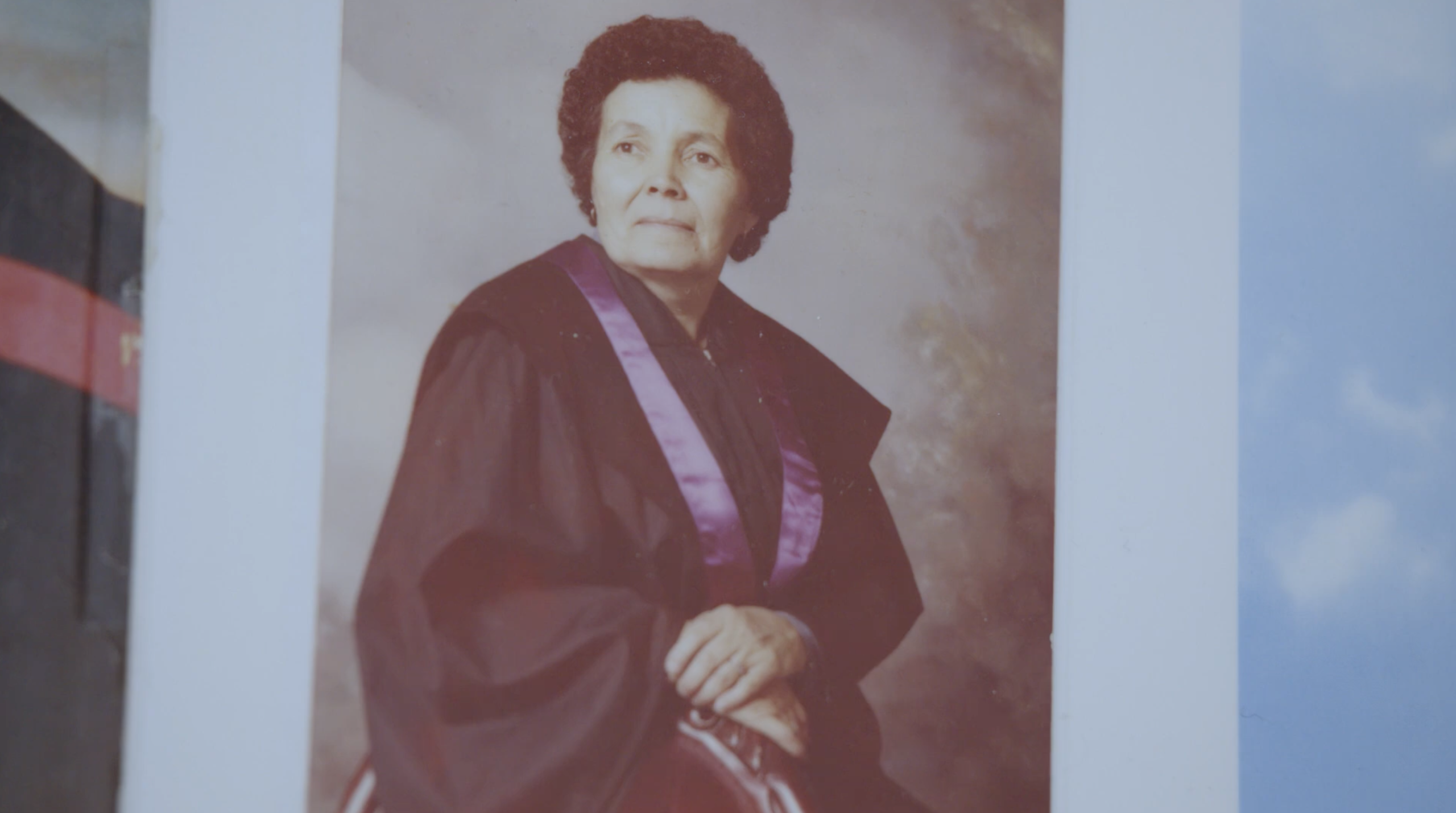
The film, titled A Cree Approach, documents the life of Freda Ahenakew, born in 1932 on the Ahtahkakoop Cree Nation reserve in “Saskatchewan.” She passed in 2011.
The film, written and directed by Ahenakew’s granddaughter Tristin Greyeyes, will screen March 7 at the VIFF Centre as part of the Gender Equity in Media Festival (GEMFest), which runs from March 5 to March 8. The festival will show 35 films from 13 countries created by women and gender-diverse filmmakers.
Greyeyes began work on A Cree Approach in 2021.
“It was a passion project for sure and very personal,” she said. “I’m excited to finally share it.”
Greyeyes was keen to get Ahenakew’s story on the big screen.
“Her story resonates with me and helped me get through my schooling being a single parent,” she said. “And it’s just like one of those lores you hear growing up, that a single mom of 12 going back to school after she dropped out. It’s just such a powerful story of resilience. I just wanted other people to hear it.”
Greyeyes, a member of Muskeg Lake Cree Nation in “Saskatchewan” who has lived in “Vancouver” for the past nine years, is hoping her documentary is enlightening.
“I hope non-Indigenous people understand Indigenous people’s struggle for language revitalization and more reclamation and why it’s important and how it’s affected our families,” she said. “And for Indigenous people, I hope they get inspired to want to learn their language, if they’re not already actively doing that.”
When she first started doing interviews for A Cree Approach, Greyeyes envisioned creating a short film. Once Greyeyes had completed her interviews and re-enactments, she decided the film would be best suited to being considerably longer. The final documentary is 70 minutes.
“I just thought it should be a feature, not out of ego or anything, but more out of the amount of information that I could be sharing and the amount of archival stuff I found,” she said. “Then I spent probably a year asking for money to finish it.”
Ahenakew spent some of her teenage years attending residential “school” in “Prince Albert,” but dropped out of high school to get married.
She returned to her academics in 1968, attending high school at the same time as several of her children. Besides wanting to complete her own high school studies, Ahenakew returned to the classroom in order to be a role model to some of her own children, who were losing interest in their academics.
Ahenakew went on to study at the University of Saskatchewan, while also teaching Cree at the school.
She later earned a master’s degree from the University of Manitoba. Her thesis, which was eventually published, was titled Cree Language Structures: A Cree Approach.
Greyeyes believes it simply made sense to select this title when naming her film.
“I just think it was very fitting for the documentary about a Cree woman and her life and the theme of speaking Cree,” she said. “And I’m Cree too.”
A Cree Approach will also be screened at the Sundar Prize Film Festival, which will be held from April 23 to April 26 in “Surrey, B.C.”
Greyeyes said the film will have its “U.S.” premiere at a festival this spring. Details for that screening have yet to be announced.
Other Indigenous films that will screen at GEMFest are W7éyle (Moon’s Wife), Forest Echoes and Yáamay: An Ode to Blooming.
W7éyle (Moon’s Wife) is a short created by Secwépemc filmmaker Amanda Wandler. The film is about a woman who has to make a difficult choice when her partners discover a pill for immortality. The woman has to decide whether she wants to have children or take the pill and live forever.
Forest Echoes is directed by Eva Grant, a member of St’at’mic Nation. This short is a love story featuring Echo and Wild, a pair of urban Indigenous land defenders.
Yáamay: An Ode to Blooming is a short film that features the voices and experiences of Indigenous women from “California” reciting their poetry. The film is co-directed by Camaray Davalos and Casse Kíihut.
More information on all of the GEMFest films is available here.
Author
We live in a media ecosystem that thrives on misinformation. Big Tech and AI companies are consuming the work of real human beings and Canadian news has been banned on Facebook and Instagram.
And yet, I have hope for journalism because of the work we’re doing at IndigiNews.
At IndigiNews, we embody tâpwêwin — the Cree value of integrity and responsibility in truth-telling. We are committed to our independent, Indigenous-led newsroom rooted in community, accountability, and relationality. We believe storytelling is a sacred fire that connects our pasts, presents, and futures through the storytellers in our Storytelling Lodge. IndigiNews creates space for Indigenous journalists, storytellers, Knowledge Keepers, and communities to gather, learn, and share stories that matter.
As a registered charity, we are building a fire that allows our work not just to ignite but to thrive. Rather than relying on advertising or corporate acquisition, IndigiNews is sustained by people like you who believe Indigenous stories are important for the future of our communities.
Your support is making a real difference.
Our community of supporters, our Firekeepers, make it possible to grow our newsroom, publish award-winning journalism, train emerging Indigenous journalists through initiatives like the ReFocus Photojournalism Fellowship, and publish trustworthy stories that serve our communities across the country. Every story we publish helps fill in gaps left by mainstream media and ensures Indigenous perspectives are represented with care, accuracy and respect.
But there is still more work to do.
As the media landscape becomes more and more uncertain, community support is as necessary and essential as it’s ever been. Every new Firekeeper helps protect the independence of our newsroom and strengthens journalism that is accountable to our many and varied communities over corporations.
That’s why we’re inviting you to become a Firekeeper.
Firekeepers tend to and protect the sacred fire. Your monthly contributions directly support IndigiNews’s Storytelling Lodge, helps sustain our independent, Indigenous-led newsroom, and ensures future generations of Indigenous storytellers have the resources they need to do the work.
As a registered Canadian charity, all eligible donations receive a charitable tax receipt.
If you believe Indigenous stories matter, if you value independent journalism, and if you want to help build a strong future for Indigenous media, we invite you to join our circle of Firekeepers today.
Together, we can keep the fire burning.
— Eden Fineday, Publisher, IndigiNews
Support us nowLatest Stories
-
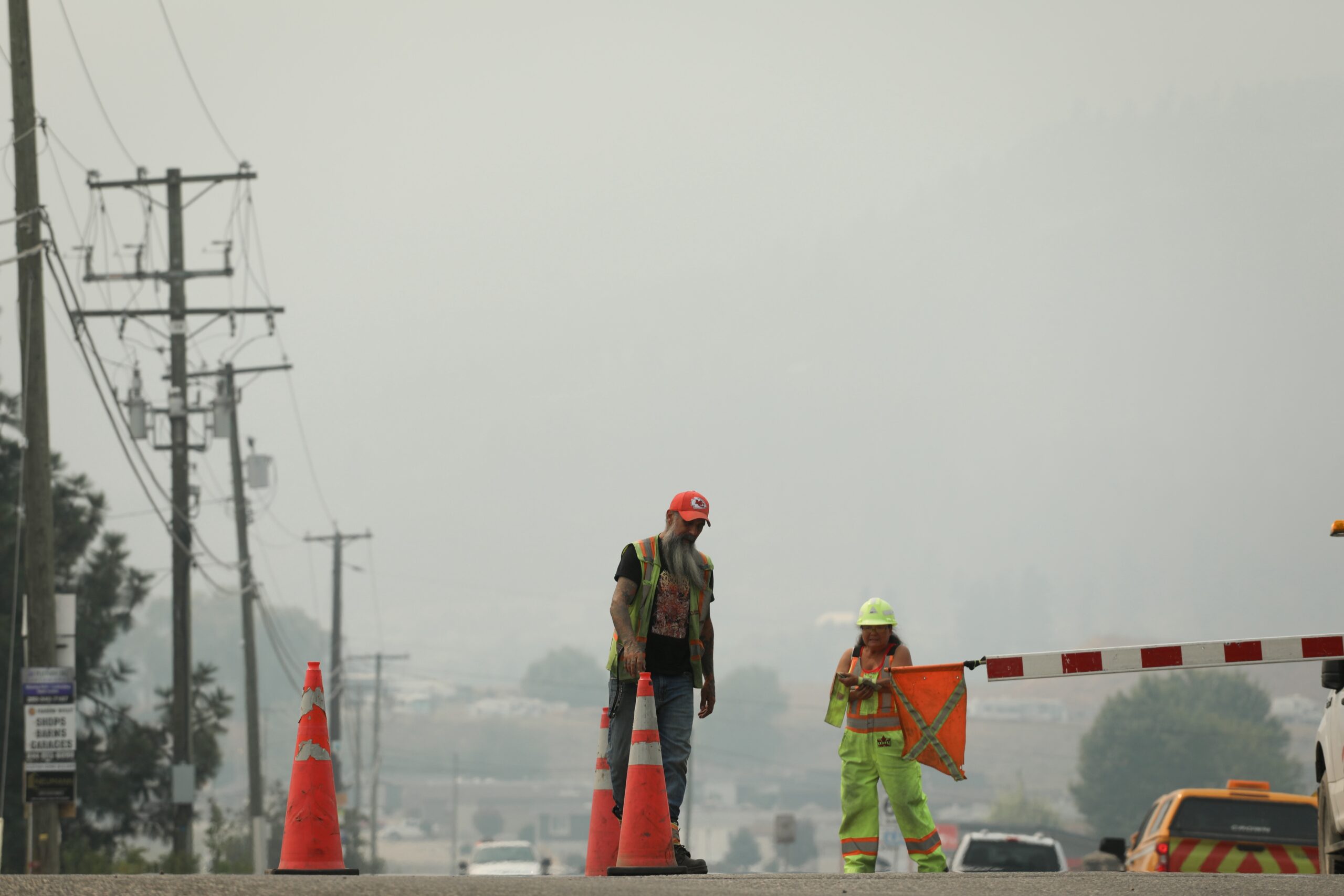
Okanagan Indian Band ‘getting stronger everyday’ amid devastating wildfire
Entire reserve has been evacuated and more than 30 people have lost homes, chief says, as blaze continues to burn as of Thursday
-
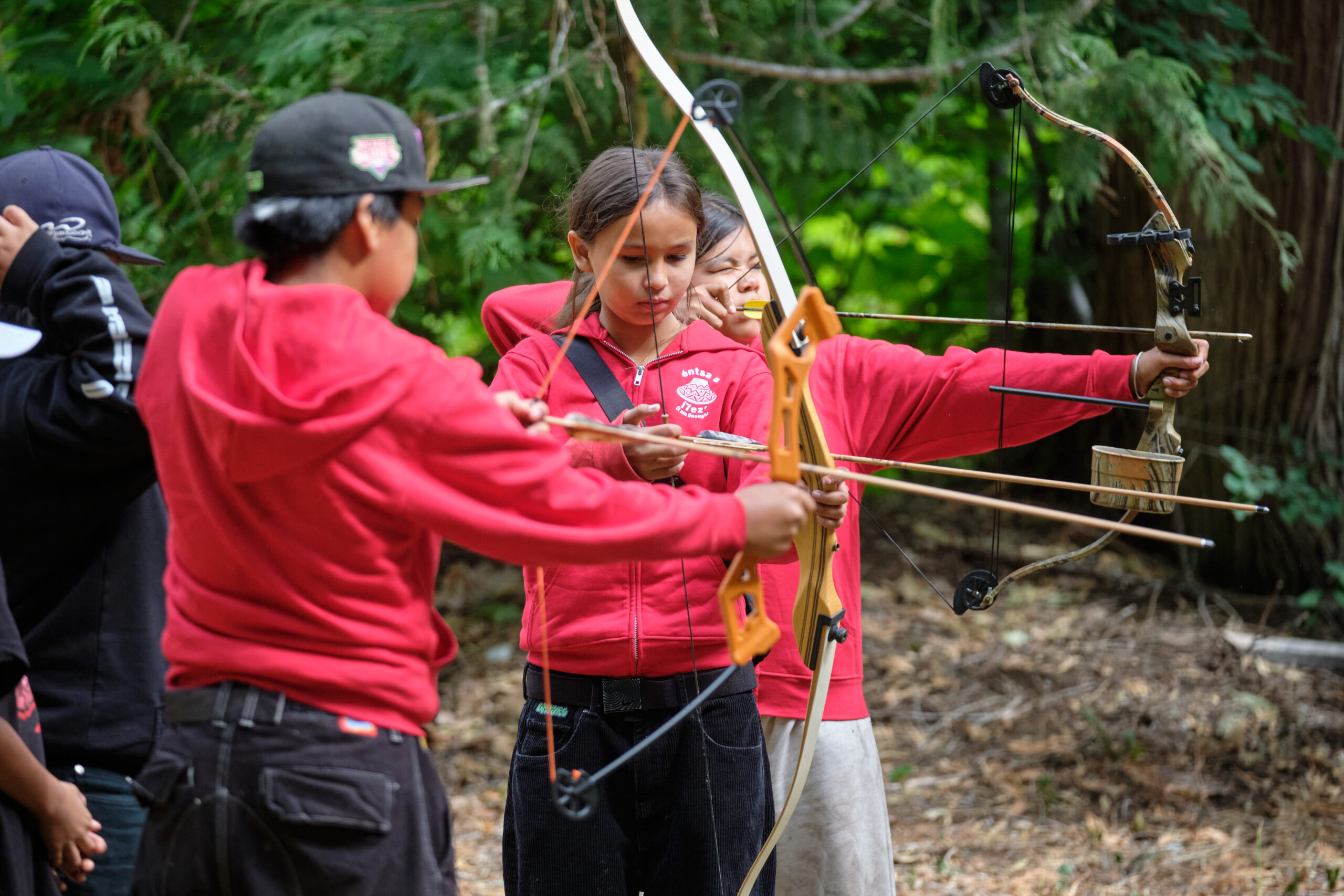
Interior Salish culture camps create ‘a safe haven’ during provincial wildfires
Organizers move ahead with caution, connecting young people with land-based teachings, healing and kinship