Raven Mother: A tribute to Elder Margaret Harris at the 17th annual Coastal Dance Festival
The event this weekend is celebration of stories, song and dance — while honouring the legacy of a cherished cultural guardian


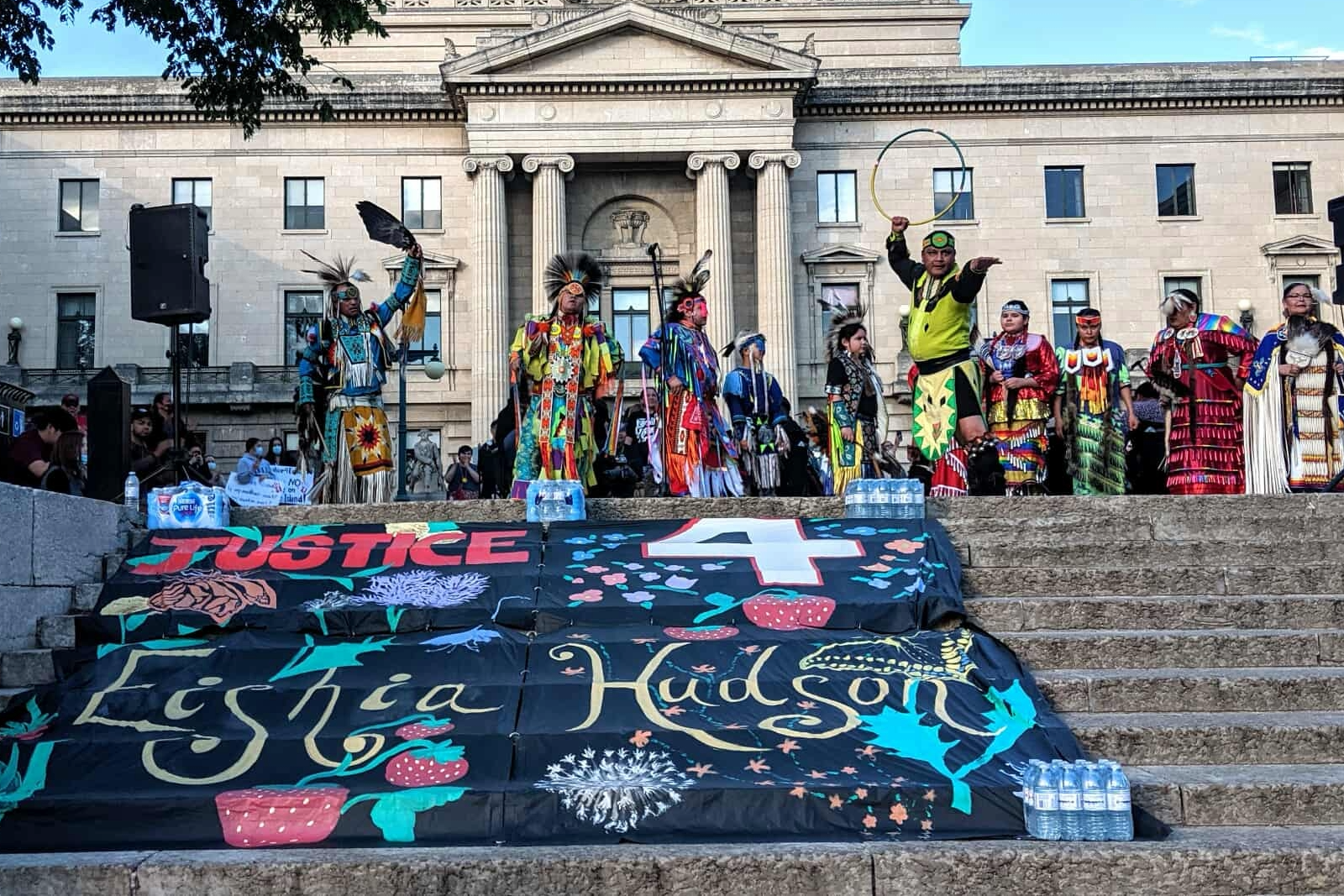
A late Elder who dedicated her life to revitalizing Indigenous dance on the Northwest Coast will be recognized by her family with a performance at this year’s Coastal Dance Festival (CDF).
The tribute to Margaret Harris called “Raven Mother” includes a style of Gitxsan raven cloak which the family says has not been danced for many generations — honouring the legacy of the beloved matriarch who passed away in 2020.
Harris, a Cree woman originally from the prairies, co-founded the group Dancers of Damelahamid in 1967 with her husband Kenneth Harris, a former Gitxsan chief. The pair was instrumental in the revitalization of, and education around, Indigenous cultural practices through colonial efforts to erase them.
Margaret Grenier, the current executive and artistic director of Dancers of Damelahamid and CDF’s director, said it was important to honour her mother at this year’s festival, which is why she set out to create the new dance with her family.
“We wanted to create something that would honour the legacy of what she left us, recognizing that we would not have song and dance today if it weren’t for the efforts of her and people like her,” said Grenier.
An excerpt of Raven Mother is set to premiere at the Anvil Centre in “New Westminster” during the 17th annual CDF this weekend — from March 1 to 3 — with the full version set to be unveiled later this year.
The CDF, in its 17th edition, will more broadly feature a diverse array of esteemed artists and groups, such as the multigenerational family ensemble Chesha7 iy lha mens, the vibrant Chinook Song Catchers and renowned mask-dancing troupes Git Hayetsk and Git Hoan, to name a few.
Grenier shared how, in the 1960s, her mother was trained by her grandmother, Irene Harris, turning to the knowledge of Elders when certain dances had not been practiced for close to 100 years.
Grenier described how her mother “worked not only with her children and her family but within the community, hosting a festival for a number of years that brought together Indigenous communities from all the surrounding areas.”
Before the CDF began in 2008, Elder Harris and her husband led Haw Yaw Hawni Naw Annual Salmon Festival in 1967 until 1986.
“Having the opportunity to grow up with that gathering of artists and communities and songs and dances inspired the work we’re doing today, ” said Grenier.

Elder Harris’s wisdom extended to places like the Institute of Indigenous Government in “Vancouver” and the Traditional Mothers Dance Group.
Because of her parents’ work, Grenier said she feels truly fortunate to have grown up with dance as a part of her family’s practice and be of the first generation surrounded by it, right back to her earliest memories.
“It is a place where I can feel fully and truly myself. It has such a strong connection, not only as an art form for me, but to family, to community, to land, and to the oral histories that we carry,” she said.
Through the piece Raven Mother, Grenier hopes to represent her mother’s vital impact and women’s role in carrying on their lineage. Part of the piece’s creation includes Grenier’s daughter, Raven Gree, composing the songs. This process includes looking at what is fundamental to the art form and how songs are structured to do that work.
“It reflects the idea of going back into that fundamental training into our traditions to bring, you know, contemporary and new approaches into creating the work and seeing how this will continue to be there in our daughters,” Grenier said.
The performance will feature a raven transformation mask symbolizing this collaborative effort across generations. This unique mask will reveal multiple smaller faces, each symbolizing a lineage of daughters influenced by Elder Harris.
It will also include a raven cloak made with feathers, crafted by Rebecca Baker-Grenier of Dancers of Damelahamid. This cloak, a traditional piece of Gitxsan attire, represents a revival of a regalia style not seen in performance for many generations.
Grenier believes that, especially since the pandemic, it has become increasingly apparent how important it is to have these practices together in the community as a place to gather and celebrate regularly.
Because of the festival’s longevity, Grenier has witnessed what has developed — a new generation of artists growing up with the festival, emerging and bringing their own voices into the practice.
“At the same time, some of our senior artists are having to let go and hand some of this leadership over as well,” said Grenier.
“It’s something where we need one another. When we are in our moments of strength, we can hold one another, and when we need the support of our community, we can also be there for one another. So I think that’s what’s at the heart of the practice and festival and what I look forward to when the festival comes around each year.”

Author
We live in a media ecosystem that thrives on misinformation. Big Tech and AI companies are consuming the work of real human beings and Canadian news has been banned on Facebook and Instagram.
And yet, I have hope for journalism because of the work we’re doing at IndigiNews.
At IndigiNews, we embody tâpwêwin — the Cree value of integrity and responsibility in truth-telling. We are committed to our independent, Indigenous-led newsroom rooted in community, accountability, and relationality. We believe storytelling is a sacred fire that connects our pasts, presents, and futures through the storytellers in our Storytelling Lodge. IndigiNews creates space for Indigenous journalists, storytellers, Knowledge Keepers, and communities to gather, learn, and share stories that matter.
As a registered charity, we are building a fire that allows our work not just to ignite but to thrive. Rather than relying on advertising or corporate acquisition, IndigiNews is sustained by people like you who believe Indigenous stories are important for the future of our communities.
Your support is making a real difference.
Our community of supporters, our Firekeepers, make it possible to grow our newsroom, publish award-winning journalism, train emerging Indigenous journalists through initiatives like the ReFocus Photojournalism Fellowship, and publish trustworthy stories that serve our communities across the country. Every story we publish helps fill in gaps left by mainstream media and ensures Indigenous perspectives are represented with care, accuracy and respect.
But there is still more work to do.
As the media landscape becomes more and more uncertain, community support is as necessary and essential as it’s ever been. Every new Firekeeper helps protect the independence of our newsroom and strengthens journalism that is accountable to our many and varied communities over corporations.
That’s why we’re inviting you to become a Firekeeper.
Firekeepers tend to and protect the sacred fire. Your monthly contributions directly support IndigiNews’s Storytelling Lodge, helps sustain our independent, Indigenous-led newsroom, and ensures future generations of Indigenous storytellers have the resources they need to do the work.
As a registered Canadian charity, all eligible donations receive a charitable tax receipt.
If you believe Indigenous stories matter, if you value independent journalism, and if you want to help build a strong future for Indigenous media, we invite you to join our circle of Firekeepers today.
Together, we can keep the fire burning.
— Eden Fineday, Publisher, IndigiNews
Support us nowLatest Stories
-
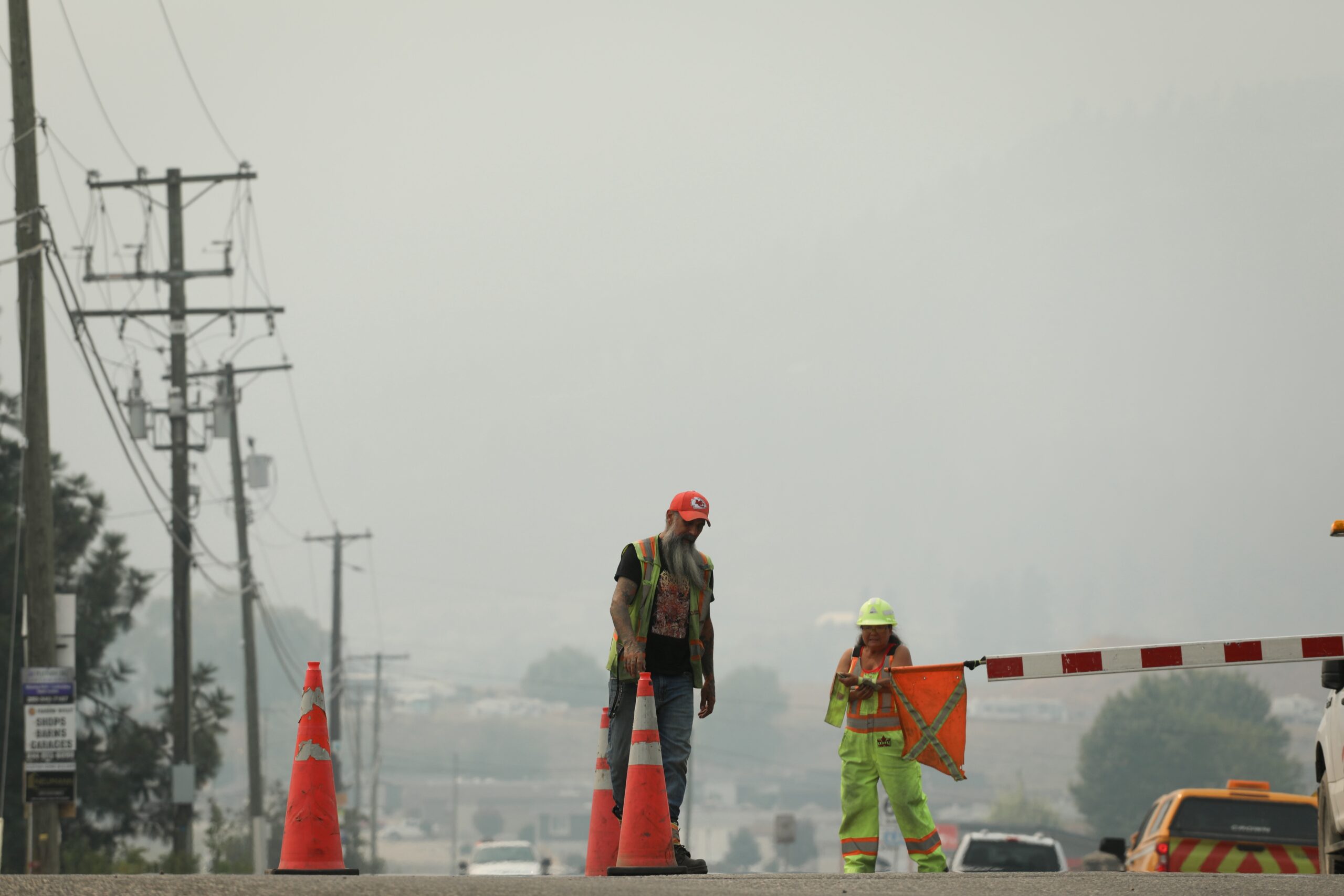
Okanagan Indian Band ‘getting stronger everyday’ amid devastating wildfire
Entire reserve has been evacuated and more than 30 people have lost homes, chief says, as blaze continues to burn as of Thursday
-
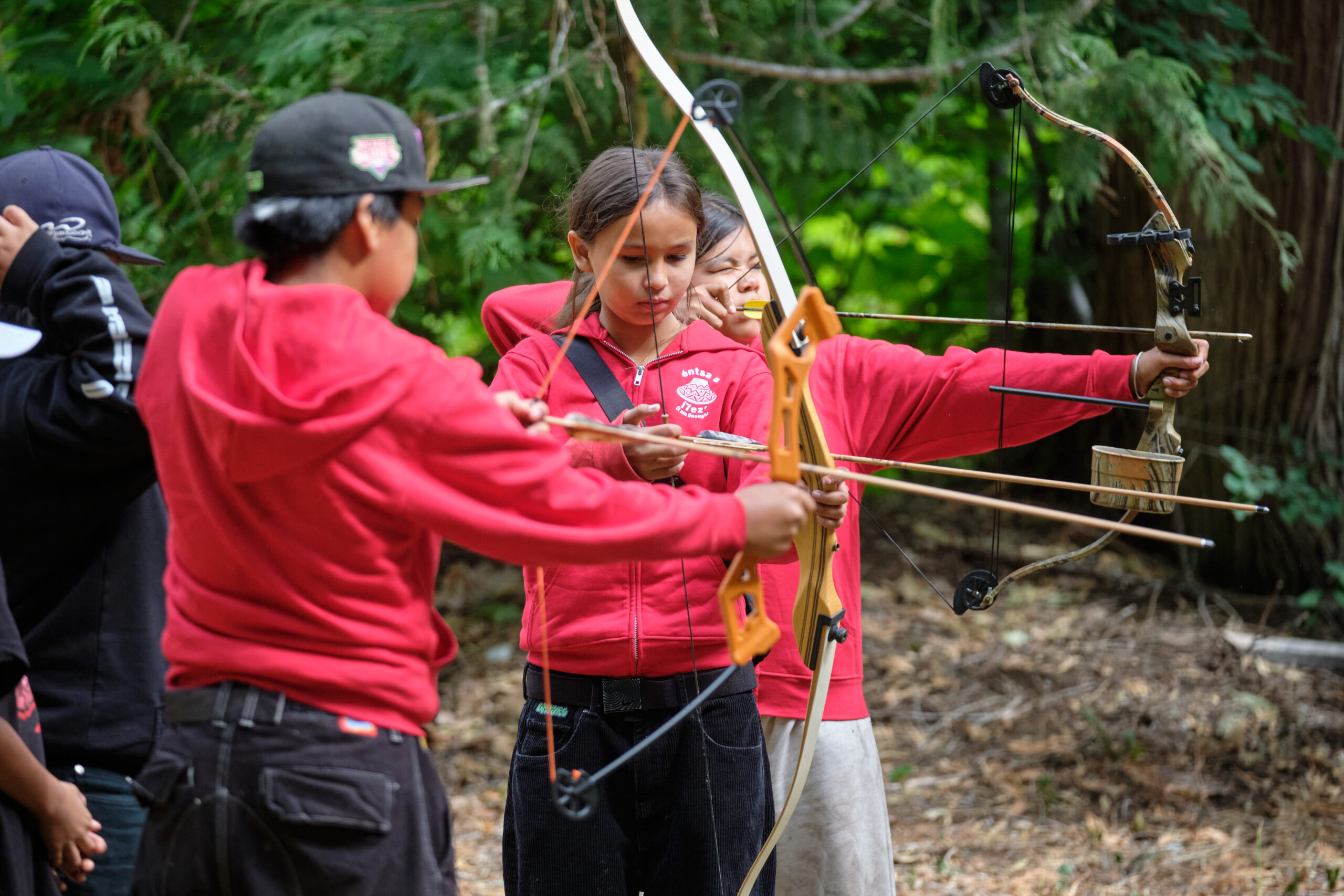
Interior Salish culture camps create ‘a safe haven’ during provincial wildfires
Organizers move ahead with caution, connecting young people with land-based teachings, healing and kinship