‘Multigenerational trauma’: Cree woman challenging Canada’s off-reserve child welfare practices
A survivor of the Millennium Scoop, Cheyenne Stonechild is now taking on the federal government in a certified class-action lawsuit
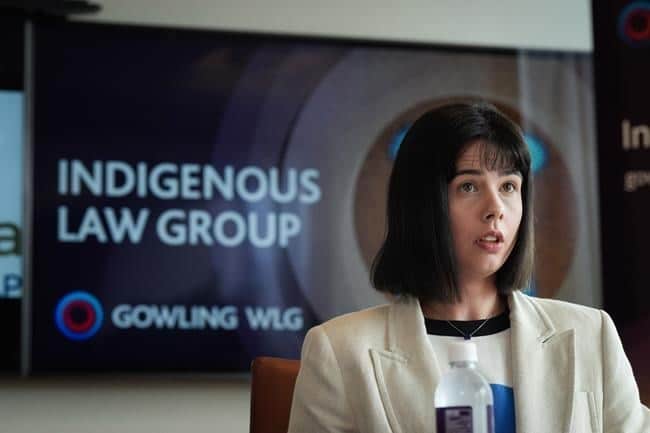
Cheyenne Stonechild recalls being taken from her mother at eight years old, and placed into the care of a non-Indigenous family for the first time.
During a recent webinar hosted by the Canadian Coalition for the Rights of the Children (CCRC), Stonechild shared her story of being removed from her family — connecting the beginning of her story to her own mother’s experience of being apprehended as a child.
Her mother was part of the Sixties Scoop, and was adopted out of province to a non-Indigenous family in “Ontario.” The familiar fracture severed her mother’s connection to her grandmother, and to her nehiyaw (Cree) culture and community.
“We were completely stripped of any opportunity to rekindle anything,” says Stonechild, as she reflects on her mother’s own attempts to reconnect with her grandmother later in life.
Originally from the Muscowpetung First Nation, her grandmother Blanche Stonechild was a survivor of the File Hills Indian Residential School in “Saskatchewan.”
Now, Stonechild is the representative plaintiff in a certified class-action lawsuit against the Canadian government, filed in June 2020. The class-action concerns the apprehension of Indigenous children and youth living off-reserve by so-called child “welfare” agencies.
The class action argues that child welfare agencies “failed to take reasonable steps to protect and preserve the Aboriginal identity of Indigenous children and youth who were apprehended.”

In a press release by the law firm representing the class action, it says “despite Canada’s constitutional responsibility for all Indigenous people, Canada has repeatedly failed to take steps to protect the Indigenous identity of off-reserve children who were put into care.”
A 2017 class action lawsuit by Sixties Scoop survivors resulted in a $750-million deal. The Indigenous Millennium Scoop class action has been met with opposition by the federal government, according to a press release issued by the law firm representing the case.
“Canada could choose to negotiate an agreement to address the ongoing discrimination against First Nation children living off-reserve. Instead, Canada is opposing the current class action.”
‘A complete absence of meaningful connection’
For Stonechild, she describes her time in care as “traumatic.”
“I spent a lot of my time in the child welfare system. I spent even less time with my biological family,” she says during the CCRC webinar.

Stonechild says that over 10 years, she was placed in at least 15 different foster placements and group homes.
“There was zero stability. I frequently changed my residences, my schools, [the] programs I was a part of. My support systems constantly changed, as well as my social workers.”
At 18 years old, before the age of majority in B.C., Stonechild says that she was forced to “age out” by a delegated child “welfare” agency in so-called “Vancouver.” She says that she was left to her own devices, without any supports.
“There was a complete absence of any real meaningful connection to my family, language, and heritage while in the government’s care, despite the fact they had access to this information and resources to support me,” says Stonechild.
She recalls having to fill out a “cultural plan of care,” which she says did nothing to protect or preserve her identity as a displaced Indigenous child.
“It merely served as a supplementary form to check a box, a justification. From experience, this serves no purpose and protects no one in the system,” Stonechild tells IndigiNews.
Her experiences in the care of the provincial government led her to become an advocate for other Indigenous children with similar experiences with the Ministry of Children and Family Development.
“At a time of truth and reconciliation, federal responsibility to Indigenous children should not be hidden behind provincial and territorial walls,” says the Honourable Michael L. Phelan, the judge who certified the class action.
Cindy Blackstock, the executive director of the First Nations Child and Family Caring Society says that “Canada” has apologized for residential “schools,” but it has continued the same policies under a different name.
“The best apology is changed behaviour and it is time for all levels of government to end their discriminatory conduct,” says Blackstock.
Author
We live in a media ecosystem that thrives on misinformation. Big Tech and AI companies are consuming the work of real human beings and Canadian news has been banned on Facebook and Instagram.
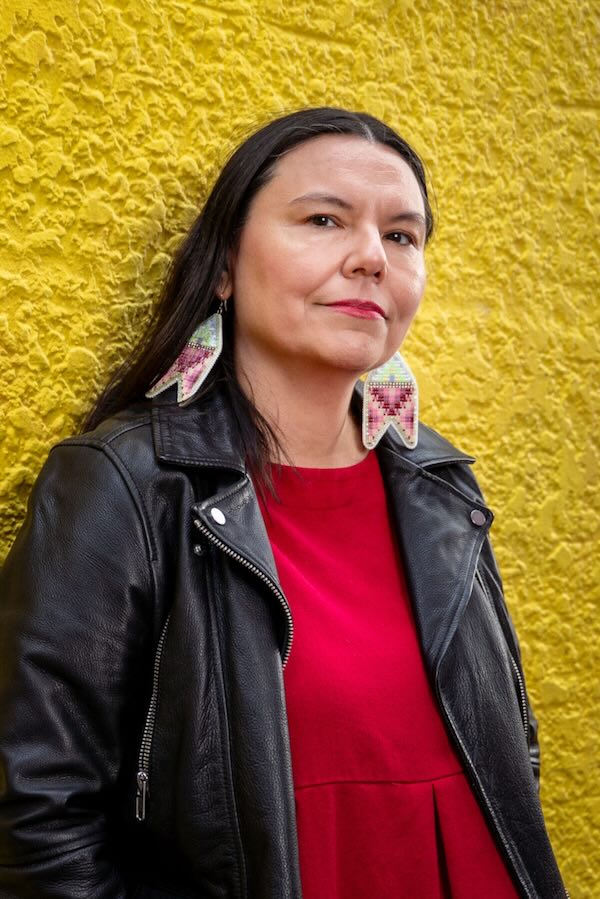
And yet, I have hope for journalism because of the work we’re doing at IndigiNews.
At IndigiNews, we embody tâpwêwin — the Cree value of integrity and responsibility in truth-telling. We are committed to our independent, Indigenous-led newsroom rooted in community, accountability, and relationality. We believe storytelling is a sacred fire that connects our pasts, presents, and futures through the storytellers in our Storytelling Lodge. IndigiNews creates space for Indigenous journalists, storytellers, Knowledge Keepers, and communities to gather, learn, and share stories that matter.
As a registered charity, we are building a fire that allows our work not just to ignite but to thrive. Rather than relying on advertising or corporate acquisition, IndigiNews is sustained by people like you who believe Indigenous stories are important for the future of our communities.
Your support is making a real difference.
Our community of supporters, our Firekeepers, make it possible to grow our newsroom, publish award-winning journalism, train emerging Indigenous journalists through initiatives like the ReFocus Photojournalism Fellowship, and publish trustworthy stories that serve our communities across the country. Every story we publish helps fill in gaps left by mainstream media and ensures Indigenous perspectives are represented with care, accuracy and respect.
But there is still more work to do.
As the media landscape becomes more and more uncertain, community support is as necessary and essential as it’s ever been. Every new Firekeeper helps protect the independence of our newsroom and strengthens journalism that is accountable to our many and varied communities over corporations.
That’s why we’re inviting you to become a Firekeeper.
Firekeepers tend to and protect the sacred fire. Your monthly contributions directly support IndigiNews’s Storytelling Lodge, helps sustain our independent, Indigenous-led newsroom, and ensures future generations of Indigenous storytellers have the resources they need to do the work.
As a registered Canadian charity, all eligible donations receive a charitable tax receipt.
If you believe Indigenous stories matter, if you value independent journalism, and if you want to help build a strong future for Indigenous media, we invite you to join our circle of Firekeepers today.
Together, we can keep the fire burning.
— Eden Fineday, Publisher, IndigiNews
Support us nowLatest Stories
-
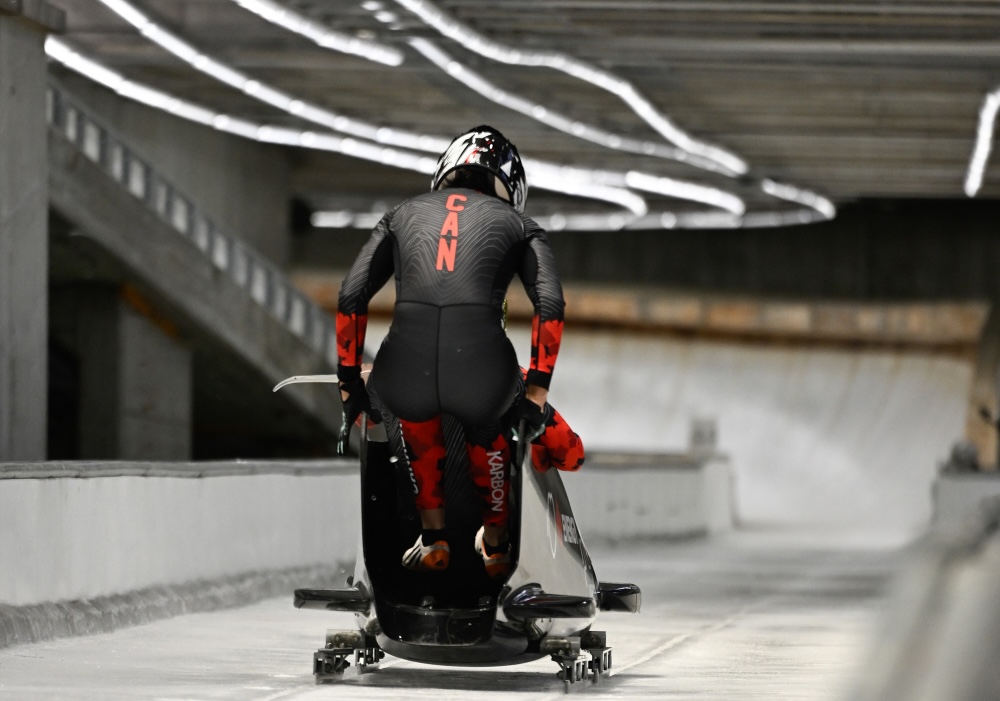
Olympic bobsledder Eden Wilson aims to ‘help open doors’ for aspiring Indigenous athletes
Recently inducted into the North American Indigenous Athletics Hall of Fame, the ‘Calgary’-based Métis athlete is working to break barriers for the next generation
-
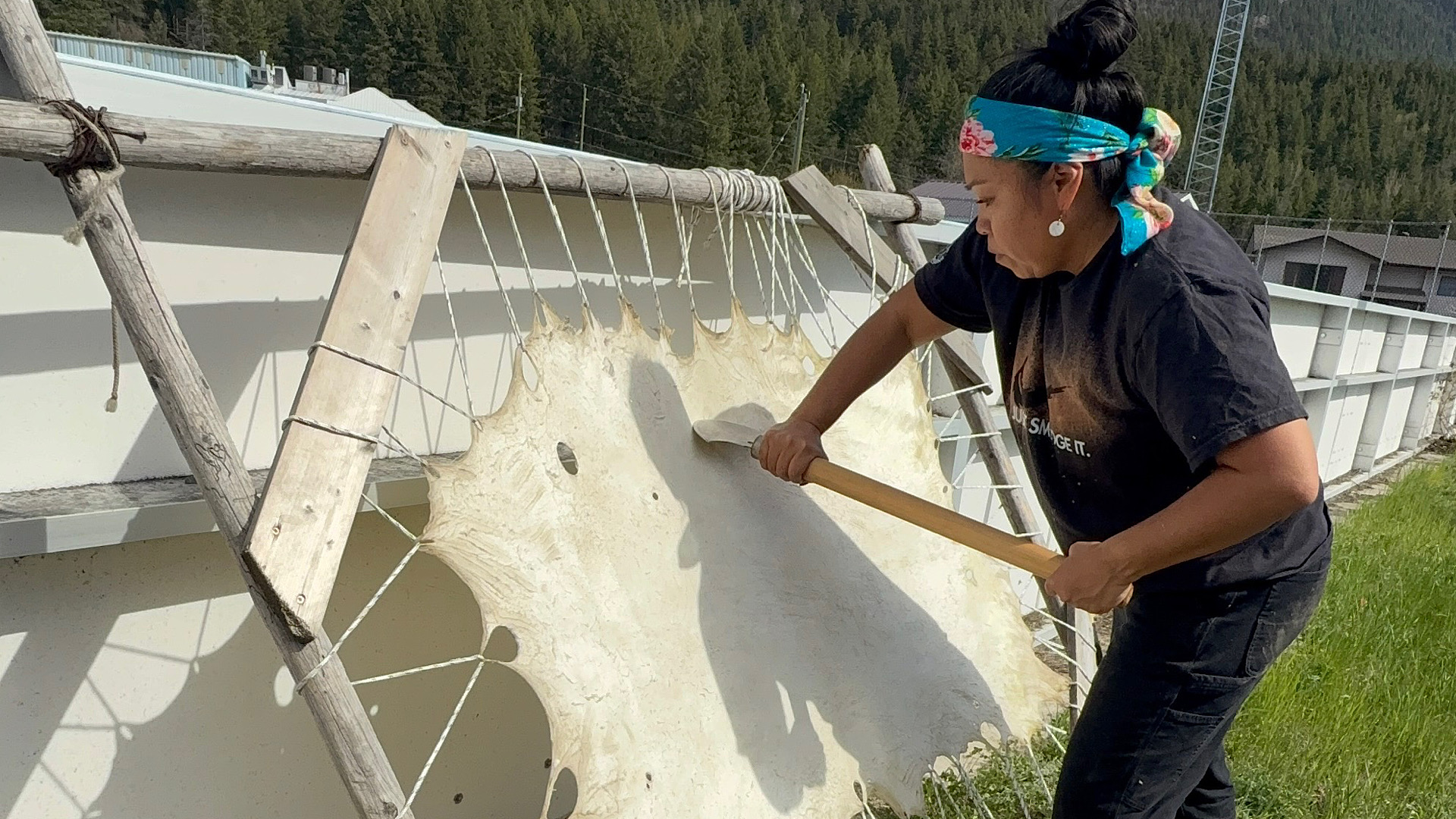
In Simpcw First Nation, Secwe̓pemc women are revitalizing hide tanning
Working with animal pelts is a lengthy, labour-intensive process — but teachers in the ‘B.C.’ community are ensuring the tradition is passed on