We’re covering education for Indigenous students, teachers, and families: Here’s the latest
As IndigiNews’s education reporter covering Vancouver Island, I’m following all of the latest developments. Every month, I’ll bring you a roundup of what you need to know about what’s relevant to Indigenous students, teachers, parents and families that impacts those living on Vancouver Island. What you need to know: K-12 The Liberal government announced $5…

As IndigiNews’s education reporter covering Vancouver Island, I’m following all of the latest developments. Every month, I’ll bring you a roundup of what you need to know about what’s relevant to Indigenous students, teachers, parents and families that impacts those living on Vancouver Island.
What you need to know: K-12
- The Liberal government announced $5 million in funding towards Pathways to Education, a program that aims to help low-income students to remain engaged in their education. Minister of Employment Carla Qualtrough announced the funding on Sept. 29, stating that it will “ensure that young people in low-income communities will continue to have access to the critical supports they need and ensure they have access to safe and accessible online resources.”
- Carihi Secondary School in Campbell River is the second COVID-19 exposure on the Island this month. Carihi Secondary School sent out a COVID notification letter on Oct. 8 stating that if students had no symptoms, or did not receive notice to self isolate, they could continue to attend school as normal. The first Island school exposure happened at Port Alberni District Secondary School, where a student also tested positive.
- Craigflower Elementary is hosting a Virtual Book Fair from Nov. 9-15 at Munro’s Books in Victoria. For every book sold in store in support of the school, half of the profits will go to the school library.
- The BC3 Challenge Entrepreneurial Training for Indingeous Youth is accepting applications from students to attend four days of workshops to develop their business skills and explore their entrepreneurial spirit. The program started in 2018 and was co-developed with the BC Association of Aboriginal Friendship Centres and the University of Victoria’s Gustavson School of Business. Training is online and in the evenings so that students who are in school can still attend. For more information visit their website.
- In a recent poll published by Leger “Decision 2020: Provincial Politics in British Columbia”, B.C. respondents placed education in the top four most important election themes however, in the Oct. 13 provincial leaders’ debate, education issues were not brought to the forefront..
What you need to know: Post-secondary
- The BC Association of Aboriginal Friendship Centres is offering a limited one time COVID-19 relief fund payment of $1,500 to help B.C. First Nations students enrolled in a post-secondary program. Those registered as Status Indians without band membership are eligible to receive support such as counselling, mental health and wellness, technology assistance for online schooling, and additional tuition support to continue with their studies on behalf of Indigenous Services Canada.
- Green Party leader Paul Manly, representing Nanaimo and Ladysmith, said in the house on Oct. 6 that the Greens continue to advocate for the complete elimination of tuition funds for post-secondary students to “create an educated workforce without burdening our young people with unsustainable debt.”
- UVic and The Honourable Janet Austin, Lieutenant Governor of British Columbia and Government House have partnered to engage students in dialogues on Democracy and Civic Engagement. Twenty-four students from post-secondary institutions across B.C. who wish to be a part of the dialogues will be drawn from a lottery to participate in four virtual forums to learn and deliberate about civil political discourse and democratic engagement. If you are a university student and are interested in joining email: engagewithus@uvic.ca
Our latest education stories:
- Adapting early childhood care to support Indigenous kids amid COVID-19.
- Cree aspiring social worker wants to continue family legacy.
- Cowichan Elder reclaiming her education after day school trauma
- Culture in classrooms: Growing Sooke School District works to enhance Indigenous programs
- What orange shirt day means to this Penticton Indian Band Elder
That’s it for now! If you have news or information that you want to share, email me: catherine@indiginews.com.
Author
We live in a media ecosystem that thrives on misinformation. Big Tech and AI companies are consuming the work of real human beings and Canadian news has been banned on Facebook and Instagram.

And yet, I have hope for journalism because of the work we’re doing at IndigiNews.
At IndigiNews, we embody tâpwêwin — the Cree value of integrity and responsibility in truth-telling. We are committed to our independent, Indigenous-led newsroom rooted in community, accountability, and relationality. We believe storytelling is a sacred fire that connects our pasts, presents, and futures through the storytellers in our Storytelling Lodge. IndigiNews creates space for Indigenous journalists, storytellers, Knowledge Keepers, and communities to gather, learn, and share stories that matter.
As a registered charity, we are building a fire that allows our work not just to ignite but to thrive. Rather than relying on advertising or corporate acquisition, IndigiNews is sustained by people like you who believe Indigenous stories are important for the future of our communities.
Your support is making a real difference.
Our community of supporters, our Firekeepers, make it possible to grow our newsroom, publish award-winning journalism, train emerging Indigenous journalists through initiatives like the ReFocus Photojournalism Fellowship, and publish trustworthy stories that serve our communities across the country. Every story we publish helps fill in gaps left by mainstream media and ensures Indigenous perspectives are represented with care, accuracy and respect.
But there is still more work to do.
As the media landscape becomes more and more uncertain, community support is as necessary and essential as it’s ever been. Every new Firekeeper helps protect the independence of our newsroom and strengthens journalism that is accountable to our many and varied communities over corporations.
That’s why we’re inviting you to become a Firekeeper.
Firekeepers tend to and protect the sacred fire. Your monthly contributions directly support IndigiNews’s Storytelling Lodge, helps sustain our independent, Indigenous-led newsroom, and ensures future generations of Indigenous storytellers have the resources they need to do the work.
As a registered Canadian charity, all eligible donations receive a charitable tax receipt.
If you believe Indigenous stories matter, if you value independent journalism, and if you want to help build a strong future for Indigenous media, we invite you to join our circle of Firekeepers today.
Together, we can keep the fire burning.
— Eden Fineday, Publisher, IndigiNews
Support us nowLatest Stories
-
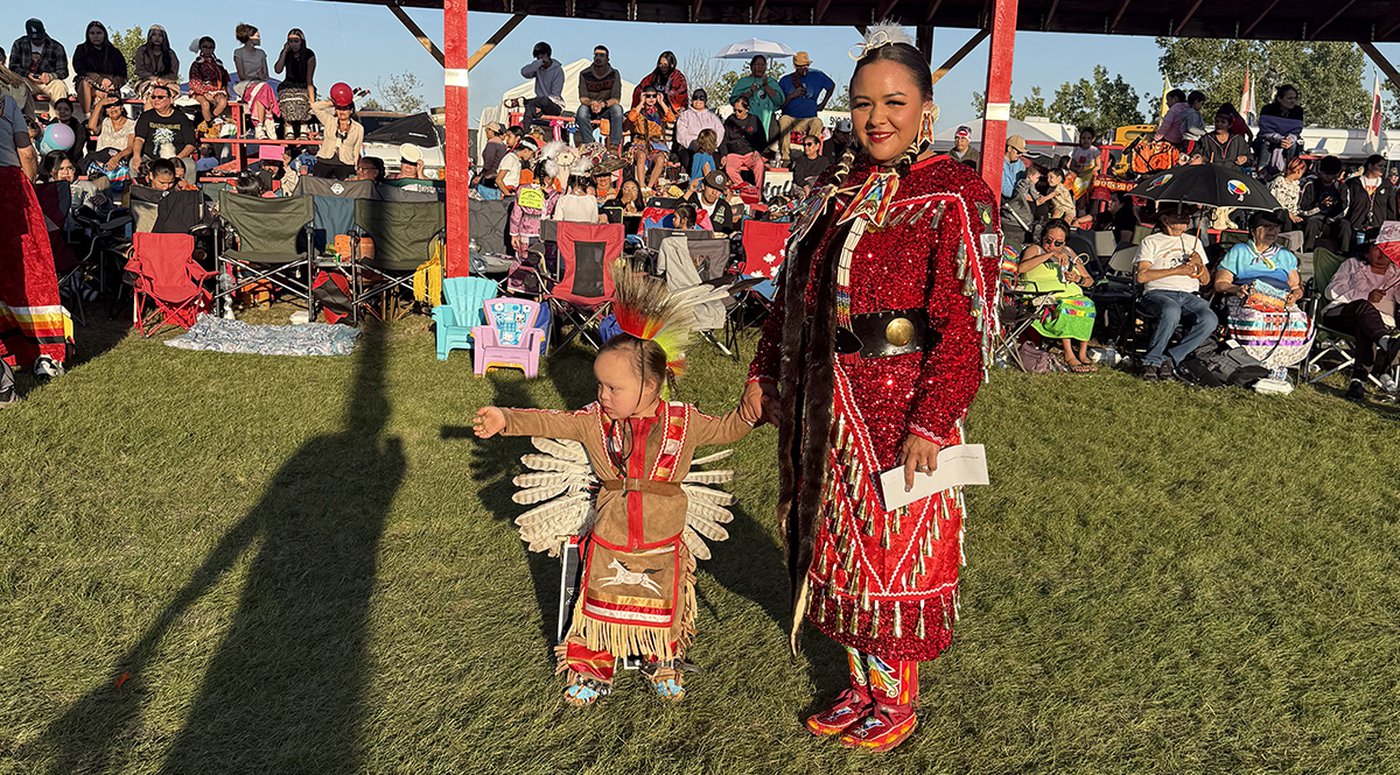
Beloved on the powwow circuit, young boy’s connection to the drum inspires
Now four, Waseskwan Redcrow was dancing ‘before he could even fully walk’ — his family says participating in powwows has brought them joy and belonging
-
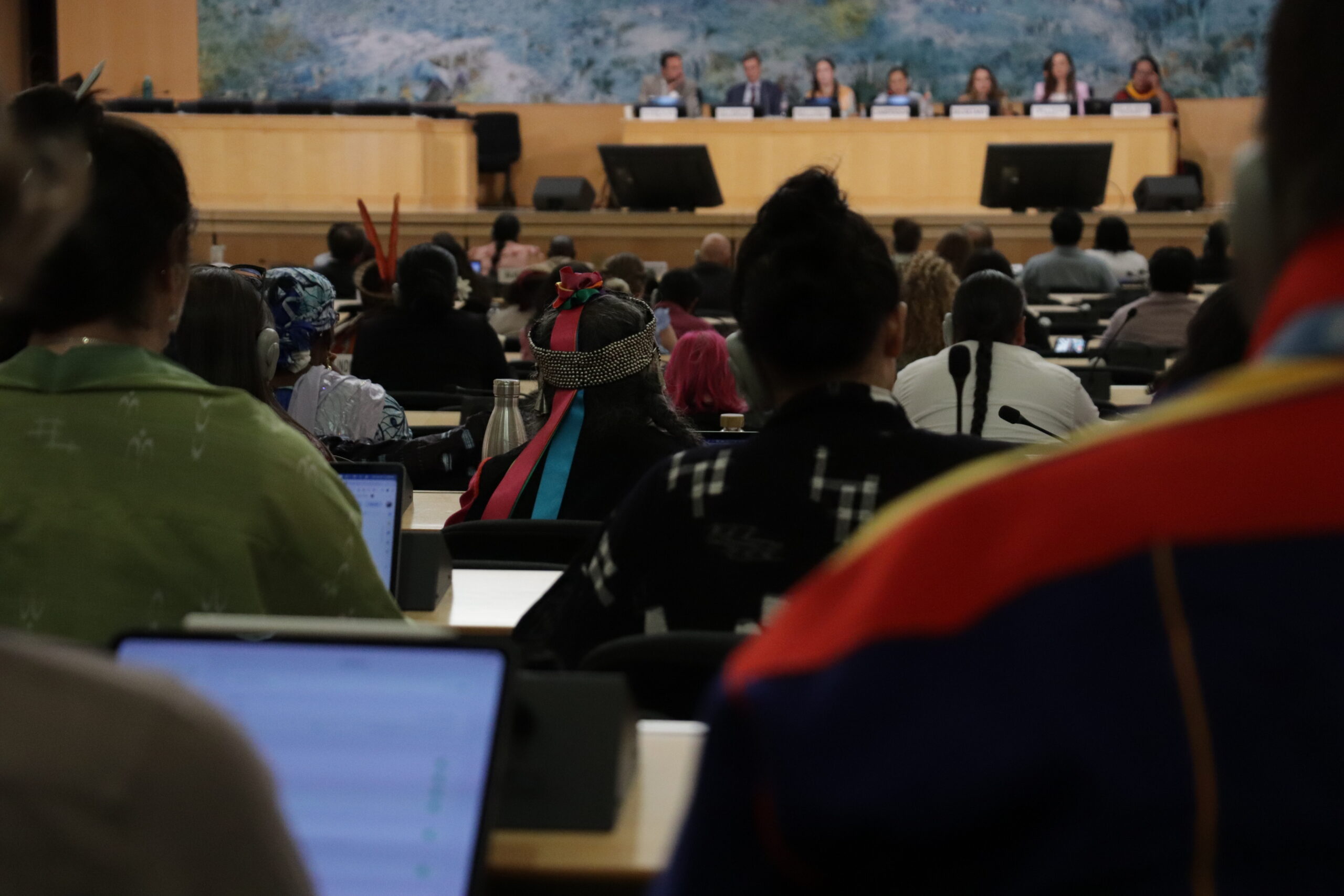
Indigenous leaders give the UN a roadmap for protecting their peoples
Amidst prayers and vows of solidarity, UN Expert Mechanism on the Rights of Indigenous Peoples ends annual meetings with demands for ‘action we’re not seeing globally’