Looking back at 2024: A year in stories
From the return of salmon (and Buffalo!) to a historic Aboriginal title agreement — a retrospective of some of the biggest stories from the past 12 months

It’s a new calendar year — which means it’s that time again to look back at the previous one.
At IndigiNews, 2024 was eventful: we published more stories than ever, continued collaborations with other outlets and were recognized with some of the top honours in the industry.
We really found our voice this year, thanks to our readers who support us, the sources who trust us and an excellent team of reporters and editors who care deeply about the content we publish.
We shared some very memorable stories throughout the year, but have narrowed it down to a short list of some of the top newsmakers.
From a landmark Aboriginal title decision in Haida Gwaii to the rematriation of Buffalo on the prairies — here are some of the stories that stayed with us from the past 12 months.
Visiting an ancestor at the Smithsonian
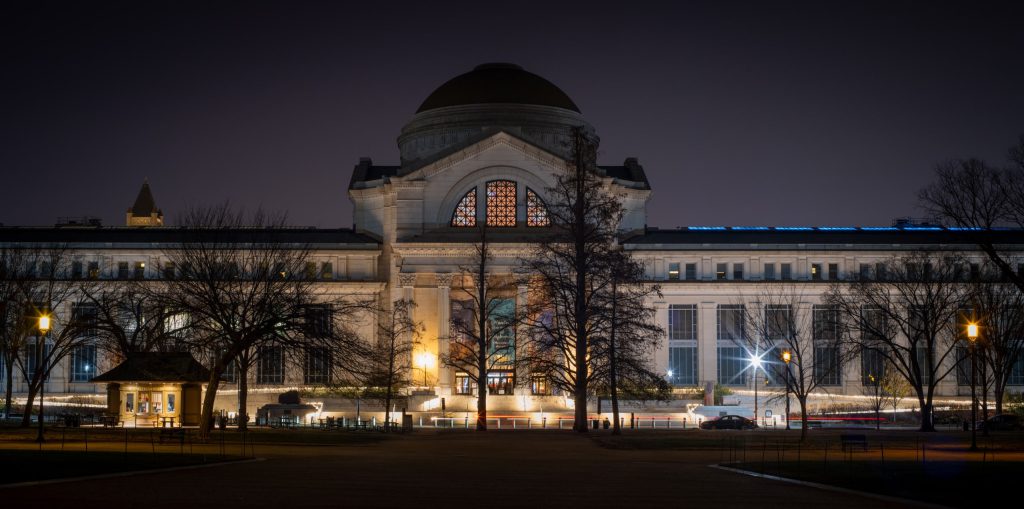
In February, IndigiNews publisher Eden Fineday wrote about discovering that the skull of her great-great-grandfather was being held in the Smithsonian museum in “Washington.” In the springtime, she ended up travelling to the institution to visit her ancestor and hold ceremony with his remains.
Since it was initially a database from the Washington Post that allowed Eden to find her relative, she recounted the experience of her visit in that newspaper — and IndigiNews shared that second piece as well.
Tiny House Warriors on trial
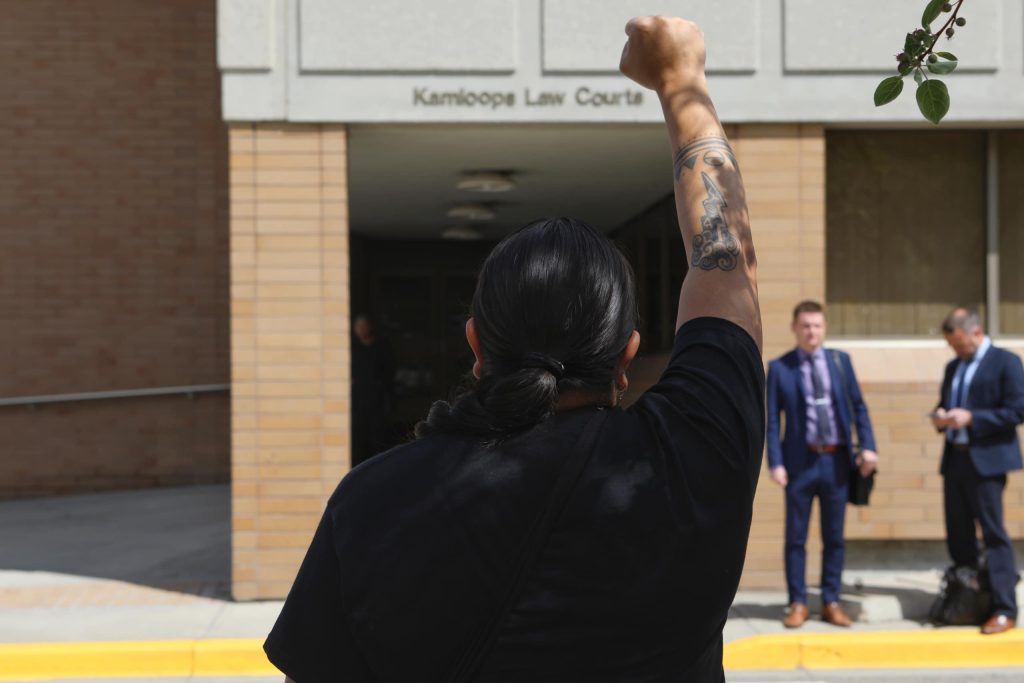
Throughout 2024, IndigiNews reporter Aaron Hemens wrote about members of the Tiny House Warriors who were in court facing a slew of charges related to an altercation at a Trans Mountain pipeline expansion (TMX) work site.
The Secwépemc-led resistance group is in opposition to the pipeline’s development on unceded lands — and this trial was the latest round of land defenders being criminalized for disrupting the development of TMX.
In February, the trial for Mayuk Nicole Manuel, Isha Jules, Sami Nasr and Tricia Charlie began. After a weeklong hearing, a judge found the land defenders guilty on all charges in May. They were initially set to be sentenced in late 2024, but it has been adjourned to 2025.
A historic child welfare agreement for Sts’ailes

For Sts’ailes First Nation, regaining control over its own child welfare services has been a long and sometimes-arduous journey. Through 2024, IndigiNews reporter Amy Romer covered the community’s transfer of services from “B.C.” and “Canada” — starting with a ceremony in February. The event was meant to celebrate a co-ordination agreement between all three governments, but there were delays from the federal government.
Then, in September, Sts’ailes was at last able to sign the agreement, marking a happy end to what Grand Chief William Charlie described as a “emotional, frustrating, disappointing” four-year process.
Aboriginal title recognized over all of Haida Gwaii

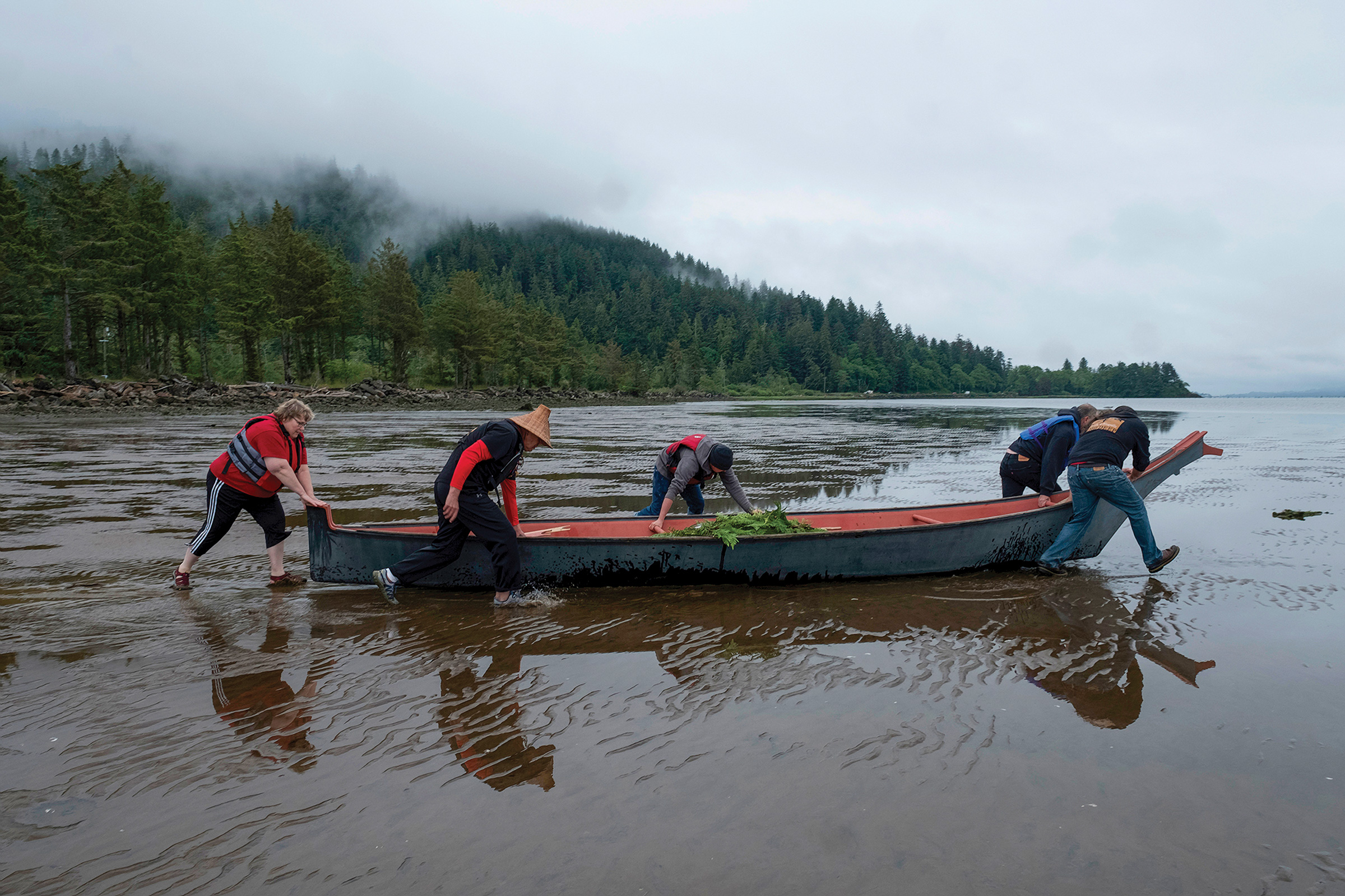
In mid-March, the province announced the completion of a landmark draft agreement formally recognizing the Haida Nation’s Aboriginal title throughout its entire territory of Haida Gwaii.
After decades of negotiation, the Council of the Haida Nation signed the agreement with “British Columbia” on Sunday transferring ownership and jurisdiction over more than 10,000 square kilometres back from the Crown.
In an interview with reporter Julie Chadwick the following month, B.C. Premier David Eby called the move “a template” for what’s possible.
Oil company asks judge to arrest and jail Cree chief
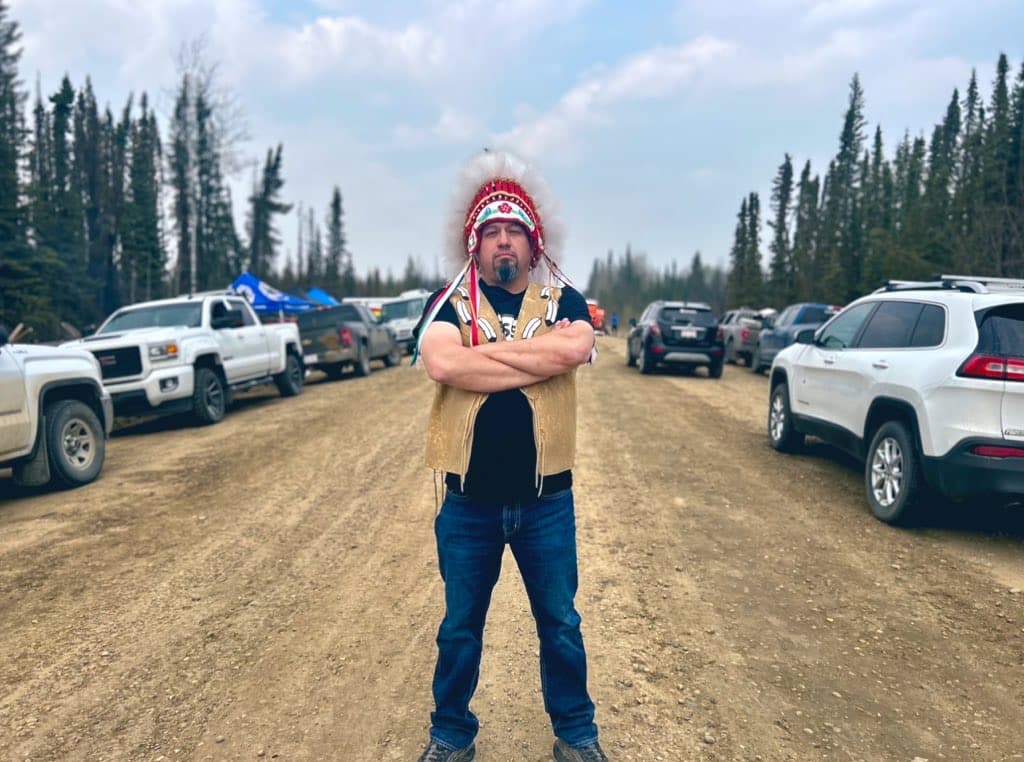
As part of an ongoing collaboration between IndigiNews and Ricochet Media, Brandi Morin covered multiple stories for both outlets throughout the year about the impacts of the oil industry on Indigenous communities in northern “Alberta.”
In early May, things escalated when the oil and gas company Obsidian Energy asked a judge to arrest and jail a Woodland Cree chief who refused to allow a development to proceed on his community’s homelands.
The company obtained an injunction to stop a blockade in the way of a drilling site near “Peace River” — as Indigenous leaders called called Obsidian’s forceful approach an attack on their treaty rights.
Families of ‘Winnipeg’ MMIWG shape their own justice

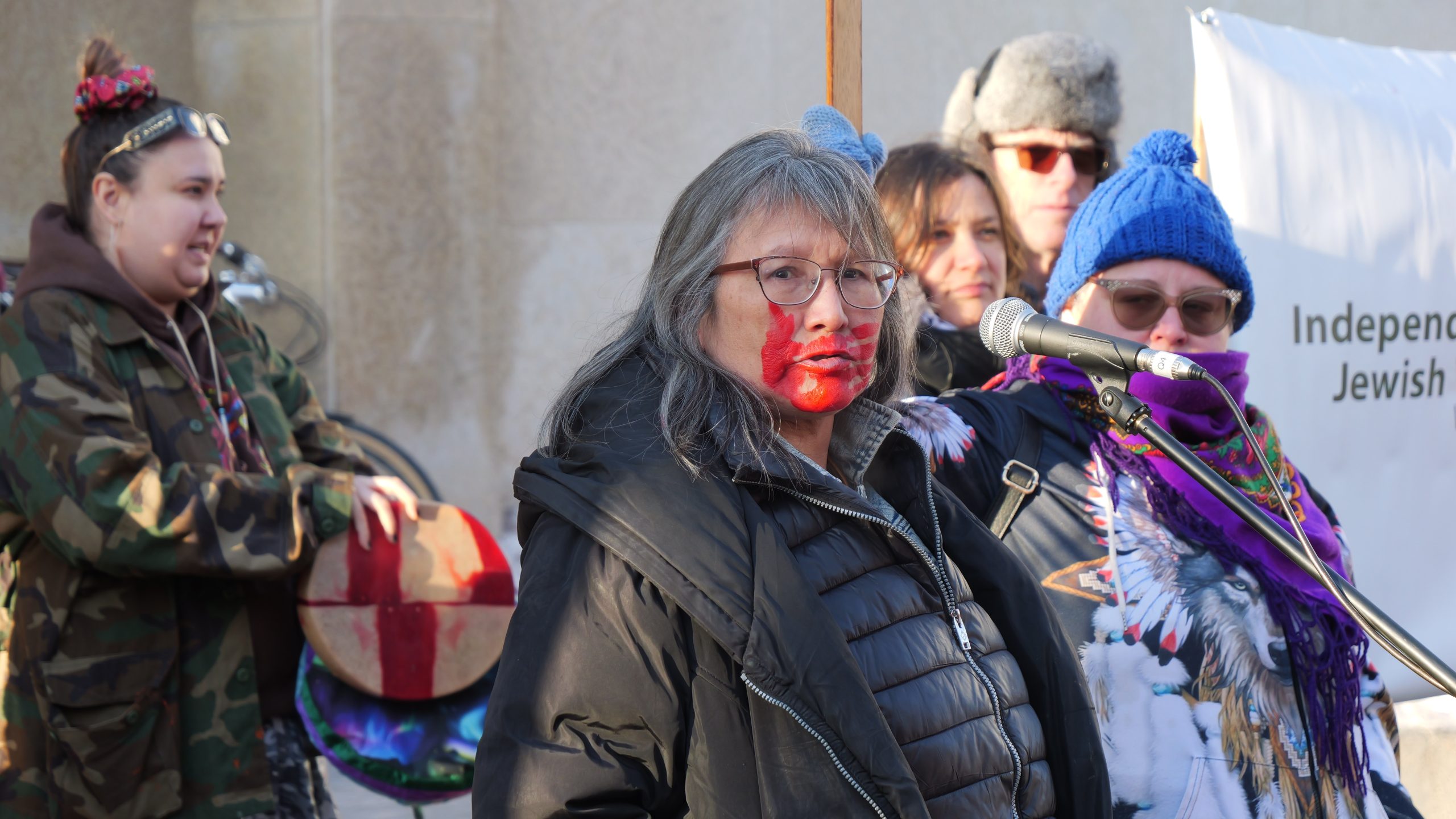
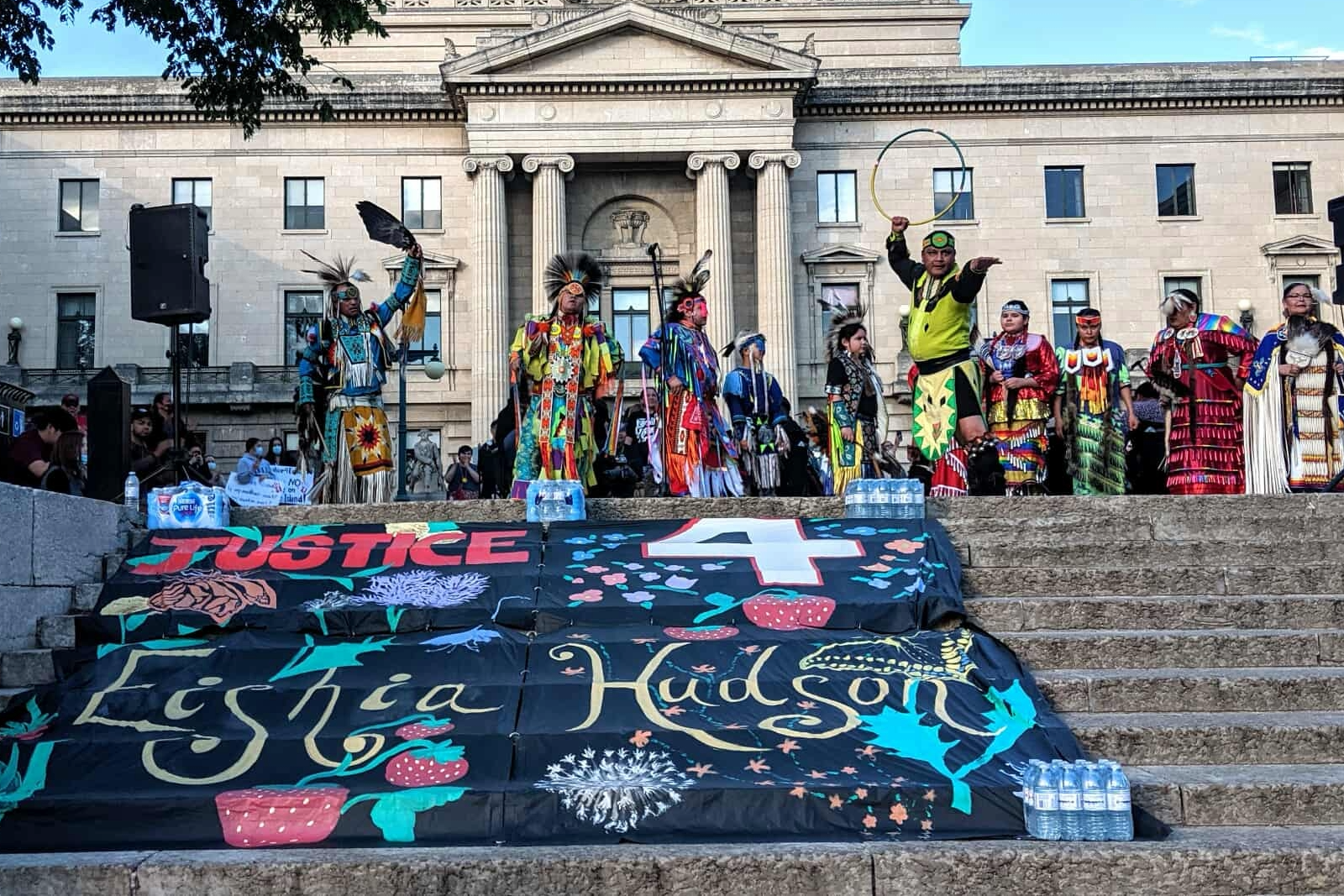
The story about a landfill search for missing and murdered Indigenous women and girls (MMIWG+) in “Winnipeg” was — and continues to be — prolific across the country and beyond. Not only did the #SearchtheLandfill movement make headlines across “Canada” this year, but so did the serial killer responsible for the women’s deaths as he was convicted for his crimes.
When journalist Crystal Greene joined IndigiNews as an investigative fellow through a program with Ricochet Media and Pivot this year, she was able to spend time on the ground to write a long-form, comprehensive account of this story through the lens of the families who have advocated for justice and healing.
Salmon make historic return to ‘B.C.’ waterways

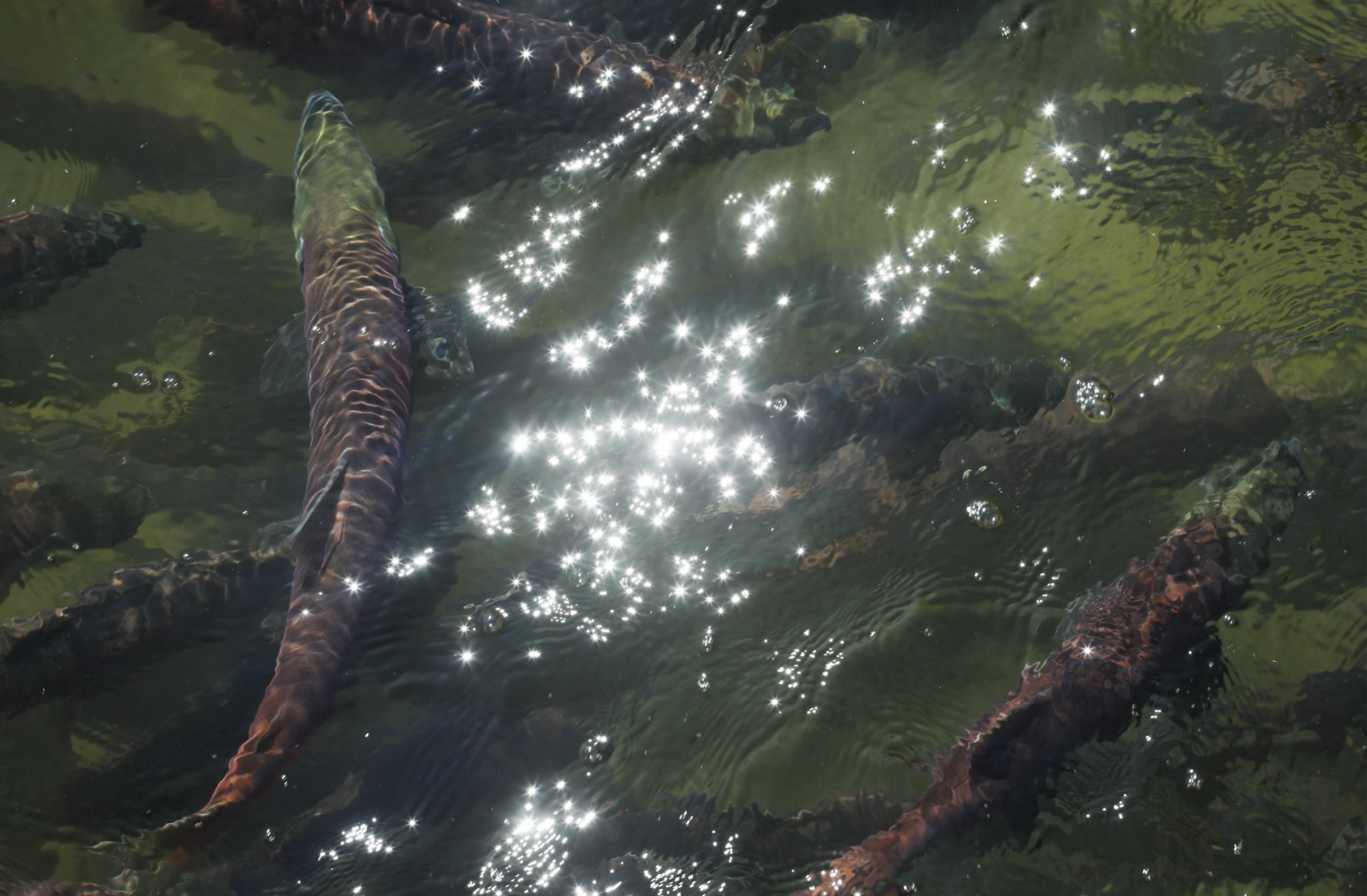
The historic return of salmon to local waterways captivated our newsroom and readers in 2024. In early September, sockeye returned to a spawning habitat they had been blocked from returning to more than 80 years prior — thanks to efforts from the Ktunaxa, Secwépemc, and sylix Okanagan nations.
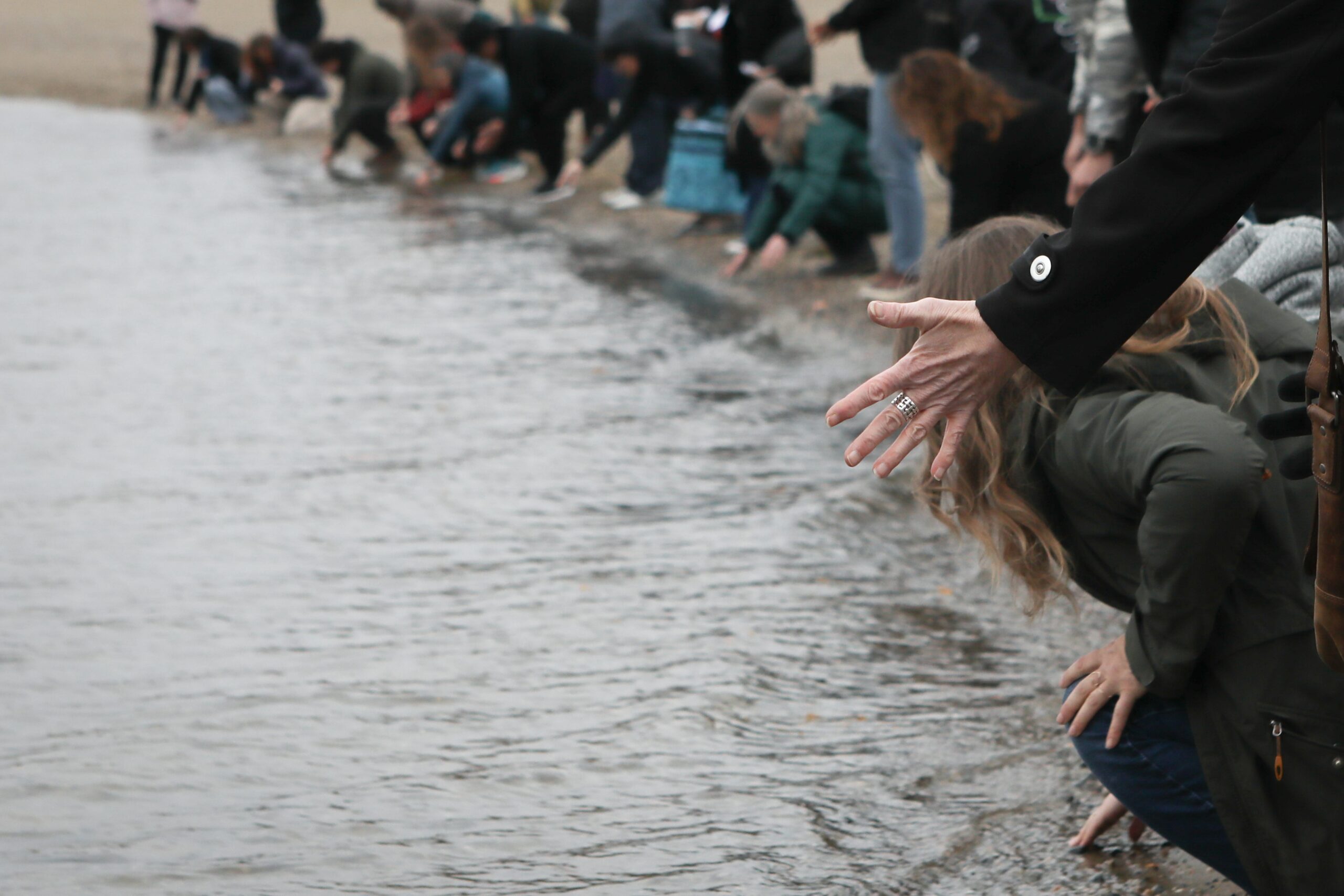
Then, that same month, researchers found that a lone chinook had made its way home to kɬúsx̌nítkw (Okanagan Lake) from the ocean — for the first time in known recent history. People gathered to celebrate the healthy year for salmon at an annual feast in late September.
A new resistance to LNG unfolds in northern ‘B.C.’

In late August, a new pipeline resistance movement began unfolding in northwestern “B.C.” — and journalists Brandi Morin and Amy Romer covered the story for IndigiNews and Ricochet. As a blockade stopped equipment from the Prince Rupert Gas Transmission (PRGT) pipeline, hereditary chiefs burned a pipeline benefit agreement they had signed a decade prior.
A couple months later, journalist Mike Graeme revisited the movement — spending time at a Gitxsan camp in the right of way for PRGT and showcasing how the land defenders were preparing for a long winter ahead.
An Indigenous mother’s fight for justice

IndigiNews bookended 2024 with the story of “Justine,” an Afro-Indigenous mother who has faced a long journey in court as she seeks justice for the discrimination she faced during her time dealing with the child welfare system. Journalist Brielle Morgan has been covering this story since the start — and it continues to weave its way through the court system.
In January, we shared the story of “Justine’s” historic discrimination award being overturned — then, in December, followed “Justine” to the province’s top court where she is appealing that decision.
Travelling the Buffalo road — in Cree and in English

One of the most uplifting stories of the year was a feature piece by journalist Kayla MacInnis, who spent days on the road learning about Buffalo rematriation across the prairies. IndigiNews collaborated with the Narwhal to share this stunning piece, which we were able to co-publish in late October.
Then, in December, the two outlets were able to share a full translation of the piece in Plains Cree, as well as an audio recording. The project was a dream for everyone who worked on it, and an incredible way to cap off the year.
Author
We live in a media ecosystem that thrives on misinformation. Big Tech and AI companies are consuming the work of real human beings and Canadian news has been banned on Facebook and Instagram.
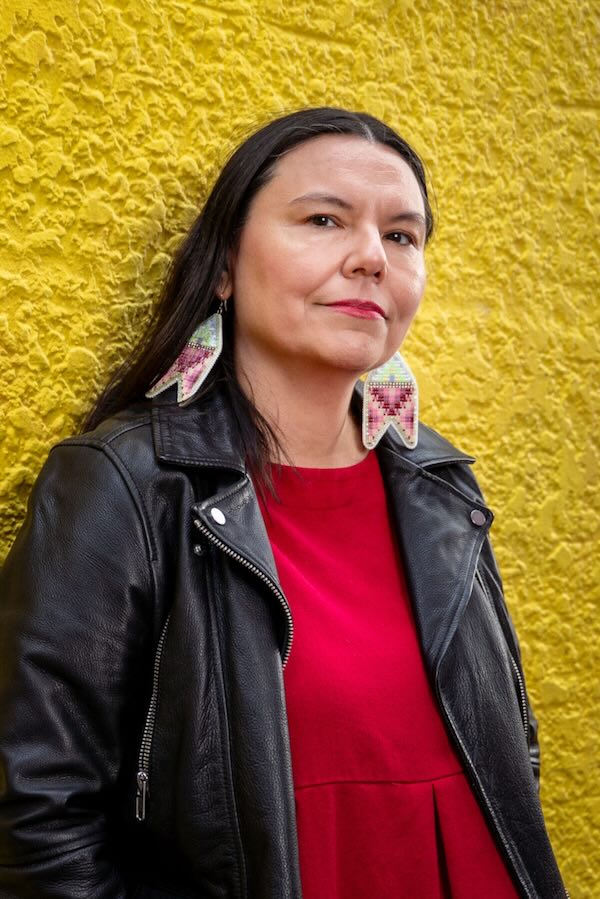
And yet, I have hope for journalism because of the work we’re doing at IndigiNews.
At IndigiNews, we embody tâpwêwin — the Cree value of integrity and responsibility in truth-telling. We are committed to our independent, Indigenous-led newsroom rooted in community, accountability, and relationality. We believe storytelling is a sacred fire that connects our pasts, presents, and futures through the storytellers in our Storytelling Lodge. IndigiNews creates space for Indigenous journalists, storytellers, Knowledge Keepers, and communities to gather, learn, and share stories that matter.
As a registered charity, we are building a fire that allows our work not just to ignite but to thrive. Rather than relying on advertising or corporate acquisition, IndigiNews is sustained by people like you who believe Indigenous stories are important for the future of our communities.
Your support is making a real difference.
Our community of supporters, our Firekeepers, make it possible to grow our newsroom, publish award-winning journalism, train emerging Indigenous journalists through initiatives like the ReFocus Photojournalism Fellowship, and publish trustworthy stories that serve our communities across the country. Every story we publish helps fill in gaps left by mainstream media and ensures Indigenous perspectives are represented with care, accuracy and respect.
But there is still more work to do.
As the media landscape becomes more and more uncertain, community support is as necessary and essential as it’s ever been. Every new Firekeeper helps protect the independence of our newsroom and strengthens journalism that is accountable to our many and varied communities over corporations.
That’s why we’re inviting you to become a Firekeeper.
Firekeepers tend to and protect the sacred fire. Your monthly contributions directly support IndigiNews’s Storytelling Lodge, helps sustain our independent, Indigenous-led newsroom, and ensures future generations of Indigenous storytellers have the resources they need to do the work.
As a registered Canadian charity, all eligible donations receive a charitable tax receipt.
If you believe Indigenous stories matter, if you value independent journalism, and if you want to help build a strong future for Indigenous media, we invite you to join our circle of Firekeepers today.
Together, we can keep the fire burning.
— Eden Fineday, Publisher, IndigiNews
Support us nowLatest Stories
-
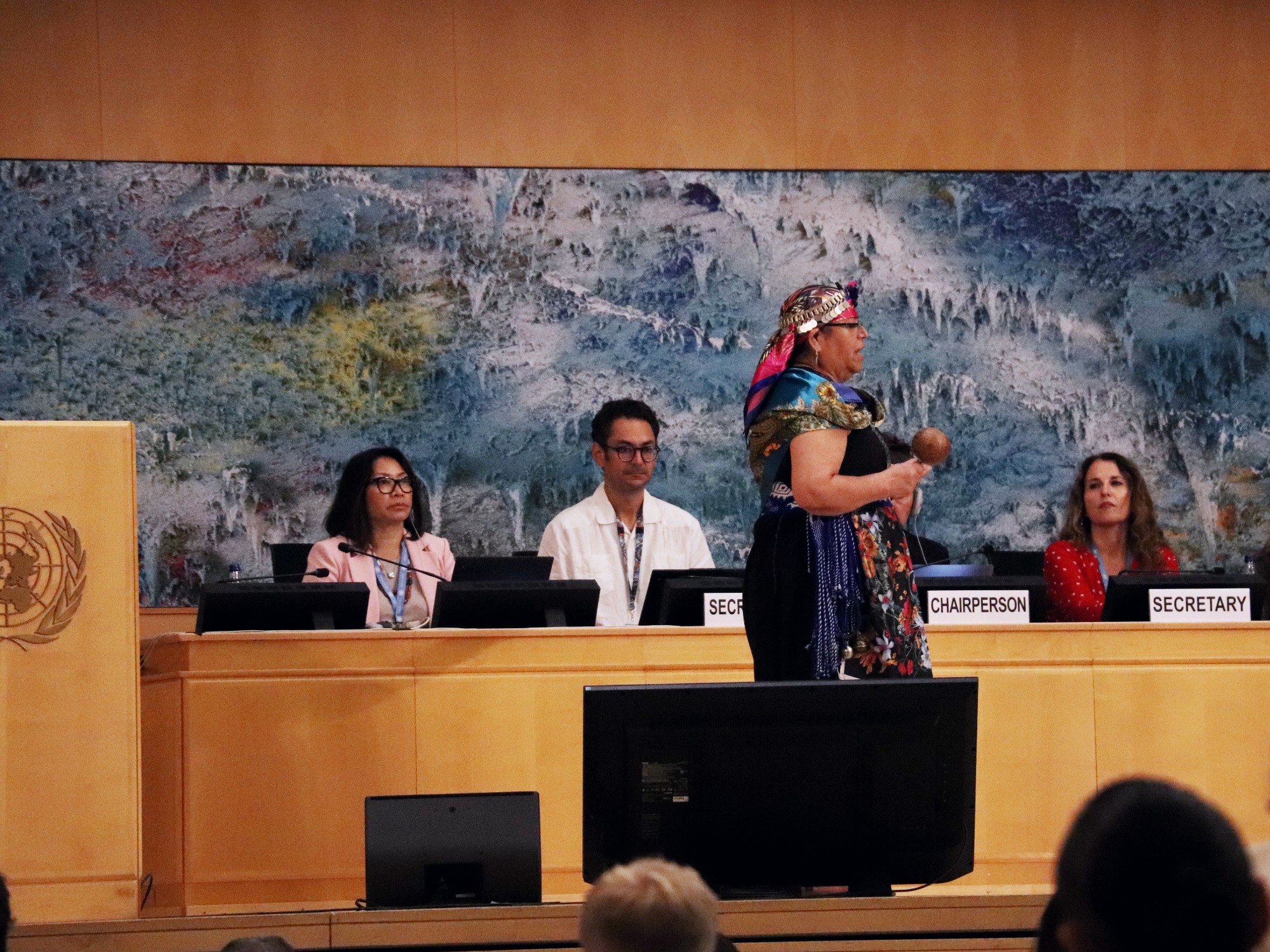
Indigenous people demand more say at the UN, as new crises hit their homelands
Indigenous nations live ‘on the frontlines’ of climate, conflict and new tech. But their voices remain sidelined in the global halls of power.
-
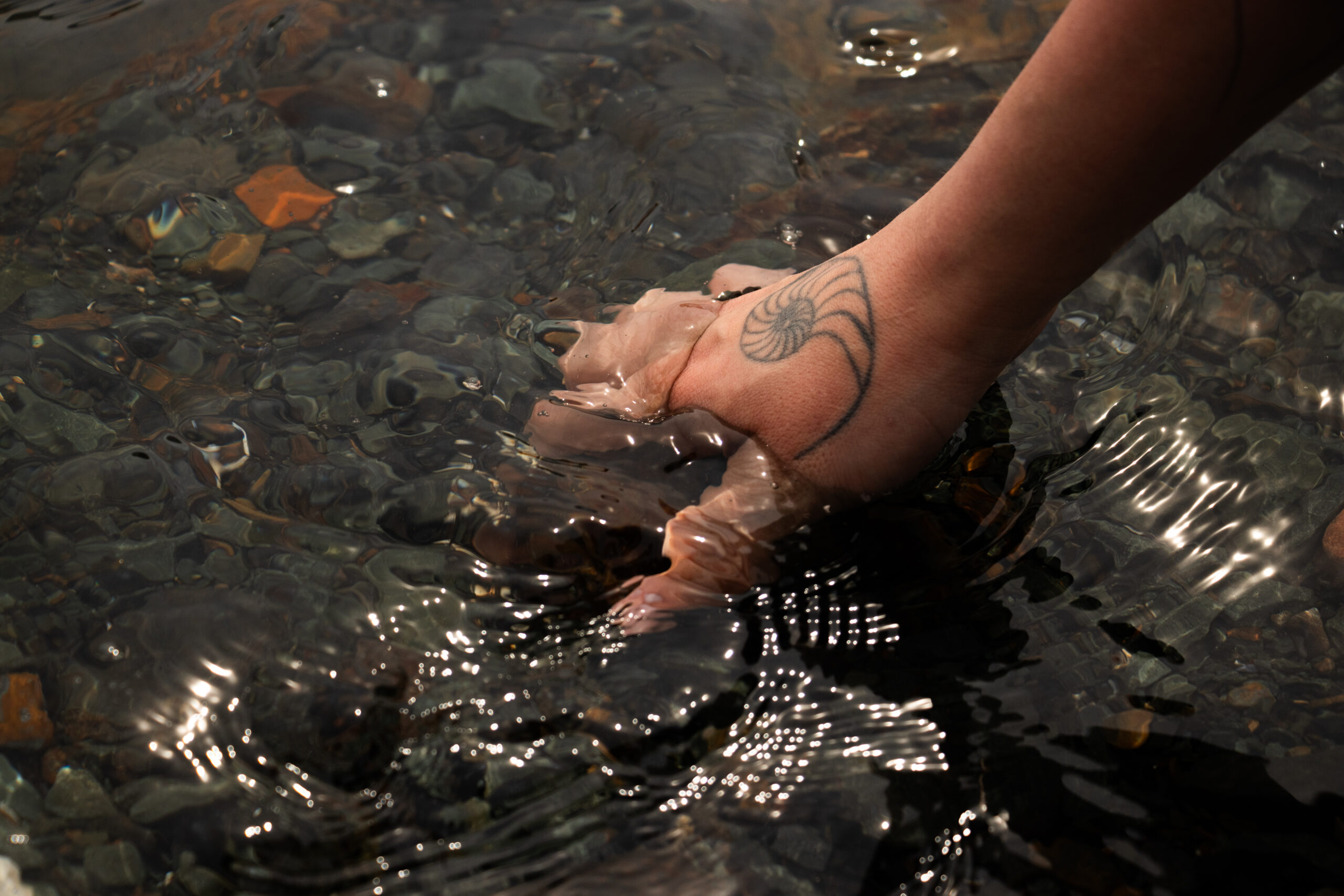
Through their lenses: Showcasing the work of our 2026 ReFocus fellows
Get to know our photojournalism training cohort through a series of portraits shot during a week in Kjipuktuk (Halifax)