Why all eyes should be on the Supreme Court of Canada: Families await key child welfare decision
A pending appeal ruling on the constitutionality of Bill C-92 could impact Indigenous children, youth and families across the country
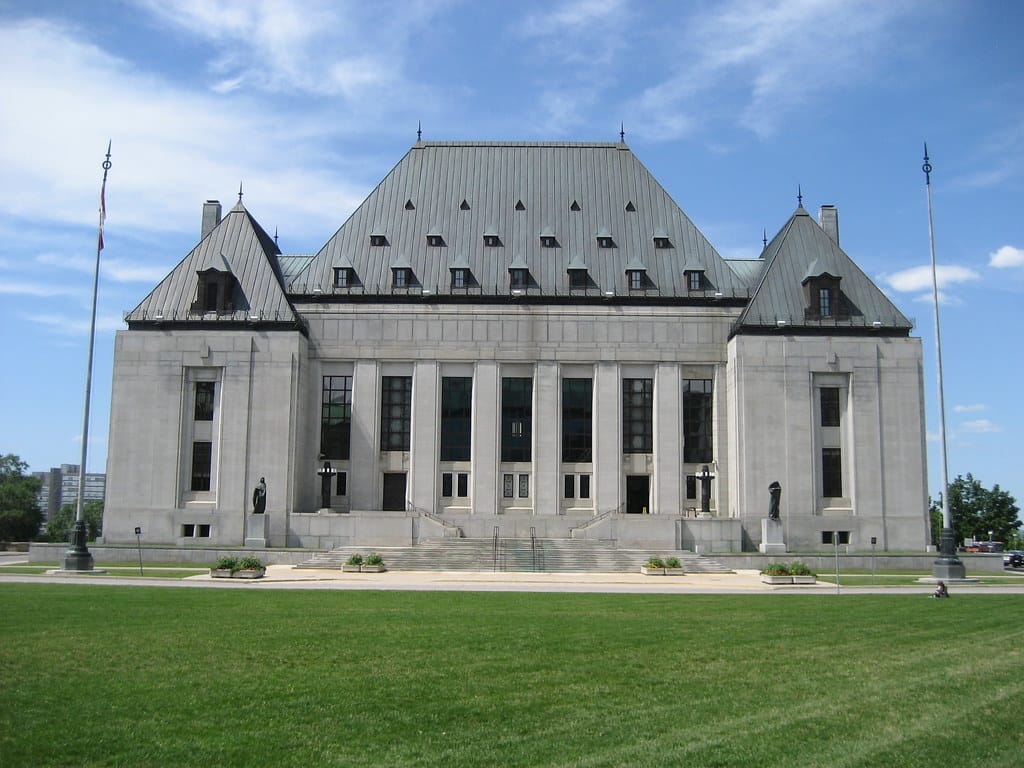
Indigenous people across the country are keeping a close eye on a pending top court decision which could have far-reaching impacts on First Nations, Métis and Inuit sovereignty over their own child welfare laws.
At the beginning of December 2022, the Supreme Court of Canada heard an appeal involving the province of “Quebec,” which has been challenging the constitutionality of the federal Bill C-92.
The bill opens a door for Indigenous nations to develop their own child welfare laws and policies, an area that’s typically broadly governed by the provinces. “Quebec” is arguing that the federal government overstepped its jurisdiction by allowing Indigenous laws to override existing provincial legislation.
The case was escalated by the federal government after the Quebec Court of Appeal ruled in February 2022 that two sections of the act are not constitutional.
Kate Gunn, a partner at First Peoples Law and an adjunct professor in the University of British Columbia’s Faculty of Law, says that this decision is important because it will further define Indigenous Peoples’ inherent law-making authority over child and family services.
“There are very important aspects to this case around how constitutionally-protected rights for Indigenous people are defined,” she says.
Gunn says that if the Supreme Court of Canada were to agree with the arguments brought forward by “Quebec,” it would have serious negative impacts on Indigenous Peoples across “Canada.” However, if the court rules against the province, it could positively impact how Indigenous laws are respected in future cases.
“The decision will clarify whether and how the court will recognize and protect Indigenous Peoples’ ability to regulate child and family services based on their own laws and cultures,” Gunn wrote in an article before the hearings took place.
Standing together
In 2016, a the Canadian Human Rights Tribunal ruled that the federal government was discriminating against Indigenous children and families living on reserve by underfunding child welfare agencies.
Bill C-92, which came into effect in January 2020, was created in response to the overrepresentation of Indigenous children and youth involved in “Canada’s” child welfare system. According to the latest census data, 53.8 per cent of all children in foster care are Indigenous, yet they make up only 7.7 per cent of the total child population.
Cindy Blackstock of the First Nations Child & Family Caring Society has previously pointed out that there are three times as many Indigenous children in government “care” today than there were at the height of residential “schools.”
Bill C-92 was co-developed with Indigenous Peoples to affirm the rights of First Nations, Inuit and Métis peoples to exercise jurisdiction over child and family services.
According to Indigenous Services Canada, 37 nations have since given notice to the federal government that they intend to exercise their inherent authority over their own children and families. Another 27 nations have requested for a co-ordination agreement with both federal and provincial governments to recreate child welfare laws.
In “British Columbia,” the province is introducing revised legislation that gives increased power to Indigenous communities when it comes to their own child welfare.
‘We continue to ask for this recognition’
While “Quebec’s” fight against Bill C-92 was advanced to the country’s top court, the Assembly of First Nations (AFN) released a statement that says it stands with First Nations in “Quebec” — and all First Nations which exercise their inherent jurisdiction over child and family law.
The AFN, along with the Caring Society and the Federation of Sovereign Indigenous Nations (FSIN), are acting as interveners in the case.
“Advancing First Nations priorities requires recognizing First Nations law-making powers, AFN Quebec-Labrador Regional Chief Ghislain Picard said in a Dec. 5 statement. “We continue to ask for this recognition and for sovereignty in our nations.”
“This precedent will impact treaty and inherent rights and whether the court will recognize our right to raise our children surrounded by their language, culture, history and land,” added FNIS First Vice-Chief David Pratt.
The Supreme Court’s decision in the case is expected to come down in 2023.
EDITOR’S NOTE: This is a corrected story. A previous version incorrectly stated that the Canadian Human Rights Tribunal ruled in 2016 that both the federal government and provinces were discriminating against children on-reserve. In fact the ruling was solely directed at the federal government. We apologize for the error.
Author
We live in a media ecosystem that thrives on misinformation. Big Tech and AI companies are consuming the work of real human beings and Canadian news has been banned on Facebook and Instagram.
And yet, I have hope for journalism because of the work we’re doing at IndigiNews.
At IndigiNews, we embody tâpwêwin — the Cree value of integrity and responsibility in truth-telling. We are committed to our independent, Indigenous-led newsroom rooted in community, accountability, and relationality. We believe storytelling is a sacred fire that connects our pasts, presents, and futures through the storytellers in our Storytelling Lodge. IndigiNews creates space for Indigenous journalists, storytellers, Knowledge Keepers, and communities to gather, learn, and share stories that matter.
As a registered charity, we are building a fire that allows our work not just to ignite but to thrive. Rather than relying on advertising or corporate acquisition, IndigiNews is sustained by people like you who believe Indigenous stories are important for the future of our communities.
Your support is making a real difference.
Our community of supporters, our Firekeepers, make it possible to grow our newsroom, publish award-winning journalism, train emerging Indigenous journalists through initiatives like the ReFocus Photojournalism Fellowship, and publish trustworthy stories that serve our communities across the country. Every story we publish helps fill in gaps left by mainstream media and ensures Indigenous perspectives are represented with care, accuracy and respect.
But there is still more work to do.
As the media landscape becomes more and more uncertain, community support is as necessary and essential as it’s ever been. Every new Firekeeper helps protect the independence of our newsroom and strengthens journalism that is accountable to our many and varied communities over corporations.
That’s why we’re inviting you to become a Firekeeper.
Firekeepers tend to and protect the sacred fire. Your monthly contributions directly support IndigiNews’s Storytelling Lodge, helps sustain our independent, Indigenous-led newsroom, and ensures future generations of Indigenous storytellers have the resources they need to do the work.
As a registered Canadian charity, all eligible donations receive a charitable tax receipt.
If you believe Indigenous stories matter, if you value independent journalism, and if you want to help build a strong future for Indigenous media, we invite you to join our circle of Firekeepers today.
Together, we can keep the fire burning.
— Eden Fineday, Publisher, IndigiNews
Support us nowLatest Stories
-
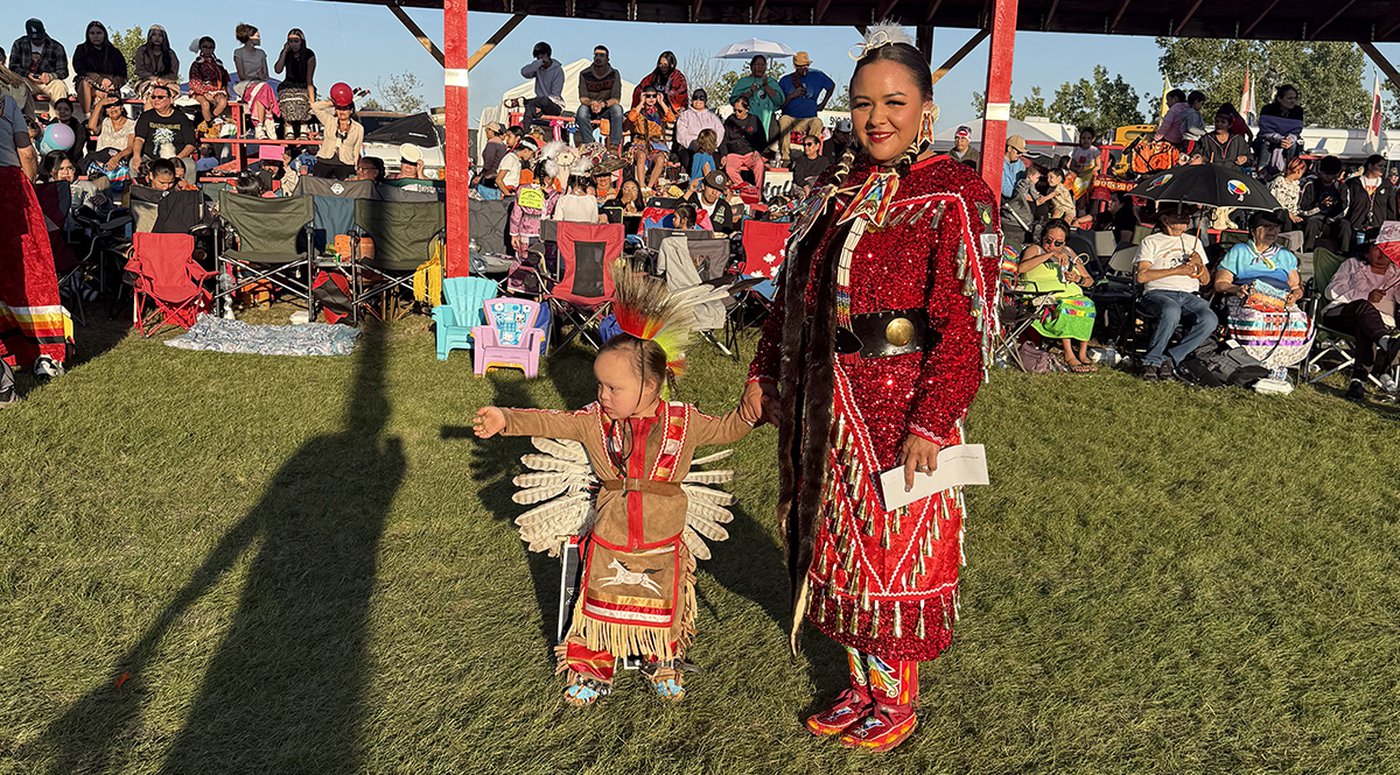
Beloved on the powwow circuit, young boy’s connection to the drum inspires
Now four, Waseskwan Redcrow was dancing ‘before he could even fully walk’ — his family says participating in powwows has brought them joy and belonging
-
Indigenous leaders give the UN a roadmap for protecting their peoples
Amidst prayers and vows of solidarity, UN Expert Mechanism on the Rights of Indigenous Peoples ends annual meetings with demands for ‘action we’re not seeing globally’