BC’s children’s rep says policies and practices for youth leaving care must centre Indigenous youth
Rep’s message to Indigenous youth in care: ‘You are loved… don’t give up’
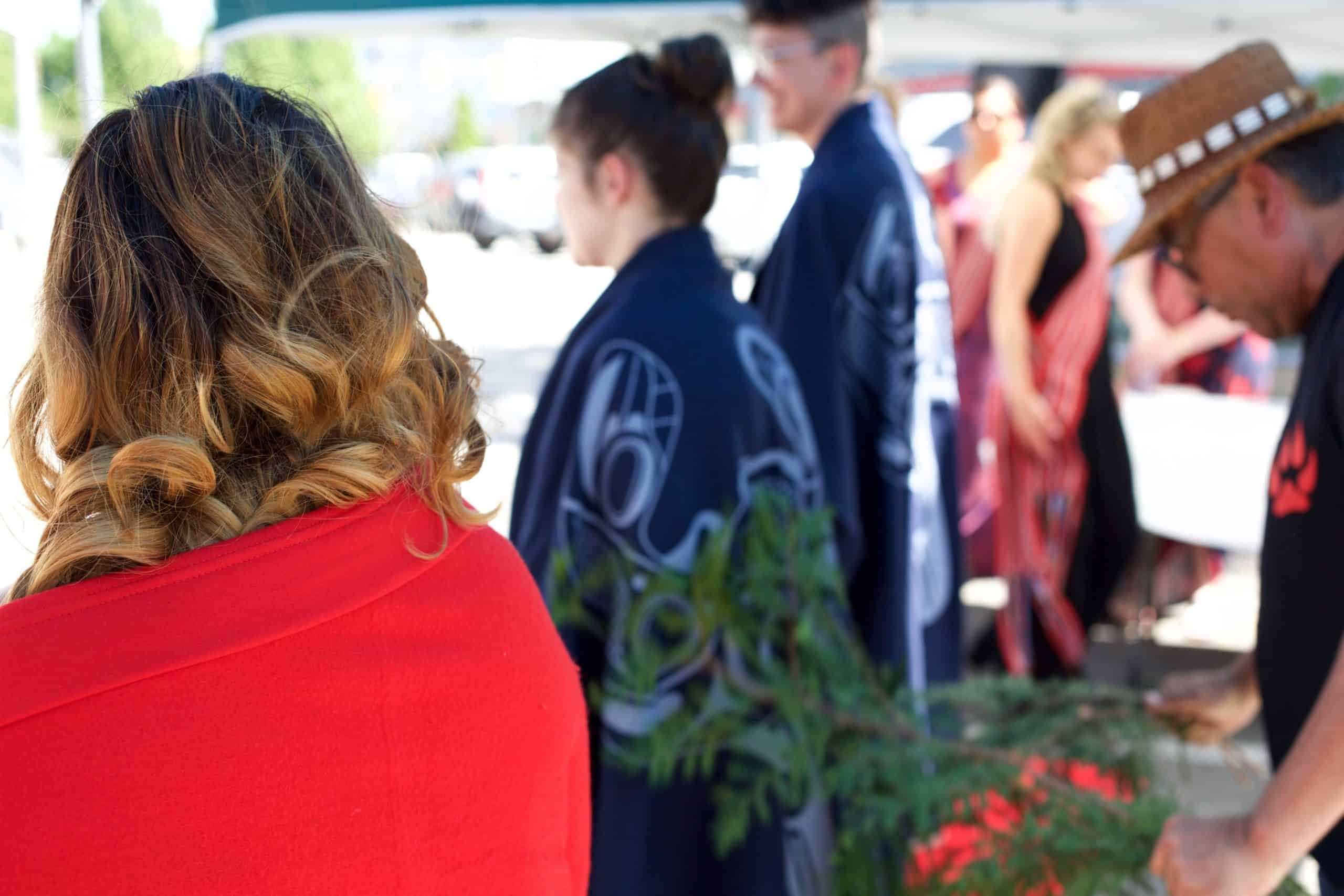
The Representative for Children and Youth in B.C. released a report Dec. 15 focused on supports for the 800 or so youth who transition out of B.C.’s child welfare system and into adulthood each year.
Since 2007, the RCY has been providing oversight to B.C.’s child welfare system and making recommendations for improvement.
“Any attempts to improve policy and practice for youth leaving care must centre on the experiences and needs of Indigenous youth,” Jennifer Charlesworth, the current representative wrote in her latest report.
Due to the ongoing impacts of systemic racism and colonization, Indigenous youth in B.C. are 17 times more likely to be in government care than non-Indigenous youth, according to the Truth and Reconciliation Commission of Canada final report.
“We need to work more carefully and thoughtfully with Indigenous families and extended families,” Charlesworth said at a press conference Dec. 15.
“We wouldn’t be ending up with virtually half of the young people that are aging into adulthood every year being Indigenous.”
While the report recommends ways to improve the system for all children, it also specifies actions the government could take to better support young Indigenous people in particular.
IndigiNews asked Charlesworth what message she would like to share with Indigenous youth in care who are currently transitioning into adulthood.
“You are loved and cared for by many people in your culture and community,” she said. “You may not know that, it may not be clear yet, but there are many many people that are working hard to build up those bonds of love and connection. Don’t give up.”
Support programs should be “universal” rather than “transactional”
According to the RCY’s report, there are “two principal post-majority supports available to youth transitioning into adulthood” — and both of these programs are “transactional in nature.”
These programs bear “little resemblance to the kind of ‘wraparound support’ that young people in families will receive from their loved ones as they transition into adulthood,” says the report.
One of these programs is the Agreements with Young Adults Program, which helps to cover costs like housing and child care. According to the RCY, it is being accessed more by non-Indigenous young people than by First Nations, Métis and Inuit young people.
“The current program requires youth to jump through eligibility hoops; if they are not able to, their benefits are terminated,” reads the report.
Instead of abandoning youth “to fall into poverty and homelessness”, the RCY is calling for “universal support” for youth who’ve been through government care.
The RCY recommends that youth be automatically enrolled in the AYA program on their 19th birthday and they should be able to access this financial support until their 27th birthday — “without restriction, subject to reasonable constraints such as consideration of other income.”
The RCY is also calling on the ministry to work with “community-based service agencies – including, notably, First Nations, Métis, Inuit and Urban Indigenous agencies” to “ establish dedicated youth transition workers to assist and support youth transitioning from care into adulthood.”
These transition workers would help youth navigate systems and provide adult guidance up to the age of 27.
Need for trauma-informed, culturally appropriate supports
The RCY recommends that the ministry work collaboratively with other governmental departments, Indigenous partners and young people with lived experience to develop and implement “a range of trauma-informed and culturally appropriate mental health and substance use services” for youth exiting care.
“The plan and all services should be trauma-informed and give particular attention and priority to First Nations, Métis, Inuit and Urban Indigenous young people transitioning to adulthood,” reads the report.

In response to COVID, the Ministry of Child and Family Development has promised “more flexibility to access mental health supports including cultural healing and wellness” through the AYA program, as of Oct. 1, 2020. But as it stands, this extra support will only be available until September 2021.
This is just one example of a temporary emergency measure the ministry has put in place in light of the pandemic.
Typically when a youth turns 19 in government care, the supports they rely on are cut off, according to the youth-led and youth-centered campaign Fostering Change. But in response to COVID, the ministry has put in place measures to allow young people to stay in their foster homes or “staffed residential homes” past their 19th birthday. This measure is also set to expire next year, on March 31.
The RCY says these temporary measures have informed “innovative and agile shifts” by those working in the child welfare space, providing “a glimpse of a different way of supporting B.C. youth” who are transitioning out of care.
“MCFD should evaluate current emergency measures,” the report reads, “with a goal of making that flexibility a permanent change.”
In response to the RCY’s report, Mitzi Dean, Minister of Children and Family Development in B.C., published a statement on Dec. 15.
“Our community partners have told us about the positive impact these measures have had, and we will use that feedback — along with feedback about the system as a whole, input from youth and young adults, as well as the representative’s recommendations — as we move forward with improving these vital supports,” Dean wrote.
In her statement, Dean did not specifically mention Indigenous youth.
Are you an Indigenous youth who has been through government care? IndigiNews would love to hear your thoughts on the RCY’s latest report. If you would like to share, please email Anna@indiginews.com
Author
We live in a media ecosystem that thrives on misinformation. Big Tech and AI companies are consuming the work of real human beings and Canadian news has been banned on Facebook and Instagram.
And yet, I have hope for journalism because of the work we’re doing at IndigiNews.
At IndigiNews, we embody tâpwêwin — the Cree value of integrity and responsibility in truth-telling. We are committed to our independent, Indigenous-led newsroom rooted in community, accountability, and relationality. We believe storytelling is a sacred fire that connects our pasts, presents, and futures through the storytellers in our Storytelling Lodge. IndigiNews creates space for Indigenous journalists, storytellers, Knowledge Keepers, and communities to gather, learn, and share stories that matter.
As a registered charity, we are building a fire that allows our work not just to ignite but to thrive. Rather than relying on advertising or corporate acquisition, IndigiNews is sustained by people like you who believe Indigenous stories are important for the future of our communities.
Your support is making a real difference.
Our community of supporters, our Firekeepers, make it possible to grow our newsroom, publish award-winning journalism, train emerging Indigenous journalists through initiatives like the ReFocus Photojournalism Fellowship, and publish trustworthy stories that serve our communities across the country. Every story we publish helps fill in gaps left by mainstream media and ensures Indigenous perspectives are represented with care, accuracy and respect.
But there is still more work to do.
As the media landscape becomes more and more uncertain, community support is as necessary and essential as it’s ever been. Every new Firekeeper helps protect the independence of our newsroom and strengthens journalism that is accountable to our many and varied communities over corporations.
That’s why we’re inviting you to become a Firekeeper.
Firekeepers tend to and protect the sacred fire. Your monthly contributions directly support IndigiNews’s Storytelling Lodge, helps sustain our independent, Indigenous-led newsroom, and ensures future generations of Indigenous storytellers have the resources they need to do the work.
As a registered Canadian charity, all eligible donations receive a charitable tax receipt.
If you believe Indigenous stories matter, if you value independent journalism, and if you want to help build a strong future for Indigenous media, we invite you to join our circle of Firekeepers today.
Together, we can keep the fire burning.
— Eden Fineday, Publisher, IndigiNews
Support us nowLatest Stories
-
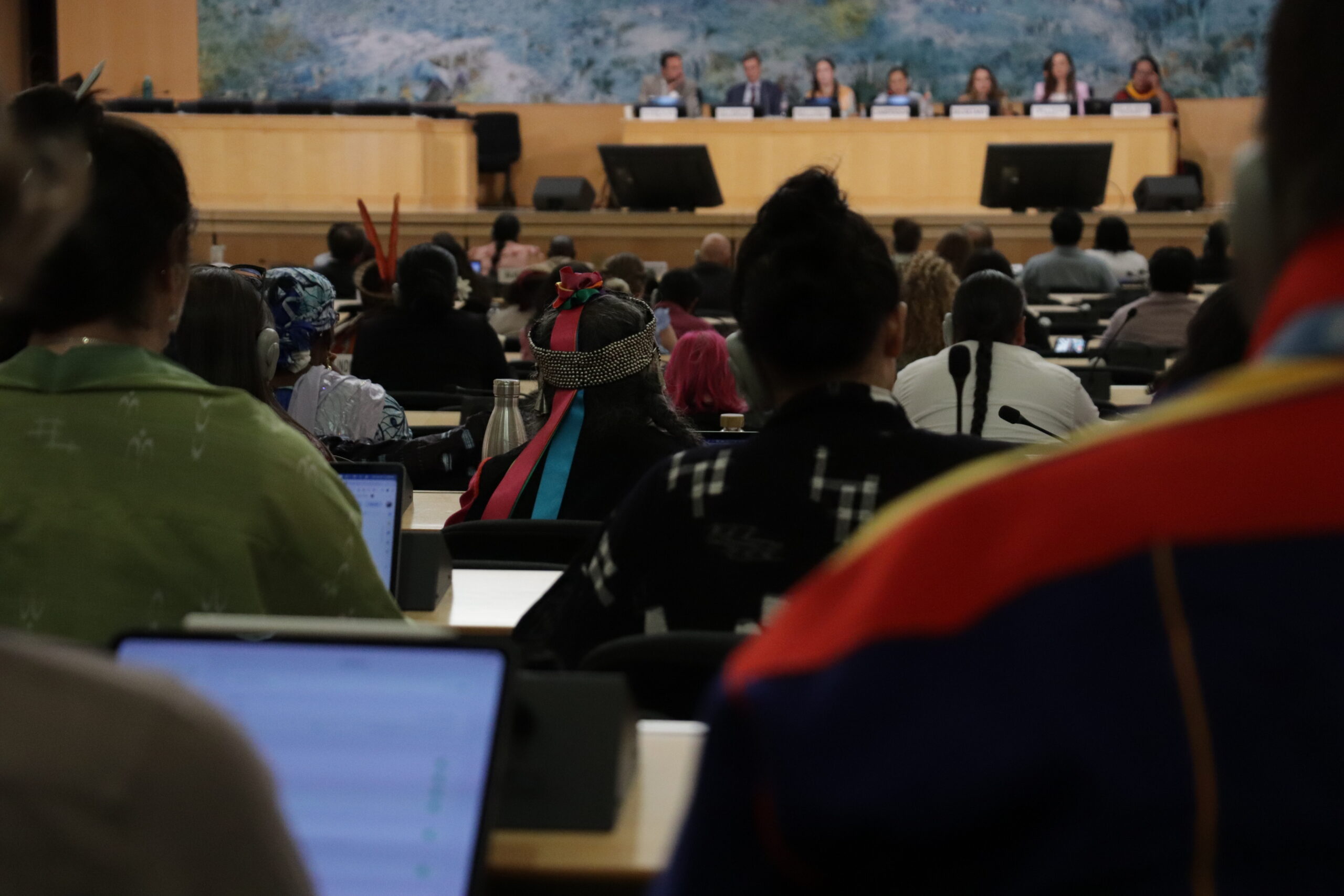
Indigenous leaders give the UN a roadmap for protecting their peoples
Amidst prayers and vows of solidarity, UN Expert Mechanism on the Rights of Indigenous Peoples ends annual meetings with demands for ‘action we’re not seeing globally’
-
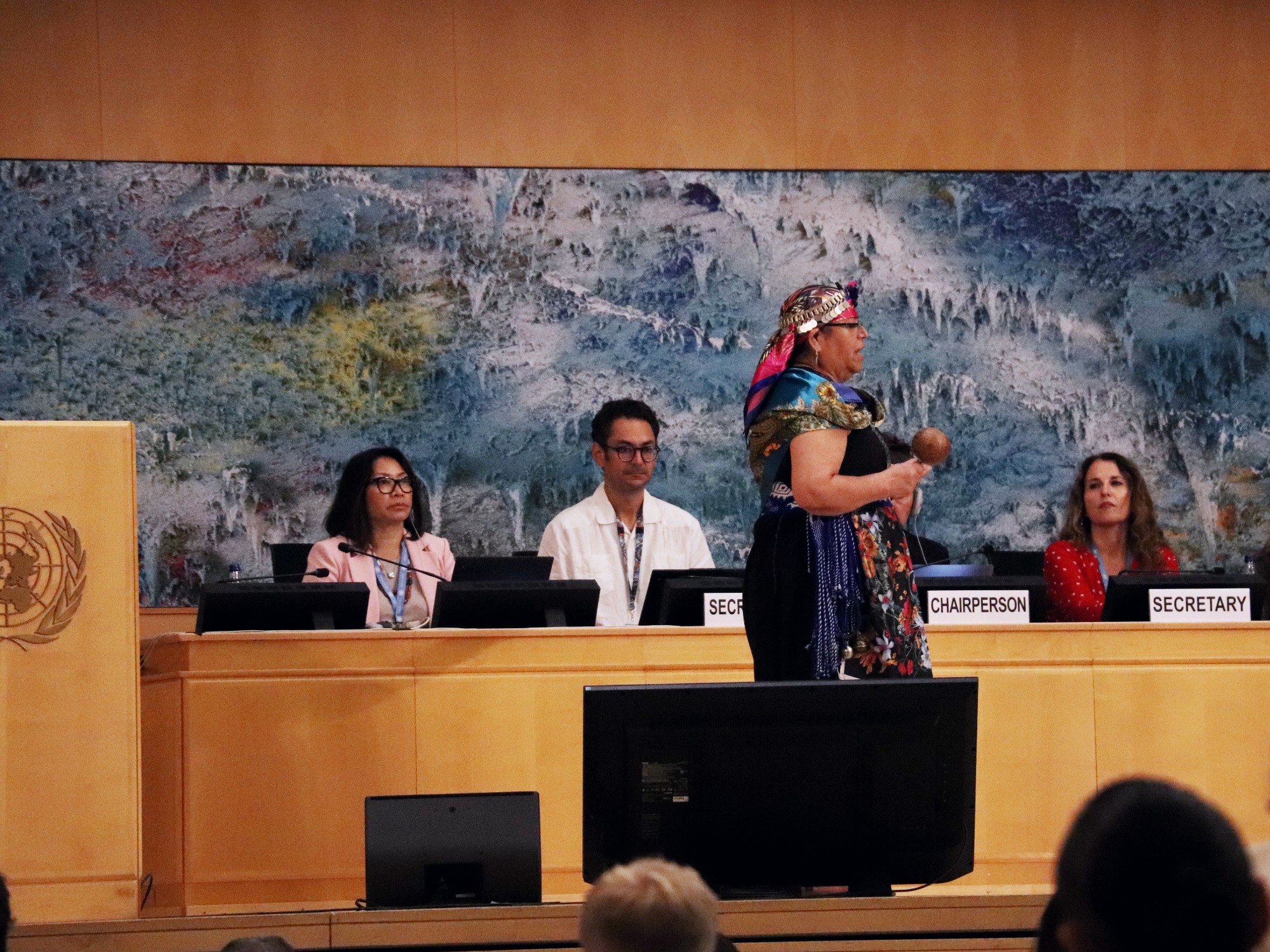
Indigenous people demand more say at the UN, as new crises hit their homelands
Indigenous nations live ‘on the frontlines’ of climate, conflict and new tech. But their voices remain sidelined in the global halls of power.