Klahoose celebrates forestry deal allowing community to manage logging on its own lands
Agreement with Interfor places the remote First Nation as the largest tenure holder within their traditional territory where forestry business has long been active
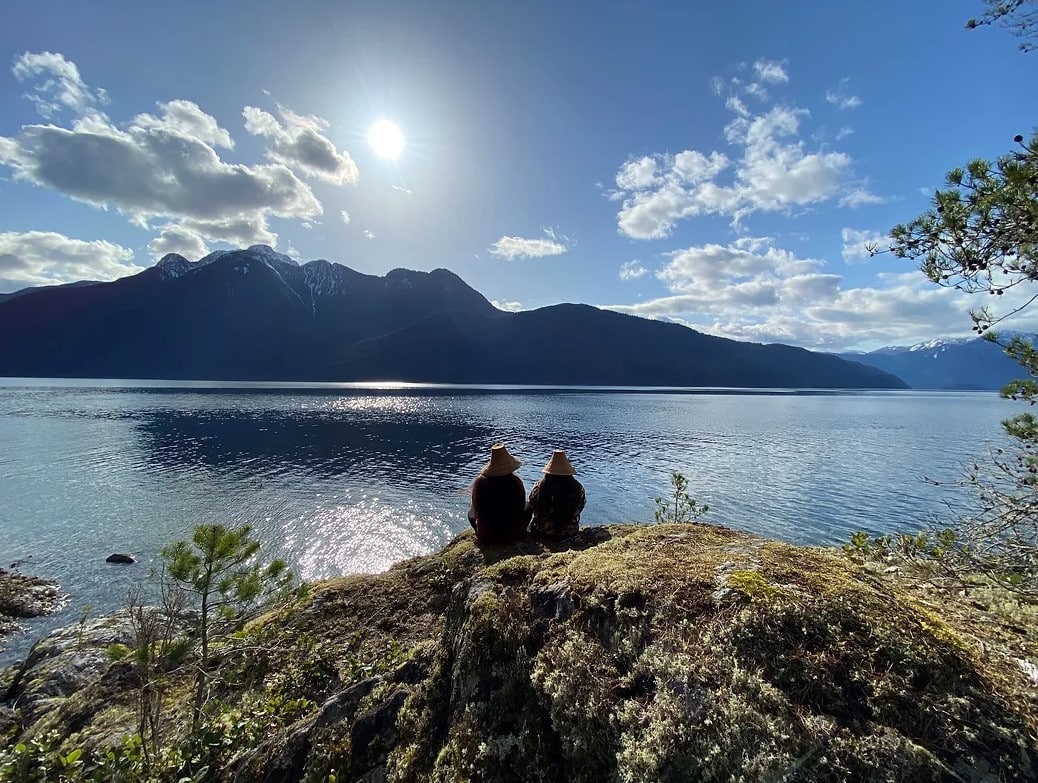
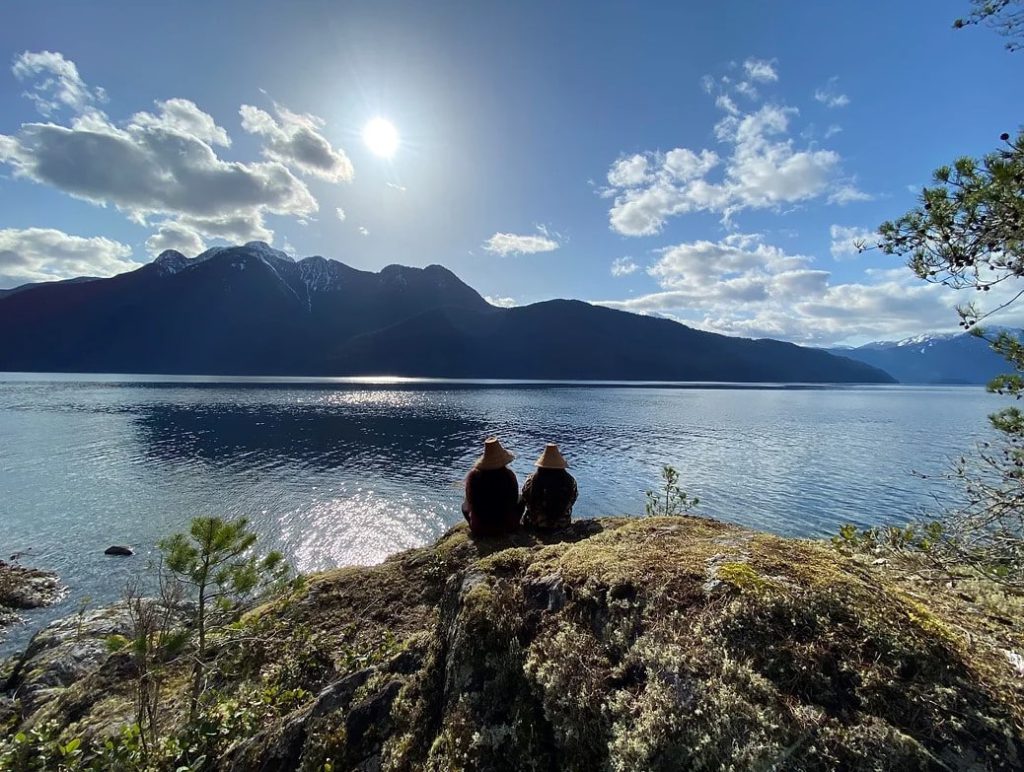
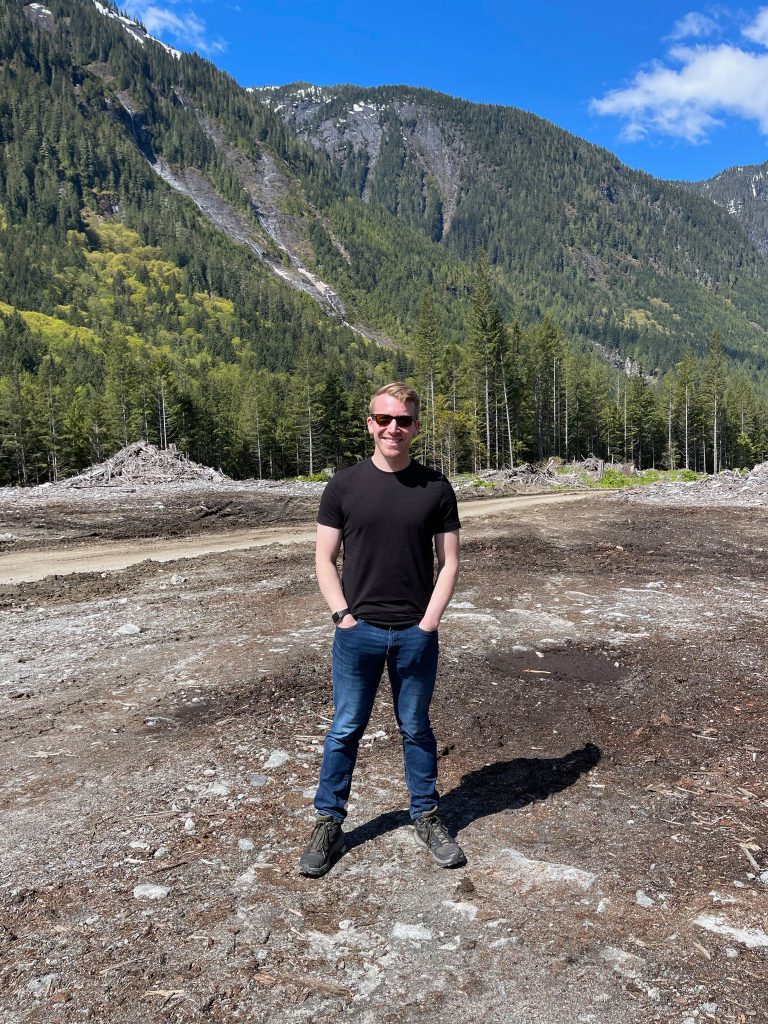
Like many others from Klahoose First Nation, Steven Brown grew up in a forestry family.
“My dad was a logger for over 40 years and grew up in Squirrel Cove where our community is,” he said.
Now, as chief of his community — based on the remote “Cortes Island” — Brown was part of a recent landmark deal between Klahoose and the forestry company Interfor.
The nation has purchased a total tenure — or resource rights — of 181,037 cubic meters of annual cut forest lands along their traditional territory on the Sunshine Coast.
“I mean 180,000 cubic meters is quite large. It does require the province to sign off on it and thankfully they did,” he said.
“And we just felt that it made more sense to reinvest the profits that we’ve generated from forestry to make the purchase ourselves. That took away all strings attached and put us in control.”
Adding to their existing 115,000 cubic meters, this deal will place them as the largest tenure holder within their traditional territory.
Klahoose has 75 full-time residents within their primary village site — located in Squirrel Cove — and 309 off-reserve in coastal communities within the Lower Mainland and “Washington State.”

For Brown, who studied Environmental Science at the University of Victoria, striking a balance between sustainability and economic opportunity is important.
“We see a bright future for forestry, and it is time for us to manage the resources in our territory so the benefits come to our members,” he said.
“By purchasing the tenure licenses to these lands from Interfor, we will create jobs and revenue for our members but also help ensure that B.C.’s forest sector thrives into the future rather than being a sunset industry.”
The government of “British Columbia” authorizes the harvesting of Crown timber through tenures. Approximately 95 per cent of the province’s timber is publicly owned. This means that although the nation now has harvesting rights, they do not own the land.
However, these rights confer the ability to dictate how Klahoose will manage these resources. Now, the First Nation can set some of its own criteria for managing the forests.
Managing logging activities and riparian zones is paramount. These zones help protect water quality by regulating the flow of water and nutrients between terrestrial and aquatic ecosystems. Logging near these fish-bearing streams can increase water temperatures, according to a study by SFU.
“If we want to increase the distance of harvest from the fish-bearing streams or [improve] old growth management, we dictate that on all of our tenure, and it means that contractors we hire to do the work have to follow those standards,” Brown said.
“The beautiful thing about having a larger tenure is you can do better long-term planning.”
The deal will lead to further employment opportunities, with jobs for members being a priority for chief and council, said Brown. The nation already offers internships and apprenticeships, but this deal could also positively affect downstream employers such as the local mill.
“We’ve already been investing more in it because we know we have a reliable timber supply. And so more equipment requires more people to run it. And so we plan to continue increasing our staffing at that mill, hopefully, doubling it over the next two years,” said Brown.
“First Nations forestry is successful forestry. We want to promote a healthier, sustainable forestry economy that everyone in the region benefits from.”
In recent years in particular, logging on “Vancouver Island” has been controversial, with various communities seeing opposition against logging that threatens remaining old-growth. However, Klahoose leadership is optimistic there won’t be issues on their territory.
“We can also plan for old growth management to ensure it’s done sustainably and that we’re promoting an increase in old growth in the territory,” Brown said.
A localized approach to resource extraction is an attractive prospect for not just residents, but also the corporate entities they deal with as many companies wonder how to approach “reconciliation” in the 21st century.
“We have valued our long-term relationship with the Klahoose First Nation and are delighted to reach this milestone agreement,” shared Interfor vice-president of coastal operations, Ralph Friedrich, in a statement.
Author
We live in a media ecosystem that thrives on misinformation. Big Tech and AI companies are consuming the work of real human beings and Canadian news has been banned on Facebook and Instagram.
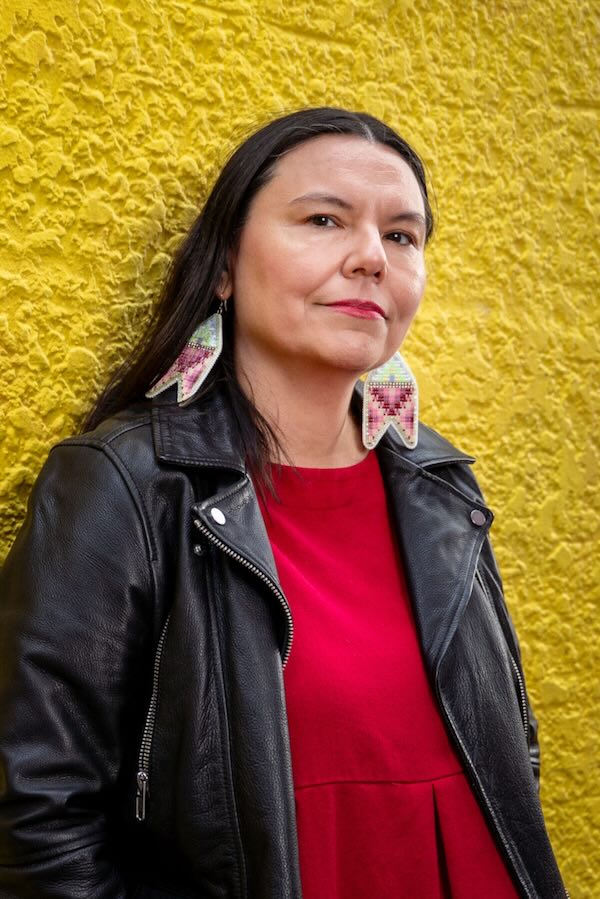
And yet, I have hope for journalism because of the work we’re doing at IndigiNews.
At IndigiNews, we embody tâpwêwin — the Cree value of integrity and responsibility in truth-telling. We are committed to our independent, Indigenous-led newsroom rooted in community, accountability, and relationality. We believe storytelling is a sacred fire that connects our pasts, presents, and futures through the storytellers in our Storytelling Lodge. IndigiNews creates space for Indigenous journalists, storytellers, Knowledge Keepers, and communities to gather, learn, and share stories that matter.
As a registered charity, we are building a fire that allows our work not just to ignite but to thrive. Rather than relying on advertising or corporate acquisition, IndigiNews is sustained by people like you who believe Indigenous stories are important for the future of our communities.
Your support is making a real difference.
Our community of supporters, our Firekeepers, make it possible to grow our newsroom, publish award-winning journalism, train emerging Indigenous journalists through initiatives like the ReFocus Photojournalism Fellowship, and publish trustworthy stories that serve our communities across the country. Every story we publish helps fill in gaps left by mainstream media and ensures Indigenous perspectives are represented with care, accuracy and respect.
But there is still more work to do.
As the media landscape becomes more and more uncertain, community support is as necessary and essential as it’s ever been. Every new Firekeeper helps protect the independence of our newsroom and strengthens journalism that is accountable to our many and varied communities over corporations.
That’s why we’re inviting you to become a Firekeeper.
Firekeepers tend to and protect the sacred fire. Your monthly contributions directly support IndigiNews’s Storytelling Lodge, helps sustain our independent, Indigenous-led newsroom, and ensures future generations of Indigenous storytellers have the resources they need to do the work.
As a registered Canadian charity, all eligible donations receive a charitable tax receipt.
If you believe Indigenous stories matter, if you value independent journalism, and if you want to help build a strong future for Indigenous media, we invite you to join our circle of Firekeepers today.
Together, we can keep the fire burning.
— Eden Fineday, Publisher, IndigiNews
Support us nowLatest Stories
-
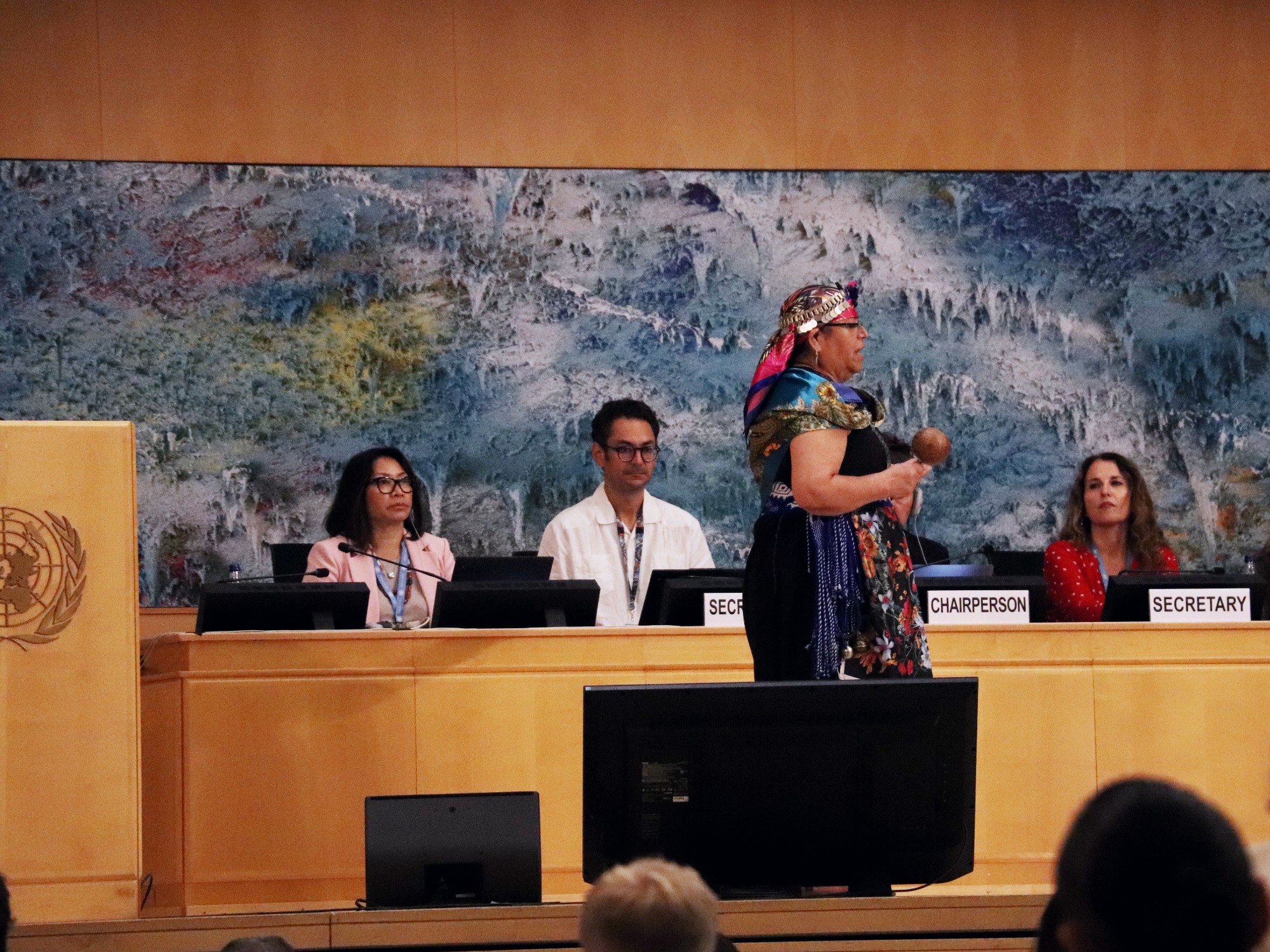
Indigenous people demand more say at the UN, as new crises hit their homelands
Indigenous nations live ‘on the frontlines’ of climate, conflict and new tech. But their voices remain sidelined in the global halls of power.
-
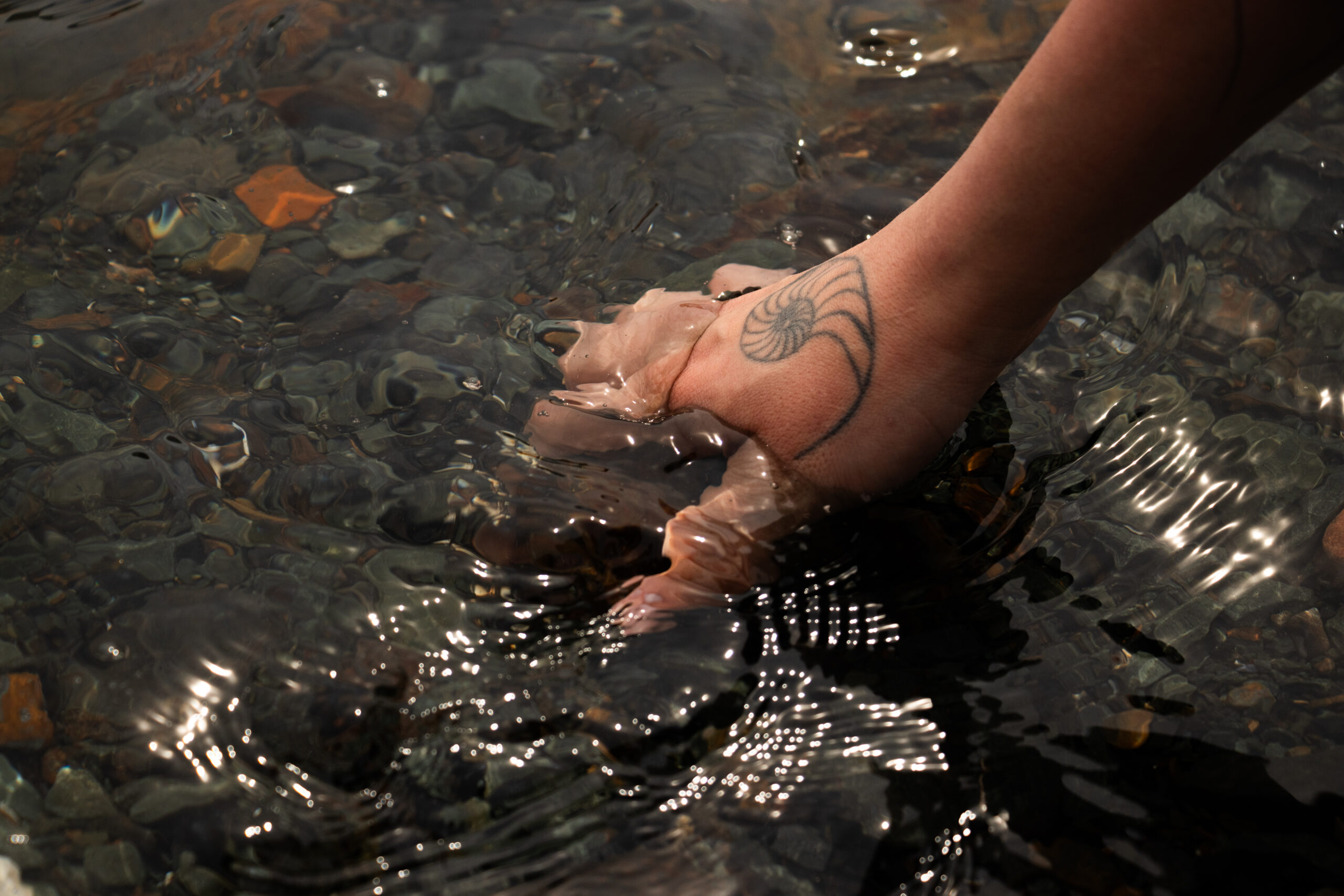
Through their lenses: Showcasing the work of our 2026 ReFocus fellows
Get to know our photojournalism training cohort through a series of portraits shot during a week in Kjipuktuk (Halifax)