Kw’umut Lelum drum circle continues online to foster connection and culture
The online drum circle welcomes facilitators, drummers and singers to host weekly sessions Thursday evenings via zoom.

Kw’umut Lelum Child and Family Services’ drum circle was forced online last year due to COVID-19 social restrictions, but the facilitators have been working hard to keep the group connected.
“We could all use some connection this New Year — to each other, to the land, to our own spirit,” reads the drum group’s recent Zoom invitation.
Organized by their culture team, coordinator Frank Shaw from Stz’uminus, says everyone is welcome to join. Participants range from “toddlers bobbing along to the drumming, to Elders,” and all ages between, he says.
“We are led through traditional songs and maybe even some dances if anyone’s feeling up to it, and sharing stories, sharing laughs. It’s a way to connect while we can’t connect in person,” says Shaw.
Kw’umut Lelum is a family services agency and fully Delegated Aboriginal Agency (DAA). It serves nine Coast Salish Nations who signed an agreement with B.C. and Canada in 1997, on Vancouver Island, from Qualicum down to Malahat. Shaw describes his cultural programming work as being on the non-delegated side of operations.
“Our team puts together various programming for the nine nations,” he explains. There is a range of community programs offered — for families, youth, cultural wellness, and more.
COVID-19 has moved a lot of the programs online, but the drum circles continued in person until November when case numbers started to rise in the area.
Qualicum carver and artist Xwulq’sheynum, Jesse Recalma is hosting Kw’umut Lelum’s online drum circle this week.
Recalma’s grandpa was a drum maker so he grew up around drumming.
He got even more into drumming a decade ago after attending Tribal Journeys, a celebrated canoe journey started in 1989 to unify communities across the Northwest Pacific Coast.
A full time artist and part time language teacher, Recalma teaches Hulq’umi’num to students in School District 69. He’s been a cultural resource in schools for over 20 years.
“I do drum practices with our canoe family and usually I would be one of the ones leading songs,” Reclama says. “And then I started doing some drumming with my K’omoks family as well.”
When Kw’umut Lelum put out the call for drummers and singers to lead the online circle, “they called, and I answered,” says Recalma.
“I really enjoy singing. It’s something that I’ve not really been able to do a lot of over the past year. And so I’m happy that I can actually have this place to sing with people,” says Recalma.
Shaw has organized several drummers to host sessions. Patrick Aleck has very close connections to Snuneymuxw, Stz’uminus, and Penelakut. Jesse Recalma will be joining, and on January 21st, Stz’uminus singer Nate Harris will facilitate the circle, Reclama says.
Shaw says the circle seeks to address social isolation and strengthen cultural continuity.
“Indigenous and Coast Salish culture, it’s all about connection and gathering and with COVID and everything, we just haven’t been able to do it, to bring people together and connect as best we can,” Shaw says. “It’s on Zoom, but it’s still a great time.”
Reclama agrees, emphasizing the importance of practicing his culture during these difficult times of separation.
“We’re used to being in a lot of situations where we can hear drumming and singing,” he says.
Normally, there are a variety of ways the need for social connection is met — through powwows with bone games, or during smoke house season.
Some attend tribal journeys, where Recalama says, “there’s just as much true drumming and singing as there is paddling in the canoe.”
The online drum circle is an ongoing series that takes place on Zoom every Thursday evening. To get the link, Shaw says people can email him at fshaw@kwumut.org.
“A drum circle helps you feel warm and comforted, especially for those who are in sorrow,” says Recalma.
He says hearing the drumming and singing can be good medicine, and brings joy in a way that might be hard for some to find during the pandemic.
Author
We live in a media ecosystem that thrives on misinformation. Big Tech and AI companies are consuming the work of real human beings and Canadian news has been banned on Facebook and Instagram.
And yet, I have hope for journalism because of the work we’re doing at IndigiNews.
At IndigiNews, we embody tâpwêwin — the Cree value of integrity and responsibility in truth-telling. We are committed to our independent, Indigenous-led newsroom rooted in community, accountability, and relationality. We believe storytelling is a sacred fire that connects our pasts, presents, and futures through the storytellers in our Storytelling Lodge. IndigiNews creates space for Indigenous journalists, storytellers, Knowledge Keepers, and communities to gather, learn, and share stories that matter.
As a registered charity, we are building a fire that allows our work not just to ignite but to thrive. Rather than relying on advertising or corporate acquisition, IndigiNews is sustained by people like you who believe Indigenous stories are important for the future of our communities.
Your support is making a real difference.
Our community of supporters, our Firekeepers, make it possible to grow our newsroom, publish award-winning journalism, train emerging Indigenous journalists through initiatives like the ReFocus Photojournalism Fellowship, and publish trustworthy stories that serve our communities across the country. Every story we publish helps fill in gaps left by mainstream media and ensures Indigenous perspectives are represented with care, accuracy and respect.
But there is still more work to do.
As the media landscape becomes more and more uncertain, community support is as necessary and essential as it’s ever been. Every new Firekeeper helps protect the independence of our newsroom and strengthens journalism that is accountable to our many and varied communities over corporations.
That’s why we’re inviting you to become a Firekeeper.
Firekeepers tend to and protect the sacred fire. Your monthly contributions directly support IndigiNews’s Storytelling Lodge, helps sustain our independent, Indigenous-led newsroom, and ensures future generations of Indigenous storytellers have the resources they need to do the work.
As a registered Canadian charity, all eligible donations receive a charitable tax receipt.
If you believe Indigenous stories matter, if you value independent journalism, and if you want to help build a strong future for Indigenous media, we invite you to join our circle of Firekeepers today.
Together, we can keep the fire burning.
— Eden Fineday, Publisher, IndigiNews
Support us nowLatest Stories
-
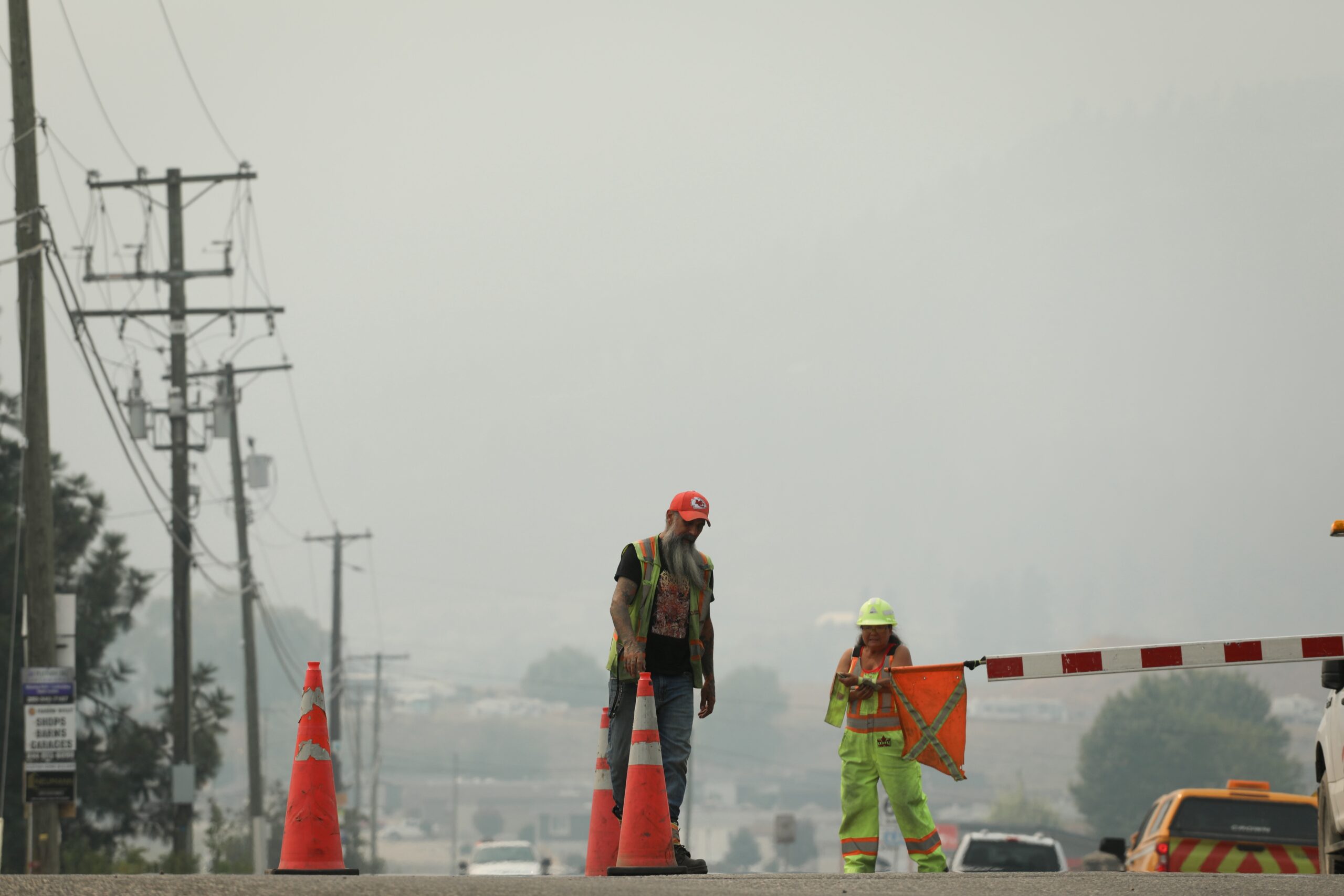
Okanagan Indian Band ‘getting stronger everyday’ amid devastating wildfire
Entire reserve has been evacuated and more than 30 people have lost homes, chief says, as blaze continues to burn as of Thursday
-
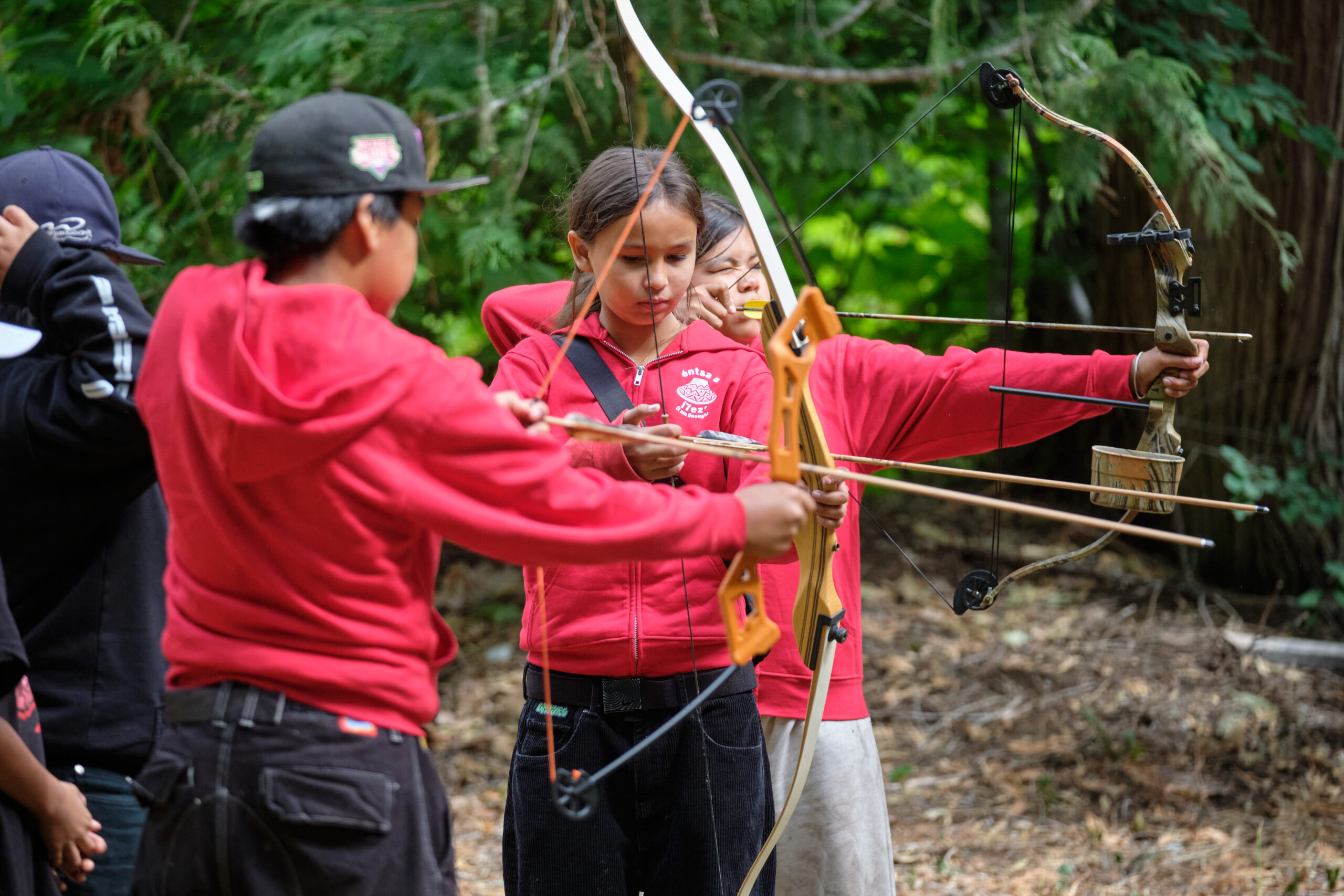
Interior Salish culture camps create ‘a safe haven’ during provincial wildfires
Organizers move ahead with caution, connecting young people with land-based teachings, healing and kinship