After generations of stolen kids, ‘powerful changes’ to ‘B.C.’ law set to return child welfare jurisdiction
Amendments to provincial child welfare legislation, introduced on Wednesday, were celebrated by Indigenous leaders as an important first step to righting wrongs of the past

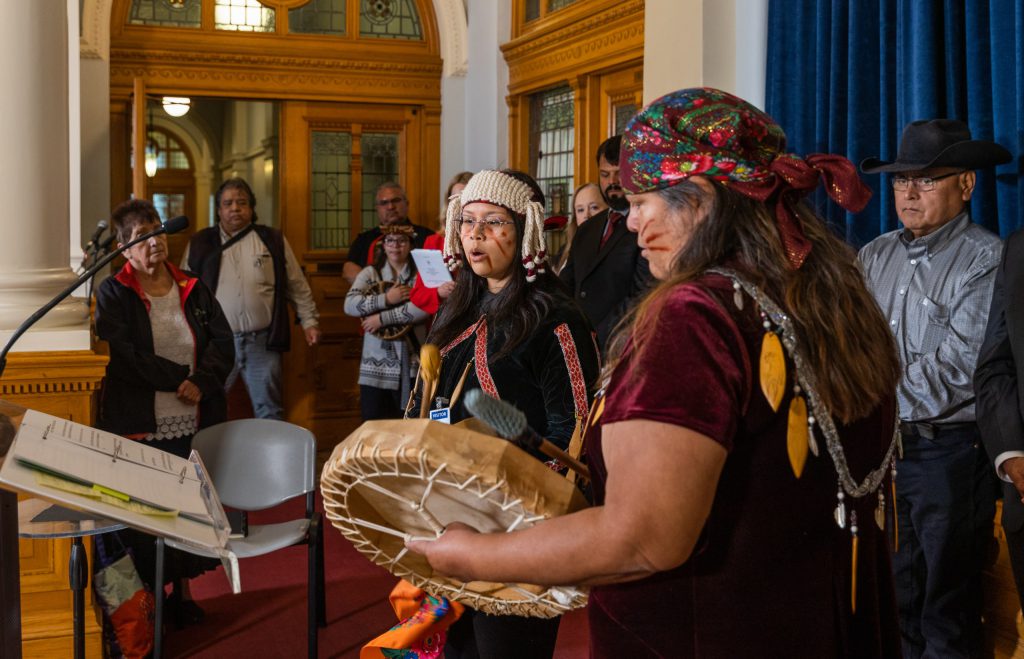
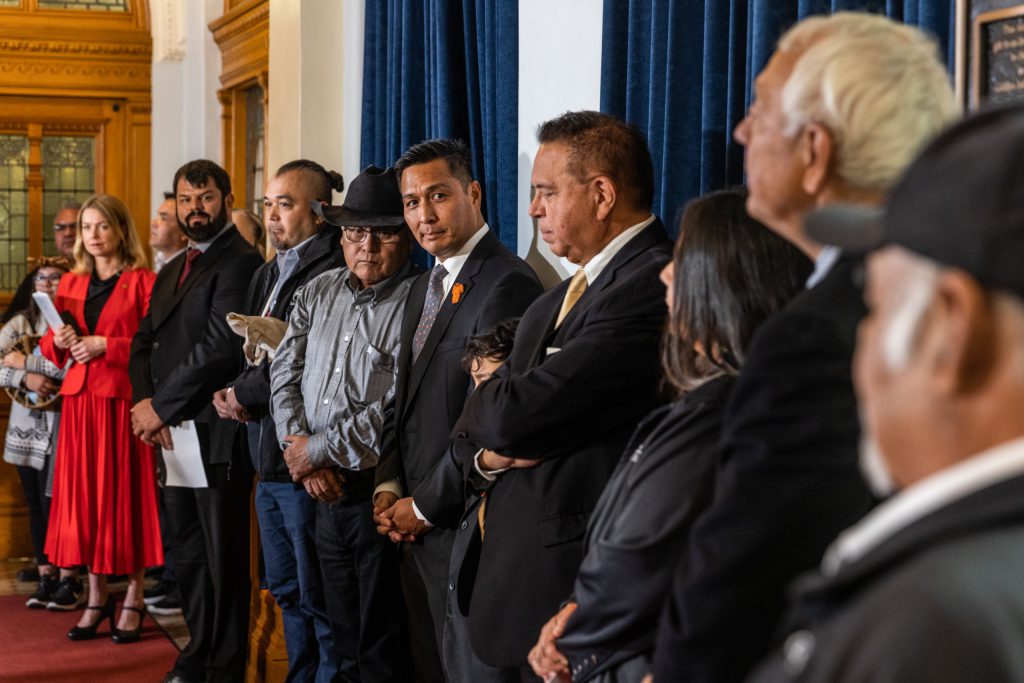
The “B.C.” legislature was heavy with horrific memories of child apprehension as Indigenous and provincial leaders gathered to hear the first reading of Bill 38: Indigenous Self-Government in Child and Family Services Amendment Act.
The Bill, tabled on Wednesday, proposes long-awaited changes to child welfare laws in the province as outlined in the Child, Family and Community Service Act (CFCSA).
While the legislation must still go through several stages — including second and third readings as well as debate — it was celebrated as a first step to disrupt the ongoing legacy of Indigenous children being taken from their families by colonial forces.
Indigenous leaders expressed their joy at the proposed changes introduced, which include giving child-welfare jurisdiction to Indigenous governing bodies and consent-based decision making by communities when it comes to adoptions. The amendments would ultimately give Indigenous communities more control over what happens to their own children.
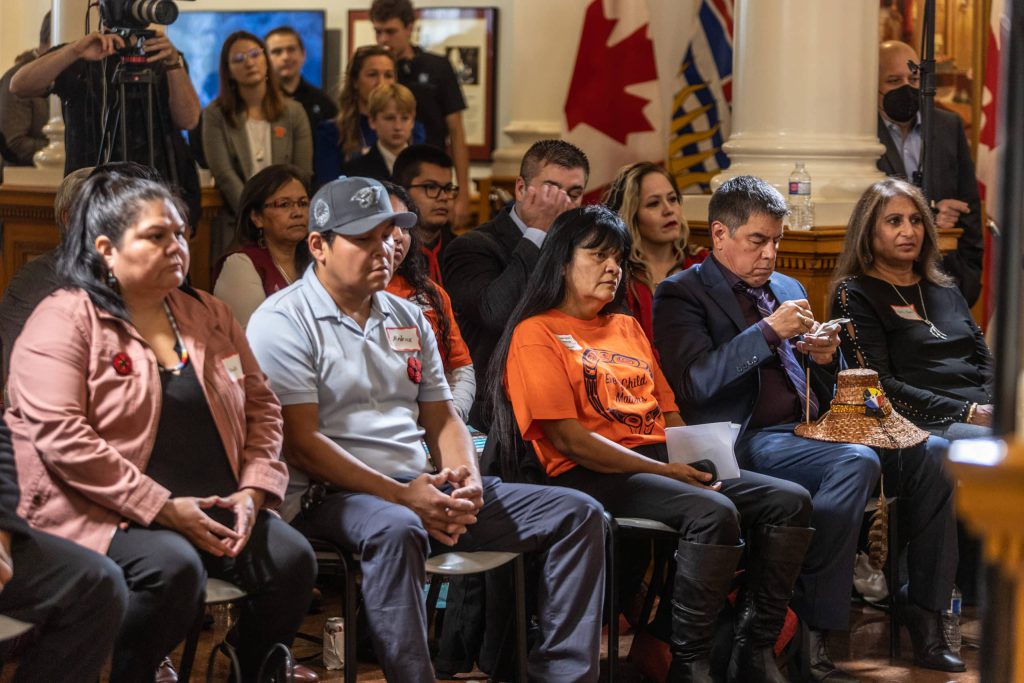
On Oct. 26, Elders, chiefs, matriarchs, youth and children settled into the seats of the legislature, while Ancestors and the spirits of the children who have been harmed by the child “welfare” system were welcomed into the space.
Elder Shirley Alphonse of the T’Sou-ke Nation recited a prayer over the sounds of quiet yet thunderous drumming, before Indigenous leaders took to the floor of the legislature to speak.
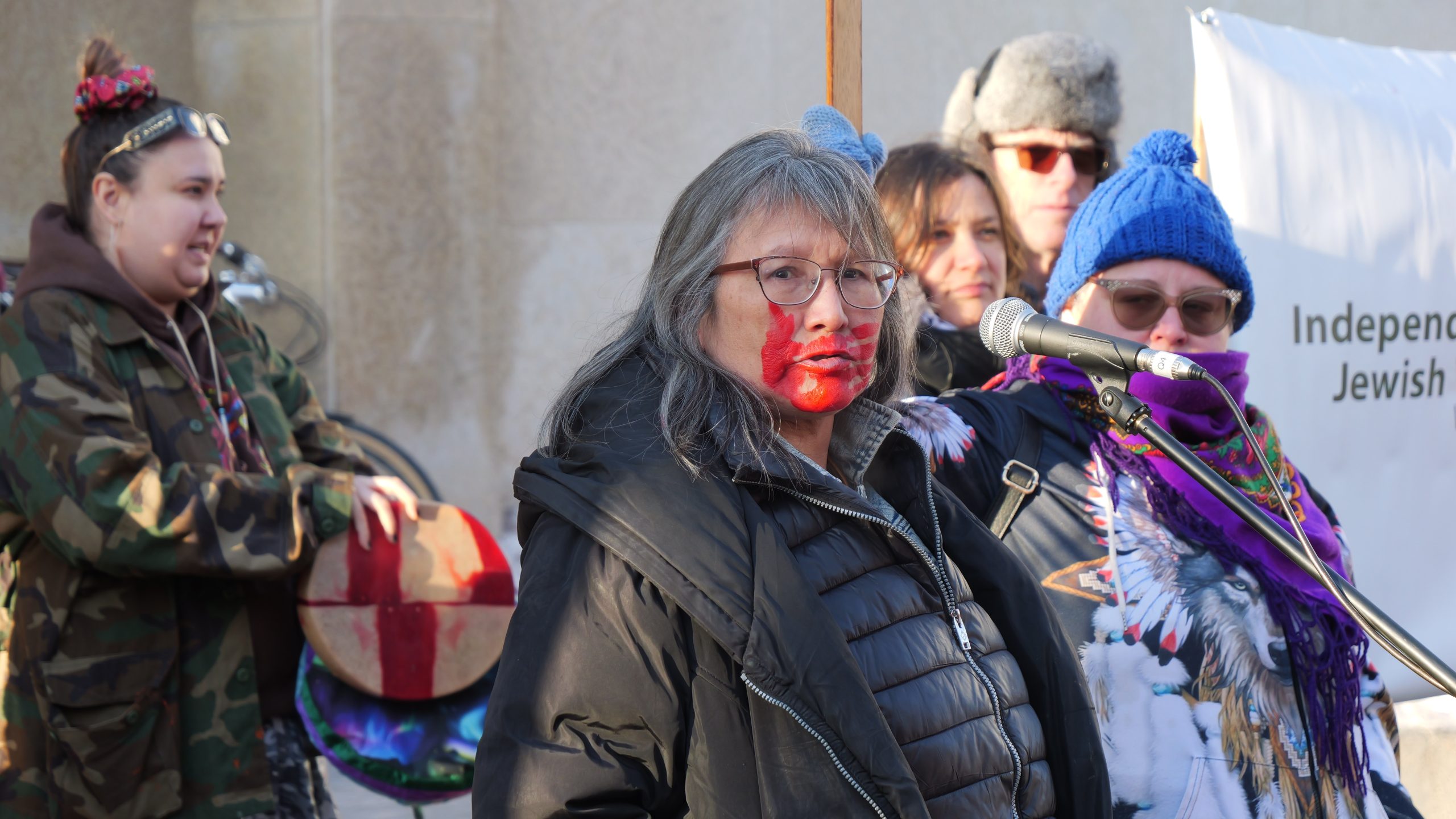
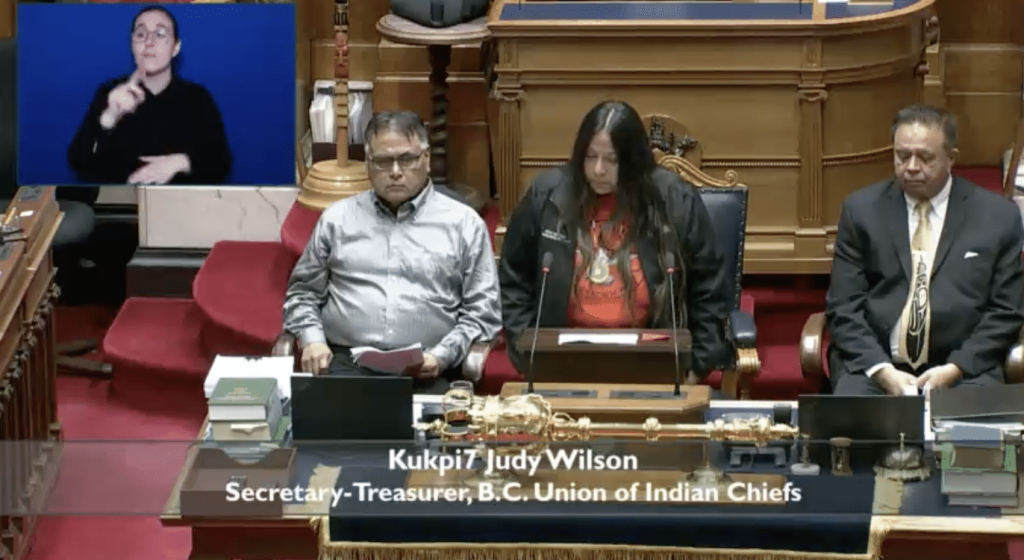
“These are powerful changes,” began Kukpi7 Judy Wilson, who is the secretary treasurer of the Union of BC Indian Chiefs (UBCIC).
“Our families were categorized as bad parents. Categorized by the Ministry of Children and Family Development (MCFD), and other shaming and negative words, as they interacted with the child welfare system. That ends today.”
Wilson added that while the fallout from the harms that have been done will inevitably continue, these changes mean that “we can see the light at the end of the tunnel.” She said she hopes that the province will also apologize in a meaningful way to Indigenous families.
Premier John Horgan responded in his speech that it’s been a journey to recognize, respect and uphold Indigenous jurisdiction over children and family services.
“We want to see joy not turn to fear because of policies of the past,” he said. “Through residential schools, through the Sixties Scoop and through the end, thankfully, of birth alerts — another scandalous part of our collective history.”
The controversial practice of birth alerts — wherein social workers can flag an expectant parent to a hospital before their child is even delivered — was only banned in the province in 2019, months after being deemed “illegal and unconstitutional” by government lawyers.
The amendments to the CFCSA come as the result of consultations with Indigenous leaders and organizations. An overhaul of the “B.C.” child welfare system has been called for many times by families and advocacy groups.
Also in 2019, the legal non-profit West Coast LEAF released a comprehensive report that outlined the province’s failures when it comes to Indigenous child welfare and the need for more community-driven responses.
“Self-determination must be at the heart of making the child welfare system work for Indigenous families,” said Elba Bendo, LEAF’s director of law reform, at the time of the report’s release.
“Communities and nations must have full jurisdiction over child welfare for all their children, including those living off reserves, and they must be provided with resources to provide the same level of services to their children as are offered to non-Indigenous children.”
Indigenous leaders who spoke at the legislature Wednesday also reminded everyone in attendance that the removal of Indigenous children from their communities must come to an immediate end.
The apprehensions have been such a problem that the “Millennium Scoop” has been coined as a more recent equivalent of the Sixties Scoop. Cindy Blackstock of the First Nations Child & Family Caring Society has previously pointed out that there are three times as many Indigenous children in government “care” today than there were at the height of residential “schools.”
“The forced removal of children has been a deep source of pain and injustice,” said Jerry Jack, who is the chief of Mowachaht/Muchalaht First Nation and represented the BC Assembly of First Nations as part of its board of directors.
According to MCFD, Indigenous children youth make up less than 10 per cent of the total population in the province but represent 68 per cent children in the government’s “care.”
Adam Olsen — who is from Tsartlip First Nation and a Member of the Legislative Assembly (MLA) for Saanich North and the Islands — said it’s always been a priority for Indigenous families to bring their children home and he is glad to see that finally getting government recognition.
“There are many of our relatives who are displaced from their homes, many of our relatives who are not with us today because the child welfare system failed them,” he said.
“I hold in my heart today, as I speak, those people. I ask the members of this assembly to keep them in their thoughts as we debate this legislation and hold on to the hope that the changes that we celebrate today mean that our relatives no longer experience displacement and disconnection from the places that they belong to.”
Author
We live in a media ecosystem that thrives on misinformation. Big Tech and AI companies are consuming the work of real human beings and Canadian news has been banned on Facebook and Instagram.
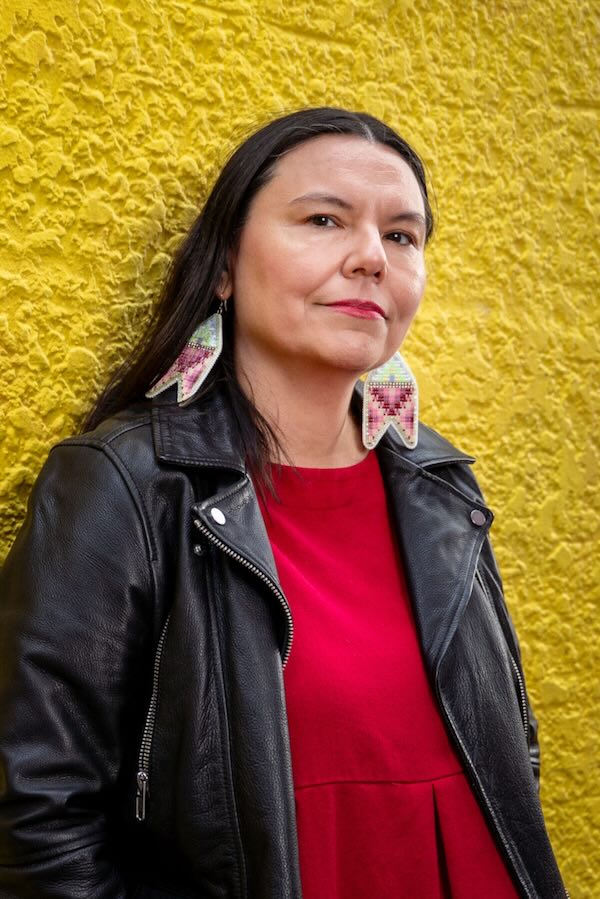
And yet, I have hope for journalism because of the work we’re doing at IndigiNews.
At IndigiNews, we embody tâpwêwin — the Cree value of integrity and responsibility in truth-telling. We are committed to our independent, Indigenous-led newsroom rooted in community, accountability, and relationality. We believe storytelling is a sacred fire that connects our pasts, presents, and futures through the storytellers in our Storytelling Lodge. IndigiNews creates space for Indigenous journalists, storytellers, Knowledge Keepers, and communities to gather, learn, and share stories that matter.
As a registered charity, we are building a fire that allows our work not just to ignite but to thrive. Rather than relying on advertising or corporate acquisition, IndigiNews is sustained by people like you who believe Indigenous stories are important for the future of our communities.
Your support is making a real difference.
Our community of supporters, our Firekeepers, make it possible to grow our newsroom, publish award-winning journalism, train emerging Indigenous journalists through initiatives like the ReFocus Photojournalism Fellowship, and publish trustworthy stories that serve our communities across the country. Every story we publish helps fill in gaps left by mainstream media and ensures Indigenous perspectives are represented with care, accuracy and respect.
But there is still more work to do.
As the media landscape becomes more and more uncertain, community support is as necessary and essential as it’s ever been. Every new Firekeeper helps protect the independence of our newsroom and strengthens journalism that is accountable to our many and varied communities over corporations.
That’s why we’re inviting you to become a Firekeeper.
Firekeepers tend to and protect the sacred fire. Your monthly contributions directly support IndigiNews’s Storytelling Lodge, helps sustain our independent, Indigenous-led newsroom, and ensures future generations of Indigenous storytellers have the resources they need to do the work.
As a registered Canadian charity, all eligible donations receive a charitable tax receipt.
If you believe Indigenous stories matter, if you value independent journalism, and if you want to help build a strong future for Indigenous media, we invite you to join our circle of Firekeepers today.
Together, we can keep the fire burning.
— Eden Fineday, Publisher, IndigiNews
Support us nowLatest Stories
-
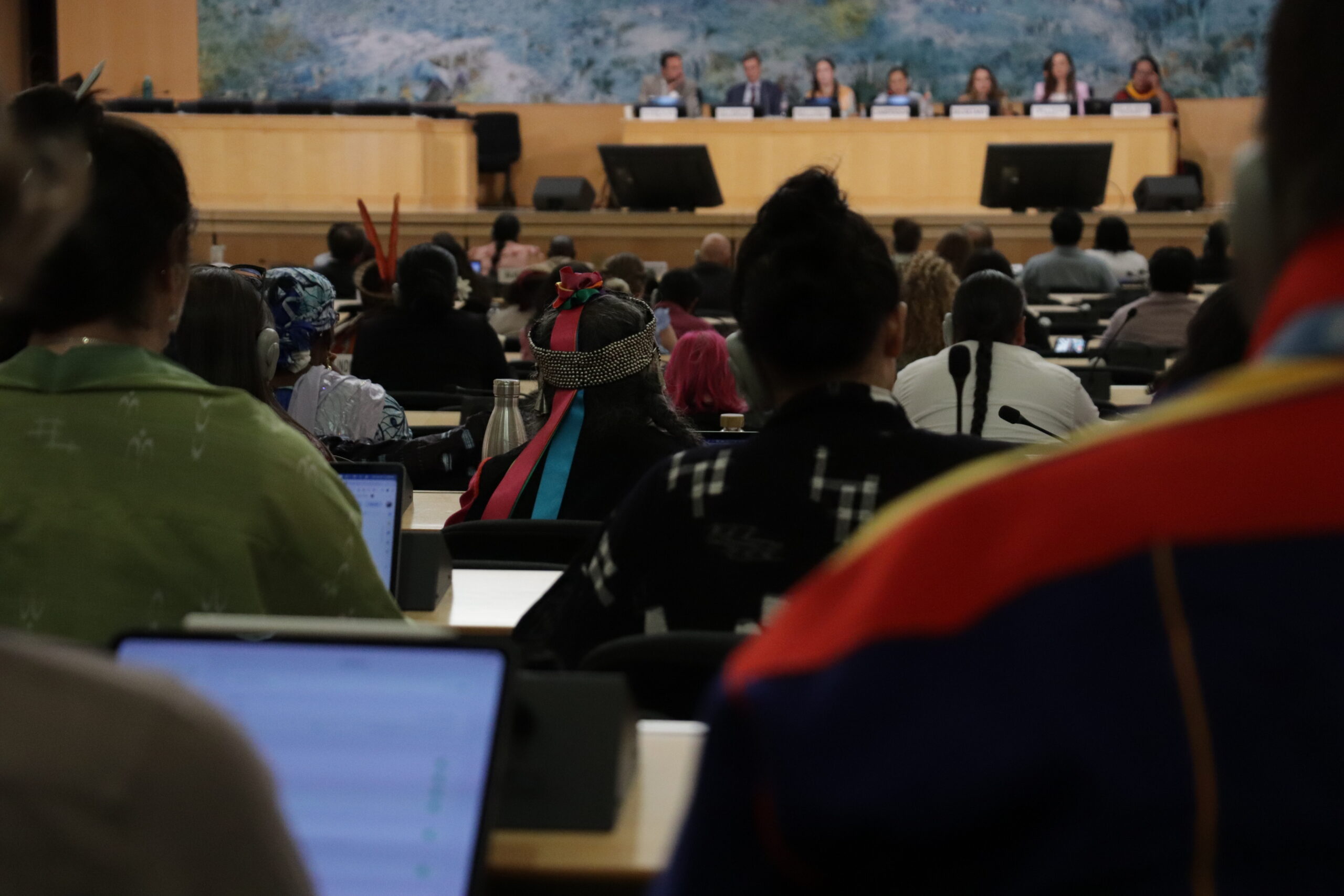
Indigenous leaders give the UN a roadmap for protecting their peoples
Amidst prayers and vows of solidarity, UN Expert Mechanism on the Rights of Indigenous Peoples ends annual meetings with demands for ‘action we’re not seeing globally’
-
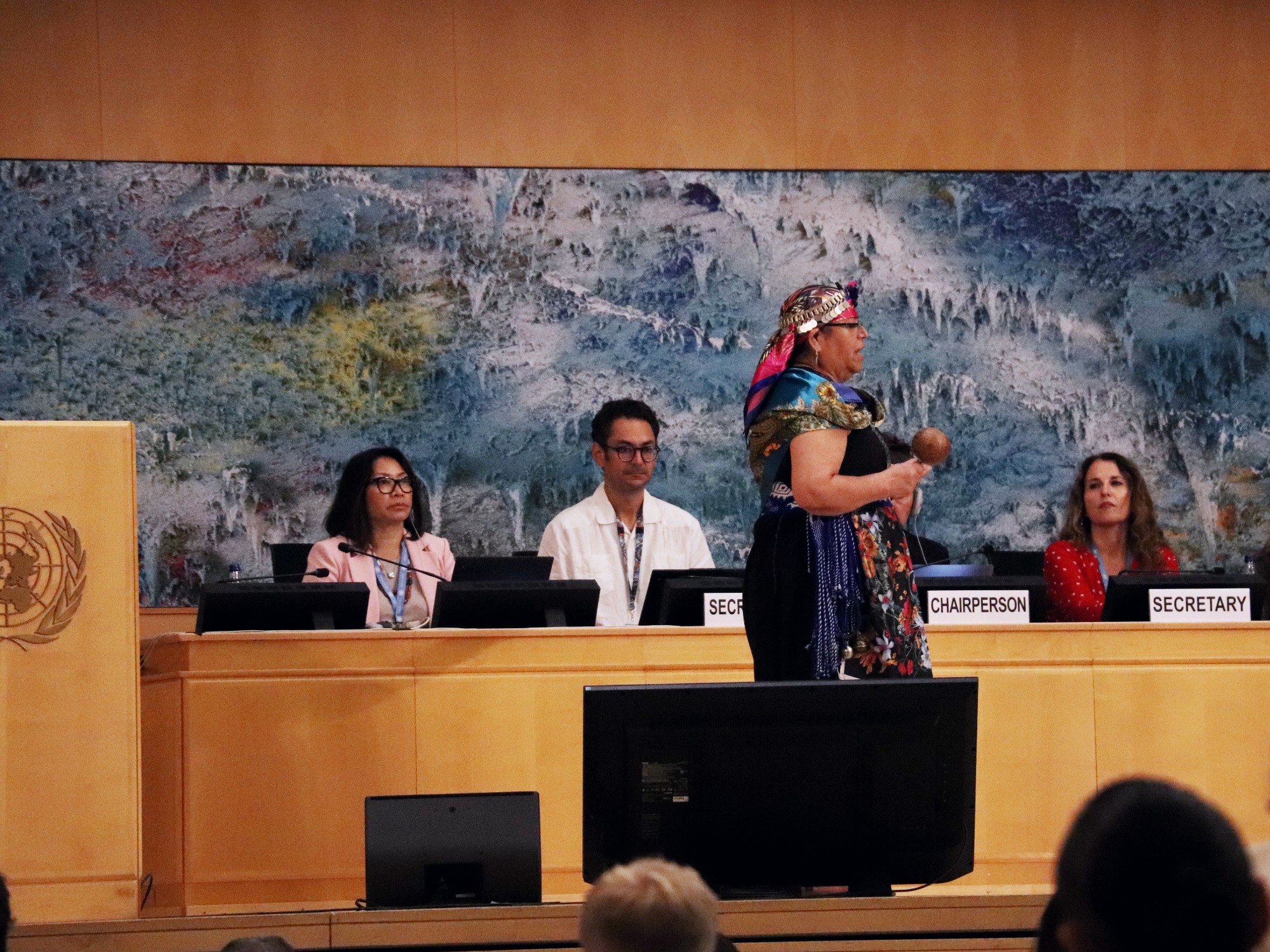
Indigenous people demand more say at the UN, as new crises hit their homelands
Indigenous nations live ‘on the frontlines’ of climate, conflict and new tech. But their voices remain sidelined in the global halls of power.