‘We’re running for our ancestors’: Syilx Unity Run connects community to the land
‘What you’re doing today, representing your community, in the highest of honour,’ said Chief Greg Gabriel of the Penticton Indian Band

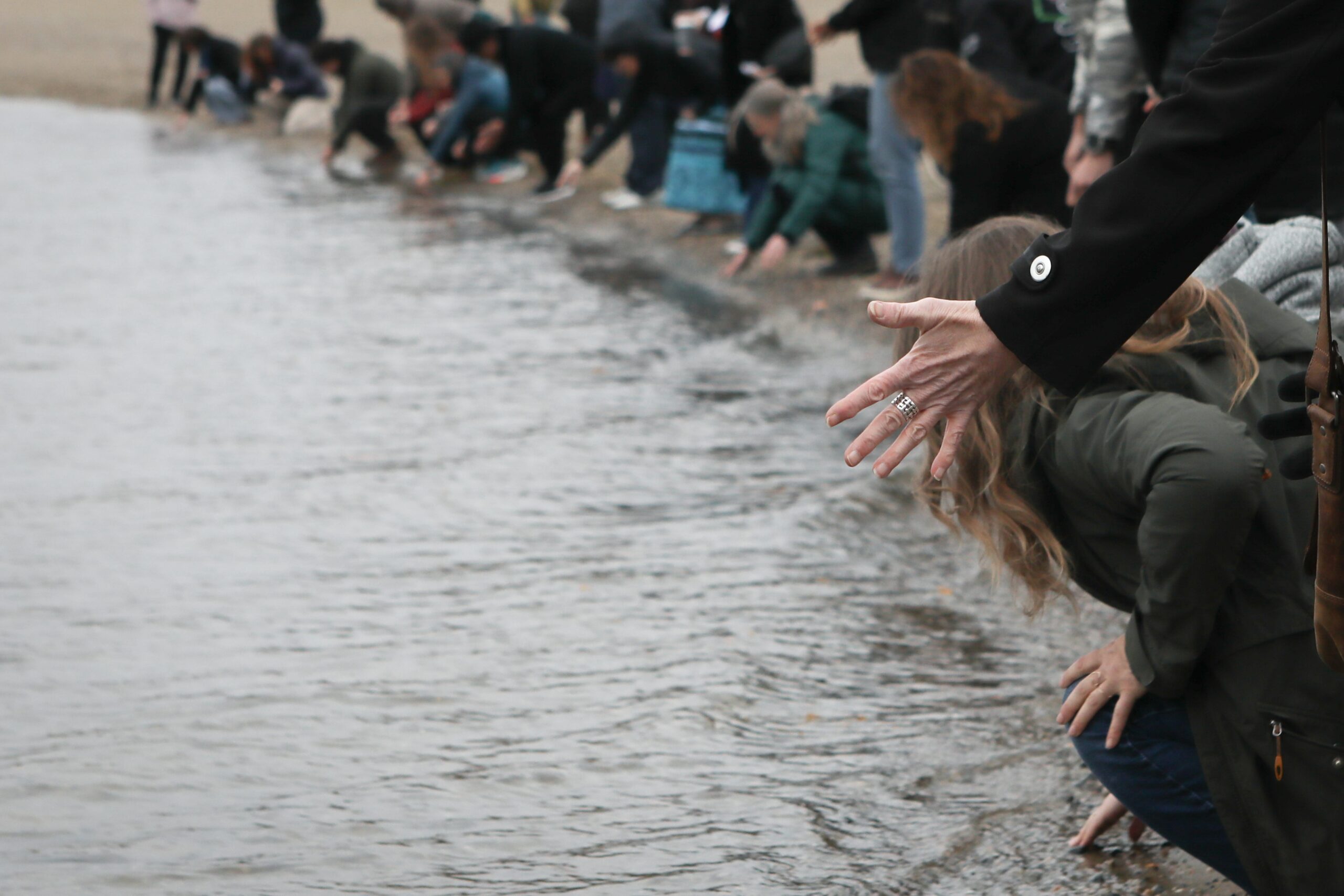
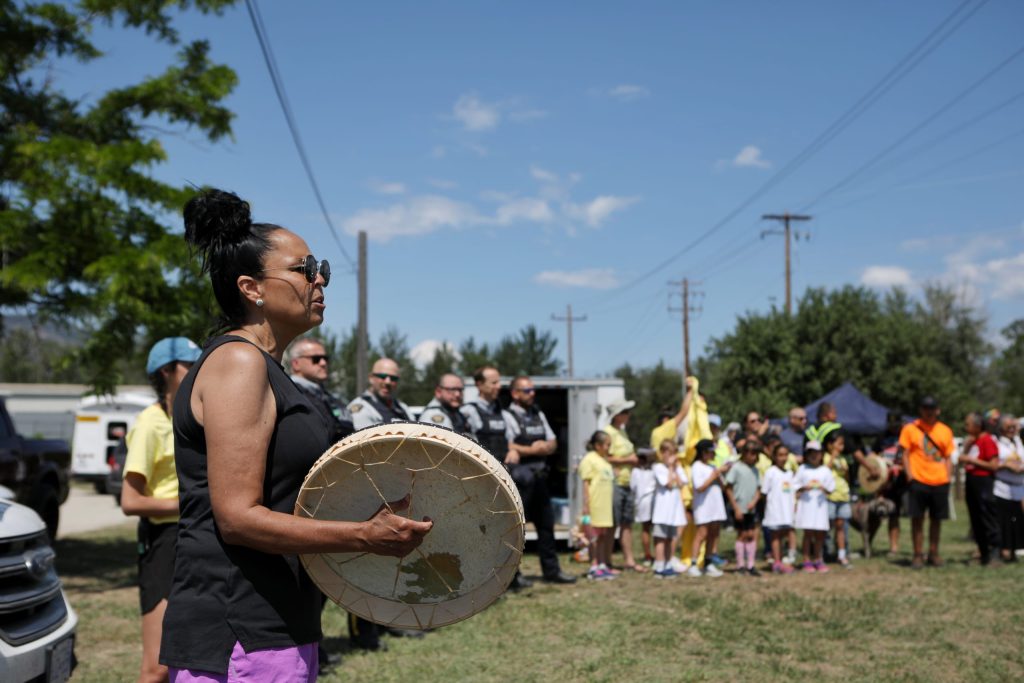
More than 100 syilx Youth, Elders and community members gathered at the Syilx Nation Indian Residential School (SIRS) Monument in snpintktn (Penticton) on June 1 to kick off a four-day run across their territory. The ceremony reminded participants to honour their ancestors and lift each other up as they travelled through their homelands – just as their ancestors had done.
The 15th annual Spirit of Syilx Unity Run is dedicated to connecting to the land and raising awareness for violence and suicide in syilx communities. The journey picked up where it left off from last year’s run, which began at the Kamloops Indian Residential School in Tk’emlúps (Kamloops) and concluded at the SIRS Monument. This year’s run ended in ncaʔm (Christina Lake), which will be the starting point of next year’s run.
“I want you to be aware of that when you’re on the land, that you’re praying for your families and thinking about our community,” said nkwancinəm Kim Montgomery of the Okanagan Nation Alliance (ONA).
“We have a lot of people hurting, and one thing that we’re good at is prayer. One thing that we’re good at is staying connected.”
The runners, supporters, chaperones, organizers and other community members gathered for an opening circle prior to the run. Montgomery drummed the Okanagan Song, which was sung by the Youth in attendance.
“I was almost brought to tears listening to children sing our song,” said Chief Greg Gabriel of the Penticton Indian Band.
“I’m talking to children and the runners: remember who you are. Always remember who you are. Always remember who you represent. What you’re doing today, representing your community, is the highest of honour. We are all so very proud of you.”
All the runners were smudged prior to hitting the road, and Elder qʷʕayxnmitkʷ xʷəstalk̓iyaʔ Jane Stelkia, the oldest member of the Osoyoos Indian Band, said a prayer for everyone.
Cultural workers, knowledge keepers and nsyilxcən speakers also joined the runners on their journey. They provided teachings on the language and key markers throughout the land as they travelled.
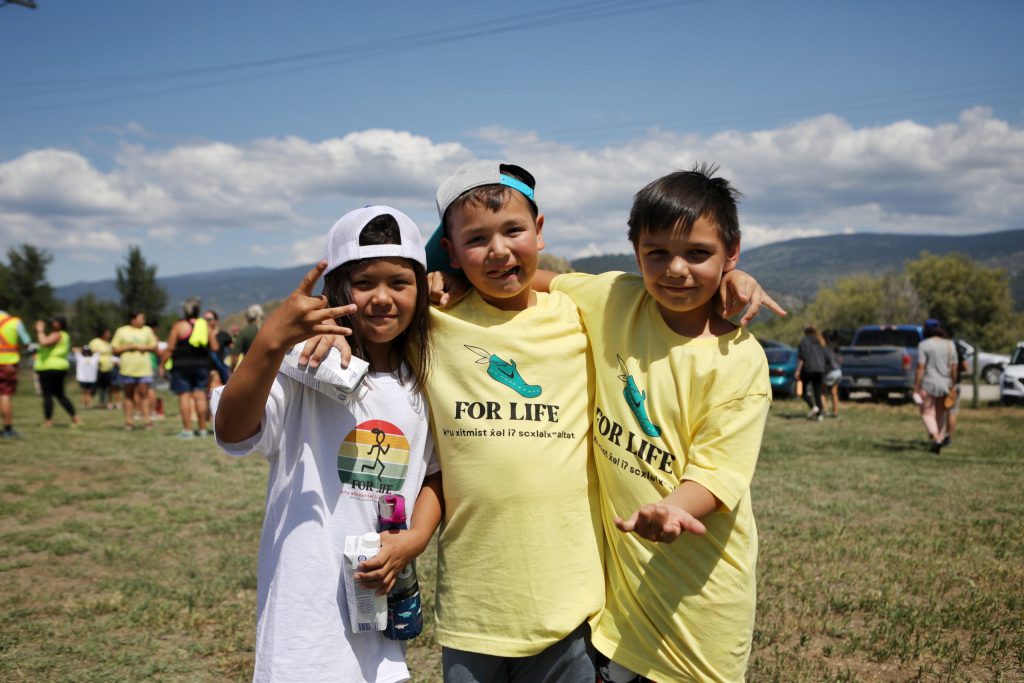
For Outma Sqilx’w Cultural School students Mia Haines Wilson, Kruz Kruger and Nyah Jack, it was their first time participating in the annual run. In addition to being out on the land and being best friends, the seven-year-olds listed a number of other reasons why they were excited to run for the first time.
“We’re running for our ancestors, our ancestors did it,” said Kruger.
“I’m pretty excited because my family’s here and I want them to be proud,” said Mia, who ran with her mom, Sophie Wilson.
“It’s exciting that she’ll be running out with her people and on the land, learning all our landmarks,” said Sophie.
“We talked to her about her ancestors and she’s very in tune with the land, so I’m excited.”
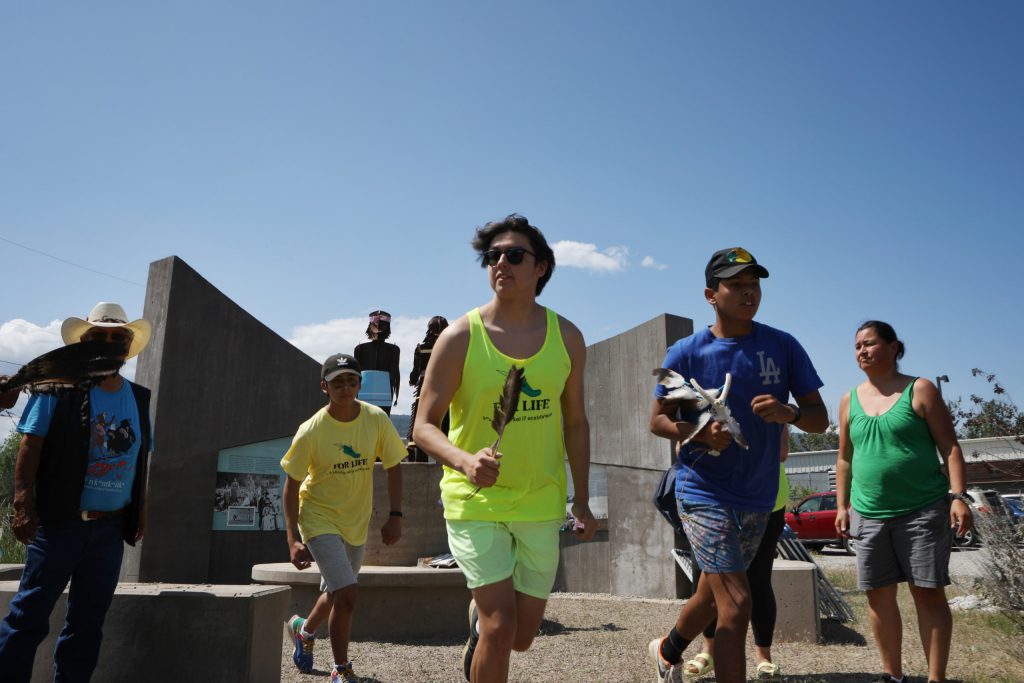
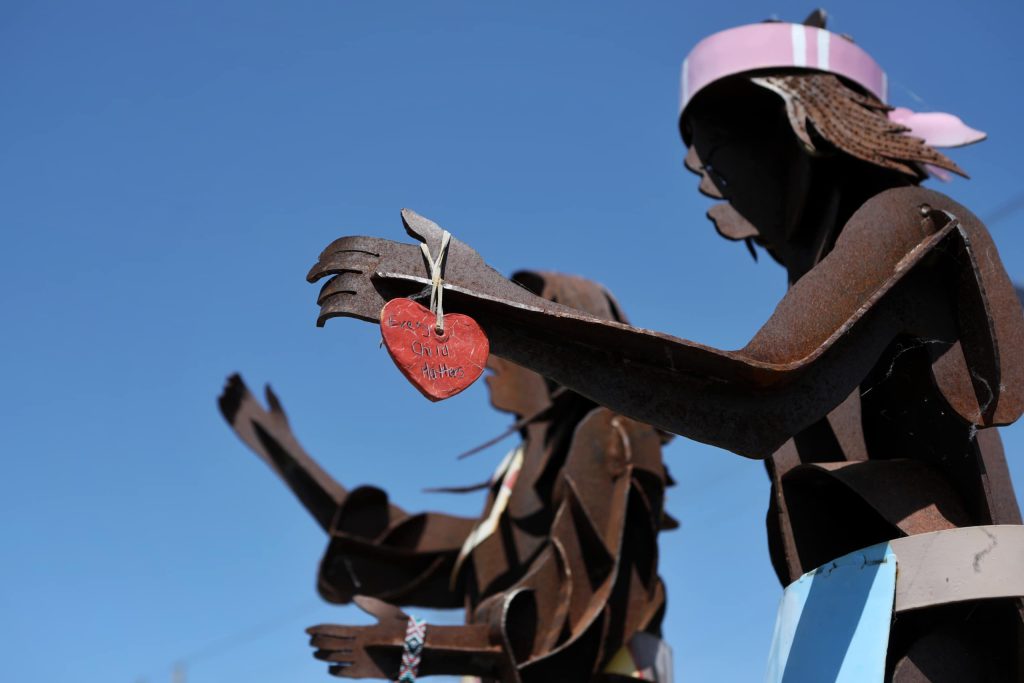
Gabriel asked that the runners acknowledge and recognize the SIRS Monument, which he said represents the children who were lost and never made it home.
“The songs that we sing and the drums, I believe they awaken the spirits,” he said. “And they will be with you on your journey over the next few days. Remember that. Keep them in your mind.”
Author
We live in a media ecosystem that thrives on misinformation. Big Tech and AI companies are consuming the work of real human beings and Canadian news has been banned on Facebook and Instagram.
And yet, I have hope for journalism because of the work we’re doing at IndigiNews.
At IndigiNews, we embody tâpwêwin — the Cree value of integrity and responsibility in truth-telling. We are committed to our independent, Indigenous-led newsroom rooted in community, accountability, and relationality. We believe storytelling is a sacred fire that connects our pasts, presents, and futures through the storytellers in our Storytelling Lodge. IndigiNews creates space for Indigenous journalists, storytellers, Knowledge Keepers, and communities to gather, learn, and share stories that matter.
As a registered charity, we are building a fire that allows our work not just to ignite but to thrive. Rather than relying on advertising or corporate acquisition, IndigiNews is sustained by people like you who believe Indigenous stories are important for the future of our communities.
Your support is making a real difference.
Our community of supporters, our Firekeepers, make it possible to grow our newsroom, publish award-winning journalism, train emerging Indigenous journalists through initiatives like the ReFocus Photojournalism Fellowship, and publish trustworthy stories that serve our communities across the country. Every story we publish helps fill in gaps left by mainstream media and ensures Indigenous perspectives are represented with care, accuracy and respect.
But there is still more work to do.
As the media landscape becomes more and more uncertain, community support is as necessary and essential as it’s ever been. Every new Firekeeper helps protect the independence of our newsroom and strengthens journalism that is accountable to our many and varied communities over corporations.
That’s why we’re inviting you to become a Firekeeper.
Firekeepers tend to and protect the sacred fire. Your monthly contributions directly support IndigiNews’s Storytelling Lodge, helps sustain our independent, Indigenous-led newsroom, and ensures future generations of Indigenous storytellers have the resources they need to do the work.
As a registered Canadian charity, all eligible donations receive a charitable tax receipt.
If you believe Indigenous stories matter, if you value independent journalism, and if you want to help build a strong future for Indigenous media, we invite you to join our circle of Firekeepers today.
Together, we can keep the fire burning.
— Eden Fineday, Publisher, IndigiNews
Support us nowLatest Stories
-
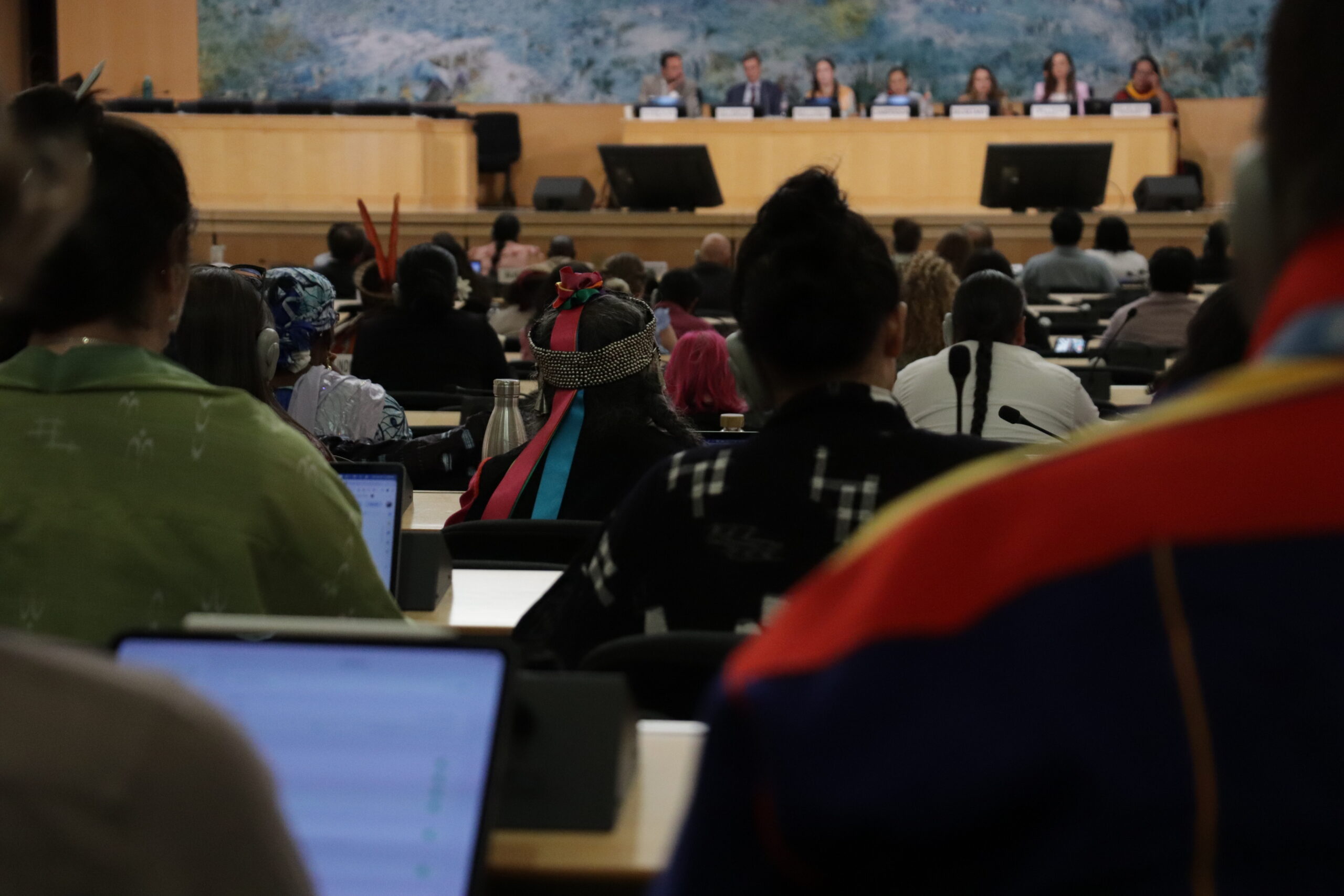
Indigenous leaders give the UN a roadmap for protecting their peoples
Amidst prayers and vows of solidarity, UN Expert Mechanism on the Rights of Indigenous Peoples ends annual meetings with demands for ‘action we’re not seeing globally’
-
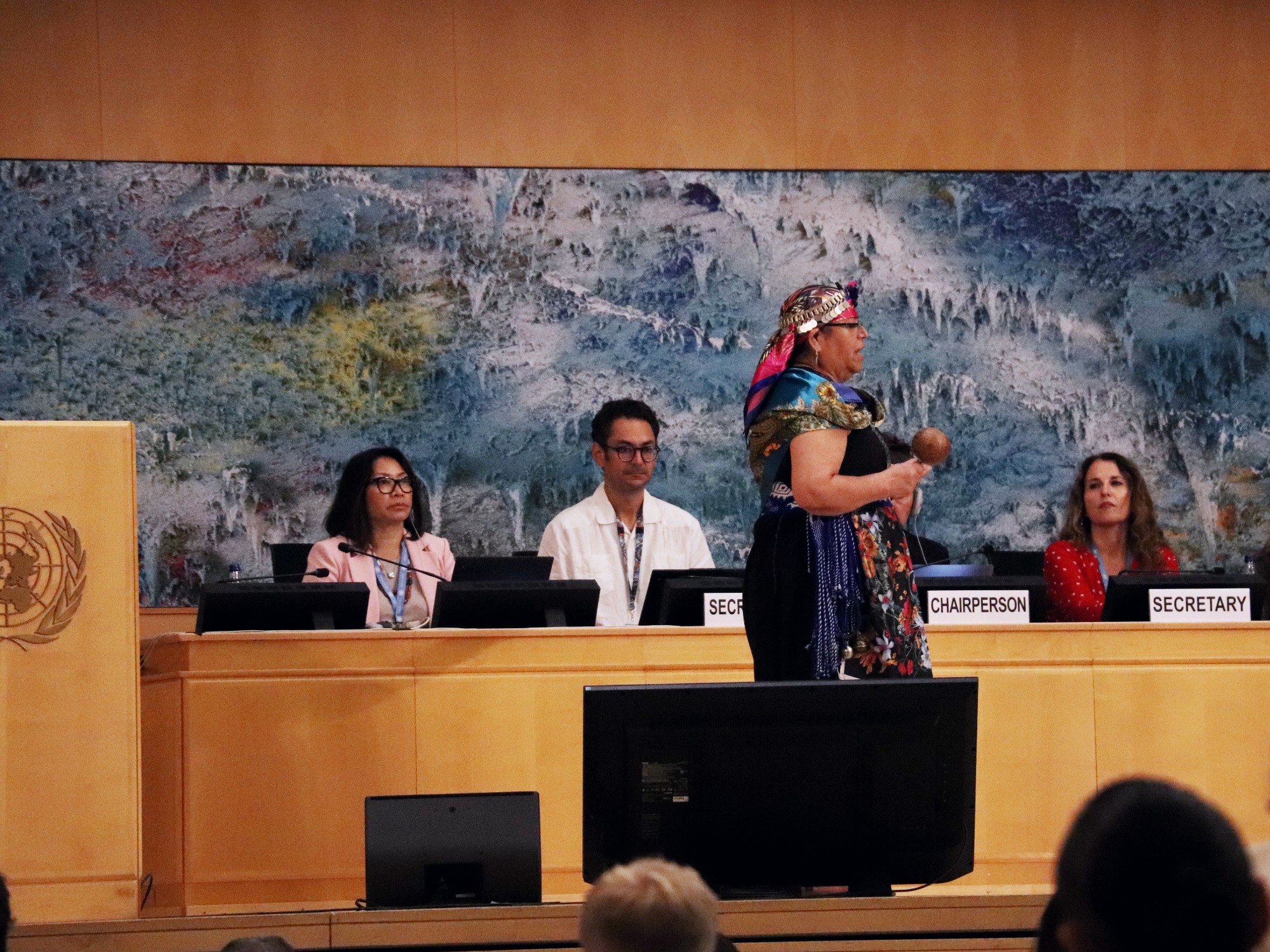
Indigenous people demand more say at the UN, as new crises hit their homelands
Indigenous nations live ‘on the frontlines’ of climate, conflict and new tech. But their voices remain sidelined in the global halls of power.