Syilx people can earn a degree in the Nsyilxcən language with new UBC program
It’s the first Indigenous language degree in Canada, says academic lead Jeannette Armstrong

The University of British Columbia Okanagan (UBCO) will be the first university in Canada to offer their students the opportunity to receive a bachelor’s degree in Indigenous language fluency.
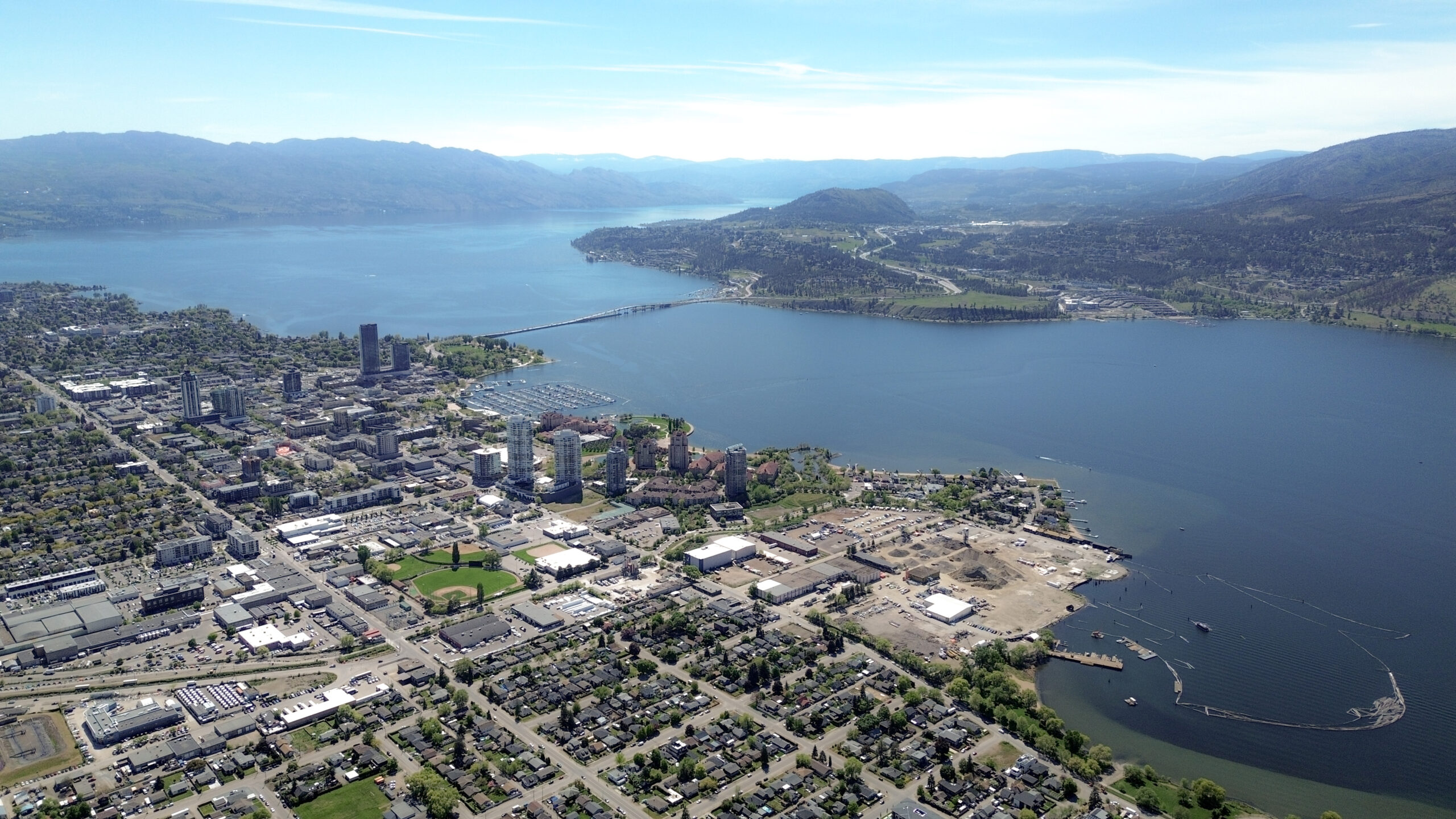
“There is nothing more unique than this Bachelor of Nsyilxcən Language Fluency (BNLF) program,” says Jeannette Armstrong, associate professor in Indigenous Studies at UBC’s Okanagan campus, which is situated in Syilx territory.
“It’s really exciting for young adults, Syilx people, that are going to be graduating from high school who really have always dreamed to learn and reclaim their language, which they have every right to, and to be able to do it while getting a full bachelor’s degree,” she says.
The Nsyilxcən language is spoken amongst the Okanagan Indian Band, Upper Nicola Band, Westbank First Nation, Penticton Indian Band, Osoyoos Indian Band and Lower and Upper Similkameen Indian Bands and the Colville Confederated Tribes.
In the first two years of the four-year degree program, students will study at NVIT or the En’owkin Centre, learning the language with fluent community speakers. Through immersion courses, students will gain the foundation of understanding the language, navigating in the language, and being able to begin to use it, Armstrong says.
They’ll emerge with a certificate and diploma in Nsyilxcən Language Fluency before transferring to UBCO, where they will spend two more years to complete the degree program.
“Those courses are really exciting. You’re doing higher learning in the language, and for terms and ideas that are modern, so you can apply it in a modern way,” says Armstrong, who is the Canada Research Chair in Okanagan Indigenous Knowledge and Philosophy and who has a PhD Environmental Ethics.
In the upper level courses, she says students will learn, for example, how literature works in Nsyilxcən. They’ll learn plant and animal names in science courses and they’ll learn about math concepts.
In year four, they will complete an internship within their community, working in the language, she says. And they will also get to do a capstone research project “in any topic that they want to do … for their community or their family or an organization.”
“When they finish the degree, they will have all of the areas that they would need to do a master’s or a Ph.D. and have the language at their fingertips to be able to apply in the modern context,” says Armstrong.
The BNLF program is the result of a collaborative effort by the En’owkin Center, the Nicola Valley Institute of Technology (NVIT) and UBCO, where Armstrong is the academic lead. She says she started developing the idea for this program around a decade ago.
In 2011, she says she was commissioned by the First Nations Education Steering Committee (FNESC) and the Indigenous Adult and Higher Learning Association to research a framework for a degree program for adults to learn their language and become fluent.
“When [B.C.’s Ministry of Advanced Education and Skills Training] finally signed off on the degree program in October, it was one of the best things I could have heard at any time.”
Right now there are 12 students finishing up their second year in the language program at NVIT, says Armstrong. She’s hoping at least 75 per cent of this cohort will transfer to UBCO to become the first students to earn degrees in Nsyilxcən language fluency.
This is just the first of many Indigenous language fluency programs, she adds.
“There are five more in the works with Lake Babine Nation (NVIT), Lillooet Tribal Council (NVIT), Nicola Bands (NVIT), Wilp Wilxo’oskwhl Nisga’a (University of Northern BC) and the Saanich Adult Education Centre (University of Victoria). The languages being taught will include Nsyilxcn, Neduten, Northern Státimcets, Nɬeʔkepmxcín, Nisga’a and SENĆOŦEN,” according to a Mar. 29 statement from the Ministry of Advanced Education and Skills Training.
Tyrone McNeil, president of FNESC, says this new program “exemplifies how a respectful and impactful partnership between First Nations, Indigenous institutes, and post-secondary institutions, can advance language revitalization and help develop the next generation of fluent language teachers.”
‘I’m always going work to help support the language’
Armstrong has been working on revitalizing the Nsyilxcən language for 40 years. As a co-founder of the En’owkin Center, she has been teaching the Nsyilxcən language and knowledge since 1981.
“I’m a mother tongue speaker. So what does that mean? That means that I was born with parents who spoke up to me and I woke up speaking it,” she says.
“I have worked my whole life to develop an idea of protecting our language and keeping it alive, keeping it going and keeping our culture going. This degree will help with that in the future.”
Armstrong tells IndigiNews this degree program is an important step in the process of reclaiming Indigenous Title and Rights through revitalizing the language and preserving the knowledge.
“This is what reconciliation is about. The United Nations Declaration on the Rights of Indigenous Peoples is about us being able to establish education in the language,” says Armstrong, who is a Penticton Indian Band member.
“Our Nsyilxcən language is endangered. We as people need a program like this to increase the number of speakers because our current language speakers are declining.”
Armstrong hopes this degree program will help foster a new generation of speakers across the Syilx Okanagan Nation.
“We have a responsibility for taking care of the language. The Creator gave us this language and we need to do the best we can to keep it alive and keep it going.”
Editor’s note: Jeannette Armstrong is reporter Athena Bonneau’s grandmother. At IndigiNews, we take journalistic independence seriously, adhering to the Canadian Association of Journalists Ethics Guidelines. Due to Armstrong’s role at UBCO and relationship with her Nsyilxcən language, we felt it was critical to include her voice in this piece.
Author
We live in a media ecosystem that thrives on misinformation. Big Tech and AI companies are consuming the work of real human beings and Canadian news has been banned on Facebook and Instagram.
And yet, I have hope for journalism because of the work we’re doing at IndigiNews.
At IndigiNews, we embody tâpwêwin — the Cree value of integrity and responsibility in truth-telling. We are committed to our independent, Indigenous-led newsroom rooted in community, accountability, and relationality. We believe storytelling is a sacred fire that connects our pasts, presents, and futures through the storytellers in our Storytelling Lodge. IndigiNews creates space for Indigenous journalists, storytellers, Knowledge Keepers, and communities to gather, learn, and share stories that matter.
As a registered charity, we are building a fire that allows our work not just to ignite but to thrive. Rather than relying on advertising or corporate acquisition, IndigiNews is sustained by people like you who believe Indigenous stories are important for the future of our communities.
Your support is making a real difference.
Our community of supporters, our Firekeepers, make it possible to grow our newsroom, publish award-winning journalism, train emerging Indigenous journalists through initiatives like the ReFocus Photojournalism Fellowship, and publish trustworthy stories that serve our communities across the country. Every story we publish helps fill in gaps left by mainstream media and ensures Indigenous perspectives are represented with care, accuracy and respect.
But there is still more work to do.
As the media landscape becomes more and more uncertain, community support is as necessary and essential as it’s ever been. Every new Firekeeper helps protect the independence of our newsroom and strengthens journalism that is accountable to our many and varied communities over corporations.
That’s why we’re inviting you to become a Firekeeper.
Firekeepers tend to and protect the sacred fire. Your monthly contributions directly support IndigiNews’s Storytelling Lodge, helps sustain our independent, Indigenous-led newsroom, and ensures future generations of Indigenous storytellers have the resources they need to do the work.
As a registered Canadian charity, all eligible donations receive a charitable tax receipt.
If you believe Indigenous stories matter, if you value independent journalism, and if you want to help build a strong future for Indigenous media, we invite you to join our circle of Firekeepers today.
Together, we can keep the fire burning.
— Eden Fineday, Publisher, IndigiNews
Support us nowLatest Stories
-
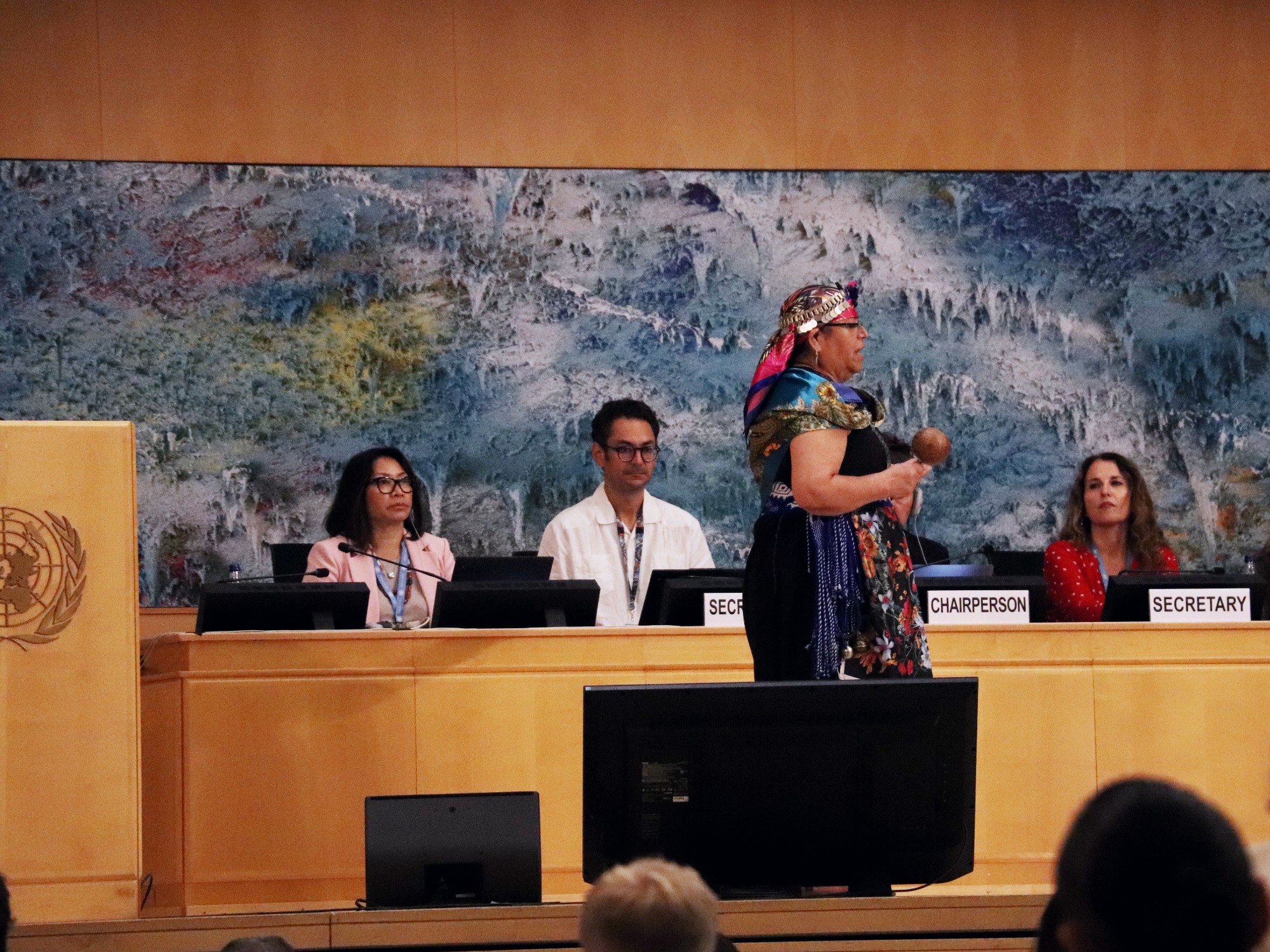
Indigenous people demand more say at the UN, as new crises hit their homelands
Indigenous nations live ‘on the frontlines’ of climate, conflict and new tech. But their voices remain sidelined in the global halls of power.
-
Through their lenses: Showcasing the work of our 2026 ReFocus fellows
Get to know our photojournalism training cohort through a series of portraits shot during a week in Kjipuktuk (Halifax)