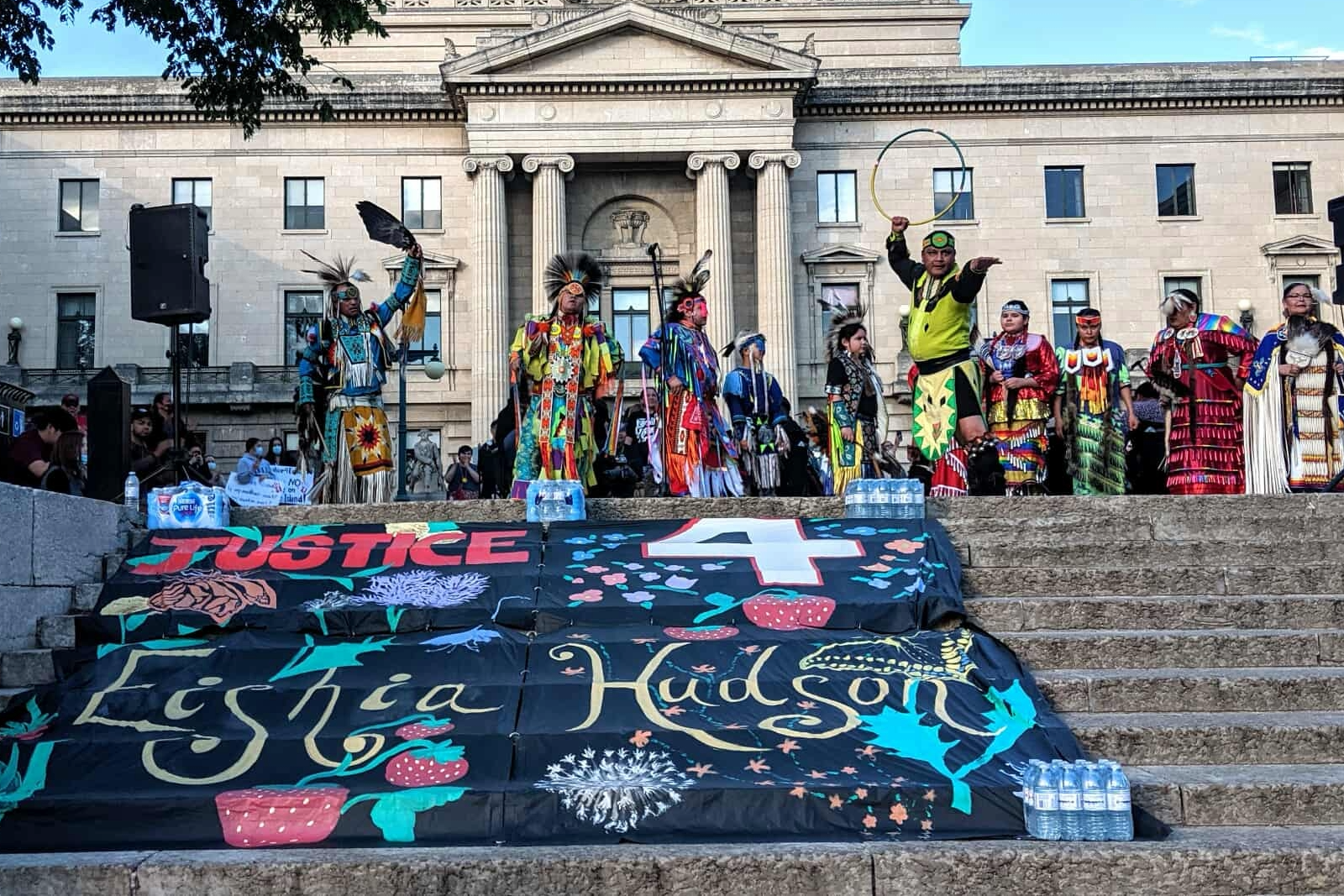
Fighting discrimination during birth through the support of doulas
‘We’re putting the power back in their hands,’ says Nanaimo-based doula Andrea Howard
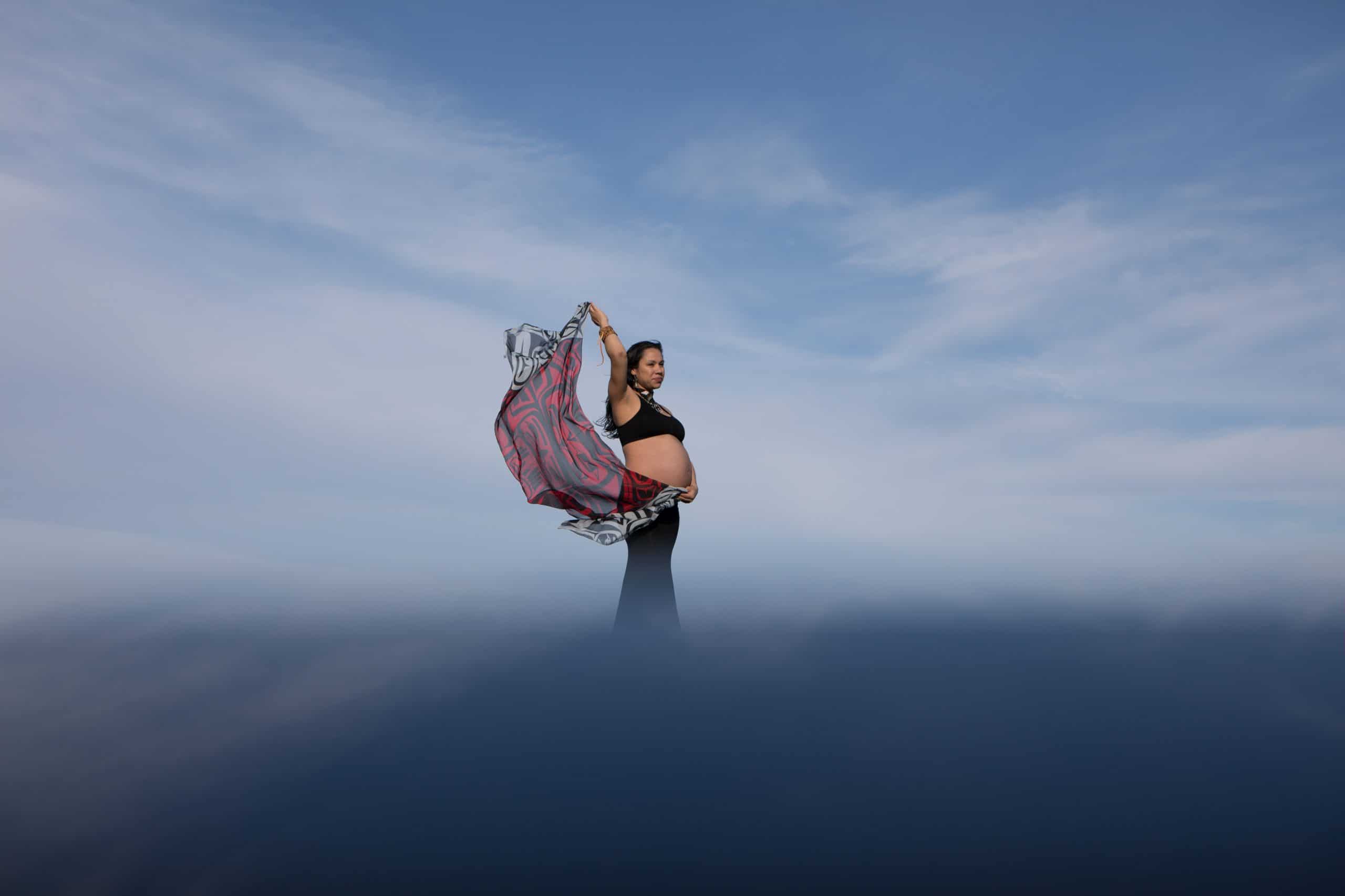
Andrea Howard, the founder and owner of Harbour City Doulas, recalls supporting an Indigenous mother who needed to transfer to Nanaimo from Ucluelet to give birth.
“Her first birth had been via cesarean, an experience she still felt upset by,” Howard wrote in an email to IndigiNews. “She told us that she felt bullied, ignored, and unsupported during her last birth, and that she wanted to make sure that her voice was heard and respected during her next birth.”
Anti-Indigenous racism is a well-documented problem in Canada’s health care system. In fact, the B.C. government recently launched an “independent investigation into Indigenous-specific racism in British Columbia’s health care system.”
A doula’s role is to make sure individuals and families are supported ahead of, during and after birth — they are not directly involved in delivering babies.
Howard sees herself not only as someone who provides pregnancy, birth, and postpartum care, but also as an advocate for Indigenous families who may experience discrimination during the labour and delivery process.
“Having a doula can be very reassuring as we can provide much-needed continuity of care and support,” says Howard, who has been working in birth and newborn care for over 10 years.
Howard and the team of doula’s at Harbour City Doulas offer a range of “unbiased, judgement-free, and evidence based support.”
Doulas are an optional service that typically people need to pay for out of pocket. Their work isn’t covered by provincial health care services or most medical plans. But because Howard is registered as a doula with the Doulas for Aboriginal Families Grant Program, Indigenous families in B.C. can access funding to cover the cost of her services.
The grant program, which began in 2013, aims to increase healthy birth outcomes for Indigenous families by providing up to $1,000 of doula support with each pregnancy.
The program represents a collaboration between the B.C. Association of Aboriginal Friendship Centres (BCAAFC), the Ministry of Health and the FNHA. To date, the program has paid for doulas in over 1,300 pregnancies, according to the BCAAFC.
Indigenous families who wish to hire a doula for support during their pregnancy can use the BCAAFC’s doula finder tool, or they can ask their doula to register with the program.
Leslie Varley, the executive director of the BCAAFC, says that the grant program grew out of a commitment made in the 2005 Transformative Change Accord: First Nations Health Plan, which aimed to “improve health services for Aboriginal women and to bring birth support close to home and into the hands of women”.
“It was just about recognition that Indigenous women have less access to birthing supports,” Varley says.
“Often, First Nations women coming from remote communities, particularly if it’s the first child, have to come into a, say a centre like Nanaimo or a birthing hospital, which are becoming fewer and fewer… and have to stay there for the last month to six weeks of their pregnancy and often can’t afford to bring family supports with them,” says Varley.
Birth travel and isolation aren’t the only potential challenges for Indigenous women and families expecting a child.
Howard, the Nanaimo-based doula, says she’s witnessed healthcare professionals treating Indigenous people differently than they do non-Indigenous people in labour.
“Sometimes it’s something as simple as a labour and delivery nurse making a generalization about [an Indigenous] client that comes in,” she says.
“They might say oh, you know, ‘Has [the Ministry of Children and Family Development] been contacted?’ Or ’Have you done a screen on this person yet?’”
She says another question Indigenous people in labour might get is “do you know who the father is?”
Howard says she believes that doulas can support families that may be at a higher risk of discrimination and that a doula can help ensure pregnant women have the final say on their care plans.
“I think a lot of people feel like during the labour and birth experience that their power is removed from them,” Howard says. “Our priority is really to put the power back in their hands.”
Since registering with the grant program in 2018, Howard says her team has served approximately 75 Indigenous families.
As for the mother who travelled from Ucluelet, Howard says she witnessed her “transform from someone that felt afraid of birth and the health care system, into someone that felt empowered and confident about their voice and decisions.”
Our series on reproductive health access is made possible in part with funding from First Nations Health Authority (FNHA) and Thunderbird Partnership Foundation. Their support does not imply endorsement of or influence over the content produced.
Author
We live in a media ecosystem that thrives on misinformation. Big Tech and AI companies are consuming the work of real human beings and Canadian news has been banned on Facebook and Instagram.
And yet, I have hope for journalism because of the work we’re doing at IndigiNews.
At IndigiNews, we embody tâpwêwin — the Cree value of integrity and responsibility in truth-telling. We are committed to our independent, Indigenous-led newsroom rooted in community, accountability, and relationality. We believe storytelling is a sacred fire that connects our pasts, presents, and futures through the storytellers in our Storytelling Lodge. IndigiNews creates space for Indigenous journalists, storytellers, Knowledge Keepers, and communities to gather, learn, and share stories that matter.
As a registered charity, we are building a fire that allows our work not just to ignite but to thrive. Rather than relying on advertising or corporate acquisition, IndigiNews is sustained by people like you who believe Indigenous stories are important for the future of our communities.
Your support is making a real difference.
Our community of supporters, our Firekeepers, make it possible to grow our newsroom, publish award-winning journalism, train emerging Indigenous journalists through initiatives like the ReFocus Photojournalism Fellowship, and publish trustworthy stories that serve our communities across the country. Every story we publish helps fill in gaps left by mainstream media and ensures Indigenous perspectives are represented with care, accuracy and respect.
But there is still more work to do.
As the media landscape becomes more and more uncertain, community support is as necessary and essential as it’s ever been. Every new Firekeeper helps protect the independence of our newsroom and strengthens journalism that is accountable to our many and varied communities over corporations.
That’s why we’re inviting you to become a Firekeeper.
Firekeepers tend to and protect the sacred fire. Your monthly contributions directly support IndigiNews’s Storytelling Lodge, helps sustain our independent, Indigenous-led newsroom, and ensures future generations of Indigenous storytellers have the resources they need to do the work.
As a registered Canadian charity, all eligible donations receive a charitable tax receipt.
If you believe Indigenous stories matter, if you value independent journalism, and if you want to help build a strong future for Indigenous media, we invite you to join our circle of Firekeepers today.
Together, we can keep the fire burning.
— Eden Fineday, Publisher, IndigiNews
Support us nowLatest Stories
-
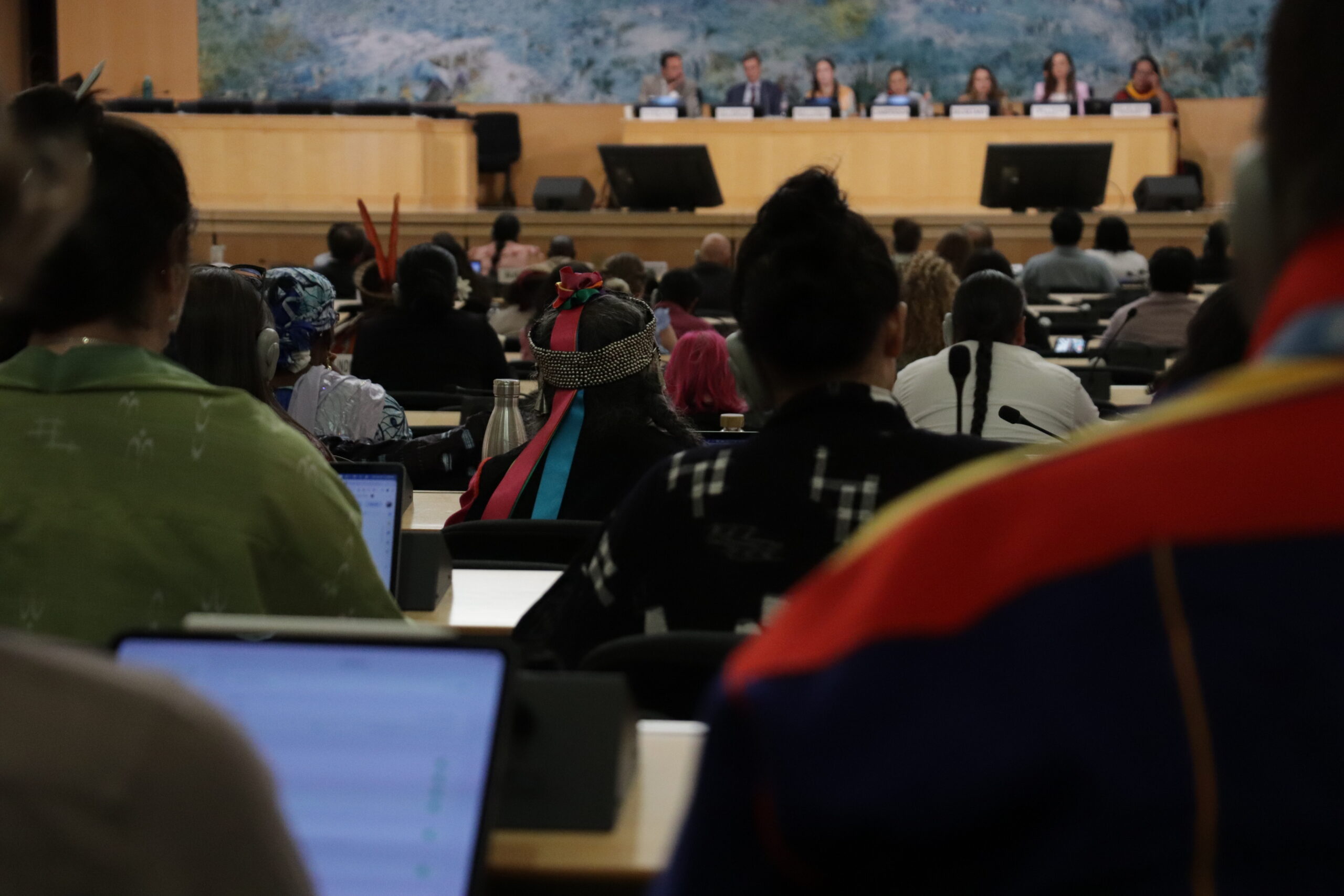
Indigenous leaders give the UN a roadmap for protecting their peoples
Amidst prayers and vows of solidarity, UN Expert Mechanism on the Rights of Indigenous Peoples ends annual meetings with demands for ‘action we’re not seeing globally’
-
Indigenous people demand more say at the UN, as new crises hit their homelands
Indigenous nations live ‘on the frontlines’ of climate, conflict and new tech. But their voices remain sidelined in the global halls of power.