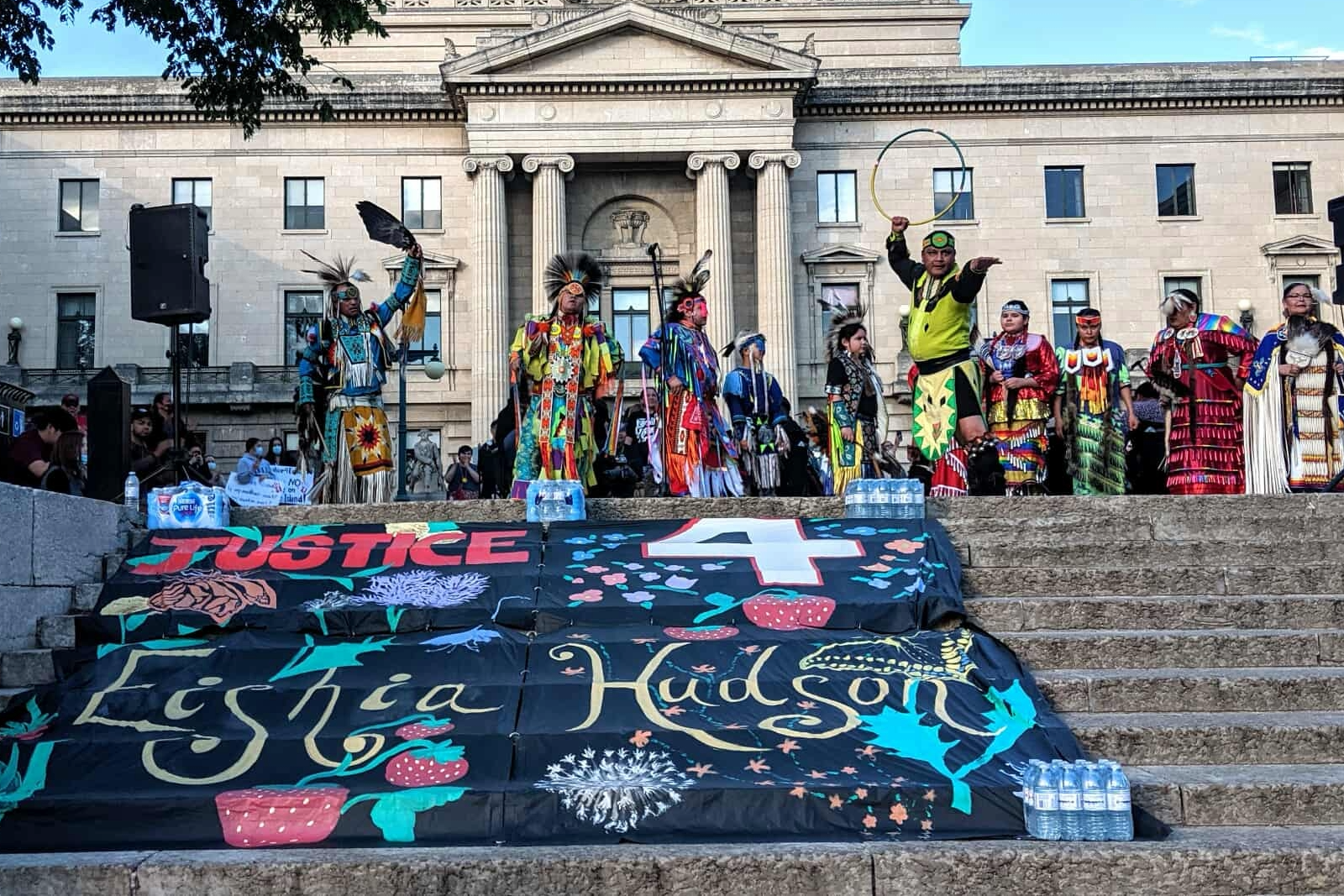
Six safety tips from Mi’kmaw survival expert
With weather warnings coming in fast and furious across unceded territories in B.C., IndigiNews asked Sakej Ward to share his teachings.

People living on unceded territories in Metro Vancouver are facing another big dump of rain — 50-80 mm — according to a rainfall warning issued this morning by Environment Canada.
The alert comes as people are already scrambling to recover from severe flooding and landslides that prompted the province to declare a state of emergency on Nov. 17. It comes after a summer that saw temperatures rise to 49.6° in some regions — leading to droughts and forest fires.
“What we are seeing is an uptick … [of] more problems that are obviously nature related. And this all relates back to climate change,” says Sakej Ward, a survival expert and Mi’kmaw warrior who says he spent years serving in the Canadian and American militaries.

Last week, IndigiNews asked Ward to share teachings on how to prepare for an emergency — and what to do if you get caught off guard in a dangerous situation.
We’ve summarized Ward’s top tips below (under the video, which shows our full interview).
- Have a plan to “shelter in place.” Your home is often the safest place as it provides the shelter needed, says Ward, adding that it’s key to “create the plan that suits you.” Know your community’s emergency plan so you can ensure that your family plan can work within that. And if you’re dealing with flooding, move your valuables to high ground inside your home.
- When you can’t shelter in place, be prepared to “bug out” — or evacuate yourself. Know your evacuation routes, Ward says. “Perhaps you have three, four different ways out of your community, but you need to know which one your community’s going to use,” says Ward. Know your environment, know your lands and surroundings and any dangers that may present themselves along the route to safety. “We shouldn’t just run from danger, we should also be running to safety.”
- Pack enough supplies to last two weeks — as a minimum. As we see more and more mega climate change events, recommendations to prepare kits with enough supplies to last 72-hours are outdated, says Ward. “They are finding post analyses of these different disasters, that three days really isn’t enough … If you’re in a situation where you are further away from a major city or town … any kind of disaster relief takes longer to get to you.”
- In addition to food, clothing, water and a water filter, make sure you have headlamps and duct tape. When it comes to flashlight vs. headlamp, Ward says to opt for headlamps. “Then can you use both hands to do whatever you’ve got to do, whether it is to work on your vehicle, or perhaps it’s an injury and you have to do first aid on yourself.” And you have to have “plenty of duct tape!”
- Treat your cell phones as a survival device. As soon as you lose a reliable power source, your cell phone becomes a survival device, says Ward. Make sure you have a pre-charged charger in your kit, and be mindful of how you use your phone. “We’re going to be very tempted at that moment to want to be on that cell phone 24/7. We will be turning to that phone for psychological support in a way,” Ward says, adding that it’s best to already have a usage plan prior to a disaster event — so you can preserve battery life and maximize access to information.
- When you feel you’re in danger, BREATHE and STOP. People naturally tend to panic and get tunnel vision when they sense danger, Ward says. Taking a deep intentional breath or two can help meet the needs of your body as it leaps into flight or fight mode. You can also use the acronym STOP, he says. S is sit down. T is take inventory — ”Check what kind of gear you’ve got on you.” O is observe — “Do I have to make a shelter? Do I have to make fire? And do I have the resources to do that?” P is plan.
In addition to these tips, Ward shared a few lists, which he says are meant to be customizable depending on your specific situation: Disaster Preparedness List, Bug Out Bag Systems, and the Vehicle Emergency Kit.
For more tips, follow Ward on Facebook and check out this interview with Pam Palmater on her YouTube channel, Warrior Life.
Author
We live in a media ecosystem that thrives on misinformation. Big Tech and AI companies are consuming the work of real human beings and Canadian news has been banned on Facebook and Instagram.
And yet, I have hope for journalism because of the work we’re doing at IndigiNews.
At IndigiNews, we embody tâpwêwin — the Cree value of integrity and responsibility in truth-telling. We are committed to our independent, Indigenous-led newsroom rooted in community, accountability, and relationality. We believe storytelling is a sacred fire that connects our pasts, presents, and futures through the storytellers in our Storytelling Lodge. IndigiNews creates space for Indigenous journalists, storytellers, Knowledge Keepers, and communities to gather, learn, and share stories that matter.
As a registered charity, we are building a fire that allows our work not just to ignite but to thrive. Rather than relying on advertising or corporate acquisition, IndigiNews is sustained by people like you who believe Indigenous stories are important for the future of our communities.
Your support is making a real difference.
Our community of supporters, our Firekeepers, make it possible to grow our newsroom, publish award-winning journalism, train emerging Indigenous journalists through initiatives like the ReFocus Photojournalism Fellowship, and publish trustworthy stories that serve our communities across the country. Every story we publish helps fill in gaps left by mainstream media and ensures Indigenous perspectives are represented with care, accuracy and respect.
But there is still more work to do.
As the media landscape becomes more and more uncertain, community support is as necessary and essential as it’s ever been. Every new Firekeeper helps protect the independence of our newsroom and strengthens journalism that is accountable to our many and varied communities over corporations.
That’s why we’re inviting you to become a Firekeeper.
Firekeepers tend to and protect the sacred fire. Your monthly contributions directly support IndigiNews’s Storytelling Lodge, helps sustain our independent, Indigenous-led newsroom, and ensures future generations of Indigenous storytellers have the resources they need to do the work.
As a registered Canadian charity, all eligible donations receive a charitable tax receipt.
If you believe Indigenous stories matter, if you value independent journalism, and if you want to help build a strong future for Indigenous media, we invite you to join our circle of Firekeepers today.
Together, we can keep the fire burning.
— Eden Fineday, Publisher, IndigiNews
Support us nowLatest Stories
-
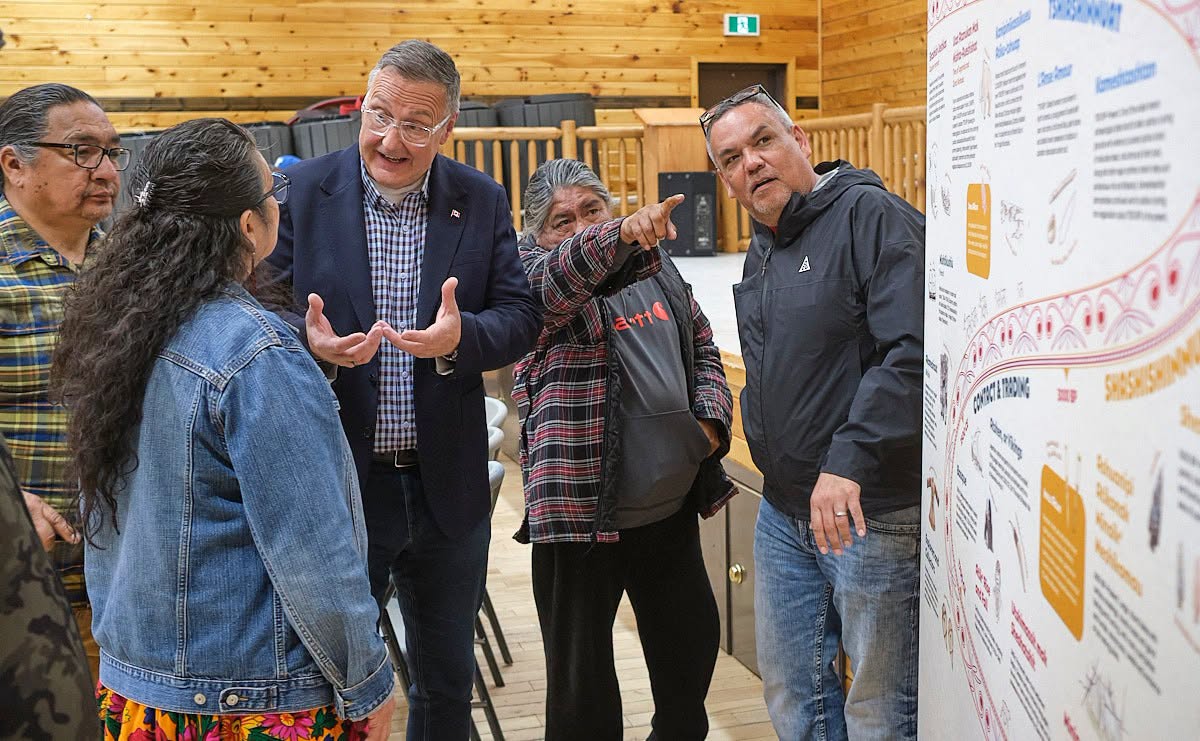
Innu Nation ‘moved to anger, to strength’ after accusing province of censoring history
Solidarity pours in after ‘Labrador’ history exhibition abruptly cancelled after province ordered removal of cultural items and timelines older than 300 years
-
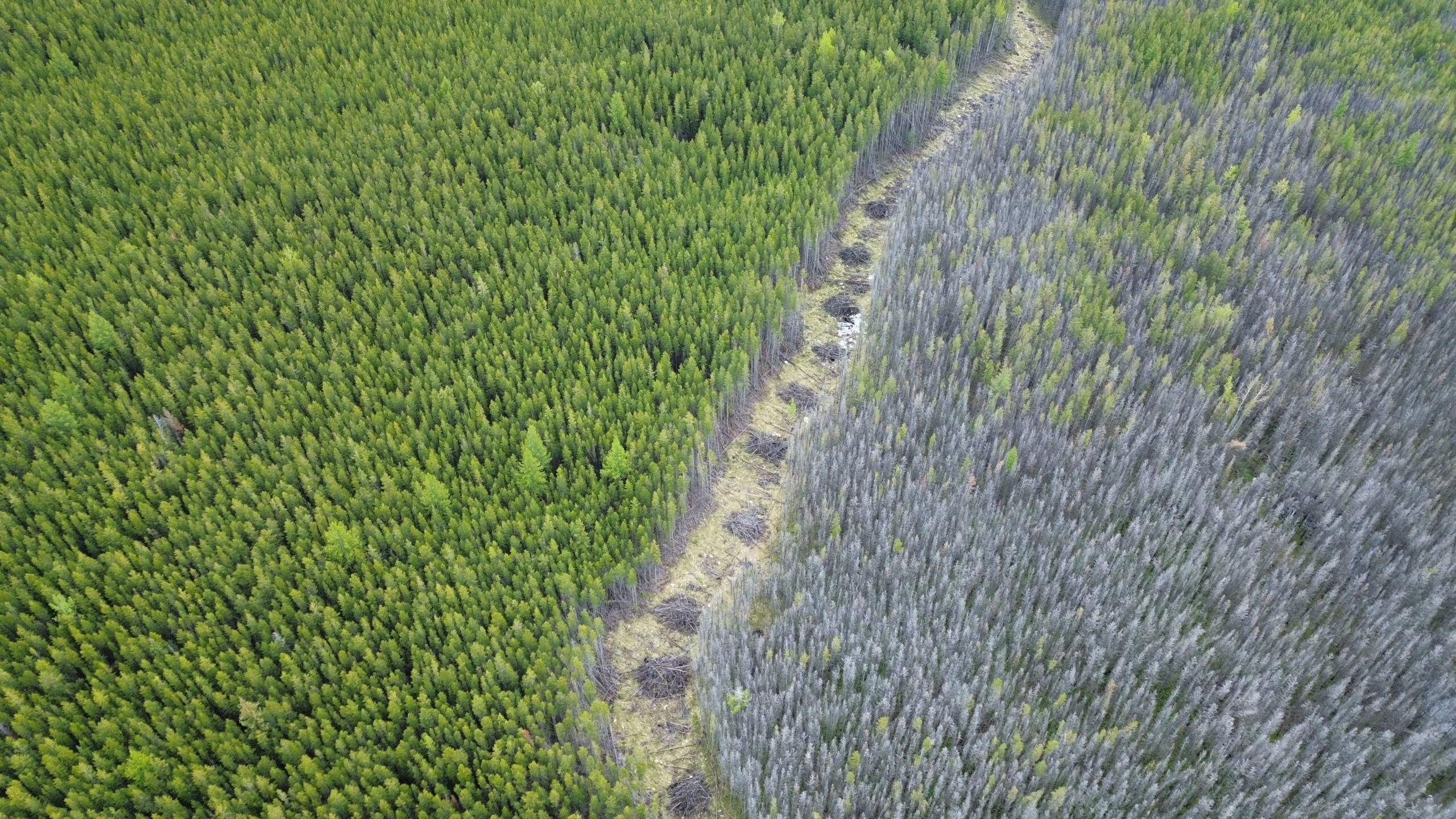
Osoyoos Indian Band set to restore native plants, species in wildfire-ravaged forests
The First Nation plans to clear out burned spaces and restore trees, berries and medicinal plants to the area, encouraging biodiversity and wildlife to return