At the UN, Tŝilhqot’in outlines a plan to deal with the toxic drug crisis — but needs the resources
A delegation from the ‘B.C.’ nation asked governments for help responding to the emergency, saying they want to expand cultural care


At the United Nations headquarters in “New York City,” Sierra William’s voice shook with emotion as she spoke about the toxic drug crisis in her community.
“Death has been so normalized with our people — smallpox, residential schools, 60s Scoop, this has all led to trauma and tragedy in our communities,” said the Tŝilhqot’in Nation Youth ambassador.
“Self care for us is doing things to connect us to our culture, to our ways of life. The exact things that were taken away from us through colonization.”
William, who is from Xeni Gwet’in in “B.C.’s” Nemiah Valley, was part of a Tŝilhqot’in delegation attending the UN Permanent Forum On Indigenous Issues last week.
During a press conference, the group called for increased support from the federal and provincial governments to create Indigenous-led and culturally appropriate responses to the opioid crisis.
The delegation also highlighted the Truth and Reconciliation Commission calls to action from 2015 and the UN Declaration on the Rights of Indigenous People.
“The Truth and Reconciliation calls to action outline what needs to happen to improve the health and wellness of our Indigenous peoples across Canada,” William said on April 24.
“If the calls to action were to be realized, some of our people wouldn’t have a reason to turn to drugs.”
Jenny Philbrick, executive director of the Tŝilhqot’in National Government, said the nation declared a state of emergency over toxic drugs for all its six member communities more than a year ago.
But now, she told attendees, there is renewed urgency.
“As we were coming over a week ago, we got news that another one of our community members had passed from an overdose,” she said.
“And so we are here today to bring this issue back to the table.”
Tŝilhqot’in Nation is one of many Indigenous communities across the country facing the brunt of the opioid crisis.
In March, the Homalco First Nation on “Vancouver Island” declared a state of emergency, saying four young people had died over six months from toxic drugs. The Nuu-chah-nulth Tribal Council also declared a state of emergency in all its 14 member communities in September.
In “British Columbia,” toxic drug overdoses are the leading cause of death for people aged between 10 and 59. According to the province, First Nations people are five times more likely to overdose than other residents and three times more likely to fatally overdose.
“We know why there’s a toxic drug crisis — there are so many different systemic reasons why we’re going through what we’re going through today,” said Philbrick.
“We know what the solutions are. We need partners to come to the table and help us bring our solutions … and move forward in a good way.”
Xeni Gwet’in Chief Roger William outlined a three-part plan involving the governments of “Canada” and “B.C.” but would allow Tŝilhqot’in Nation to deal with the issue “in our own way.”
“We are in crisis,” he said. “We want to make decisions for our own people.”
William said, first, Indigenous communities must be given resources for their own recovery programs on the land such as equine therapy — including cultural and language teachings.
Secondly, he said, First Nations must have the ability to safely exercise their voices in treatment spaces so it’s easier to seek out help, since people still face discrimination and racism in the healthcare system. Lastly, William pointed to the housing issue and said he wants to find space for all First Nations to come together to talk about solutions.
“The basic needs of our people must be met to stop our people from falling into using drugs,” he said.
“If we can provide safe and secure housing for our people, then they have a place to come together with their families and get social support they need to overcome their addictions.”
William added that “some of the things are already happening” and said many young people are often out on the land with Elders and the nation often holds gatherings as they try to get closer to Tŝilhqot’in law and ways of life.
“And a lot of these programs that we look at — it always goes back to that Tŝilhqot’in law, the land and our water,” he said. “Those are really important to us.”
Dakota Diablo, another Tŝilhqot’in Youth ambassador, said the public safety system in “Canada” continues to fail Indigenous Peoples “because it was never built for us.”
“We have our own traditional laws, values and systems of holding our people accountable,” he said.
“How can our people seek help when structures meant to support our people cause so much harm?”
IndigiNews requested comments from both the governments of “B.C.” and “Canada” but did not receive a response before publication.
Philbrick said since Tŝilhqot’in declared a state of emergency last year, there has been some progress on addressing the issue, but “we’re needing more immediate resources” such as beds for people who are detoxing.
“We have managed to hire a project manager and obtain property for the beginning of on the land training,” she said.
“And we do have some solutions and some plans in place, but we … need immediate help in the meantime.”
Tl’esqox Chief Francis Laceese, who is also the vice-chief of Tŝilhqot’in National Government, said change has been “a slow process.” He said the nation recently met with the provincial government and is waiting to meet with the federal government after the recent election which has slowed things down.
“Especially when you have a crisis — probably just not in our nation, but I think there are a lot of other nations that are in the same situation with us,” he said.
Author
We live in a media ecosystem that thrives on misinformation. Big Tech and AI companies are consuming the work of real human beings and Canadian news has been banned on Facebook and Instagram.
And yet, I have hope for journalism because of the work we’re doing at IndigiNews.
At IndigiNews, we embody tâpwêwin — the Cree value of integrity and responsibility in truth-telling. We are committed to our independent, Indigenous-led newsroom rooted in community, accountability, and relationality. We believe storytelling is a sacred fire that connects our pasts, presents, and futures through the storytellers in our Storytelling Lodge. IndigiNews creates space for Indigenous journalists, storytellers, Knowledge Keepers, and communities to gather, learn, and share stories that matter.
As a registered charity, we are building a fire that allows our work not just to ignite but to thrive. Rather than relying on advertising or corporate acquisition, IndigiNews is sustained by people like you who believe Indigenous stories are important for the future of our communities.
Your support is making a real difference.
Our community of supporters, our Firekeepers, make it possible to grow our newsroom, publish award-winning journalism, train emerging Indigenous journalists through initiatives like the ReFocus Photojournalism Fellowship, and publish trustworthy stories that serve our communities across the country. Every story we publish helps fill in gaps left by mainstream media and ensures Indigenous perspectives are represented with care, accuracy and respect.
But there is still more work to do.
As the media landscape becomes more and more uncertain, community support is as necessary and essential as it’s ever been. Every new Firekeeper helps protect the independence of our newsroom and strengthens journalism that is accountable to our many and varied communities over corporations.
That’s why we’re inviting you to become a Firekeeper.
Firekeepers tend to and protect the sacred fire. Your monthly contributions directly support IndigiNews’s Storytelling Lodge, helps sustain our independent, Indigenous-led newsroom, and ensures future generations of Indigenous storytellers have the resources they need to do the work.
As a registered Canadian charity, all eligible donations receive a charitable tax receipt.
If you believe Indigenous stories matter, if you value independent journalism, and if you want to help build a strong future for Indigenous media, we invite you to join our circle of Firekeepers today.
Together, we can keep the fire burning.
— Eden Fineday, Publisher, IndigiNews
Support us nowLatest Stories
-
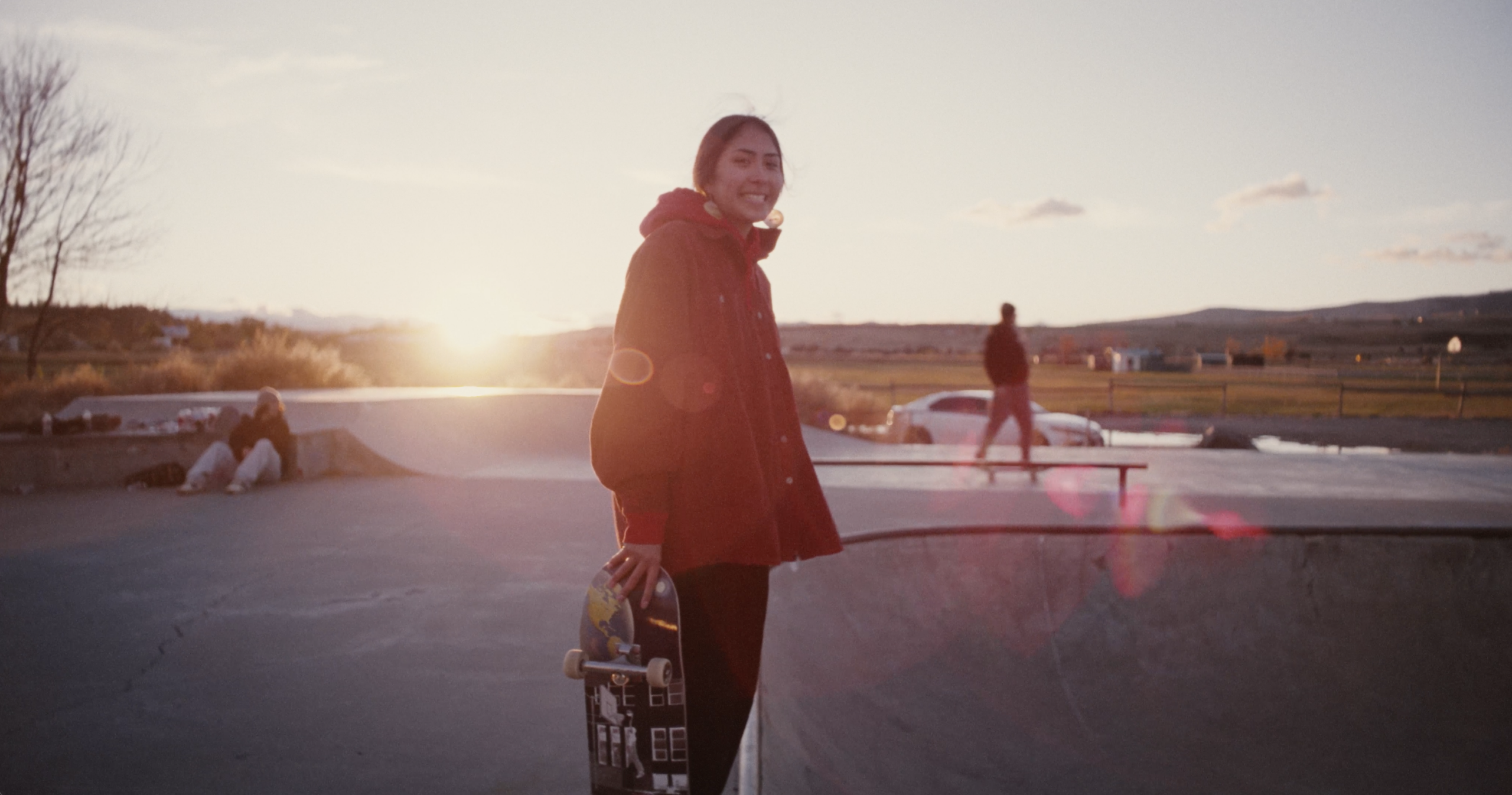
Skateboard parks on reserves are ‘cultural engines’ for Youth: short film
In ‘Paving the Way,’ skateboarding becomes a way for young people to make art, build friendships, and carry grief together
-
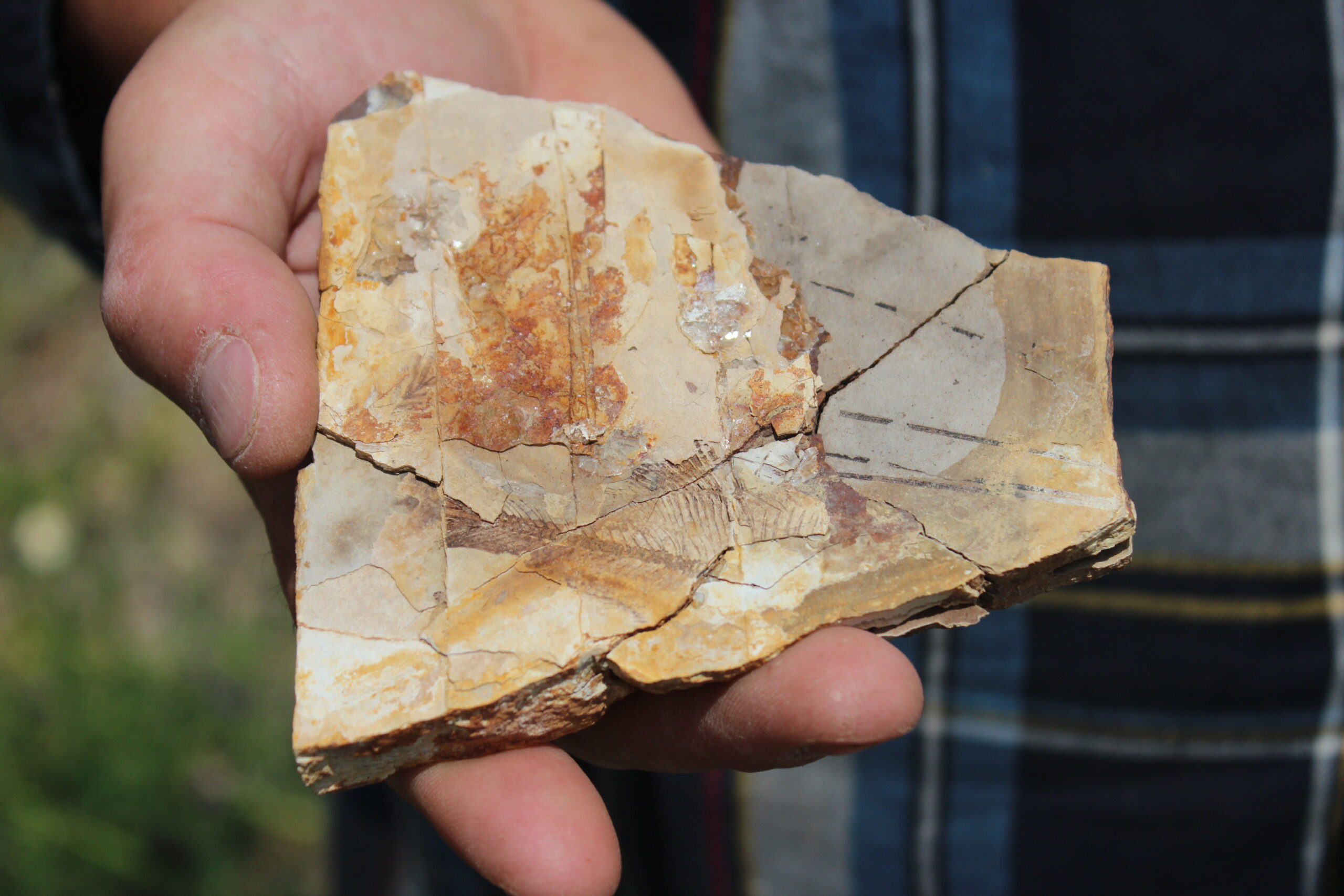
Secwépemc stewards preserve culture, history of a 53-million-year-old forest
Community-led trails, tours and a cultural centre are part of Bonaparte First Nation’s vision for the McAbee Fossil Beds in Secwépemcúl’ecw