As disasters worsen, Indigenous peoples threatened by a ‘crisis communication gap’
From climate emergencies to earthquakes, frontline Indigenous communities are especially vulnerable — but too often left out of emergency decision-making, Dionne Phillips reports from UN meetings in Geneva
This story is published through the Indigenous News Alliance.
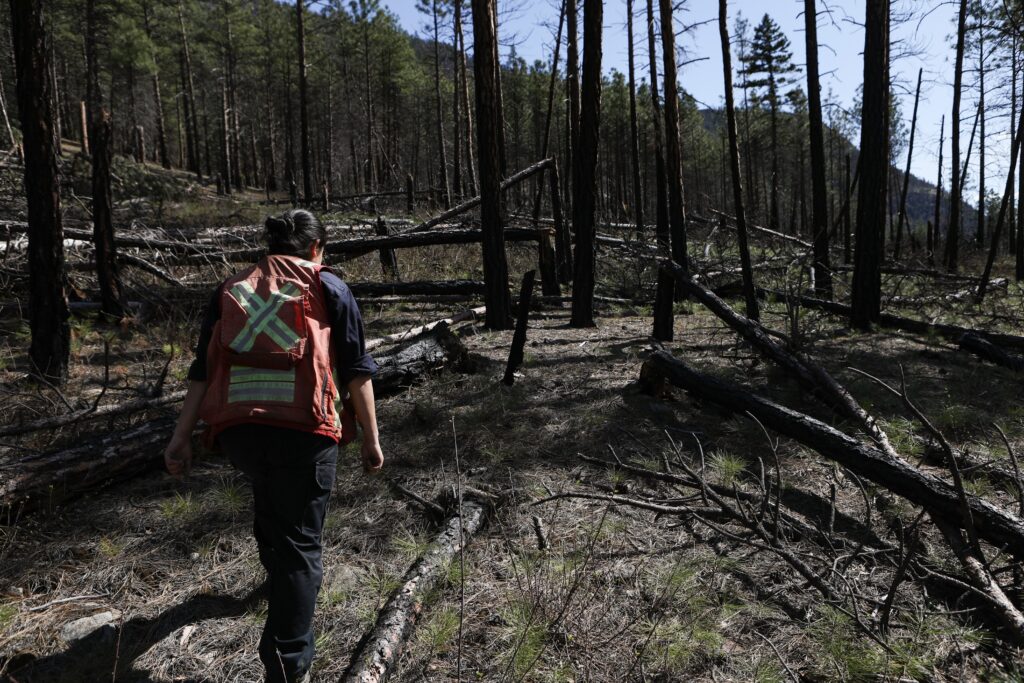
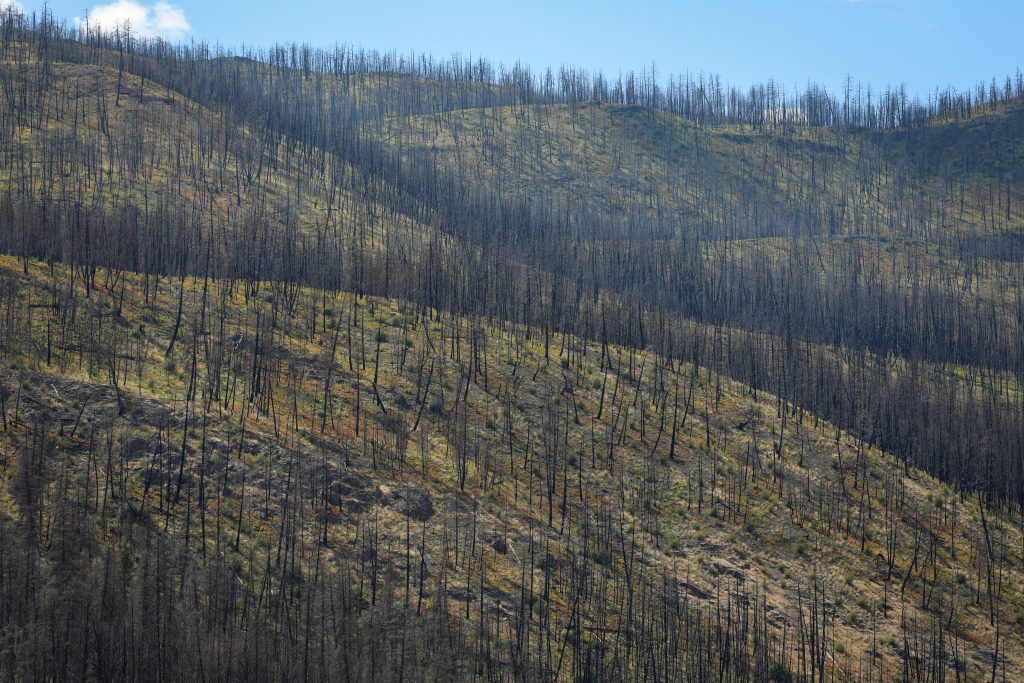
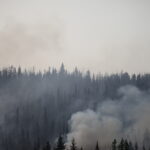
In April, after an out-of-control wildfire threatened the remote Xeni Gwet’in First Nation in “B.C.,” local governments issued evacuation alerts.
The fire quickly spread to 250 hectares, before being extinguished a few days later, and the evacuation alert was rescinded.
Although Xeni Gwet’in’s nearly 500 residents were relieved, the crisis was a reminder of what many Indigenous leaders say is governments’ inadequate emergency communications with Indigenous communities.
Authorities do not provide alerts in the Tŝilhqot’in language, the only one spoken by many Elders in Xeni Gwet’in, and the mother tongue of nearly 650 people in the larger Tŝilhqot’in Nation.
This adds an additional layer of difficulty during disasters because many families look toward their Elders to make decisions in important moments.
“Our Elders are who we look to for support,” said Chantu William, a Youth Policy Program Development Co-ordinator in Xeni Gwet’in.

William explained that the nation’s forestry crew and community volunteers must give alerts to Elders directly.
And for larger disasters, this community-led approach is not always enough, and Indigenous peoples are left waiting for emergency services to respond.
“It would be nice if we had those preventative things on our own already,” William said.

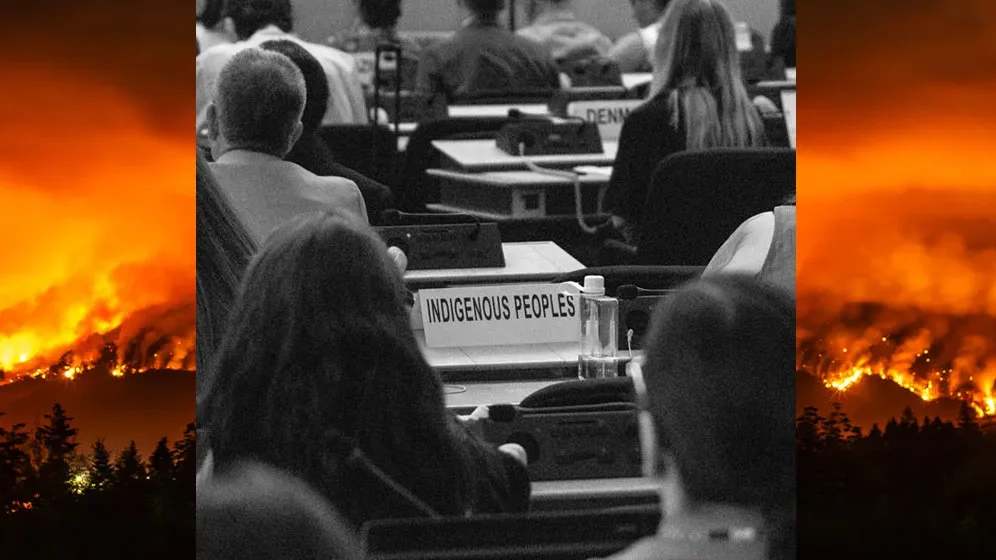
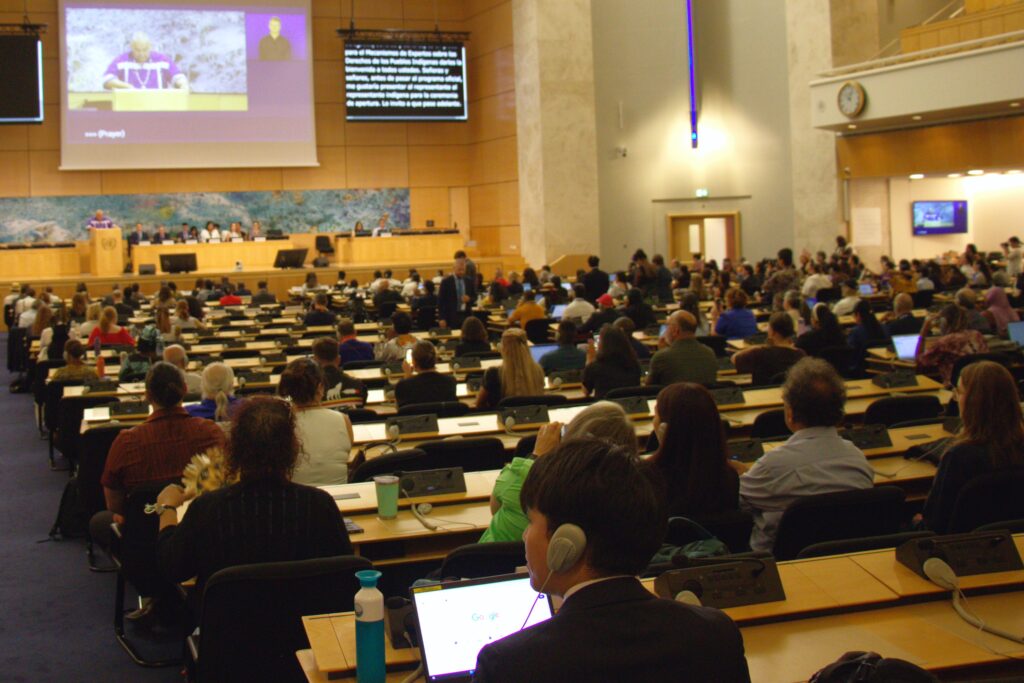
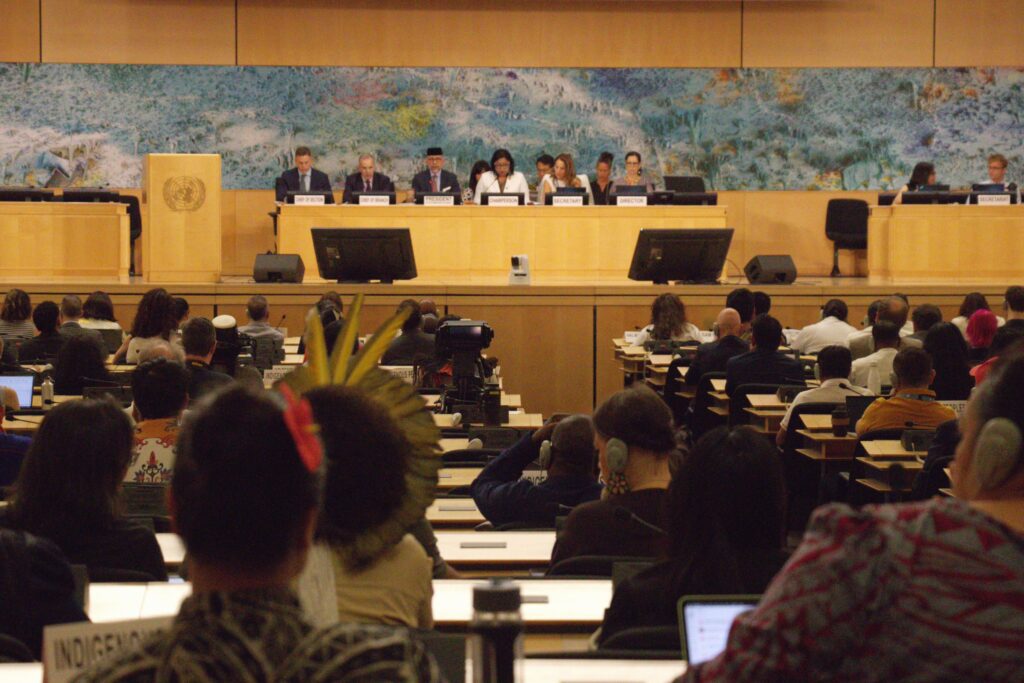
At the UN Expert Mechanism on the Rights of Indigenous Peoples (EMRIP) — which is meeting in Geneva this week — Indigenous peoples are calling attention to inadequate resources, poor communication, and unsafe conditions amidst natural disasters like wildfires, floods, and extreme weather.
Delegates are urging local and national authorities to consult directly with them to better protect Indigenous lives and lands from the ravages of the climate crisis.
With climate change contributing to the escalating length, frequency and severity of natural disasters, there is an urgent need for Indigenous input — to help mitigate the increasingly regular emergencies in their already vulnerable communities.
‘A continuation of centuries of colonial domination’
At EMRIP’S 18th session last year, the UN Human Rights Council decided to prepare a study on the Rights of Indigenous Peoples in conflict and post-conflict situations.
After more than 80 submissions from states, national human rights institutions, Indigenous people and non-governmental organizations, the expert mechanism developed a draft Study and advice on the rights of Indigenous Peoples in conflict and post-conflict situations.
Speaking at EMRIP’s session on Monday, chairperson Ojot Miru Ojulu — from the Anywaa minority ethnic group from Ethiopia’s Gambella region — spoke about violent conflict and the people it impacts.
He said the study analyses the interconnected legal frameworks of the United Nations Declaration on the Rights of Indigenous Peoples (UNDRIP), international human rights law, environmental law, and transitional justice standards.
“For Indigenous peoples, conflict is not limited to armed violence,” he says.
“Conflict also includes structural conditions that systematically deny Indigenous peoples’ ability to exercise their rights.”
He notes other types of conflict can also include the denial of the right to self-determination, discrimination, and exclusion from decision-making.

Viliuia Choinova from Republic of Sakha (Yakutia) addressed EMRIP to discuss the litany of issues Indigenous Peoples face in the Russian Federation, many of which could fall under the broader conflict definition.
“Conflict is not only a matter of armed violence,” she said in her statement spoken on behalf of the Sakha Policy and Advocacy Center. “It is a continuation of centuries of colonial domination.
“Our territories continue to face unchecked extractive industries, environmental destruction, and the erosion of our languages, cultures and traditional ways of life.”
While Yakut is a recognized state language alongside Russlan, the decline in speakers of the language has been noticeable.
In an interview, Choinova spoke on the changes in Sakha sovereignty — including the legal equality of Indigenous languages with Russian, — which she says is no longer the case.
“We are indoctrinated to believe that Russian is the language of profession, education, higher education,” she says.
Citing recent data, Choinova says Yakut has degraded compared to the past.
“My language was considered one of the more stable ones,” she says,“but as it turns out, that it’s degrading really fast.”

‘Up to 6.5 billion people risk exclusion’
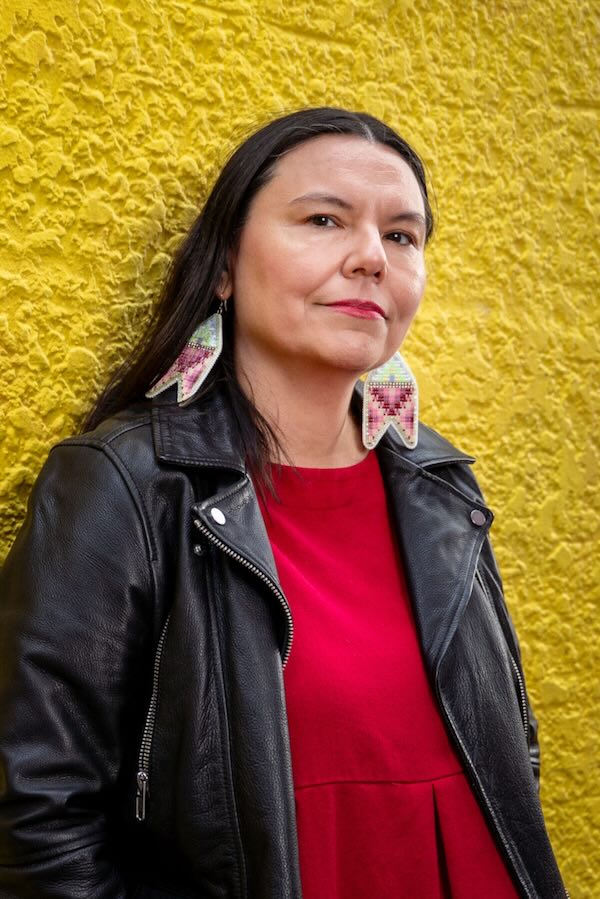
In a submission to an EMRIP conflict study from Simon Fraser University, graduate communications researcher Sara Wilson warned the international community that Indigenous Peoples face a “crisis communication gap.”
Wilson previously worked in communications for the Province of B.C.’s forest, land and natural resources department, and also serves as a senior communications associate with the National Centre for Truth and Reconciliation.
Her research what she calls the “structural inequalities” in crisis situations including “chronic infrastructural underfunding, the erasure of Indigenous languages from public systems, and the exclusion of Indigenous governance from emergency decision-making structures.”
Citing natural disasters in “Canada,” including the 2016 Fort McMurray wildfire and the 2021 Lytton Creek Wildfire — both of which burned through entire communities — as well as the 2023 Yellowknife wildfire and catastrophic floods in the Kashechewan First Nation, Wilson said each instance revealed dangerous communication failures.
In the After Action Review following the 2023 wildfires in the Northwest Territories (NWT), the report listed numerous concerns about how authorities communicated with Indigenous individuals whose first language is not English.
The territory’s Official Languages Act recognizes 11 languages. But the government’s alerts came in only English and French, disregarding more than 80 per cent of the languages spoken in the territory.
The Government of NWT (GNWT) says it fosters a working relationship with Indigenous governments, organizations and communities through which it plans to “co-develop and establish bilateral emergency and communications protocols, as requested, before the 2026 wildfire season.”
The government did not respond to emails regarding what stage of the process they were at by the time of publication.
Its website notes that in the interim, it have “developed an Emergency Response Event Communication Protocol with Indigenous Governments to ensure clear communication between Indigenous Governments and the GNWT during emergency events.”
In a white paper published earlier this year by Climate Cardinals — a youth-led climate organization working to break language barriers in the climate movement — the authors discussed the overwhelming majority of scientific publications all over the world written only in English.
The paper states that without language justice, “up to 6.5 billion people risk exclusion from climate policy, disaster preparedness, and access to critical information.”
‘A significant disconnect’
In Aotearoa (New Zealand), Māori communities have been hit by increasingly devastating storms and other extreme weather such as Cyclone Gabrielle in 2023.
The storm showcased the changes needed in the preparation and alerts of disasters.
A research study through the women’s non-profit Te Whāriki Manawāhine O Hauraki highlights numerous barriers during disaster response.
Through interviews and focus groups with members of Hauraki Māori communities — as well as senior managers and field personnel from the Thames Coromandel District Council — the researchers recorded responses and made recommendations.
A key finding of the study noted “a significant disconnect between the ecological wisdom of Māori communities and the governance strategies of the Thames Coromandel District Council.”
“A truly effective response requires more than collaboration, it demands a Tiriti-based framework where Māori exercise decision-making authority over disaster preparedness and response in their own communities.”
The study notes the quick mobilization to set up community centres utilizing traditional knowledge by the Hauraki Māori communities as its own disaster response.
Wilson’s submission reiterates the need for pre-crisis collaborations and planning while upholding Indigenous governments as the primary decision making authorities.
‘Best for community members, our Youth, our Elders, our women’
In “Canada,” another layer of concern are barriers applying for third-party funding to support community-led services by Indigenous communities — for instance the First Nations’ Emergency Services Society of B.C.
It describes itself as the “organization that communities reach out to for support and delivery of essential emergency and forest fuel management programs and services.”
Communicating in Indigenous languages is one of the SFU report’s recommendations, but it also considers starting in those languages before translating into English.
William argues for the increased effectiveness of crisis communications when emergency policies are actually created in “Tŝilhqot’in first then translated to English, she writes, “because of the richer meaning in our language.”
This speaks to the importance of Elders and Tŝilhqot’in language speakers in their communities.
Emergency service policies are on the list of upcoming projects to keep all community members informed, she adds, as a continuation of their community-led effort to build awareness and prepare for future disaster.
William adds that she is hopeful Youth will continue getting involved in language learning, “making sure that we’re doing the best for community members, our Youth, our Elders, our women.”
Author
We live in a media ecosystem that thrives on misinformation. Big Tech and AI companies are consuming the work of real human beings and Canadian news has been banned on Facebook and Instagram.
And yet, I have hope for journalism because of the work we’re doing at IndigiNews.
At IndigiNews, we embody tâpwêwin — the Cree value of integrity and responsibility in truth-telling. We are committed to our independent, Indigenous-led newsroom rooted in community, accountability, and relationality. We believe storytelling is a sacred fire that connects our pasts, presents, and futures through the storytellers in our Storytelling Lodge. IndigiNews creates space for Indigenous journalists, storytellers, Knowledge Keepers, and communities to gather, learn, and share stories that matter.
As a registered charity, we are building a fire that allows our work not just to ignite but to thrive. Rather than relying on advertising or corporate acquisition, IndigiNews is sustained by people like you who believe Indigenous stories are important for the future of our communities.
Your support is making a real difference.
Our community of supporters, our Firekeepers, make it possible to grow our newsroom, publish award-winning journalism, train emerging Indigenous journalists through initiatives like the ReFocus Photojournalism Fellowship, and publish trustworthy stories that serve our communities across the country. Every story we publish helps fill in gaps left by mainstream media and ensures Indigenous perspectives are represented with care, accuracy and respect.
But there is still more work to do.
As the media landscape becomes more and more uncertain, community support is as necessary and essential as it’s ever been. Every new Firekeeper helps protect the independence of our newsroom and strengthens journalism that is accountable to our many and varied communities over corporations.
That’s why we’re inviting you to become a Firekeeper.
Firekeepers tend to and protect the sacred fire. Your monthly contributions directly support IndigiNews’s Storytelling Lodge, helps sustain our independent, Indigenous-led newsroom, and ensures future generations of Indigenous storytellers have the resources they need to do the work.
As a registered Canadian charity, all eligible donations receive a charitable tax receipt.
If you believe Indigenous stories matter, if you value independent journalism, and if you want to help build a strong future for Indigenous media, we invite you to join our circle of Firekeepers today.
Together, we can keep the fire burning.
— Eden Fineday, Publisher, IndigiNews
Support us nowLatest Stories
-
In the Okanagan desert, snakes offer lessons on protecting a fragile ecosystem
For two decades, researchers at the Nk’Mip Desert Cultural Centre have tracked snakes across syilx homelands — while helping people appreciate the often-feared creatures
-
Beloved on the powwow circuit, young boy’s connection to the drum inspires
Now four, Waseskwan Redcrow was dancing ‘before he could even fully walk’ — his family says participating in powwows has brought them joy and belonging