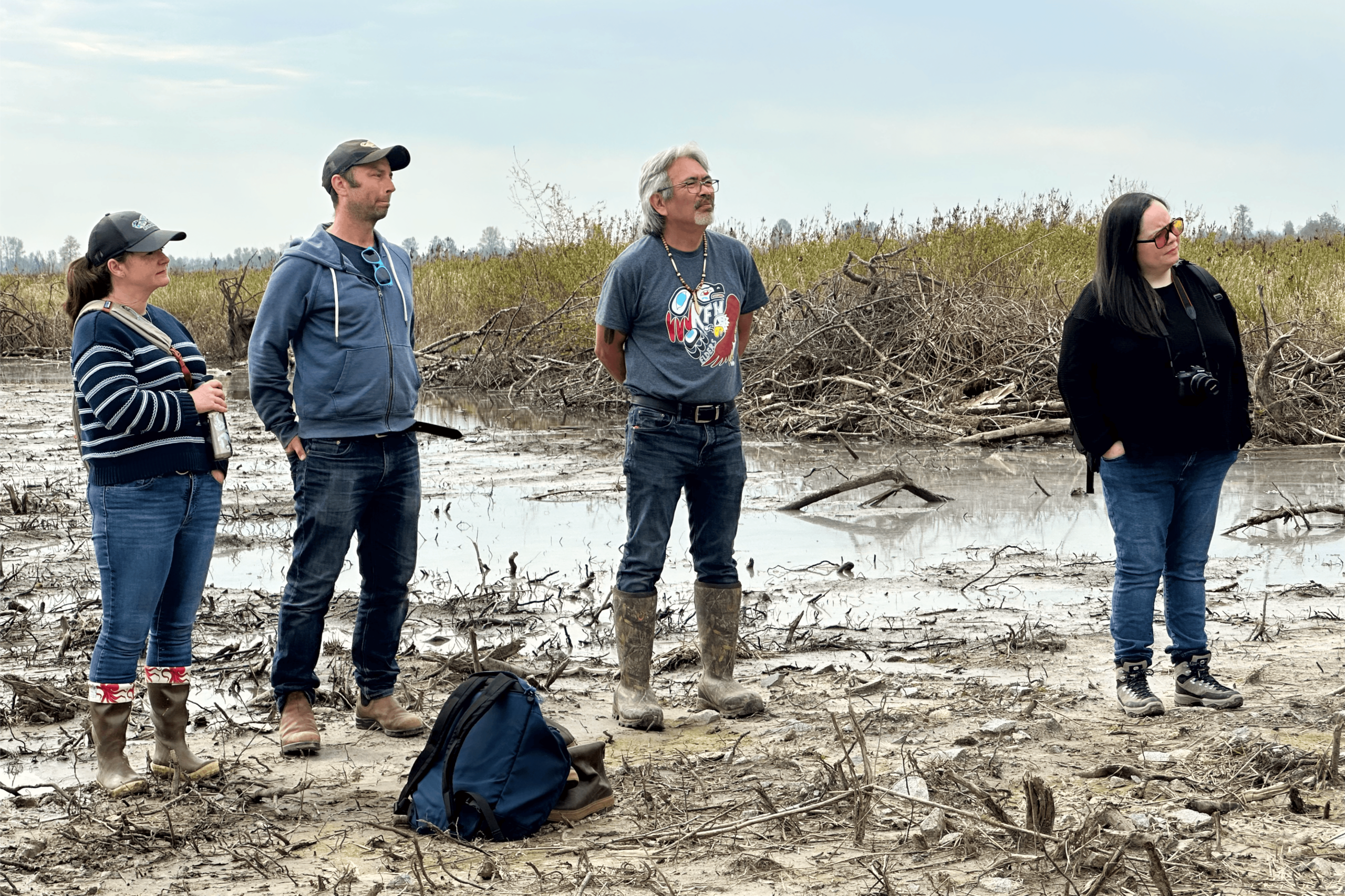
Chinook returned to their historical habitat for the first time in 70 years
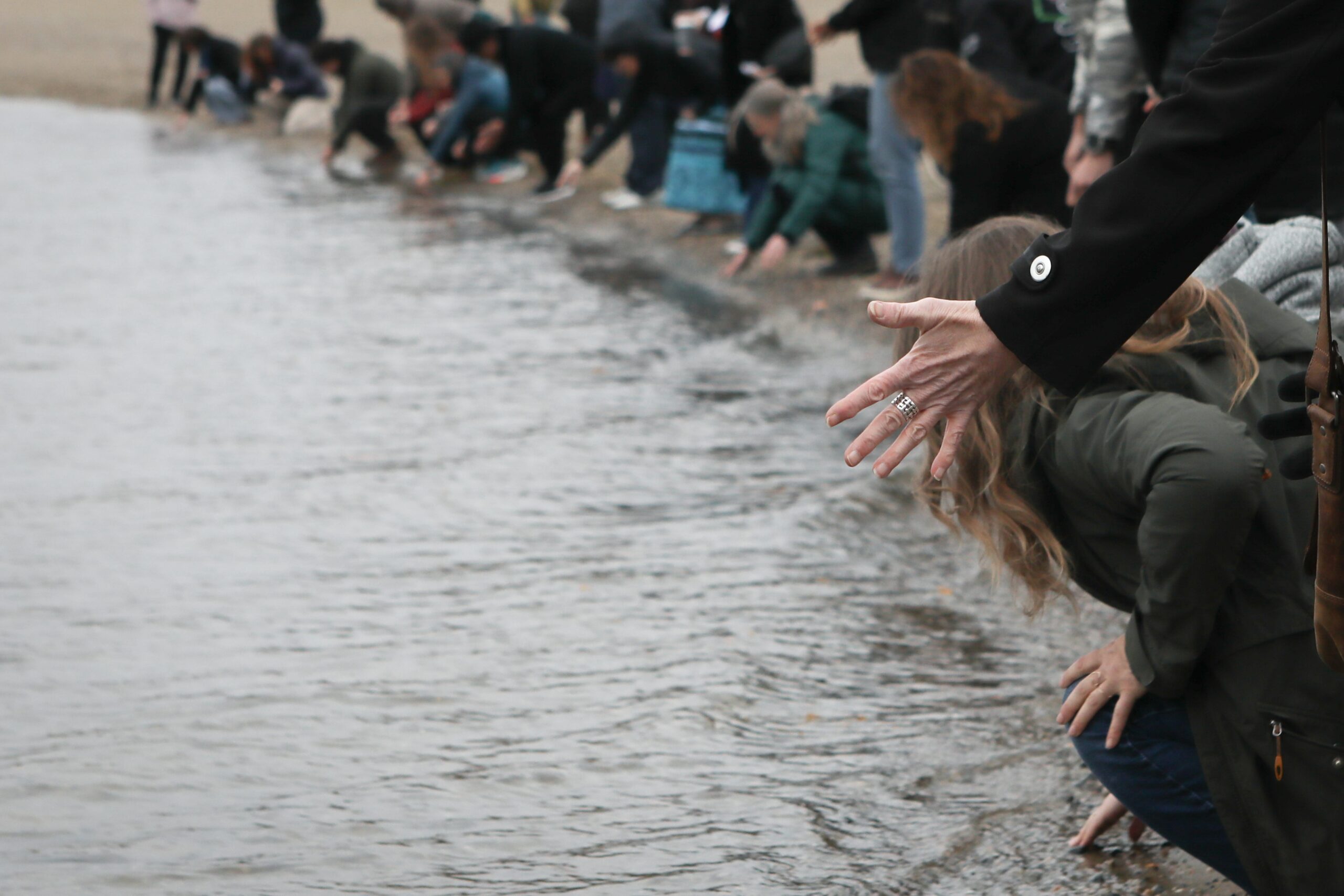
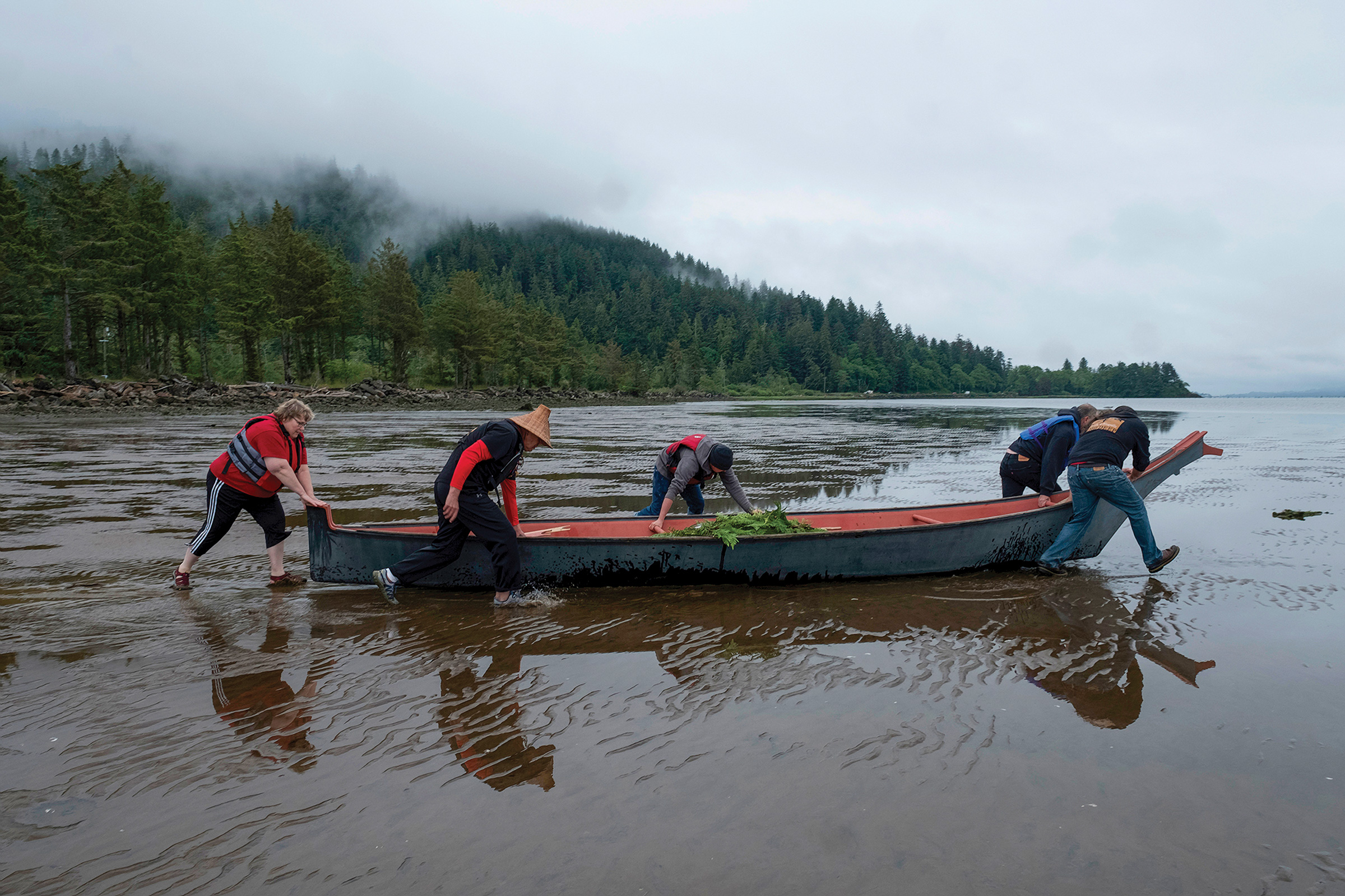
The Okanagan Nation Alliance conducted a ceremonial Chinook release at sx̌ʷəx̌ʷnitkʷ (Okanagan Falls) on April 20.

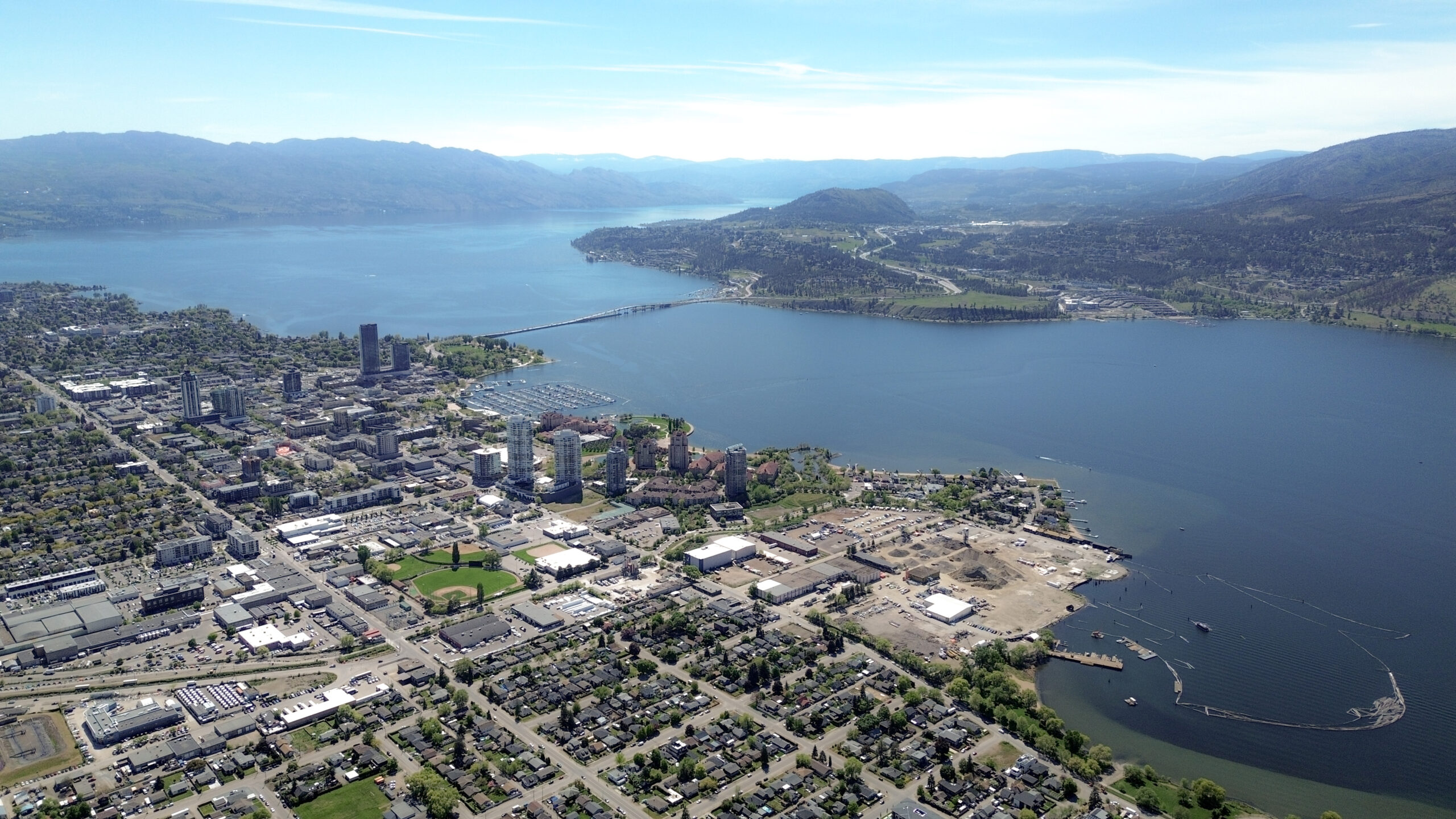
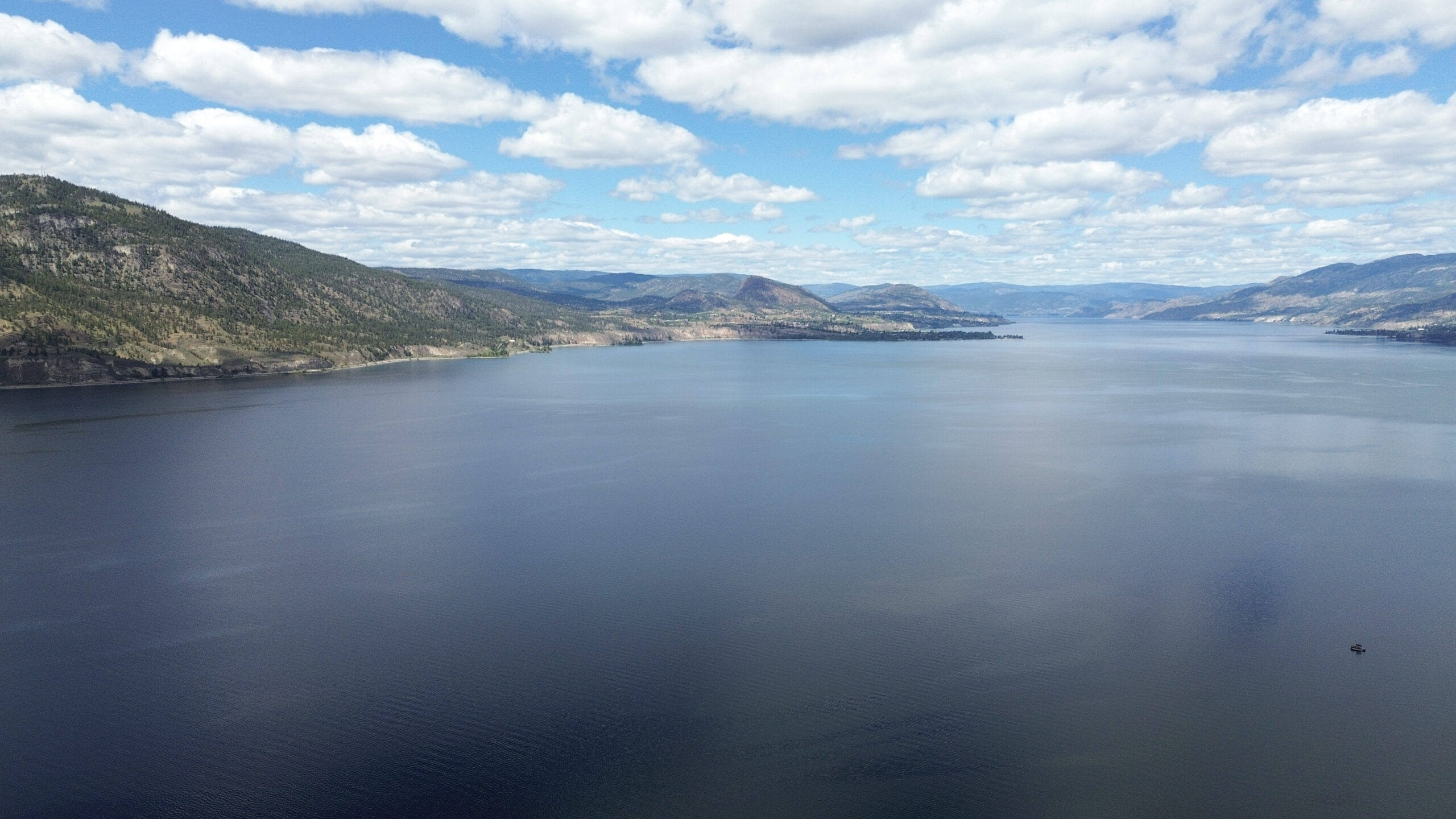
The Okanagan Nation Alliance (ONA) has reintroduced Chinook salmon above Vaseux Lake at sx̌ʷəx̌ʷnitkʷ (pronounced S-hoho-neet-kwa) Provincial Park — also known as Okanagan Falls — for the first time in 70 years.
“We are releasing Chinook back into their historical habitat,” says Herb Alec, hatchery building operator for the Penticton Indian Band.
The release — which took place on April 20 — was ceremonial, says Alec. They kept it small, planning “to release a lot more in the coming days and weeks.”
“We’re hoping to achieve the return of the Chinook… big enough numbers that the Okanagan people can go back to subsiding on them, living off them, using them for ceremonial purposes,” he says.
In previous years, the ONA has released Chinook salmon at multiple locations on Syilx Territory — in the Oliver area, along the Penticton river channel and at the En’owkin Centre — to increase their survival rate, he says.
“There are a lot of predators in Vaseux Lake, but this year we did things a little differently,” says Alec. “We raised these fish quite a bit bigger so that they can survive.”
Alec says he’s worked with the hatchery for seven years, and he feels called to be a steward of the water, replenishing fish stocks in the Okanagan’s lakes and rivers as his great-grandfather did.
“My great-grandfather was Martin Louie. He was the Salmon Chief for the Okanagan as well as the upper Columbia,” he says. “I feel like it’s a responsibility being passed down.
“Any time we bring fish back, it’s important to the culture.”
‘Chinook is one of our four food chiefs’
Thousands of years ago, Alec says sx̌ʷəx̌ʷnitkʷ was a big fishing site for Okanagan Nation members.
“It is culturally significant and that’s why we had a ceremony on it,” says Alec.
sx̌ʷəx̌ʷnitkʷ translates from nsyilxcən, the Syilx language, to English as “little falls.” Chief Clarence Louie of the Osoyoos Indian Band says the place has a cultural connection to the Kettle Falls in Washington state.
In 1915, Louie says the colonial government wrongfully took sx̌ʷəx̌ʷnitkʷ under the McKenna–McBride Royal Commission, without input or agreement from the Osoyoos Indian Band.
“This was our reserve number two,” says Louie. “[The government] took away a lot of reserve lands and this one was one of the most important fishing grounds for our people.”
Overall, this commission had a “significant impact on Indian peoples’ reserve land base by adding to, reducing and eliminating reserves throughout the province,” according to a summary of the commision by the Union of B.C. Indian Chiefs.
Last summer, IndigiNews reported on rising tensions between a local property owner, fishers from the Okanagan Nation and John Kruger, the former Penticton Indian Band Chief, around access to a traditional sx̌ʷəx̌ʷnitkʷ fishing spot.
“It’s very significant that we have access to our fish at all times,” says Louie.
“Chinook is one of our four food chiefs … It’s part of our heritage and culture and our people fished and gathered here for thousands of years, and it’s our responsibility to make sure the salmon come back.”
The biggest release of Chinook so far
The ONA has been releasing salmon in Okanagan river and lakes to replenish stocks since 2004.
On April 20, the ONA released approximately 500-1000 Chinook salmon into sx̌ʷəx̌ʷnitkʷ, says Alec.
They’re hoping to see 50-100 Chinook return “at most,” says Alfred Snow, a fishery technician with the ONA. In the future, as they release more Chinook into sx̌ʷəx̌ʷnitkʷ, they’re hoping to see 3,000-10,000 return, he adds.

This year, ONA released Chinook at several locations along the Okanagan River, which Snow says is “the biggest release of Chinook we’ve had so far.”
“There’s probably about 25,000 in total that will have been released from the hatchery,” he says.
The Okanagan Chinook population has been “designated as endangered,” says Elinor McGrath, the ONA fisheries biologist. She works closely with the Chinook salmon stock assessment and biological sampling program.
“My role is overseeing and enumeration of the Okanagan River and working on Okanagan Chinook recovery,” she says.
This year, a good portion of the Chinook have been tagged with small tags, she says, so they will be detected when they swim over receivers the ONA has placed at spots along the Okanagan and Columbia Rivers.
“We gain a lot of information on their migration behavior, their timing, their survival, where do they go, where might they be dying and what can we do about it,” McGrath says.
“When they come back in four or five years, we understand more information about their returns.”
The ONA is hoping to learn more about Chinooks’ life history, so that ultimately they can bring them back to their original spawning grounds.
“Chinook are important for our ecosystem and cultural reasons. They’re just amazing what they do,” says McGrath. “So personally, I feel that this is really important to maintain and recover these species.”
Author
We live in a media ecosystem that thrives on misinformation. Big Tech and AI companies are consuming the work of real human beings and Canadian news has been banned on Facebook and Instagram.
And yet, I have hope for journalism because of the work we’re doing at IndigiNews.
At IndigiNews, we embody tâpwêwin — the Cree value of integrity and responsibility in truth-telling. We are committed to our independent, Indigenous-led newsroom rooted in community, accountability, and relationality. We believe storytelling is a sacred fire that connects our pasts, presents, and futures through the storytellers in our Storytelling Lodge. IndigiNews creates space for Indigenous journalists, storytellers, Knowledge Keepers, and communities to gather, learn, and share stories that matter.
As a registered charity, we are building a fire that allows our work not just to ignite but to thrive. Rather than relying on advertising or corporate acquisition, IndigiNews is sustained by people like you who believe Indigenous stories are important for the future of our communities.
Your support is making a real difference.
Our community of supporters, our Firekeepers, make it possible to grow our newsroom, publish award-winning journalism, train emerging Indigenous journalists through initiatives like the ReFocus Photojournalism Fellowship, and publish trustworthy stories that serve our communities across the country. Every story we publish helps fill in gaps left by mainstream media and ensures Indigenous perspectives are represented with care, accuracy and respect.
But there is still more work to do.
As the media landscape becomes more and more uncertain, community support is as necessary and essential as it’s ever been. Every new Firekeeper helps protect the independence of our newsroom and strengthens journalism that is accountable to our many and varied communities over corporations.
That’s why we’re inviting you to become a Firekeeper.
Firekeepers tend to and protect the sacred fire. Your monthly contributions directly support IndigiNews’s Storytelling Lodge, helps sustain our independent, Indigenous-led newsroom, and ensures future generations of Indigenous storytellers have the resources they need to do the work.
As a registered Canadian charity, all eligible donations receive a charitable tax receipt.
If you believe Indigenous stories matter, if you value independent journalism, and if you want to help build a strong future for Indigenous media, we invite you to join our circle of Firekeepers today.
Together, we can keep the fire burning.
— Eden Fineday, Publisher, IndigiNews
Support us nowLatest Stories
-
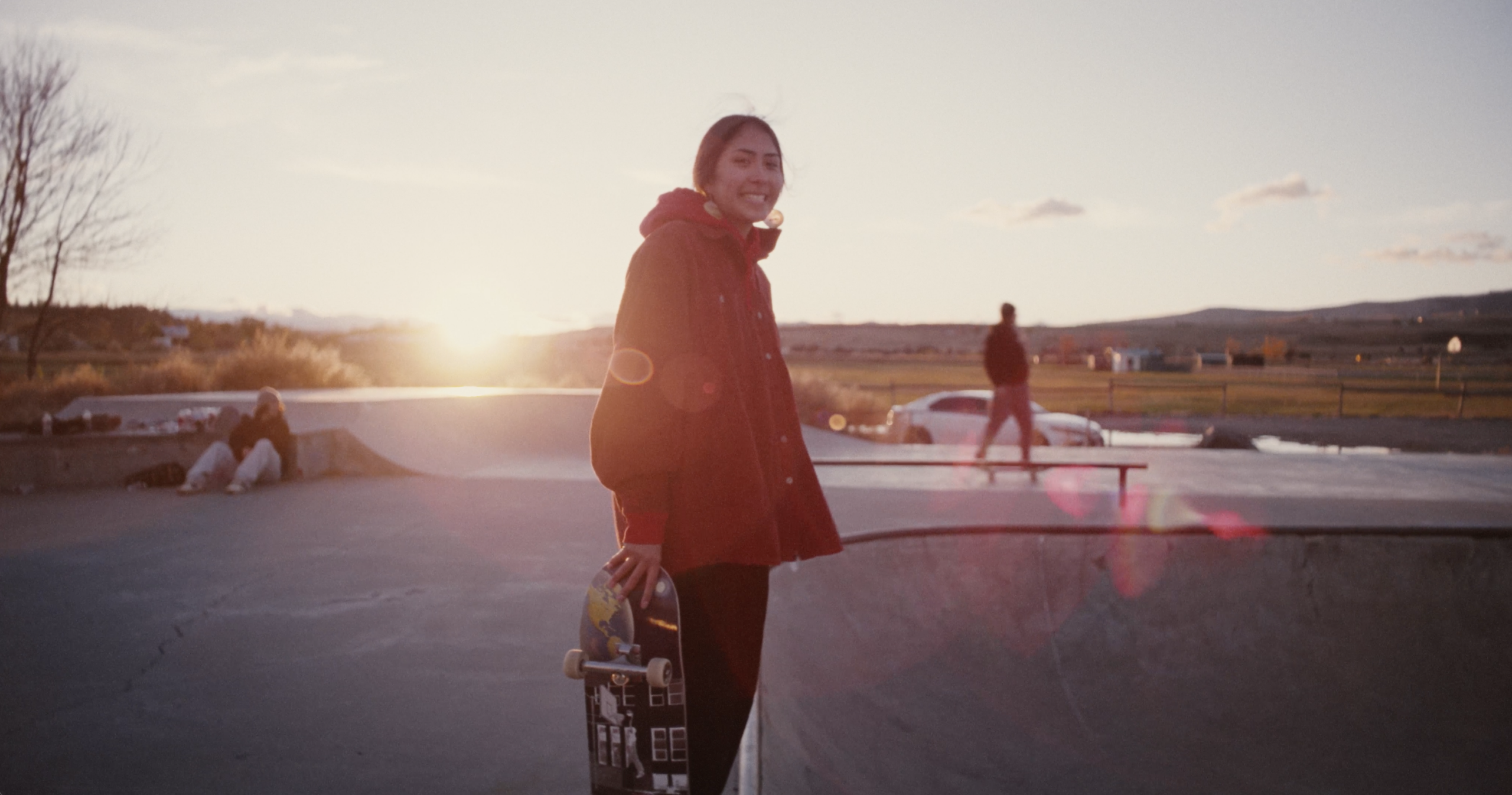
Skateboard parks on reserves are ‘cultural engines’ for Youth: short film
In ‘Paving the Way,’ skateboarding becomes a way for young people to make art, build friendships, and carry grief together
-
Secwépemc stewards preserve culture, history of a 53-million-year-old forest
Community-led trails, tours and a cultural centre are part of Bonaparte First Nation’s vision for the McAbee Fossil Beds in Secwépemcúl’ecw