Indigenous people demand more say at the UN, as new crises hit their homelands
Indigenous nations live ‘on the frontlines’ of climate, conflict and new tech. But their voices remain sidelined in the global halls of power.
This story is published through the Indigenous News Alliance.
In Sápmi (northern Scandinavia), the Arctic is experiencing warming temperatures four times faster than other regions, disproportionately hurting the livelihoods and culture of the Sámi people — particularly their access to vital traditional natural resources such as reindeer and salmon.
As temperatures warm, for example, snow is melting then refreezing at an accelerating rate — forming ice that prevents reindeer from reaching their food supply underneath. More and more of the species are starving as a result.
“Those impacts in nature are severe for our culture and livelihoods,” said Tuomas Aslak Juuso, vice-president of the Sámediggi (Sámi Parliament) of “Finland,” in an interview.
The Sámi are the only officially recognized Indigenous people in the European Union.
Their population, estimated between 80,000 and 100,000 people, spans “Norway,” “Finland,” “Sweden” and “Russia.”
Juuso — who was previously his parliament’s elected president — also sits on the Sámiráđđi (Saami Council), a body of 15 delegates from Sámi organizations in all four countries.
Sámi parliaments also co-ordinate across borders through the Sámi Parliamentary Council.
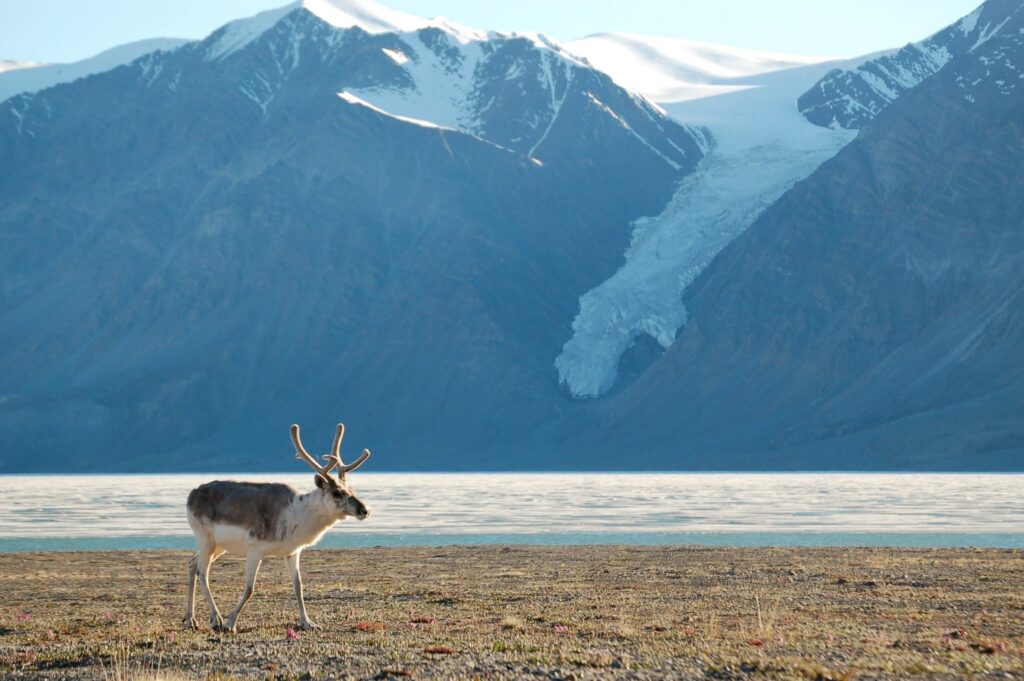
A recent report by the Finnish Meteorological Institute highlights warming winters and fewer months with permanent snow cover, with more and more snow days replaced with rain.
“So survival of reindeer and then survival of our livelihoods [and] cultures is then questioned,” Juuso said, during meetings of the United Nations Expert Mechanism on the Rights of Indigenous Peoples (EMRIP) in Geneva last week.
Reindeer are a particularly important species to his people, he explained; along with the animal husbandry, the ungulates are also used for handicrafts including clothing and weapons.
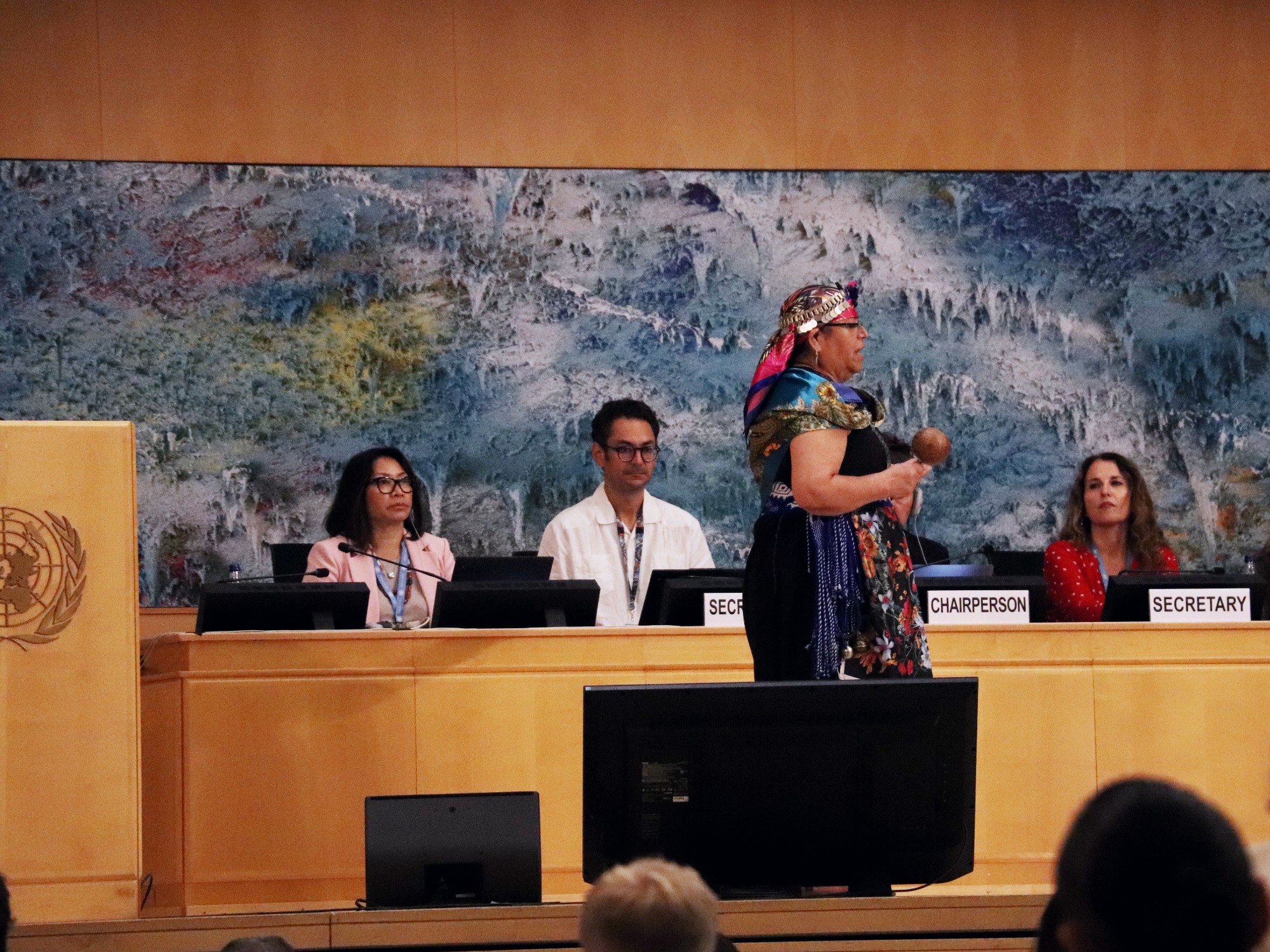
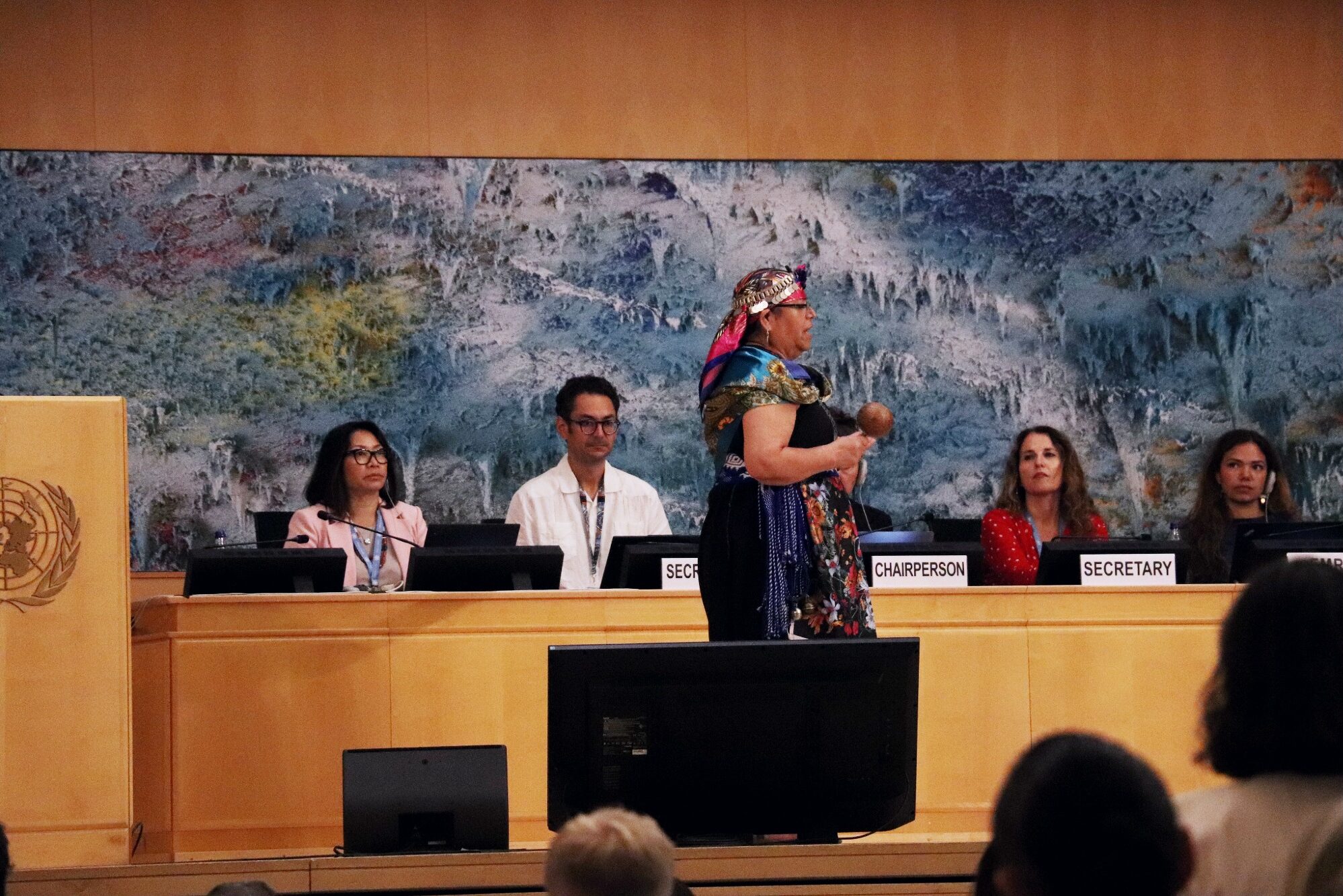
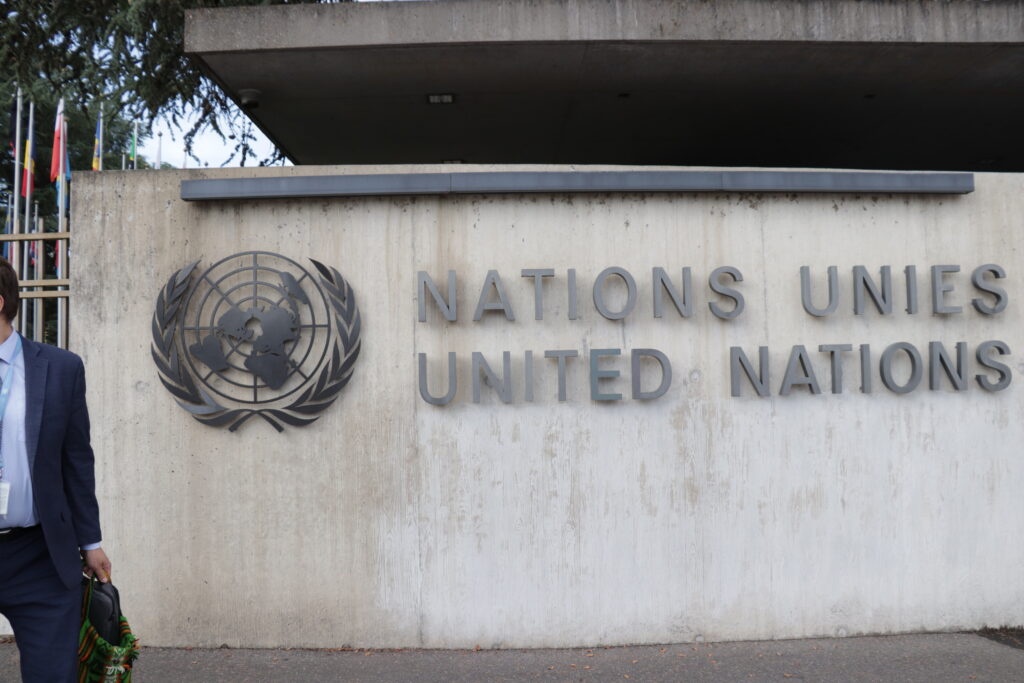
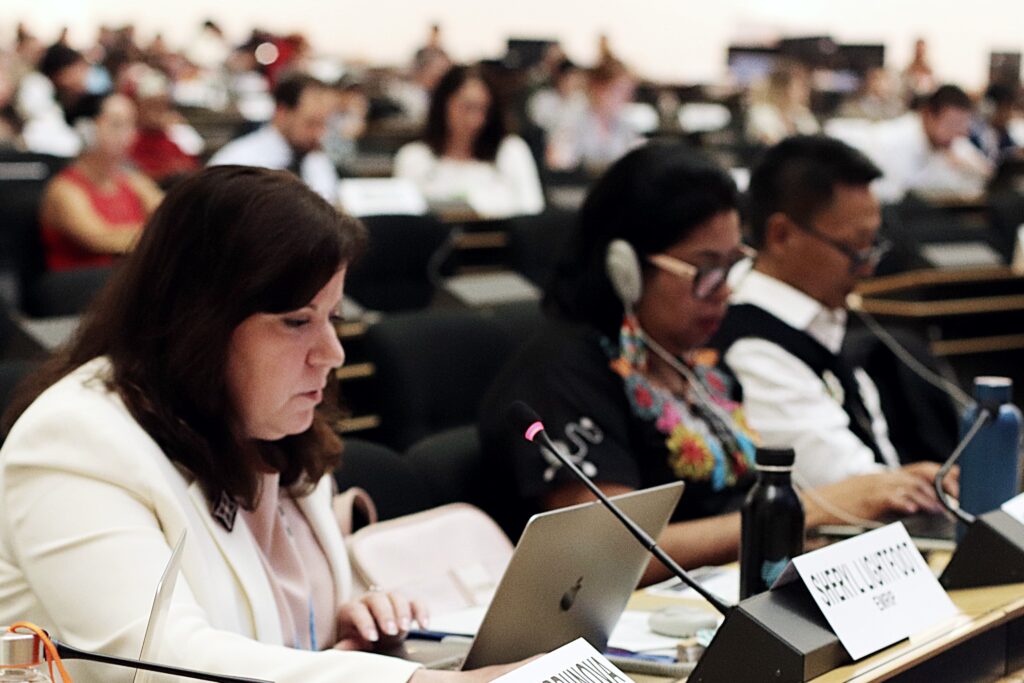
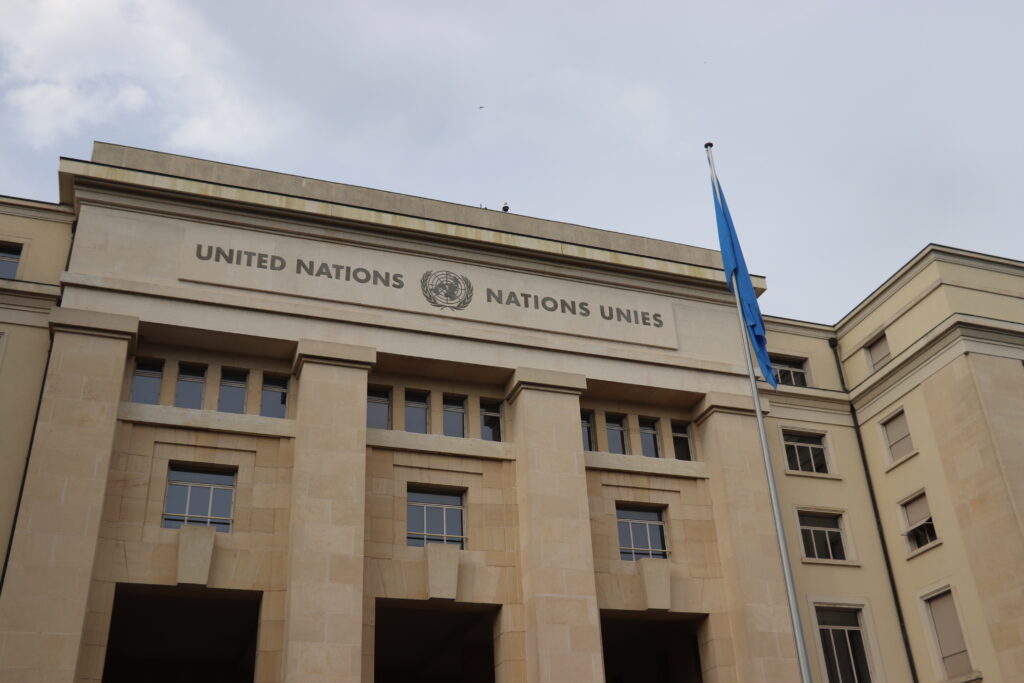
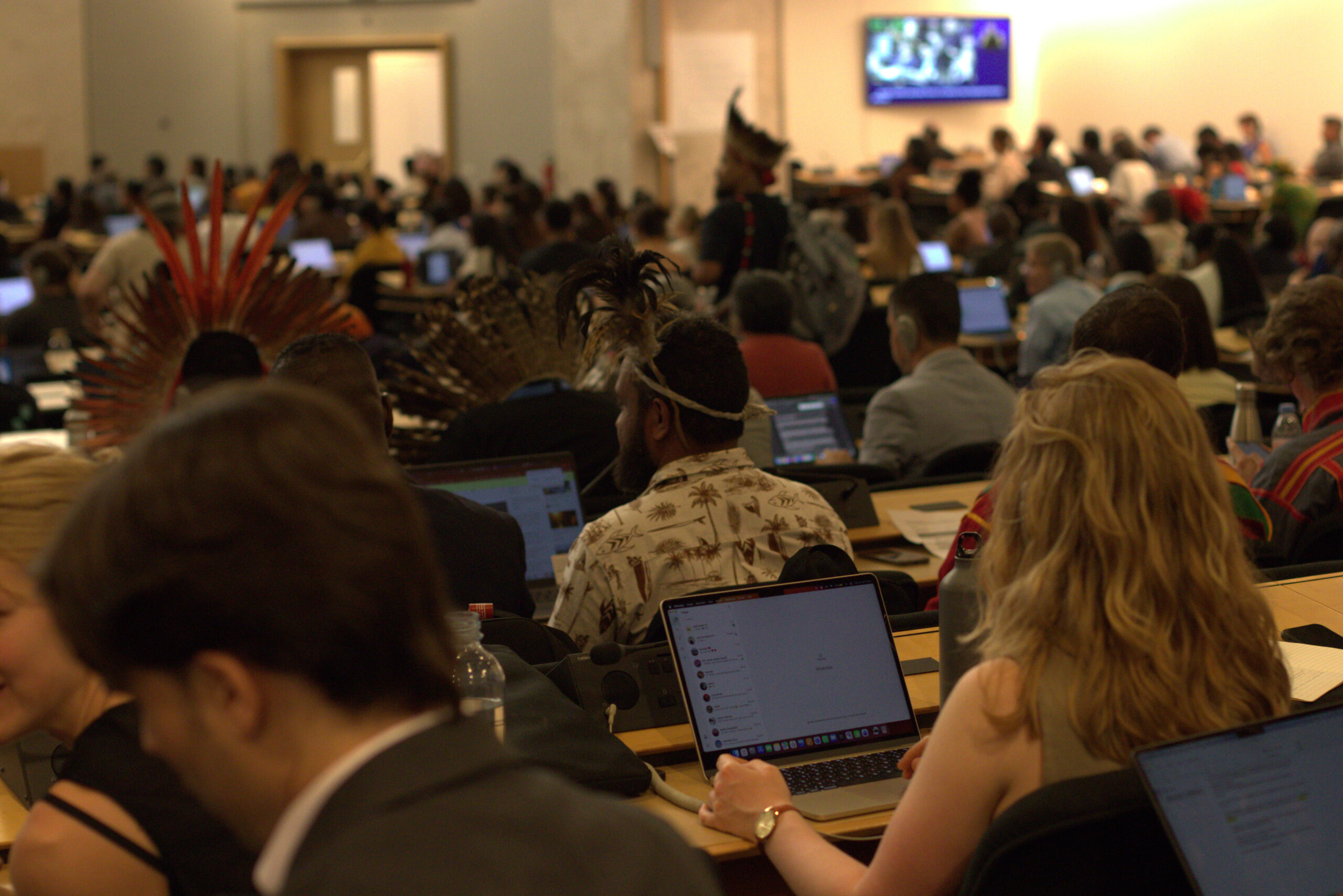
Hundreds of Indigenous people gathered at the UN’s headquarters in Geneva for EMRIP’s annual meetings.
They discussed everything from the climate change to continued colonialism, and other issues impacting their homeland.
But one common thread throughout the gathering — and across hundreds of cultures represented there — was the unified demand for a greater voice in international negotiations and decision-making.
International forum essential, but barriers remain
At EMRIP’s 19th session, delegates discussed what changes they felt are needed to ensure UN member states respect Indigenous people’s rights, land and cultures — in hopes of issuing recommendations on improving human rights protections.
On Wednesday, attendees took part in a session titled “Enhancing the participation of Indigenous Peoples in the United Nations.”
For the Sámi people, having the opportunity to discuss these issues on the international stage is essential, Juuso said — but there are still barriers to their ability to participate.
Multiple delegates at the meetings accused their states of prioritizing economic growth and development at the expense of land degradation.
A new study in Ecological Economics journal — based on surveys of nearly 160,000 people in 92 countries — found three-in-five favour environmental protection over economic growth.
Having Indigenous voices heard internationally benefits all humanity, many EMRIP delegates emphasized — especially since the body’s recommendations are provided directly to UN member states.
Speaking out collectively, and showing mutual solidarity across similar struggles, underscores the importance of Indigenous Peoples’ efforts for self-determination and defending their territories, delegates said.
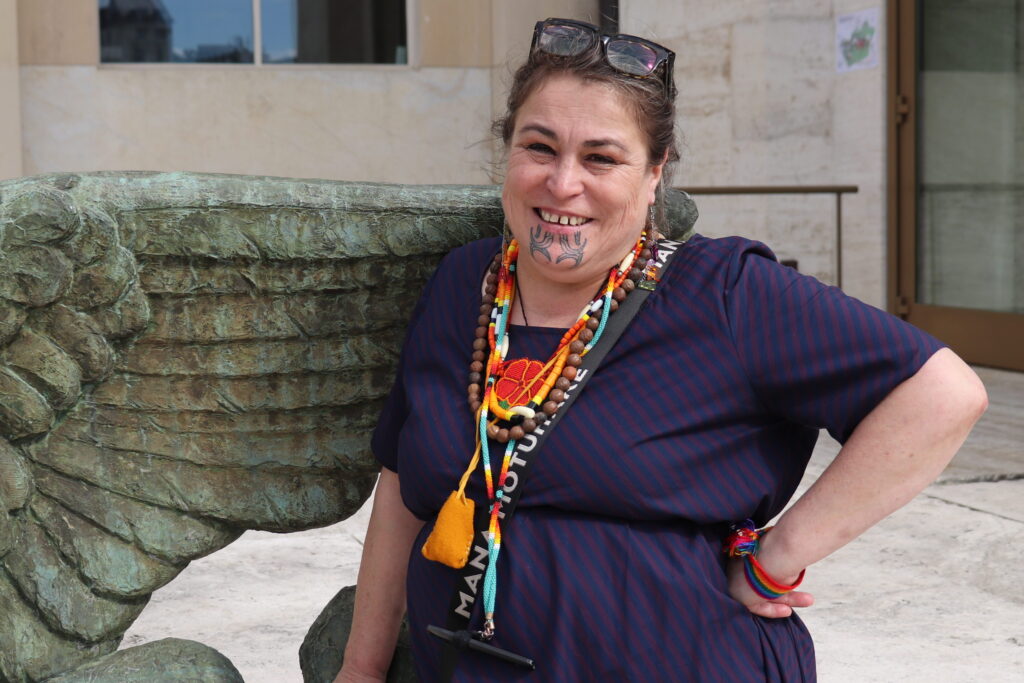
“There’s a real sense of solidarity and common purpose,” said Kym Hamilton, from the iwi (Māori nations) of Ngāti Kahungunu, Ngā Rauru, and Ngāti Raukawa in Aotearoa (New Zealand).
For nearly a decade, she has been involved with the Aotearoa Independent Monitoring Mechanism for UNDRIP — a group whose members are nominated by their iwi.
“At EMRIP, there’s a lot more opportunity, I think, to meet and engage and collectivize,” she said.
Colonial nation-states dominate UN
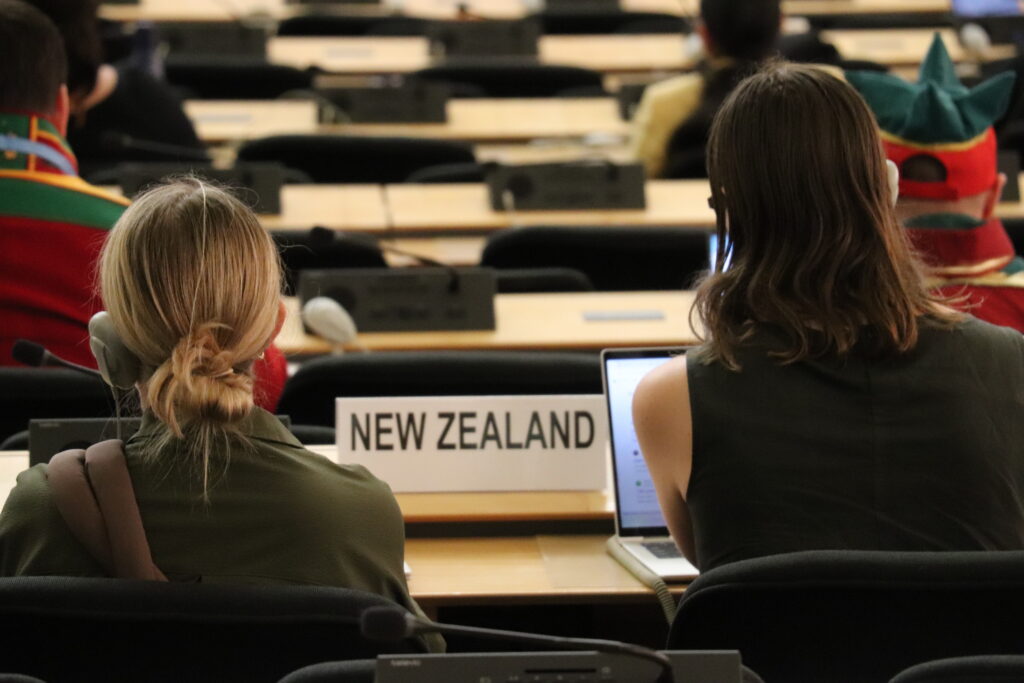
One of the biggest barriers identified is restrictions on who can take part in UN events — even those directly dealing with tribal issues and concerns — such as the UN Declaration on the Rights of Indigenous Peoples (UNDRIP) and the UN Human Rights Council, which oversees EMRIP.
Member states are automatically granted access to UN gatherings, and can easily express their views, and explain their progress on implementing their international commitments under UNDRIP and other agreements.
But Indigenous advocates say the voices of the peoples directly involved are seldom heard at international forums.
The current UN structure requires participation through either a member state, or a registered civil society agency — for instance a non-governmental organization (NGO), academic institution, or accredited Indigenous organization.
For some Indigenous peoples hoping to attend such high-profile forums, this does not always encompass all the ways they organize themselves.
Agencies like EMRIP can advise states on strengthening human rights and Indigenous voices.
They also offer a platform for communicating and collaborating between member states and Indigenous peoples, as they confront emerging challenges such as artificial intelligence, climate emergencies, and conflict.
“What we are trying to do is to get some implementation resources for us to adapt to the climate change,” Juuso said.
“With Finland, for example, we don’t have any adaptation resources on how to adapt to these situations.”
But to collectively tackle such challenges impacting Indigenous people everywhere, he notes, the UN’s accreditation process can be a stumbling block — including who it allows to officially take part.
“To be able to bring these issues forward to the global discussion, we would have to have the opportunity to participate,” he added.
“For us, as a representative institution, there isn’t actually any clear path to accreditate ourselves — and that leads to them trying to improvise, and try to find ways how we can accreditate ourselves.”
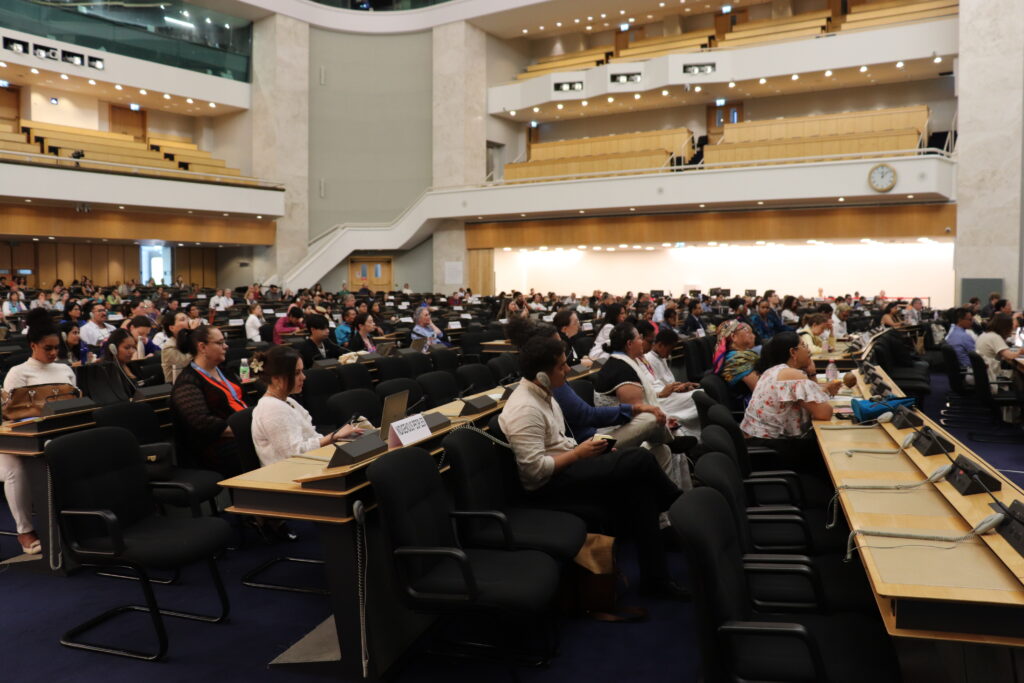
Enhancing Indigenous participation
In UN lexicon, “enhanced participation” is a catchphrase often used to describe efforts to elevate Indigenous Peoples’ voices in an international body otherwise dominated by states.
As part of a decades-long push for a seat at the table, delegates to EMRIP asserted the right to represent their own Indigenous communities in crucial global discussions impacting them.
They are also demanding more respect from member-state governments and other policy-makers, which they argue will better help them to survive conflict and other crises.
At this year’s meetings, Hamilton delivered an intervention statement on behalf of the National Iwi Chairs Forum, which represents 87 Māori nations.
Hamilton was one of the many delegates who spoke on the agenda item, and offered recommendations to enact the resolutions already on the international table, particularly the UN Human Rights Council, which established EMRIP in 2007.
“The question before us is no longer whether Indigenous peoples should participate more fully in the Human Rights Council,” Hamilton argued in her intervention.
“The question now is how quickly we will implement these commitments.”
Her recommendations to EMRIP’S expert members included setting a clear timeline on a resolution to create a new official status for Indigenous organizations to participate in UN proceedings, and appointing Indigenous and state co-facilitators with equal standing to lead the process.
She also urged the establishment of an independent and transparent accreditation mechanism, to prevent states from vetoing Indigenous representatives, and the voluntary fund and other initiatives to provide predictable and sustainable funding to take part.
In an interview, Hamilton said Indigenous Peoples must be allowed to participate fully in international deliberations, but that they have the right to decide who represents their communities themselves — not states.
“Governments don’t always tell the truth,” she said, citing the UN Human Rights Council’s Universal Periodic Review — which every member state must undergo every 4.5 years — which she said showed gaps between the reports governments submitted and the actual human rights situation within their jurisdictions.
She said direct Indigenous nations’ representation is essential, because Indigenous rights are “collective rights around our language, our culture, our land,” she said, different from other human rights she said are “individual rights.”
“We’re meant to be the United Nations,” she added.
“We’re meant to unite nations, and we recognize ourselves as nations. We are not organizations.”
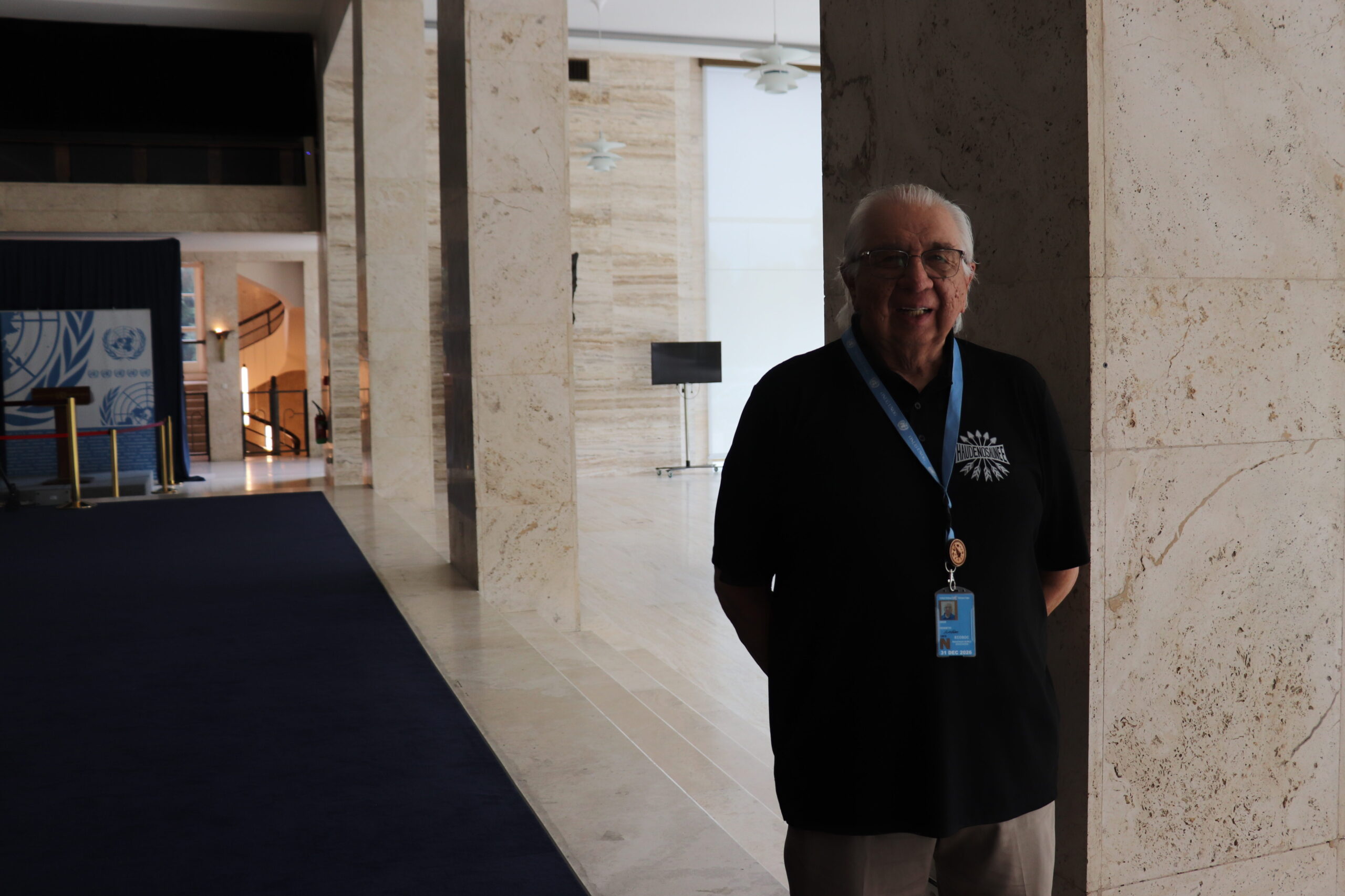
This point was echoed by Kenneth Deer, a member of the Mohawk Nation at Kahnawà:ke and longtime UN advocate.
“The government never speaks ill about itself,” he said in an interview.
“You can’t let government speak for us.”
The National Congress of American Indians (NCAI) also gave recommendations to EMRIP, in a statement demanding increased accommodation for Indigenous people to take part.
“Recognition and participation of Indigenous peoples must accommodate the numerous ways we identify, organize, and represent ourselves,” said NCAI’S president Mark Macarro, who also serves as Tribal Chairman of the Pechanga Band of Indians in “California.”
“It is essential that we participate directly in matters of global concern that affect our environment, health, human rights, and unique rights as Indigenous peoples.”
Their action items include measures already outlined in previous reports, and providing all technical, financial, and human resources needed to expand Indigenous People’s participation.
Leading up to EMRIP’s 19th session this week, participants — including representatives from states, Indigenous Peoples’ Organizations, and NGOs prepared what they called a “zero draft” discussing ways to increase Indigenous participation at UN sessions.
Rapid changes ‘on the frontlines’
Delegates speaking at the meetings also identified other barriers to meaningful international participation.
For example, communications technology within remote communities presents challenges to joining global deliberations.
Additionally, there are significant financial barriers for under-resourced communities when UN forums are held far from their homelands.
And as delegations travel from different countries, a lack of co-ordination can sometimes lead to “competing interests” in discussions, Hamilton noted.
Several attendees hoped to address such challenges through bolstering regional collaboration between Indigenous Peoples.
Hamilton said there have been discussions about holding a Pacific region meeting before future UN events.
This would help save their communities’ limited resources by working out shared strategies ahead of time — and help ensure that delegates are “not coming here with competing interests, or we’re really clear on what our common interests are.”
“We’ve got to try and balance immediate economic interests with longer-term environmental protections,” she said.
“I think we’ve got a responsibility to protect our descendants.”

The UN Voluntary Fund for Indigenous Peoples, which helps finance participants’ travels to UN forums, is also experiencing budget shortfalls, inhibiting many delegates’ ability to attend international events.
The fund is seen as an important way to help delegates attend from areas where governments do not recognize the citizens within their borders as Indigenous.
Sheryl Lightfoot, EMRIP’s “North America” region representative, is an Anishinaabe expert in Indigenous rights, global politics, and public policy, and previously served as the Canada Research Chair in Global Indigenous Rights and Politics.
The University of Toronto political science professor noted that states are not involved in how EMRIP officially recognizes Indigenous Peoples.
“Worldwide, there’s a need … of Indigenous peoples seeking just mere recognition of their existence from their governments,” she said.
“States seem to be more resistant now than they were 10 years ago to recognize that peoples are Indigenous peoples and have those rights attached to them.”
Kenneth Deer argued the reason some states refuse to recognize Indigenous identity within their borders is purely “political.”
“There are peoples who are obviously Indigenous,” he said, “but states do not want to recognize them as Indigenous for their own purposes.
“They don’t want to have the peoples having a right to self-determination — and that seems to be a big problem for some states.”
From climate to tech, new crises emerge
The destruction of lands — from deforestation in South America, to ice-melt in the Arctic, or the water and energy needed to feed artificial intelligence (AI) data centres — add to the long list of threats to Indigenous communities worldwide.
“Indigenous peoples are usually on the frontlines of those events that are happening so quickly around us,” Lightfoot said.
“And so livelihoods are impacted, economies are impacted, and people’s traditional and spiritual ways are impacted.”
That’s especially the case in the development of AI, Deer warned — which many Indigenous leaders have criticized as a new form of extractive industry.
“We have to learn how to protect ourselves [and] protect our traditional knowledge,” he argued.
“Because AI can take that traditional knowledge and send it anywhere, everywhere, and change it.”
For Hamilton, regulating AI shouldn’t only be about protecting traditional knowledge or data sovereignty; EMRIP should also consider the technology’s global environmental harms.
“One thing that was disappointing for me was really that a lot of the discussion in there focused on the positives and data sovereignty and data governance and ethics,” she said, “but very few also incorporated the climate impacts.”
Lightfoot agreed new technologies have wrought massive uncertainty — developments unforeseen when UNDRIP was signed nearly 20 years ago.
“This is something we could have never imagined in 2007,” she said. “That kind of technology didn’t exist yet — or at least we didn’t know that it existed.
“So these are new questions that keep coming forward.”
From ‘valuable input’ — to expert consensus
Lightfoot emphasized that EMRIP is a space for Indigenous delegates to talk freely and openly on any issues that affect them.
This encourages often-differing perspectives, and therefore offers UN agencies “valuable input” on how to better implement UNDRIP.
“Our job then is to come away, take a look at all of those inputs, examine the Declaration — not any particular articles necessarily, but as a whole,” she explained.
“We take a look at the Declaration, and as experts, then we’re supposed to offer some advice on what alignment with the Declaration means for that issue area.”
Lightfoot explained that, after discussions among EMRIP’s seven appointed experts, their challenge then is to reach consensus on what formal recommendations they will issue.
As extractive industries expand their reach and techniques — and AI continues its rapid evolution — delegates agreed there remains considerable uncertainty on how to make progress towards Indigenous rights in the coming era.

“What we’re seeing in a lot of our countries is regression of human and Indigenous rights,” Hamilton warned.
As Deer sees it, he’s witnessed many caucuses of Indigenous delegates at the UN doing important collaborations.
But he wishes they could have a higher profile — and find ways to participate in international decision-making, bringing their voice to the tables of power where it is needed.
“Indigenous peoples want to have a voice,” he said. “They want to be heard.”
Having diverse voices at the UN’s highest levels, he believes, would in fact improve the overall UN processes and system — to the benefit of all countries.
“What we need is the states, now, to agree to a process that was run by Indigenous people,” he said.
For Hamilton, hearing other Indigenous people from around the globe speak about how they’ve persevered through hardships has helped inspire and restore her hope, despite all the crises and challenges.
“I feel like there’s a real sense of … urgency and concern,” she said.
“We don’t want our grandchildren’s grandchildren to have to keep coming here and doing this stuff.”
Author
We live in a media ecosystem that thrives on misinformation. Big Tech and AI companies are consuming the work of real human beings and Canadian news has been banned on Facebook and Instagram.
And yet, I have hope for journalism because of the work we’re doing at IndigiNews.
At IndigiNews, we embody tâpwêwin — the Cree value of integrity and responsibility in truth-telling. We are committed to our independent, Indigenous-led newsroom rooted in community, accountability, and relationality. We believe storytelling is a sacred fire that connects our pasts, presents, and futures through the storytellers in our Storytelling Lodge. IndigiNews creates space for Indigenous journalists, storytellers, Knowledge Keepers, and communities to gather, learn, and share stories that matter.
As a registered charity, we are building a fire that allows our work not just to ignite but to thrive. Rather than relying on advertising or corporate acquisition, IndigiNews is sustained by people like you who believe Indigenous stories are important for the future of our communities.
Your support is making a real difference.
Our community of supporters, our Firekeepers, make it possible to grow our newsroom, publish award-winning journalism, train emerging Indigenous journalists through initiatives like the ReFocus Photojournalism Fellowship, and publish trustworthy stories that serve our communities across the country. Every story we publish helps fill in gaps left by mainstream media and ensures Indigenous perspectives are represented with care, accuracy and respect.
But there is still more work to do.
As the media landscape becomes more and more uncertain, community support is as necessary and essential as it’s ever been. Every new Firekeeper helps protect the independence of our newsroom and strengthens journalism that is accountable to our many and varied communities over corporations.
That’s why we’re inviting you to become a Firekeeper.
Firekeepers tend to and protect the sacred fire. Your monthly contributions directly support IndigiNews’s Storytelling Lodge, helps sustain our independent, Indigenous-led newsroom, and ensures future generations of Indigenous storytellers have the resources they need to do the work.
As a registered Canadian charity, all eligible donations receive a charitable tax receipt.
If you believe Indigenous stories matter, if you value independent journalism, and if you want to help build a strong future for Indigenous media, we invite you to join our circle of Firekeepers today.
Together, we can keep the fire burning.
— Eden Fineday, Publisher, IndigiNews
Support us nowLatest Stories
-
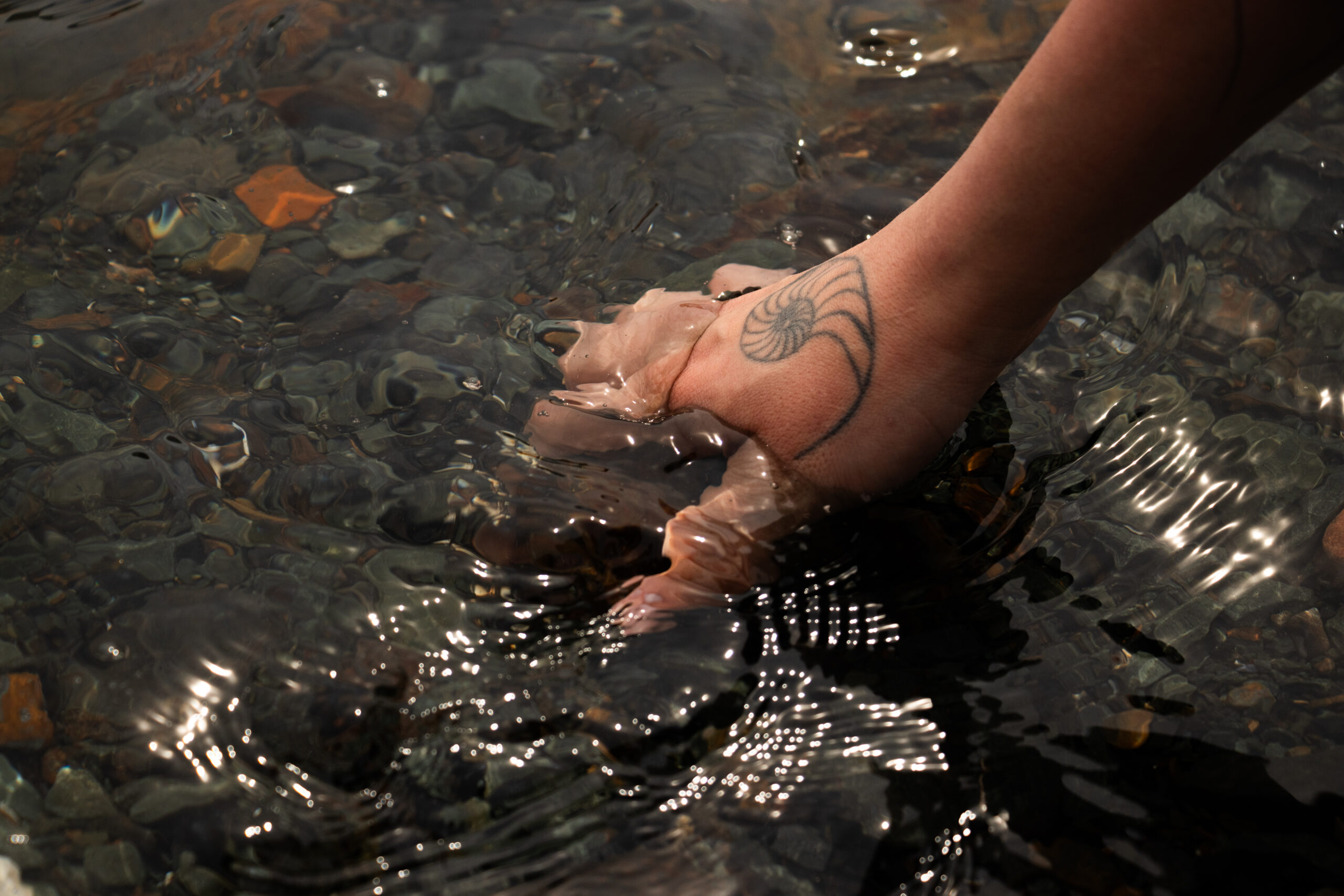
Through their lenses: Showcasing the work of our 2026 ReFocus fellows
Get to know our photojournalism training cohort through a series of portraits shot during a week in Kjipuktuk (Halifax)
-
AI data centers are booming. Indigenous People want help protecting their lands and knowledge
Indigenous leaders warn the UN that the rapid growth of artificial intelligence facilities threatens their rights