Looking back at 2025: A year of powerful Indigenous storytelling
The Academy Awards. Reporting at the UN. Healing horses. Three generations of salmon-protectors. Multiple awards. IndigiNews reflects on our biggest stories of the year


The year 2025 was a huge one for us at IndigiNews.
It was the year we became fully independent, launching our new parent company tâpwêwin media — finally becoming a publication entirely led and run by Indigenous women.
And once again, our team is proud to have been recognized by some of the country’s top journalism awards, too, including:
- Jack Webster Foundation’s community reporting award for Mike Graeme for his Tlingit border feature;
- A silver award from the Canadian Association of Journalists for Crystal Greene for her extensive coverage of missing Indigenous women and girls;
- A Canadian Online Publishing Award silver award for Dionne Phillips’s profile of the Secwépemc-led film Sugarcane;
- And a National Newspaper Award finalist for Paige Taylor White for her series on the All Native Basketball Tournament.
The year even saw editor Cara McKenna travel to the United Nations Permanent Forum on Indigenous Issues in “New York City,” she reported on the proceedings and met fellow members of the global Indigenous News Alliance.
The partnerships didn’t end there. We continued to collaborate on powerful stories with allied media across the continent, for instance:
- Investigating melting northern ice roads (with Grist in the “United States”);
- Witnessing Łingít herring fishers co-existing with grey whales (with “U.S.”-based High Country News);
- Revitalizing Stó:lō fish weirs (with the Narwhal);
- Honouring a missing Anishininew mother in “Winnipeg” (with Ricochet);
- Highlighting a massive Nlaka’pamux solar energy project (also with Narwhal).
We are ending the year with a blaze too — inspiring our growing community of allies to raise funds through our Firekeepers Campaign.
The fundraiser ends on Wednesday, Dec. 31. And it’s not too late to support IndigiNews with a donation, and help us make 2026 another inspiring year of sharing important stories.
But, for now, let’s look back and reflect on the year behind us. Here are 12 of our most memorable stories from 2025:
Meeting the makers of an Oscar-nominated, Sundance-premiered doc

One of our most popular stories of the year saw reporter Dionne Phillips delve deep with the people behind the widely acclaimed film Sugarcane.
The multiple-award-winning documentary investigated and exposed abuses at St. Joseph’s Mission residential “school” in Williams Lake, “B.C.”
After premiering at the esteemed Sundance Film Festival, Sugarcane earned awards and praise across the continent, culminating with an Academy Award nomination.
But even more importantly, Dionne wrote in February, the film became a source of pride for many people in Secwepemcúl’ecw and beyond, marking “an incredible moment to celebrate Indigenous storytelling.”
Investigating unpaid rent supplements for former foster Youth

In March, IndigiNews published an in-depth investigation into allegations the “B.C.” government had failed to give out its promised rent supplements for Youth from foster care.
Reporter Amy Romer spoke to Indigenous Youth who hadn’t gotten any of their expected help for their leases in more than a full year, uncovering a gap in provincial promises with potentially severe repercussions.
She spoke to experts concerned about the delays, and asked the government for an explanation.
In her reporting, Amy found that without the expected funds, Youth were left worried about whether they could keep their homes at all, amidst rising costs of living.
Tŝilhqot’in students and horses learn from each other

Dionne Phillips wrote an inspiring and hopeful story in March about how Youth are learning life lessons about patience, kindness and responsibility in Tŝilhqot’in territories — from horses.
Her article about the Tl’etinqox Equine Program explored the importance of horses in the nation’s culture and history.
The program — which takes place in Tl’etinqox (Anaham) — provides a total of 58 young people from Tl’etinqox and other Tŝilhqot’in communities with opportunities to learn about horses.
Incorporated into the Tl’etinqox First Nation School curriculum, each class attends a morning or afternoon during the week and they also have the opportunity to attend the after school program.
Horses are a significant animal to Tŝilhqot’in and other nations in the region, Dionne wrote.
But horses also offer Youth participants a sense of healing, pride and care for others.
“That’s probably the most important take away if they take anything,” explained program manager Paula Splichal, “just be kind.”
How Buffalo Woman was finally identified as an Anishininew mother

2025 also saw IndigiNews continued to spread our wings outside “British Columbia,” including publishing powerful dispatches from reporter Crystal Greene in “Manitoba.”
Her journalism brought ongoing attention to Indigenous demands to search “Winnipeg” landfills for missing Indigenous women and girls, a community-led struggle that forced the province to reverse course.
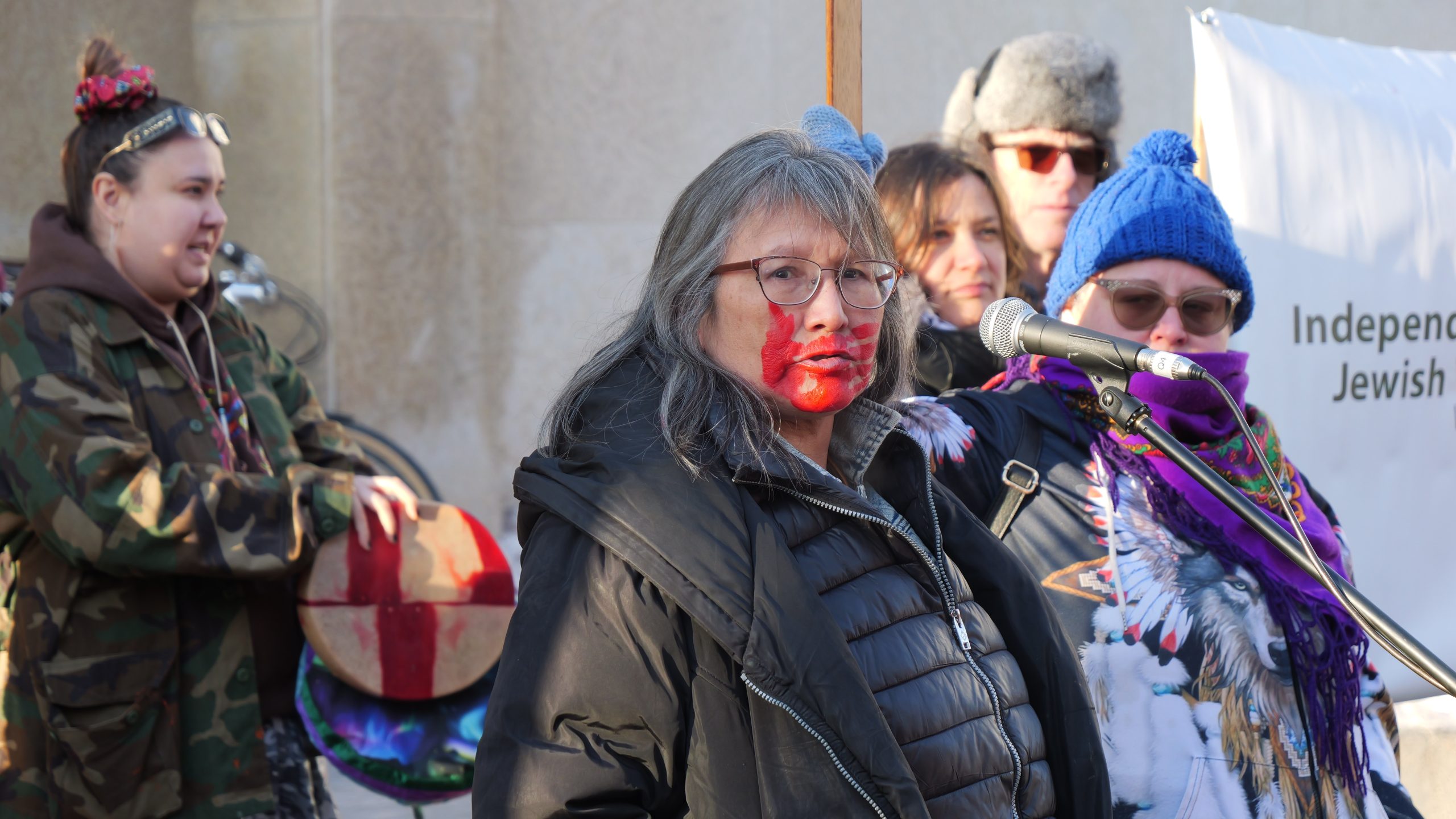
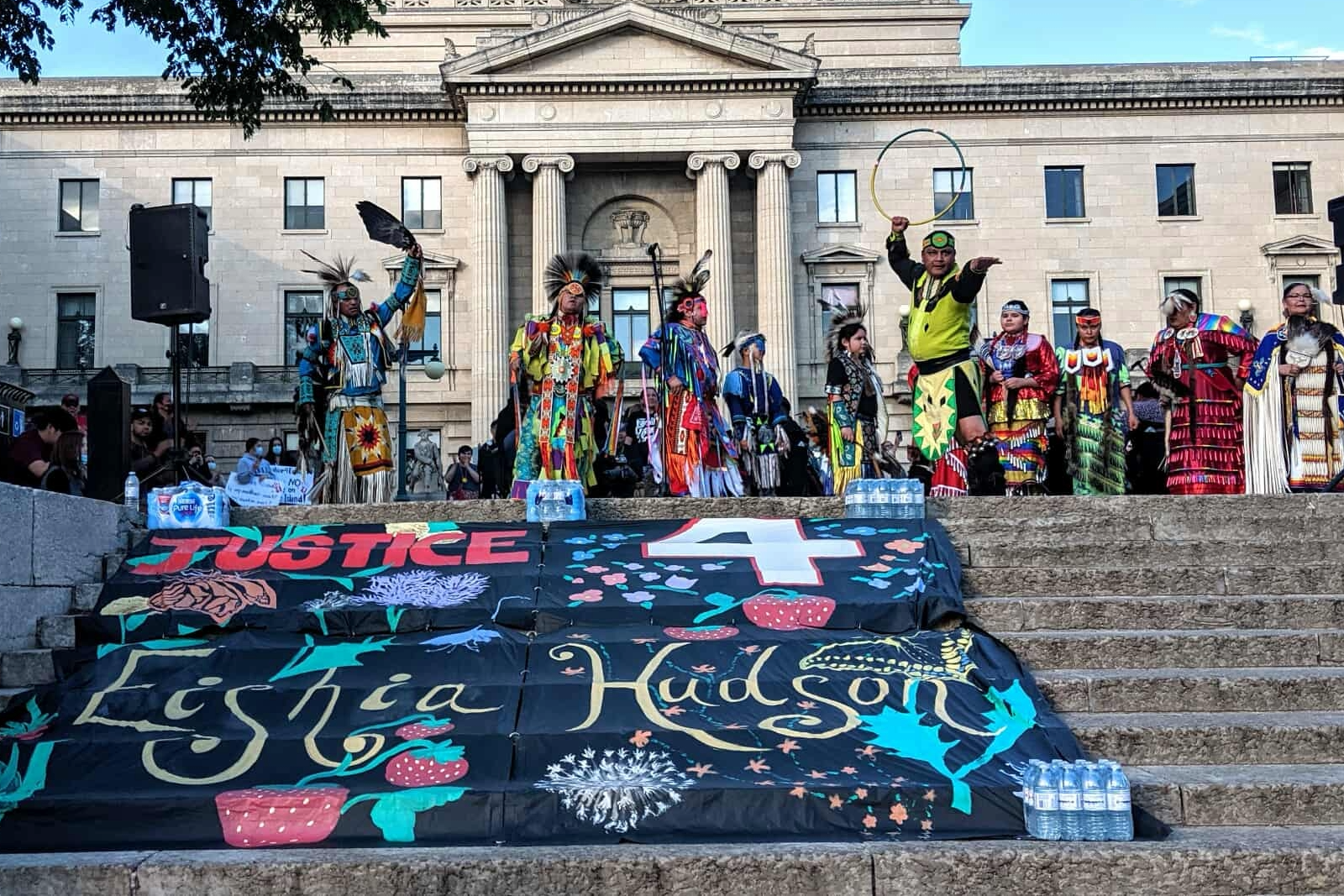
And in March, Crystal was on the ground with the family of one of those missing — previously only known as Maskode Bizhiki’ikwe (Buffalo Woman) — who was finally identified to the relief of her loved ones.
She was Ashlee Shingoose, her family said, an Anishininew (Oji-Cree) mother of three missing since 2022.
The news was of course devastating, but as Crystal reported, her family celebrated what they said was getting one step closer to finding closure and bringing their loved one home.
IndigiNews at the UN, where Tŝilhqot’in demanded toxic drugs action

In late April, thousands of Indigenous delegates and media from around the world converged in “New York City” at the headquarters of the United Nations.
IndigiNews was there too, represented by our editor Cara McKenna.
The massive gathering saw international and Indigenous leaders assemble for the UN Permanent Forum On Indigenous Issues.
It’s an important global event where Indigenous Peoples come together to call for change, fight for self-determination, and share their nations’ struggles and hopes across cultural lines.
One issue raised by delegations from “Canada” was the devastating and tragic impacts of the toxic drug supply, which has killed thousands of people, a disproportionate number of the victims Indigenous.
But as Cara reported, the solutions to the crisis are also Indigenous.
Tŝilhqot’in Nation Youth ambassador Sierra William told UN delegates that even though “death has been so normalized” throughout colonization — from smallpox to residential “schools” and now a toxic drug supply — there’s also hope in her culture.
“Self care for us is doing things to connect us to our culture, to our ways of life,” she said.
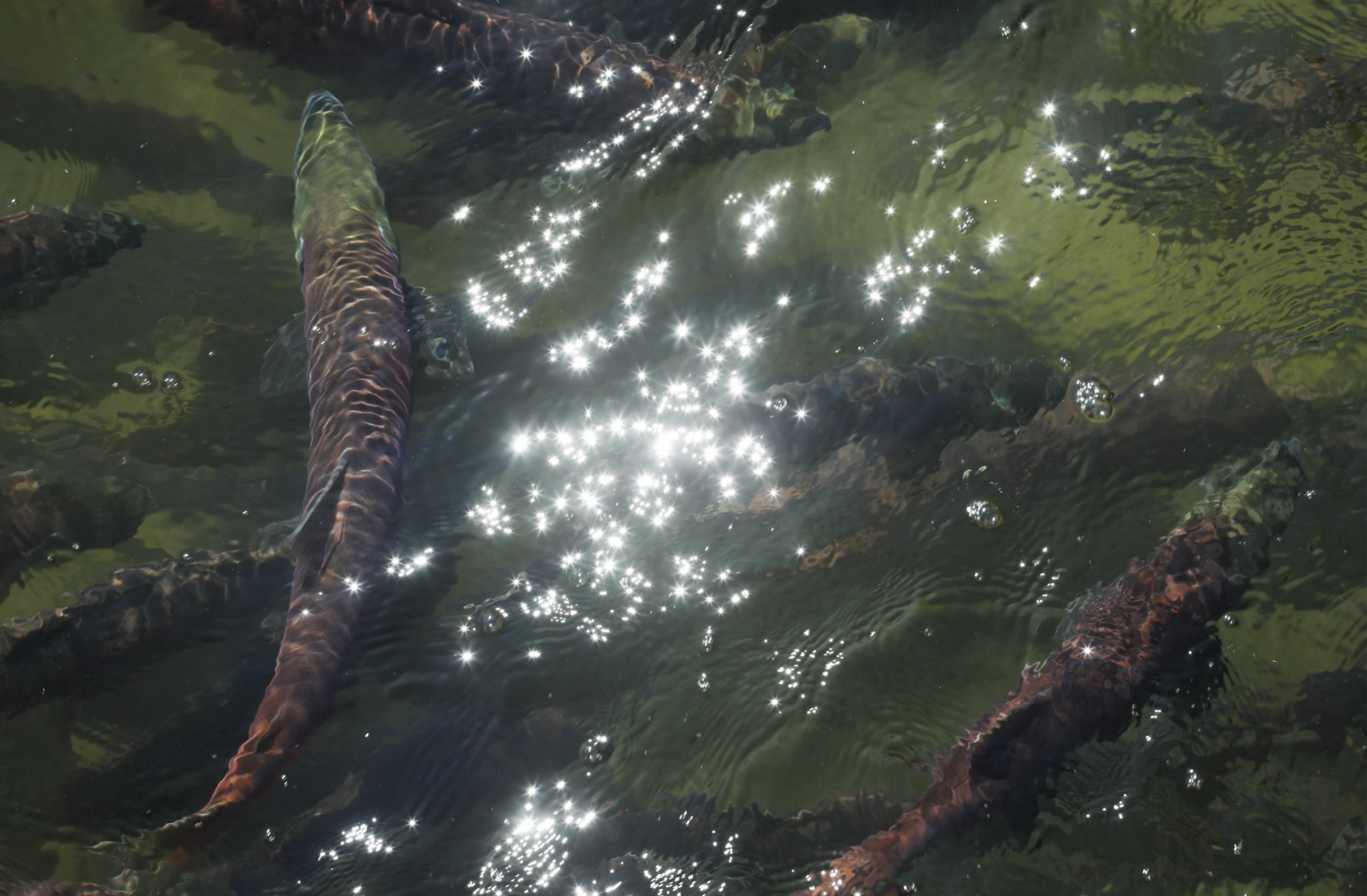
An uncle and nephew teach care for salmon to a new generation

Our reporter Aaron Hemens continued his extensive coverage of syilx Nation’s struggles and victories bringing salmon back to their territories.
More than 70 years after the sacred fish was blocked from its original migration route by colonial dams and river diversions, Aaron learned, the Okanagan Nation Alliance’s decades-long efforts finally paid off.
By far our most popular and shared story last year was the celebrated return of the first salmon to the lake last year.
In 2025, Aaron kept bring IndigiNews readers much more good news: sharing stories about salmon fry released by local kids, a fish ladder being installed around a dam, the ONA showing leadership to protect existing salmon populations, and a long-destroyed riverside wetland being restored (that story saw Aaron show off his drone photography skills, too).
But who are the people helping call the salmon home?
In May, Aaron wrote an inspiring profile of two relatives doing just that, spanning three generations.
Elder caylx (Richard Armstrong) holds fish-release ceremonies for his nation. Now he’s passing the sacred torch to his nephew, nk’lxwcin (Chad Eneas). And the duo have always made sure the next generation of Youth is at the forefront of bringing the salmon home.
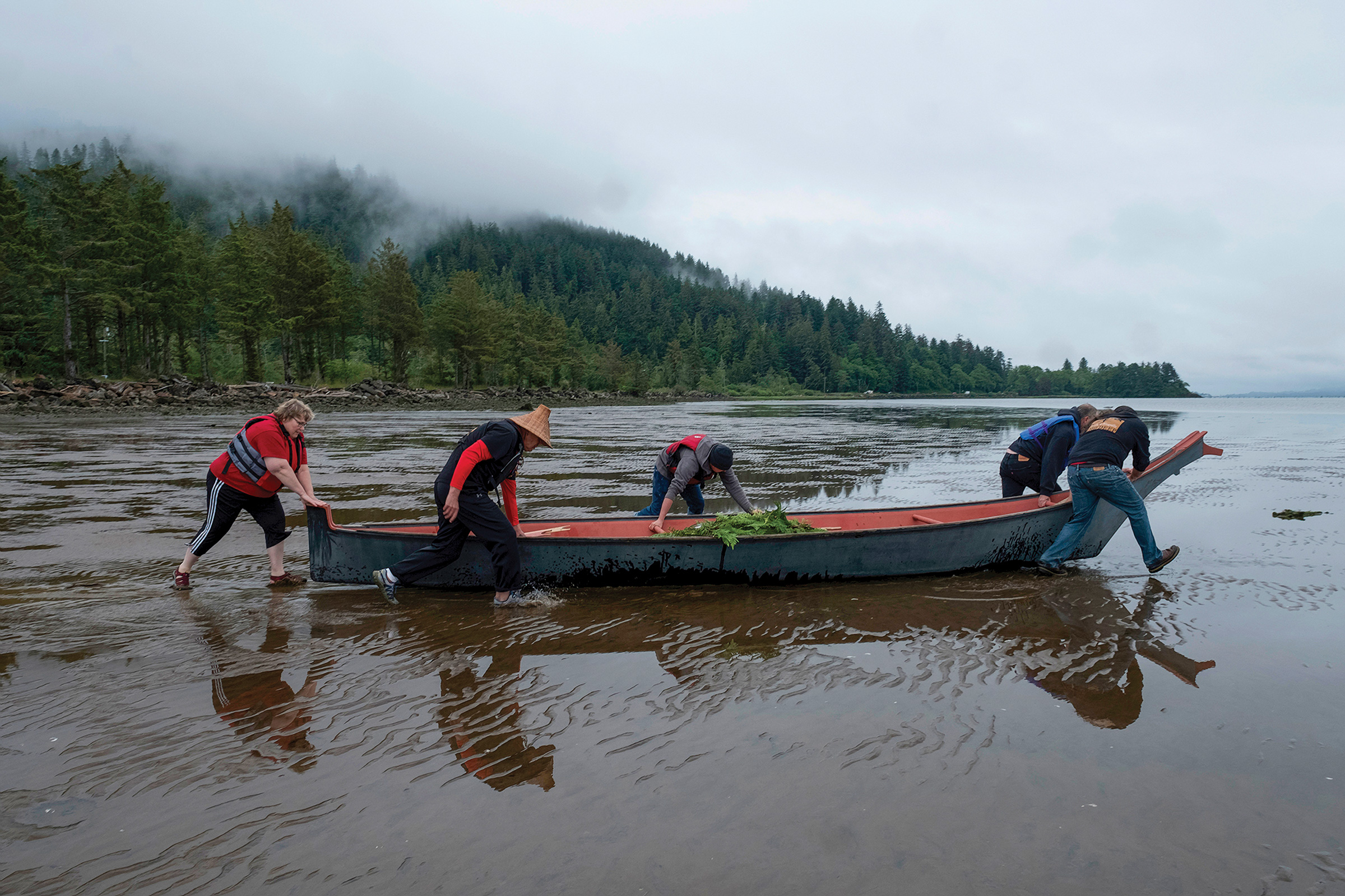
Łingít fishers share herring harvests with a surprise influx of grey whales

In July, our reporter Amy Romer traveled far north to Łingít territories, where she witnessed first-hand a vital fishery in the waters of Sheet’ká Sound.
Every spring since time immemorial, Łingít, Haida and Híɫzaqv (Heiltsuk) people, among others, have gathered gáax’w (herring eggs) using haaw da.aa (hemlock boughs) and kelp to share, trade and gift across communities.
But Amy also witnessed something incredible during her visit to “Alaska”: an unprecedented surge of massive grey whales is changing how humans interact with a vital yaaw (herring) fishery.
And Łingít fishers, she learned, are showing how co-existence is possible and essential.
Quw’utsun Nation court win a ‘spiritual homecoming’ after 150 years
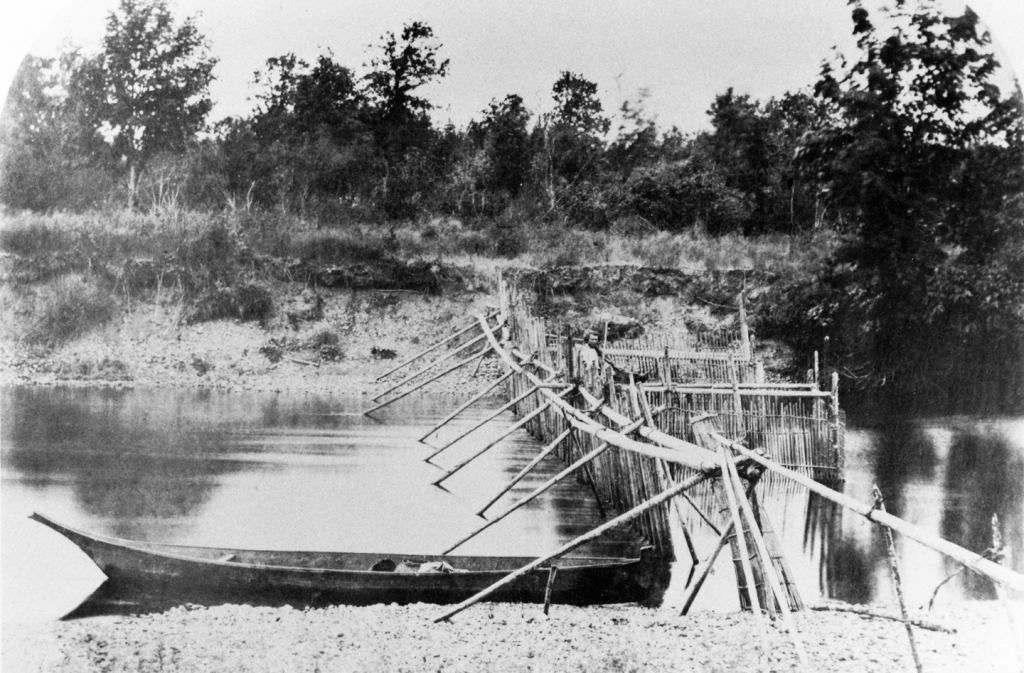
The biggest Indigenous law story of 2025 will certainly have ripple effects throughout the New Year: Quw’utsun Nation’s landmark legal victory in the B.C. Supreme Court.
Last summer, the province’s highest court agreed Quw’utsun still held title to Tl’uqtinus, once a summer fishing village near the mouth of the “Fraser River,” more than 60 kilometres from the nation’s “Vancouver Island” reserves.
The ruling came after 513 days of trial hearings — a record duration in the country.
But most crucially, the justice ruled that “Aboriginal title lies beyond the land title system” imposed by colonial governments.
As David P. Ball reported, the explosive implications of that sparked a backlash from right-wing politicians, pundits and the Premier. But it also unearthed deep concern from xʷməθkʷəy̓əm (Musqueam Indian Band) and scəw̓aθən məsteyəxʷ (Tsawsassen First Nation) about how it could impact their own territorial rights.
David dove deep into the history of the ancient village — poring through the 863-page court ruling, scouring provincial archives and historic maps, and learning just how groundbreaking the decision could be from top Indigenous law experts, anthropologists, and First Nations leaders.
The ruling is already being appealed to the Supreme Court of Canada. In 2026, IndigiNews will be following the reactions, and ramifications, of this explosive case.
How Gitxsan women fought and won child welfare jurisdiction struggle

In November, Amy Romer brought us another inspiring and hopeful story of Indigenous resilience and self-determination.
Reclaiming jurisdiction over child welfare has long been one of IndigiNews’ essential ongoing story beats.
For this three-part series, Amy journeyed north to Gitanmaax, where she met Gitxsan women at the forefront of the fight to keep children in their nation and culture.
These women demonstrated how a community could assert its authority and fight for its children in the face of colonial systems.
What started with three women four decades ago blossomed into an entire child welfare department within the First Nation, charting a path more and more First Nations are taking as they work to undo the deep trauma of state foster systems.
As Ayawasw (Audrey Woods) told Amy, “We knew as grandparents and as parents that we should always have had decision-making rights with regards to the care of our children.”
Secwépemc firekeeper shares ‘a better way of looking after the land’
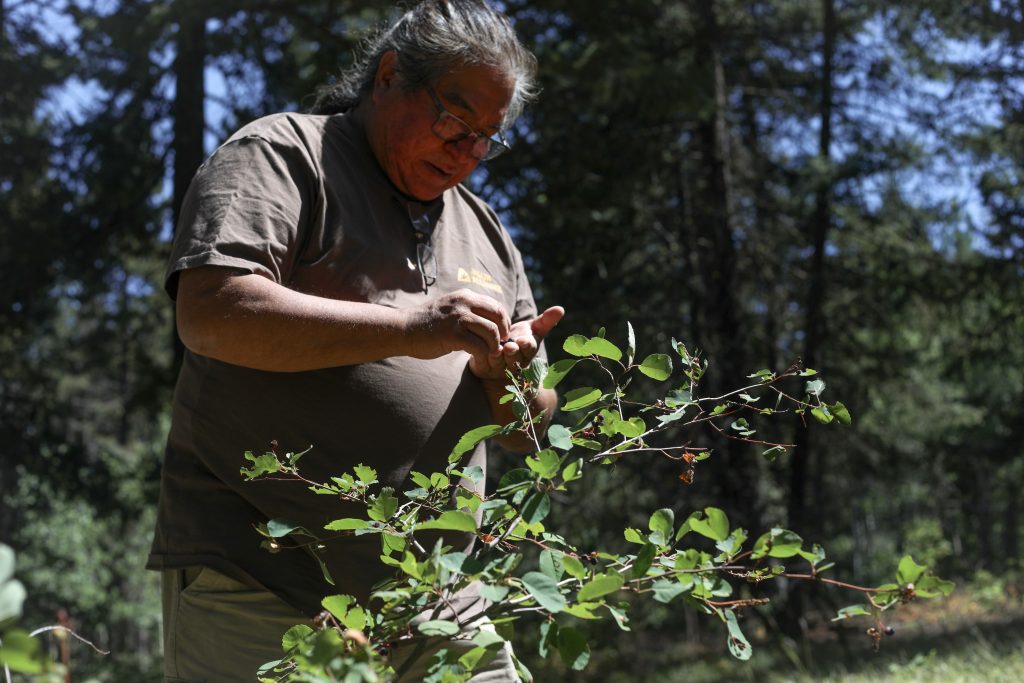
Out-of-control wildfires continued to affect people across the province this year, as climate change increases their severity and spread.
Aaron Hemens has been at the forefront reporting on Indigenous nations’ efforts to practice and revitalize their ancient practices of cultural burns and firekeeping.
Those traditions had long been essential to ensuring a healthy landscape, healing the forests, mitigating the intensity and impacts of wildfires, and encouraging healthy hunting grounds and medicine harvesting areas.
But how is cultural burning done, exactly? And what drives today’s Indigenous firekeepers?
Aaron traveled the landscape near “Merritt, B.C.” with Secwépemc firekeeper Joe Gilchrist this summer, learning about how he learned traditional fire knowledge — and why he’s now sharing it with Indigenous Peoples around the world.
Tla’amin children immerse themselves in ʔayʔaǰuθəm
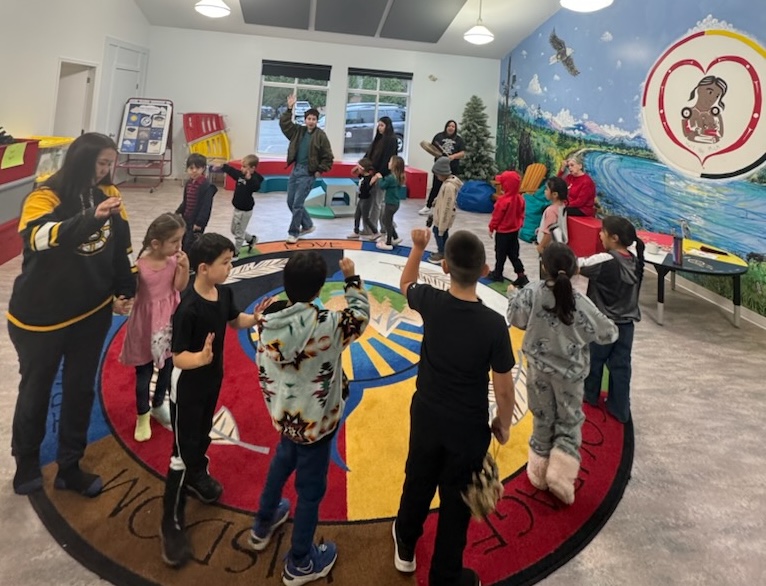
Writer Abby Francis brought us another inspiring story this past year, about how one First Nation is ensuring its future generations keep hold of their ancestral language and culture.
She visited classrooms in Tla’amin Nation to see just how children are being taught the ʔayʔaǰuθəm language from preschool through Grade One.
It’s called qaymɩχʷqɛnəmšt (qay-mixw qeh-numsht) program, which translates to “we are all learning the language together.”
Its teachers hope that will set a deep foundation for strengthening Tla’amin culture for the future.
“I feel like I am witnessing our ancestors’ wildest dreams,” qaymɩχʷqɛnəmšt instructor Koosen Pielle told IndigiNews.
“The right to teach our language, the right to teach our culture.”
Afro-Indigenous mom victorious over child ‘welfare’ agency
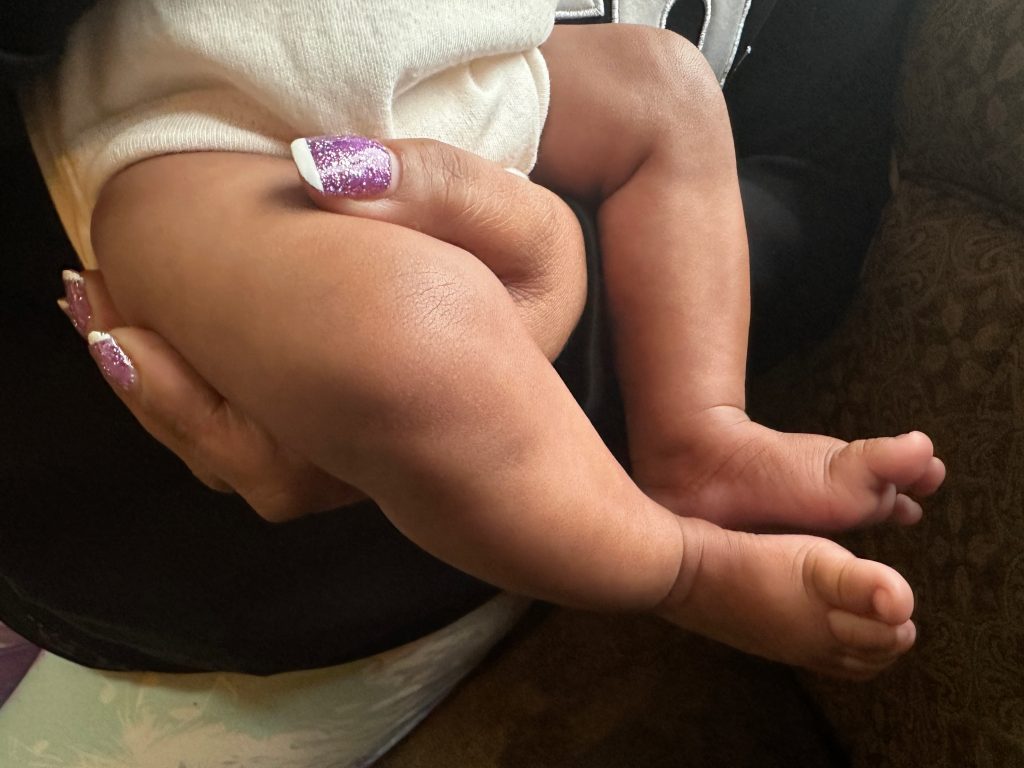
A “Vancouver” Afro-Indigenous mother’s legal battle against the agency that seized her children — which journalist Brielle Morgan has followed in-depth for IndigiNews — finally came to a close in late November at the Supreme Court of Canada.
And as Brielle reported, despite repeated attempts to overturn her $150,000 racial discrimination award from the B.C. Human Rights Tribunal, Vancouver Aboriginal Child and Family Services Society (VACFSS) was defeated when the country’s highest court rejected the appeal.
Not only is Justine (not her real name) celebrating a victory years in the making, experts say her example may have “cleared the way for other parents” targeted by child “welfare” authorities.
She has her kids back in her own care, and is looking forward to raising her newborn baby.
“Being a mother is just who I am,” Justine told Brielle. “That’s my identity.”
Author
We live in a media ecosystem that thrives on misinformation. Big Tech and AI companies are consuming the work of real human beings and Canadian news has been banned on Facebook and Instagram.
And yet, I have hope for journalism because of the work we’re doing at IndigiNews.
At IndigiNews, we embody tâpwêwin — the Cree value of integrity and responsibility in truth-telling. We are committed to our independent, Indigenous-led newsroom rooted in community, accountability, and relationality. We believe storytelling is a sacred fire that connects our pasts, presents, and futures through the storytellers in our Storytelling Lodge. IndigiNews creates space for Indigenous journalists, storytellers, Knowledge Keepers, and communities to gather, learn, and share stories that matter.
As a registered charity, we are building a fire that allows our work not just to ignite but to thrive. Rather than relying on advertising or corporate acquisition, IndigiNews is sustained by people like you who believe Indigenous stories are important for the future of our communities.
Your support is making a real difference.
Our community of supporters, our Firekeepers, make it possible to grow our newsroom, publish award-winning journalism, train emerging Indigenous journalists through initiatives like the ReFocus Photojournalism Fellowship, and publish trustworthy stories that serve our communities across the country. Every story we publish helps fill in gaps left by mainstream media and ensures Indigenous perspectives are represented with care, accuracy and respect.
But there is still more work to do.
As the media landscape becomes more and more uncertain, community support is as necessary and essential as it’s ever been. Every new Firekeeper helps protect the independence of our newsroom and strengthens journalism that is accountable to our many and varied communities over corporations.
That’s why we’re inviting you to become a Firekeeper.
Firekeepers tend to and protect the sacred fire. Your monthly contributions directly support IndigiNews’s Storytelling Lodge, helps sustain our independent, Indigenous-led newsroom, and ensures future generations of Indigenous storytellers have the resources they need to do the work.
As a registered Canadian charity, all eligible donations receive a charitable tax receipt.
If you believe Indigenous stories matter, if you value independent journalism, and if you want to help build a strong future for Indigenous media, we invite you to join our circle of Firekeepers today.
Together, we can keep the fire burning.
— Eden Fineday, Publisher, IndigiNews
Support us nowLatest Stories
-
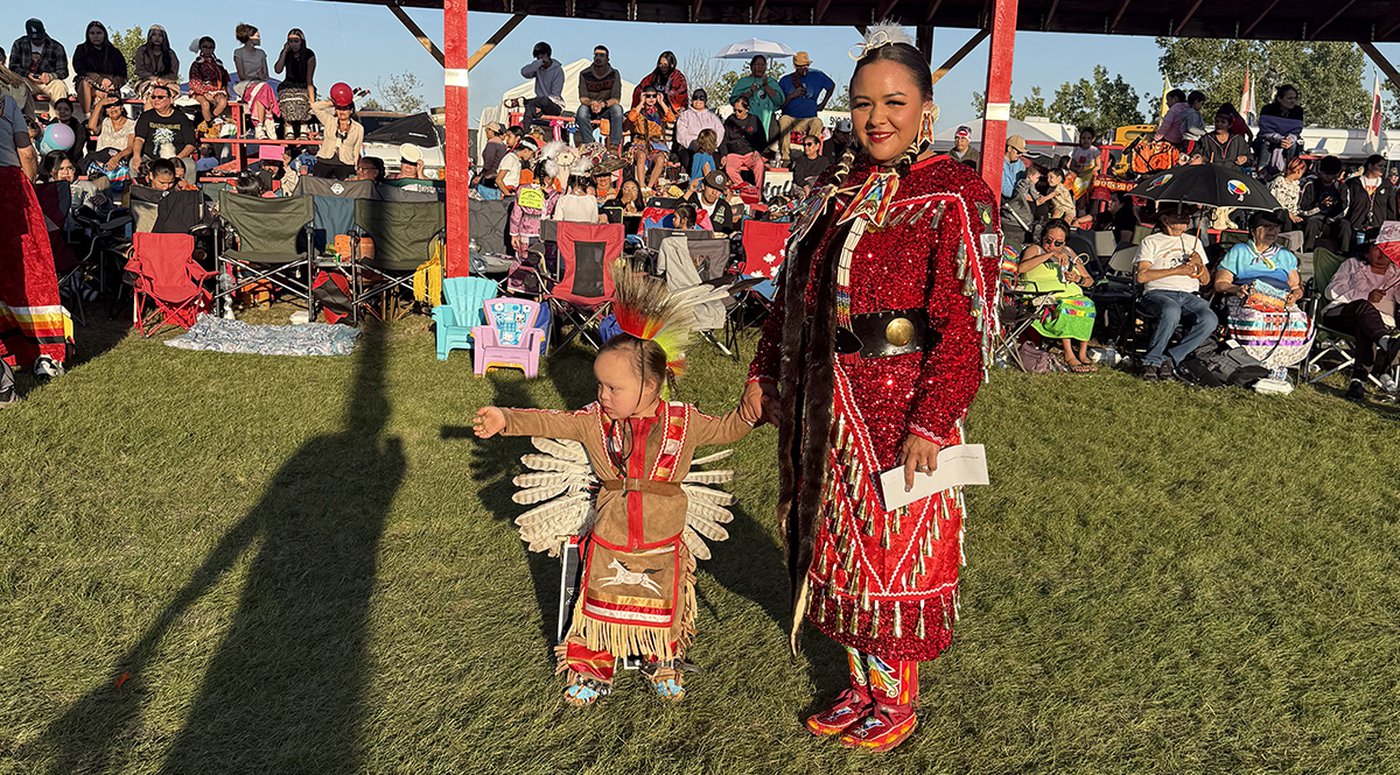
Beloved on the powwow circuit, young boy’s connection to the drum inspires
Now four, Waseskwan Redcrow was dancing ‘before he could even fully walk’ — his family says participating in powwows has brought them joy and belonging
-
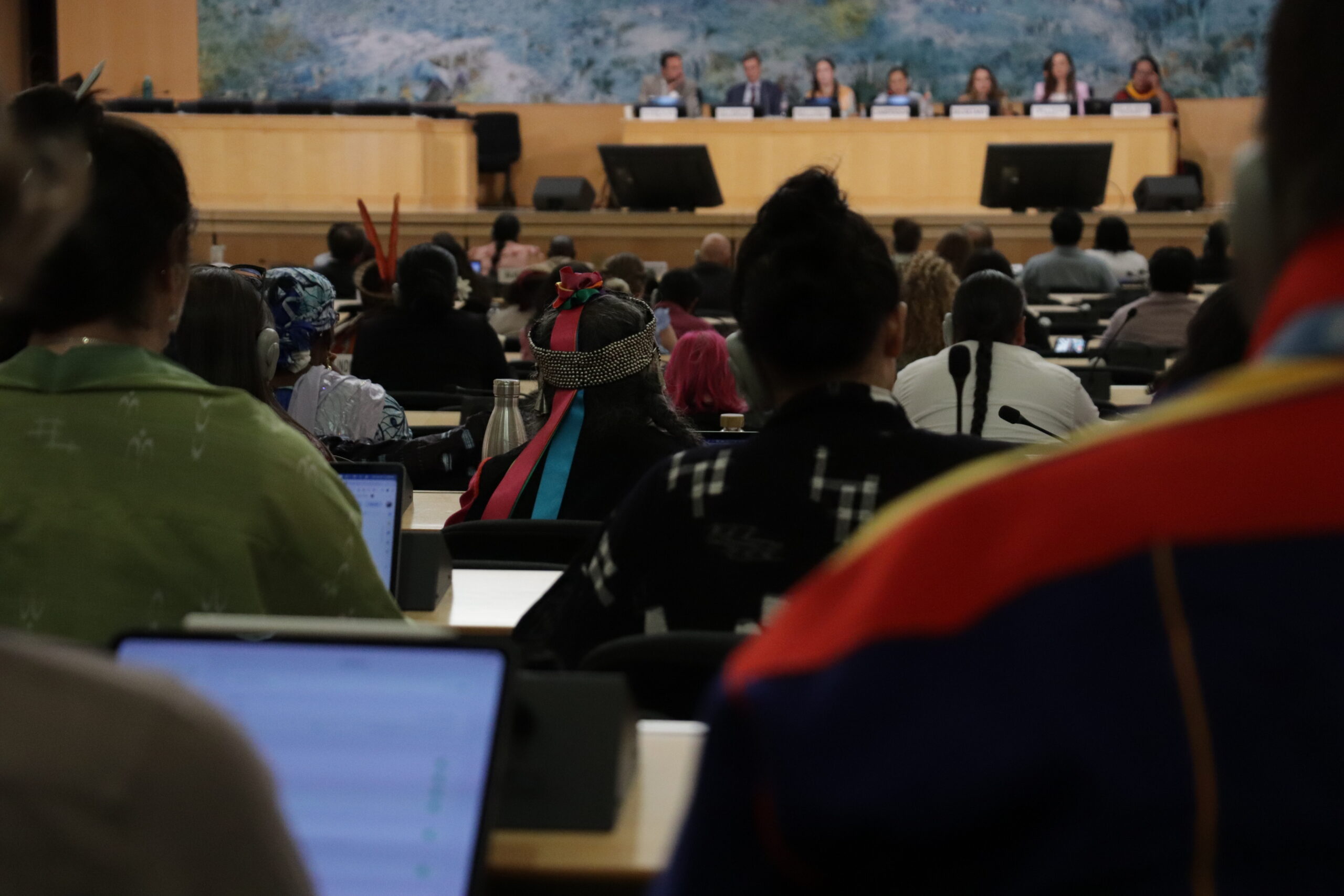
Indigenous leaders give the UN a roadmap for protecting their peoples
Amidst prayers and vows of solidarity, UN Expert Mechanism on the Rights of Indigenous Peoples ends annual meetings with demands for ‘action we’re not seeing globally’